<!-- wp:quote -->
<blockquote class="wp-block-quote"><!-- wp:paragraph -->
<p>India is one of the most breathtaking, soul-stirring destinations on the planet. Every year, [Insert Latest Tourism Statistic Here — e.g., Ministry of Tourism annual foreign tourist arrivals figure] international visitors arrive to experience its ancient temples, colorful festivals, spicy street food, and landscapes that shift from snow-capped Himalayas to sun-soaked beaches. It is a country that overwhelms your senses in the best possible way.</p>
<!-- /wp:paragraph -->
<!-- wp:paragraph -->
<p>But let's be honest — knowing <strong>how to stay safe while traveling in India</strong> requires a little more preparation than, say, a weekend trip to Paris.</p>
<!-- /wp:paragraph -->
<!-- wp:paragraph -->
<p>The good news? With some practical awareness and the right mindset, safe travel in India is absolutely achievable — whether you are backpacking solo through Rajasthan, working remotely from a Kerala beach café, or exploring the classic <a href="https://www.tajadventureholidays.com/india-golden-triangle-tour-packages/">Golden Triangle Tour</a> on your very first visit.</p>
<!-- /wp:paragraph -->
<!-- wp:paragraph -->
<p>This guide covers everything you need: from dodging common travel scams and staying healthy to understanding local customs and knowing which cities are safest for first-time travelers in India.</p>
<!-- /wp:paragraph -->
<!-- wp:heading -->
<h2 class="wp-block-heading">⚡ Quick Answer: How to Stay Safe While Traveling in India</h2>
<!-- /wp:heading -->
<!-- wp:paragraph -->
<p><strong>Staying safe in India comes down to six core habits:</strong> use app-based transport (Ola or Uber) instead of unmarked taxis; drink only sealed bottled water; book accommodation in advance through verified platforms; stay alert to common tourist scams like fake guides and gem schemes; dress modestly at religious sites; and always carry copies of your passport and travel insurance. India is safe for the vast majority of tourists who prepare properly.</p>
<!-- /wp:paragraph -->
<!-- wp:heading -->
<h2 class="wp-block-heading">Is India Safe for Tourists?</h2>
<!-- /wp:heading -->
<!-- wp:paragraph -->
<p><strong>Direct answer: Yes — India is generally safe for tourists, but it rewards preparation over blind optimism.</strong></p>
<!-- /wp:paragraph -->
<!-- wp:paragraph -->
<p>India receives millions of international visitors each year [Insert Latest Tourism Statistic Here — source: India Ministry of Tourism or UN Tourism annual report], and the overwhelming majority complete their trips without any serious safety incident. Popular tourist destinations like Jaipur, Agra, Udaipur, Rishikesh, Goa, and Kerala have well-developed tourism infrastructure built around welcoming international visitors.</p>
<!-- /wp:paragraph -->
<!-- wp:paragraph -->
<p>That said, India is a vast, complex country of 1.4 billion people. Like any major travel destination — from New York to Bangkok to Cairo — petty crime, opportunistic scams, and occasional harassment exist. What separates a stressful experience from a wonderful one is almost always how informed and prepared you are before you arrive.</p>
<!-- /wp:paragraph -->
<!-- wp:paragraph -->
<p>The key to safe travel in India is not fear — it is preparation.</p>
<!-- /wp:paragraph -->
<!-- wp:paragraph -->
<p>One thing most experienced India travelers will tell you: the country has a way of throwing minor chaos at you constantly — a train that runs two hours late, a rickshaw driver who confidently takes you the wrong way, a guesthouse that looks nothing like its photos. None of that is dangerous. It is just India being India. Learn to take the chaos in your stride, and you will love every bit of it.</p>
<!-- /wp:paragraph -->
<!-- wp:heading -->
<h2 class="wp-block-heading">Research Your Destination Before You Arrive</h2>
<!-- /wp:heading -->
<!-- wp:paragraph -->
<p>One of the most underrated India travel safety tips is deceptively simple: <strong>do your homework before you land.</strong></p>
<!-- /wp:paragraph -->
<!-- wp:paragraph -->
<p>First-time visitors to India often make the mistake of treating the country as a single, uniform destination. It is not. The cultural norms in Rajasthan are different from those in Goa. The safety considerations in a Himalayan trekking town differ from those in a dense metro like Mumbai. Context matters enormously.</p>
<!-- /wp:paragraph -->
<!-- wp:heading {"level":3} -->
<h3 class="wp-block-heading">Understand Local Customs and Traditions</h3>
<!-- /wp:heading -->
<!-- wp:paragraph -->
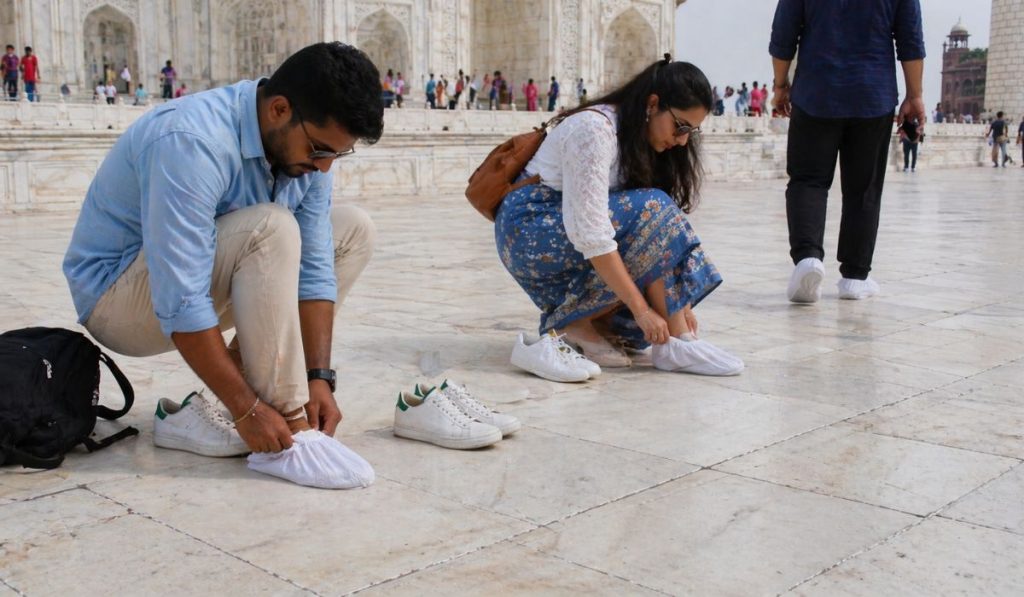
<p>India is deeply religious and culturally diverse. Public displays of affection are frowned upon in conservative towns. Removing shoes before entering temples or private homes is expected everywhere. Accepting food or drink with your left hand can cause genuine offence in many communities — the left hand is traditionally considered impure.</p>
<!-- /wp:paragraph -->
<!-- wp:paragraph -->
<p>Spending even a couple of hours reading about the customs of your specific destination will save you from awkward — and occasionally heated — misunderstandings. Varanasi operates on entirely different cultural rhythms than the beach towns of Goa. Knowing this in advance matters.</p>
<!-- /wp:paragraph -->
<!-- wp:heading {"level":3} -->
<h3 class="wp-block-heading">Check Weather Conditions</h3>
<!-- /wp:heading -->
<!-- wp:paragraph -->
<p>India's climate varies enormously by region and season. Traveling to Kerala during peak monsoon (June–August) can mean flooded roads and shuttered attractions. The Himalayan passes to Ladakh close entirely in winter. North India's plains become brutally hot between April and June. Researching weather before you book can be the difference between a dream trip and a logistical mess.</p>
<!-- /wp:paragraph -->
<!-- wp:heading {"level":3} -->
<h3 class="wp-block-heading">Know Your Transportation Options in Advance</h3>
<!-- /wp:heading -->
<!-- wp:paragraph -->
<p>India's transportation network is vast but can be confusing. Indian Railways connects nearly every corner of the country. Booking train tickets through the official <strong>IRCTC website</strong> in advance is essential — popular routes sell out weeks ahead, especially during festivals and school holidays. If you are planning a backpacking trip through India, mastering IRCTC early is one of the best investments of your time.</p>
<!-- /wp:paragraph -->
<!-- wp:heading -->
<h2 class="wp-block-heading">Use Trusted Transportation Services</h2>
<!-- /wp:heading -->
<!-- wp:paragraph -->
<p>Getting around safely is a cornerstone of any practical India tourist safety guide.</p>
<!-- /wp:paragraph -->
<!-- wp:heading {"level":3} -->
<h3 class="wp-block-heading">Airport Transfers — A Critical First Step</h3>
<!-- /wp:heading -->
<!-- wp:paragraph -->
<p>The moment you step out of arrivals at any Indian airport, you will likely be approached by people offering "cheap taxi" or "best hotel" deals. This is one of the most consistent experiences reported by first-time visitors — and one of the most common setups for the scams described later in this guide.</p>
<!-- /wp:paragraph -->
<!-- wp:paragraph -->
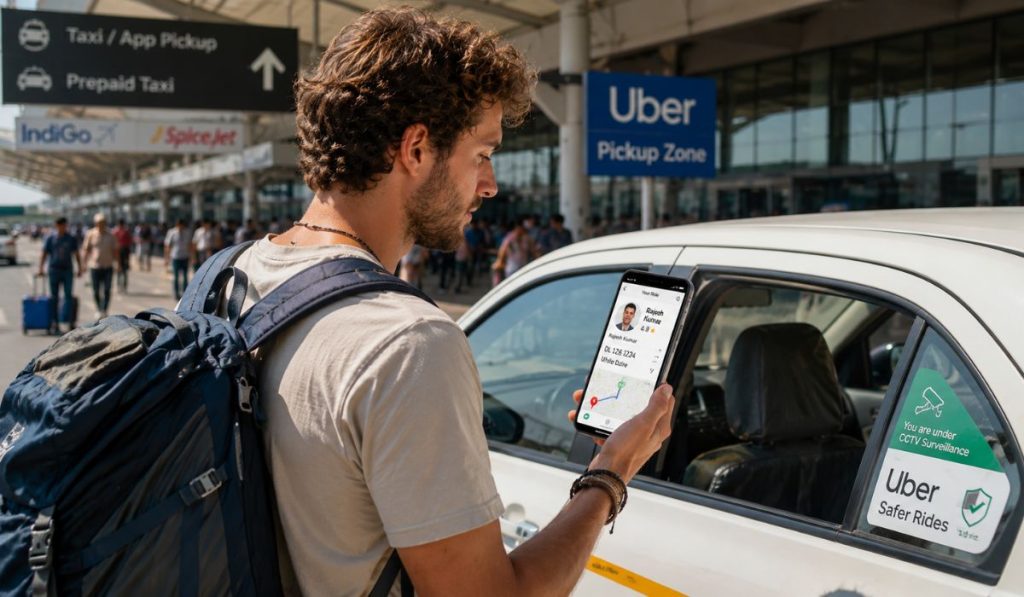
<p>The fix is simple: <strong>only use pre-paid taxis from official airport counters</strong> or <strong>book an Ola/Uber before you exit the terminal</strong>. At major airports like Indira Gandhi International (Delhi) and Chhatrapati Shivaji Maharaj (Mumbai), app-based pickups are smooth, clearly signed, and completely eliminate the negotiation game.</p>
<!-- /wp:paragraph -->
<!-- wp:heading {"level":3} -->
<h3 class="wp-block-heading">Ride-Sharing Apps</h3>
<!-- /wp:heading -->
<!-- wp:paragraph -->
<p>Ola and Uber are widely available in every Indian city of any size and are significantly safer than hailing a random auto-rickshaw off the street as a foreigner. The apps provide the driver's name, vehicle number, live route tracking, and a trip history you can share with someone — a genuine safety upgrade.</p>
<!-- /wp:paragraph -->
<!-- wp:paragraph -->
<p>A practical tip from the road: <strong>always confirm the driver's name and car number before getting in</strong>. Scammers occasionally stand near app pickup points and pretend to be your booked driver.</p>
<!-- /wp:paragraph -->
<!-- wp:heading {"level":3} -->
<h3 class="wp-block-heading">Train Travel Safety</h3>
<!-- /wp:heading -->
<!-- wp:paragraph -->
<p>Indian Railways is generally safe and one of the best ways to experience the country authentically. For overnight and long-distance journeys, opt for <strong>AC Tier 2 (2AC) or Tier 3 (3AC)</strong> compartments — they offer a good balance of safety, comfort, and cost. Chain your luggage to the seat rack with a small combination padlock (widely sold at Indian railway stations). Never leave bags unattended, even briefly.</p>
<!-- /wp:paragraph -->
<!-- wp:paragraph -->
<p>Women traveling solo should note: every Indian train includes a dedicated <strong>Ladies Compartment</strong> — use it. It is not a sign of weakness; it is a smart, practical choice that experienced female travelers consistently recommend.</p>
<!-- /wp:paragraph -->
<!-- wp:heading {"level":3} -->
<h3 class="wp-block-heading">Bus Travel Safety</h3>
<!-- /wp:heading -->
<!-- wp:paragraph -->
<p>For short routes between towns, reputable state-run buses and private operators bookable via <strong>RedBus</strong> are reliable. However, overnight buses on long routes carry more risk for solo travelers — trains are a significantly safer choice for night journeys, especially for women and first-time visitors.</p>
<!-- /wp:paragraph -->
<!-- wp:heading {"level":3} -->
<h3 class="wp-block-heading">Safe Transportation Checklist</h3>
<!-- /wp:heading -->
<!-- wp:list -->
<ul class="wp-block-list"><!-- wp:list-item -->
<li>Book airport pickup via Ola or Uber before landing</li>
<!-- /wp:list-item -->
<!-- wp:list-item -->
<li>Confirm driver name and car plate before entering any vehicle</li>
<!-- /wp:list-item -->
<!-- wp:list-item -->
<li>Agree on fare before entering any auto-rickshaw</li>
<!-- /wp:list-item -->
<!-- wp:list-item -->
<li>Use only metered or app-based taxis in cities</li>
<!-- /wp:list-item -->
<!-- wp:list-item -->
<li>Book train tickets via official IRCTC website in advance</li>
<!-- /wp:list-item -->
<!-- wp:list-item -->
<li>Choose 2AC or 3AC for overnight train journeys</li>
<!-- /wp:list-item -->
<!-- wp:list-item -->
<li>Use women-only carriages (trains and Delhi Metro) when traveling solo</li>
<!-- /wp:list-item -->
<!-- wp:list-item -->
<li>Avoid unmarked overnight buses; prefer trains for night travel</li>
<!-- /wp:list-item -->
<!-- wp:list-item -->
<li>Share live trip location with a trusted contact via WhatsApp</li>
<!-- /wp:list-item --></ul>
<!-- /wp:list -->
<!-- wp:heading -->
<h2 class="wp-block-heading">Protect Your Money and Valuables</h2>
<!-- /wp:heading -->
<!-- wp:heading {"level":3} -->
<h3 class="wp-block-heading">Anti-Theft Precautions</h3>
<!-- /wp:heading -->
<!-- wp:paragraph -->
<p>Use a <strong>money belt or hidden travel pouch</strong> worn under clothing for your passport, backup cash, and spare cards. In crowded places — markets, railway stations, religious festivals, and temple entrances — keep your daypack in front of you. Pickpocketing exists in India's dense crowds, though it is far less common than in many European cities.</p>
<!-- /wp:paragraph -->
<!-- wp:paragraph -->
<p>Avoid wearing flashy jewelry or displaying expensive camera equipment openly in busy street areas. This is not about fear — it is just sensible, and experienced travelers in any country do it instinctively.</p>
<!-- /wp:paragraph -->
<!-- wp:heading {"level":3} -->
<h3 class="wp-block-heading">Using ATMs Safely</h3>
<!-- /wp:heading -->
<!-- wp:paragraph -->
<p>Use ATMs inside bank branches, hotel lobbies, or established shopping malls rather than standalone machines on isolated streets, especially after dark. Cover the keypad when entering your PIN. Inform your bank of your travel dates before departure so your card is not blocked for overseas activity.</p>
<!-- /wp:paragraph -->
<!-- wp:paragraph -->
<p><strong>Practical note:</strong> India has occasional ATM cash shortages in smaller towns and during festival periods. Always carry some backup cash in Indian Rupees when heading to rural areas or smaller destinations.</p>
<!-- /wp:paragraph -->
<!-- wp:heading {"level":3} -->
<h3 class="wp-block-heading">Digital Payment Safety</h3>
<!-- /wp:heading -->
<!-- wp:paragraph -->
<p>India has one of the world's most advanced digital payment ecosystems, built on UPI (Unified Payments Interface). Apps like Google Pay, PhonePe, and Paytm are used everywhere — from street chai stalls to five-star hotel restaurants. As an international visitor, you may be able to use foreign cards at most urban establishments. Always verify the bill total before approving any payment.</p>
<!-- /wp:paragraph -->
<!-- wp:paragraph -->
<p><strong>Watch out for QR code fraud:</strong> A known scam involves someone swapping a legitimate merchant's QR code with their own. If you are scanning a QR code to pay, confirm the registered merchant name that appears on your payment app before approving.</p>
<!-- /wp:paragraph -->
<!-- wp:heading -->
<h2 class="wp-block-heading">Common Travel Scams in India and How to Avoid Them</h2>
<!-- /wp:heading -->
<!-- wp:paragraph -->
<p>Understanding the most common India travel scams before you arrive is one of the highest-value things you can do. Awareness alone eliminates most of the risk.</p>
<!-- /wp:paragraph -->
<!-- wp:heading {"level":3} -->
<h3 class="wp-block-heading">Scam Comparison Table</h3>
<!-- /wp:heading -->
<!-- wp:table -->
<figure class="wp-block-table"><table class="has-fixed-layout"><thead><tr><th>Scam Type</th><th>How It Works</th><th>How to Avoid It</th></tr></thead><tbody><tr><td><strong>Fake Tour Guide</strong></td><td>Someone at a monument claims to be an "official" licensed guide; leads you to commission-paying shops</td><td>Hire guides only through official ASI or state tourism counters, or pre-book via a verified agency</td></tr><tr><td><strong>Taxi Meter Scam</strong></td><td>Driver claims meter is "broken" and quotes an inflated flat fare</td><td>Confirm fare before entering; default to Ola or Uber</td></tr><tr><td><strong>Gem Investment Scam</strong></td><td>Friendly stranger convinces you to buy "valuable" gems to resell at profit back home</td><td>Never invest in gems or jewelry from strangers — it is always a scam, without exception</td></tr><tr><td><strong>Fake Ticket Office</strong></td><td>Near monuments, unofficial booths sell overpriced or counterfeit tickets</td><td>Buy only from official ASI counters or the official online booking portal</td></tr><tr><td><strong>Closed Hotel Scam</strong></td><td>Taxi driver insists your booked hotel is "closed," "flooded," or "full" and offers to take you to a "better" one</td><td>Call your hotel directly; insist on being dropped at your booked address</td></tr><tr><td><strong>Friendship Bracelet</strong></td><td>Stranger ties a bracelet on your wrist uninvited, then demands payment</td><td>Physically step back and firmly say no before anyone touches you</td></tr><tr><td><strong>Free Temple Ceremony</strong></td><td>Invitation to a "special private ceremony" ends with an aggressive demand for a large cash donation</td><td>Politely decline all unsolicited temple invitations from strangers</td></tr><tr><td><strong>Wrong Change Scam</strong></td><td>Vendor or rickshaw driver "accidentally" gives back too little change, often confusingly fast</td><td>Familiarise yourself with Indian Rupee notes before arrival; count change immediately</td></tr><tr><td><strong>Photography Fee Scam</strong></td><td>After you photograph someone in costume (snake charmer, etc.), they demand an aggressive fee</td><td>Agree on any fee before taking photos; be prepared to simply walk away</td></tr></tbody></table></figure>
<!-- /wp:table -->
<!-- wp:paragraph -->
<p>The golden rule applies everywhere in India: <strong>if something feels off, trust that instinct and walk away.</strong> Scammers depend on your politeness and your desire to avoid a scene. You owe a stranger nothing.</p>
<!-- /wp:paragraph -->
<!-- wp:separator -->
<hr class="wp-block-separator has-alpha-channel-opacity"/>
<!-- /wp:separator -->
<!-- wp:heading -->
<h2 class="wp-block-heading">Food and Water Safety Tips</h2>
<!-- /wp:heading -->
<!-- wp:paragraph -->
<p>Staying healthy is inseparable from traveling safely in India. "Delhi Belly" — traveler's gastrointestinal illness — is a genuine rite of passage for many visitors, but it is largely preventable.</p>
<!-- /wp:paragraph -->
<!-- wp:heading {"level":3} -->
<h3 class="wp-block-heading">Drinking Water</h3>
<!-- /wp:heading -->
<!-- wp:paragraph -->
<p><strong>Never drink tap water in India</strong> — this applies to every city, including major metros. Stick to sealed bottled water from trusted brands like Bisleri, Kinley, or Aquafina. Always check that the seal is unbroken. Many mid-range and upscale restaurants use filtered water for cooking, but when in doubt, ask.</p>
<!-- /wp:paragraph -->
<!-- wp:paragraph -->
<p>For environmentally conscious travelers on longer trips, a <strong>SteriPen UV purifier or filtered water bottle</strong> (like LifeStraw) is worth every rupee — it reduces plastic waste and gives you safe water wherever you are, including remote trekking routes.</p>
<!-- /wp:paragraph -->
<!-- wp:heading {"level":3} -->
<h3 class="wp-block-heading">Street Food Precautions</h3>
<!-- /wp:heading -->
<!-- wp:paragraph -->
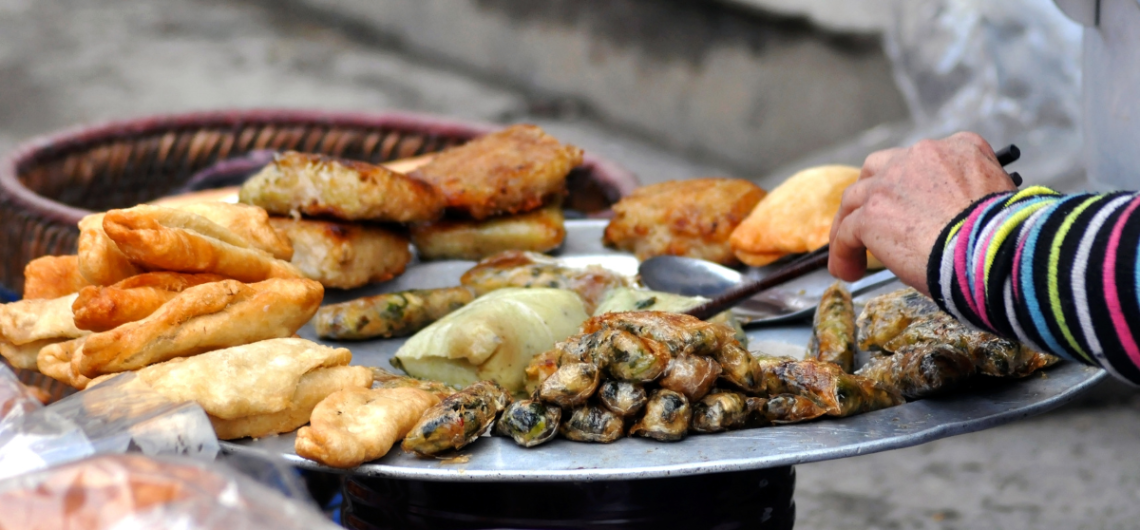
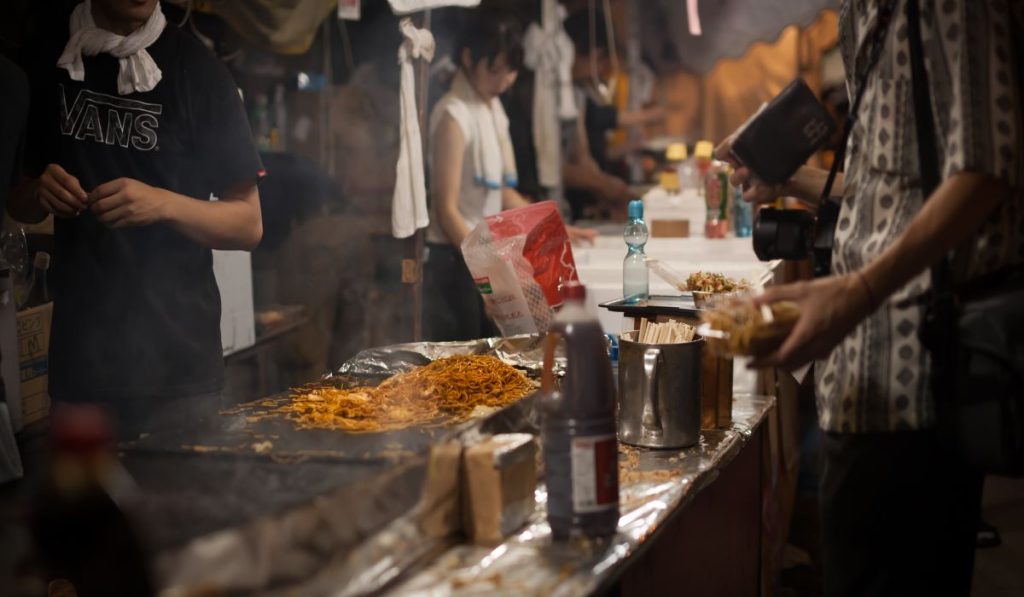
<p>Indian street food is extraordinary — and eating it safely is entirely possible with a few guidelines. Choose stalls that are <strong>busy with local customers</strong> (high turnover = fresher food). Opt for freshly cooked hot food over items sitting at room temperature. Avoid raw salads, pre-cut fruit from street vendors, and anything that has been in contact with unfiltered water.</p>
<!-- /wp:paragraph -->
<!-- wp:paragraph -->
<p>Some of the safest street foods for newcomers: freshly made chapati or paratha, dal and rice, samosas served hot, and anything cooked directly in front of you.</p>
<!-- /wp:paragraph -->
<!-- wp:heading {"level":3} -->
<h3 class="wp-block-heading">Hygiene Practices</h3>
<!-- /wp:heading -->
<!-- wp:paragraph -->
<p>Carry hand sanitizer (at least 60% alcohol) and use it consistently, especially before meals. Pack oral rehydration salts (ORS) in your first aid kit — they are one of the most useful items you can bring and widely available at Indian pharmacies (chemists) too.</p>
<!-- /wp:paragraph -->
<!-- wp:paragraph -->
<p>If you do get sick, rest and rehydration handle most cases. If symptoms are severe or persist beyond 48–72 hours, seek medical advice from a reputable clinic or hospital.</p>
<!-- /wp:paragraph -->
<!-- wp:separator -->
<hr class="wp-block-separator has-alpha-channel-opacity"/>
<!-- /wp:separator -->
<!-- wp:heading -->
<h2 class="wp-block-heading">Best Travel Safety Apps for India</h2>
<!-- /wp:heading -->
<!-- wp:paragraph -->
<p>Your smartphone is one of your most important safety tools when traveling India. Here are the apps every visitor should have installed and set up <strong>before</strong> arriving:</p>
<!-- /wp:paragraph -->
<!-- wp:paragraph -->
<p><strong>Google Maps</strong> — Download offline maps for your destinations before you travel. In areas with poor data connectivity (which you will encounter), offline maps are a lifesaver. Use it to verify a taxi or auto-rickshaw driver is actually taking you the right way — a simple, powerful check.</p>
<!-- /wp:paragraph -->
<!-- wp:paragraph -->
<p><strong>Ola & Uber</strong> — The two essential ride-hailing apps for India. Set up your payment method before you land. They work in all major cities and most mid-size towns. Always verify driver details before entering the vehicle.</p>
<!-- /wp:paragraph -->
<!-- wp:paragraph -->
<p><strong>WhatsApp</strong> — The primary communication app across India. Your hotel, tour operator, guide, and local contacts will almost certainly use it. It also lets you share your live location with trusted people back home during journeys — a valuable safety feature.</p>
<!-- /wp:paragraph -->
<!-- wp:paragraph -->
<p><strong>Google Translate</strong> — Download the Hindi language pack for offline use. While English is widely spoken in tourist areas, having basic translation capability in smaller towns, rural areas, and medical situations is genuinely useful. The camera translation feature (point your camera at text) is particularly handy.</p>
<!-- /wp:paragraph -->
<!-- wp:paragraph -->
<p><strong>IRCTC Rail Connect</strong> — The official Indian Railways booking app. Use it to book train tickets, check PNR status, and track train running status in real time. Essential for any train-based itinerary.</p>
<!-- /wp:paragraph -->
<!-- wp:paragraph -->
<p><strong>MakeMyTrip or Goibibo</strong> — For booking verified hotels, buses, and flights within India. Reading recent traveler reviews on these platforms before booking accommodation is one of the easiest safety checks you can do.</p>
<!-- /wp:paragraph -->
<!-- wp:image {"id":2119,"sizeSlug":"large","linkDestination":"none"} -->
<figure class="wp-block-image size-large"><img src="https://www.tajadventureholidays.com/wp-content/uploads/2026/05/safe-transportation-in-india-1024x597.jpg" alt="Tourist using safe transportation and ride-sharing services in India" class="wp-image-2119"/></figure>
<!-- /wp:image -->
<!-- wp:heading -->
<h2 class="wp-block-heading">Digital Safety Tips for Travelers in India</h2>
<!-- /wp:heading -->
<!-- wp:paragraph -->
<p>India's cities are connected, but digital hygiene matters just as much on the road as physical safety.</p>
<!-- /wp:paragraph -->
<!-- wp:heading {"level":3} -->
<h3 class="wp-block-heading">Public Wi-Fi Safety</h3>
<!-- /wp:heading -->
<!-- wp:paragraph -->
<p>Free Wi-Fi is available at airports, cafés, hotels, and some railway stations across India. However, <strong>never use public Wi-Fi for banking, accessing email accounts, or logging into sensitive accounts</strong> without a VPN. Download a reputable VPN app (ExpressVPN, NordVPN, or Proton VPN are popular with travelers) and activate it whenever you connect to public networks.</p>
<!-- /wp:paragraph -->
<!-- wp:heading {"level":3} -->
<h3 class="wp-block-heading">ATM and Card Precautions</h3>
<!-- /wp:heading -->
<!-- wp:paragraph -->
<p>Beyond the physical tips mentioned earlier: check your bank statements regularly during your trip. Set up transaction alerts via SMS or app notifications so you know immediately if your card is used unexpectedly. If you notice a fraudulent charge, contact your bank immediately — most have 24-hour international support lines.</p>
<!-- /wp:paragraph -->
<!-- wp:heading {"level":3} -->
<h3 class="wp-block-heading">SIM Card Security</h3>
<!-- /wp:heading -->
<!-- wp:paragraph -->
<p>Buying a local Indian SIM card is a smart move for any visit longer than a few days — it gives you affordable data and a local number that works reliably. Purchase SIM cards only from <strong>official Airtel, Jio, or Vi (Vodafone Idea) stores</strong> or authorized retailers. Avoid buying SIM cards from unofficial street vendors, as fraudulently registered SIMs can cause legal complications. You will need your passport and a passport photo for registration.</p>
<!-- /wp:paragraph -->
<!-- wp:heading {"level":3} -->
<h3 class="wp-block-heading">Online Payment Safety</h3>
<!-- /wp:heading -->
<!-- wp:paragraph -->
<p>When paying via QR codes (very common in India), always verify the payee name shown in your UPI app matches the business you are paying. Be cautious of anyone who sends you a payment "request" rather than a link — in UPI, a payment request asks you to send money, not receive it. Several tourists have been tricked into approving outgoing payments while thinking they were receiving refunds.</p>
<!-- /wp:paragraph -->
<!-- wp:heading -->
<h2 class="wp-block-heading">Solo Traveler Safety Tips in India</h2>
<!-- /wp:heading -->
<!-- wp:paragraph -->
<p><strong>Is India safe for solo travelers? Yes — with the right habits in place.</strong></p>
<!-- /wp:paragraph -->
<!-- wp:paragraph -->
<p>Millions of backpackers, independent travelers, and digital nomads explore India solo every year and have genuinely life-changing experiences. The country has a well-worn backpacker infrastructure across its most popular routes, with hostels, guesthouses, and traveler communities that make connecting with fellow travelers easy.</p>
<!-- /wp:paragraph -->
<!-- wp:paragraph -->
<p>Practical habits for solo travel safety in India:</p>
<!-- /wp:paragraph -->
<!-- wp:list -->
<ul class="wp-block-list"><!-- wp:list-item -->
<li><strong>Book your first night's accommodation before arriving in any new city</strong> — arriving after dark without a confirmed address is stressful and increases your exposure to airport and station touts.</li>
<!-- /wp:list-item -->
<!-- wp:list-item -->
<li><strong>Share your itinerary</strong> with at least one trusted person at home. Check in regularly.</li>
<!-- /wp:list-item -->
<!-- wp:list-item -->
<li><strong>Use hostel common areas and traveler meetups</strong> to connect with other solo travelers — there is safety in numbers, and the knowledge sharing is invaluable.</li>
<!-- /wp:list-item -->
<!-- wp:list-item -->
<li><strong>Stay in well-reviewed accommodation.</strong> Read reviews specifically from solo travelers on platforms like Hostelworld or Booking.com.</li>
<!-- /wp:list-item -->
<!-- wp:list-item -->
<li>For <strong>digital nomads</strong>, cities like Bangalore, Pune, Goa, and Mumbai have thriving co-working communities and reliable infrastructure with affordable living costs.</li>
<!-- /wp:list-item --></ul>
<!-- /wp:list -->
<!-- wp:paragraph -->
<p>Solo backpacking in India is one of the world's great travel experiences — the key is building routines that keep you oriented and connected, not isolated.</p>
<!-- /wp:paragraph -->
<!-- wp:heading -->
<h2 class="wp-block-heading">Female Traveler Safety Tips in India</h2>
<!-- /wp:heading -->
<!-- wp:paragraph -->
<p><strong>Is India safe for women travelers?</strong> This question deserves a direct, honest answer.</p>
<!-- /wp:paragraph -->
<!-- wp:paragraph -->
<p>India has faced serious scrutiny regarding women's safety, particularly in densely populated urban areas of North India. Verbal harassment — commonly called "eve-teasing" locally — is a reality many female travelers encounter, particularly in crowded public spaces. However, tens of thousands of women travel India solo every year, including many who return repeatedly and consider it among their most rewarding travel experiences.</p>
<!-- /wp:paragraph -->
<!-- wp:paragraph -->
<p>The difference, almost universally, comes down to preparation, route selection, and a few consistent habits.</p>
<!-- /wp:paragraph -->
<!-- wp:heading {"level":3} -->
<h3 class="wp-block-heading">Clothing Considerations</h3>
<!-- /wp:heading -->
<!-- wp:paragraph -->
<p>Dressing modestly — covering shoulders and knees — in most parts of India, especially at religious sites, in rural areas, and in conservative North Indian towns, significantly reduces unwanted attention. This is not a restriction; it is contextual awareness, the same way you would adapt your dress in any country with distinct cultural norms. In Goa, Hampi, or beach destinations, Western clothing is entirely the norm.</p>
<!-- /wp:paragraph -->
<!-- wp:paragraph -->
<p>Carry a lightweight scarf or dupatta. It doubles as a modesty cover at temples, a sun shield, and a conversation starter with local women.</p>
<!-- /wp:paragraph -->
<!-- wp:heading {"level":3} -->
<h3 class="wp-block-heading">Transportation Choices</h3>
<!-- /wp:heading -->
<!-- wp:list -->
<ul class="wp-block-list"><!-- wp:list-item -->
<li>Use <strong>women-only compartments</strong> on Indian trains — every train has one, clearly marked.</li>
<!-- /wp:list-item -->
<!-- wp:list-item -->
<li>On Delhi Metro, use <strong>women-only carriages</strong> during peak hours.</li>
<!-- /wp:list-item -->
<!-- wp:list-item -->
<li>Default to <strong>Ola or Uber</strong> over unmarked auto-rickshaws, particularly at night. Both apps record the journey and store driver details.</li>
<!-- /wp:list-item -->
<!-- wp:list-item -->
<li>Avoid traveling alone in unmarked taxis or autos after 10 PM in unfamiliar areas. If you must, share your live location with someone.</li>
<!-- /wp:list-item --></ul>
<!-- /wp:list -->
<!-- wp:heading {"level":3} -->
<h3 class="wp-block-heading">Accommodation Safety</h3>
<!-- /wp:heading -->
<!-- wp:paragraph -->
<p>Opt for well-reviewed guesthouses or hotels with 24-hour reception. Read recent reviews from female travelers specifically — they are the most relevant signal for your experience. Always lock your room door; carry a portable door wedge or door alarm for extra security in budget accommodation.</p>
<!-- /wp:paragraph -->
<!-- wp:paragraph -->
<p>For travelers who prefer a curated, supported experience, look into women-focused tour packages offered by reputable Indian operators — these provide guided travel designed specifically around female travelers' comfort and safety.</p>
<!-- /wp:paragraph -->
<!-- wp:paragraph -->
<p>Importantly: <strong>South India (Kerala, Karnataka, Tamil Nadu) and Rajasthan's tourist towns are generally considered more comfortable for women travelers</strong> than parts of North India's denser urban areas.</p>
<!-- /wp:paragraph -->
<!-- wp:heading -->
<h2 class="wp-block-heading">Health and Emergency Preparedness</h2>
<!-- /wp:heading -->
<!-- wp:heading {"level":3} -->
<h3 class="wp-block-heading">Travel Insurance — Non-Negotiable</h3>
<!-- /wp:heading -->
<!-- wp:paragraph -->
<p>Do not travel to India without comprehensive travel insurance. Medical emergencies, hospitalizations, trip cancellations, and emergency evacuations can be financially devastating without coverage. Policies from providers like <strong>World Nomads, SafetyWing, or AXA</strong> are widely used by international travelers in India. Check that your policy covers adventure activities if you are planning trekking, river rafting, or motorcycle touring.</p>
<!-- /wp:paragraph -->
<!-- wp:heading {"level":3} -->
<h3 class="wp-block-heading">Medical Facilities</h3>
<!-- /wp:heading -->
<!-- wp:paragraph -->
<p>Major Indian cities — Delhi, Mumbai, Bangalore, Chennai, Hyderabad — have world-class private hospitals (Apollo, Fortis, Max Healthcare) that routinely treat international patients. However, medical facilities in rural and remote areas can be limited. The further off the beaten path you travel, the more important it is to carry a comprehensive first aid kit.</p>
<!-- /wp:paragraph -->
<!-- wp:paragraph -->
<p><strong>First aid kit essentials for India:</strong></p>
<!-- /wp:paragraph -->
<!-- wp:list -->
<ul class="wp-block-list"><!-- wp:list-item -->
<li>Oral rehydration salts (ORS)</li>
<!-- /wp:list-item -->
<!-- wp:list-item -->
<li>Imodium or equivalent anti-diarrheal</li>
<!-- /wp:list-item -->
<!-- wp:list-item -->
<li>Antiseptic cream and plasters</li>
<!-- /wp:list-item -->
<!-- wp:list-item -->
<li>Insect repellent (DEET-based for dengue and malaria risk areas)</li>
<!-- /wp:list-item -->
<!-- wp:list-item -->
<li>Sunscreen (SPF 50+)</li>
<!-- /wp:list-item -->
<!-- wp:list-item -->
<li>Personal prescription medications (with original packaging)</li>
<!-- /wp:list-item -->
<!-- wp:list-item -->
<li>Basic antihistamine</li>
<!-- /wp:list-item --></ul>
<!-- /wp:list -->
<!-- wp:paragraph -->
<p>Get recommended vaccinations at least <strong>4–6 weeks before departure</strong>. Common recommendations include Hepatitis A, Typhoid, and Tetanus. Consult a travel health clinic for destination-specific advice on Malaria prophylaxis, Rabies, and Japanese Encephalitis.</p>
<!-- /wp:paragraph -->
<!-- wp:heading {"level":3} -->
<h3 class="wp-block-heading">Emergency Contacts in India — Save These Now</h3>
<!-- /wp:heading -->
<!-- wp:table -->
<figure class="wp-block-table"><table class="has-fixed-layout"><thead><tr><th>Emergency Service</th><th>Number</th></tr></thead><tbody><tr><td>Police</td><td>100</td></tr><tr><td>Ambulance</td><td>102</td></tr><tr><td>Fire</td><td>101</td></tr><tr><td>Women's Helpline</td><td>1091</td></tr><tr><td>All-Purpose Emergency (like 911)</td><td>112</td></tr><tr><td>India Tourism Helpline (Toll-Free)</td><td>1800-11-1363</td></tr><tr><td>Railway Helpline</td><td>139</td></tr><tr><td>Road Accident Emergency</td><td>1073</td></tr></tbody></table></figure>
<!-- /wp:table -->
<!-- wp:paragraph -->
<p>Save these in your phone before you leave home. Also <strong>register with your country's embassy or consulate in India</strong> — most governments offer a free traveler registration service that enables contact in emergencies, natural disasters, or civil unrest.</p>
<!-- /wp:paragraph -->
<!-- wp:heading -->
<h2 class="wp-block-heading">Cultural Etiquette That Helps Travelers Stay Safe</h2>
<!-- /wp:heading -->
<!-- wp:paragraph -->
<p>Understanding local etiquette is not just good manners — it genuinely reduces friction, prevents misunderstandings, and earns you the authentic warmth India is famous for.</p>
<!-- /wp:paragraph -->
<!-- wp:heading {"level":3} -->
<h3 class="wp-block-heading">Respecting Local Customs</h3>
<!-- /wp:heading -->
<!-- wp:list -->
<ul class="wp-block-list"><!-- wp:list-item -->
<li>Always ask permission before photographing individuals, especially in rural areas, at temples, or during religious ceremonies.</li>
<!-- /wp:list-item -->
<!-- wp:list-item -->
<li>Accept an invitation for chai graciously — it is usually genuine hospitality, not a prelude to a sales pitch. Use your judgment, but do not reflexively assume bad intent.</li>
<!-- /wp:list-item -->
<!-- wp:list-item -->
<li>Never point your feet at a temple deity or directly at another person — it is considered deeply disrespectful across most of India.</li>
<!-- /wp:list-item -->
<!-- wp:list-item -->
<li>Bargaining is normal in markets — but do it good-humouredly, and if you agree on a price, honour it.</li>
<!-- /wp:list-item --></ul>
<!-- /wp:list -->
<!-- wp:heading {"level":3} -->
<h3 class="wp-block-heading">Dress Codes</h3>
<!-- /wp:heading -->
<!-- wp:paragraph -->
<p>Cover your shoulders and knees when entering temples, mosques, gurudwaras, and other places of worship. Many sites provide scarves or wraps at the entrance, but carrying your own lightweight scarf is always better.</p>
<!-- /wp:paragraph -->
<!-- wp:heading {"level":3} -->
<h3 class="wp-block-heading">Photography Etiquette</h3>
<!-- /wp:heading -->
<!-- wp:paragraph -->
<p>Some temples, government buildings, and military installations prohibit photography — look for signs. Never photograph people, especially women and children, without asking first. In some rural communities, being photographed is considered invasive or spiritually significant. A quick gesture and smile asking permission goes a long way — and usually results in a far better portrait anyway.</p>
<!-- /wp:paragraph -->
<!-- wp:image {"id":2120,"sizeSlug":"large","linkDestination":"none"} -->
<figure class="wp-block-image size-large"><img src="https://www.tajadventureholidays.com/wp-content/uploads/2026/05/solo-female-traveler-india-safety-1024x597.jpg" alt="Solo female traveler safely exploring India and local markets" class="wp-image-2120"/></figure>
<!-- /wp:image -->
<!-- wp:heading -->
<h2 class="wp-block-heading">Safest Places to Visit in India for First-Time Travelers</h2>
<!-- /wp:heading -->
<!-- wp:paragraph -->
<p><strong>Which cities in India are safest for tourists?</strong> Here are the best entry points, particularly for first-time visitors and solo travelers:</p>
<!-- /wp:paragraph -->
<!-- wp:paragraph -->
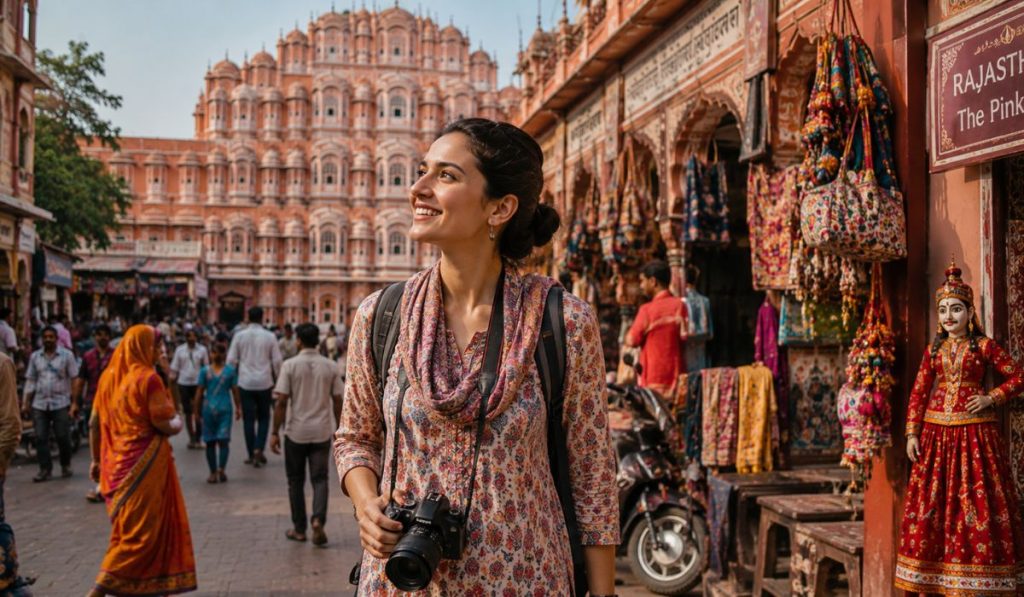
<p><strong>Jaipur, Rajasthan</strong> — The "Pink City" is one of India's most tourist-ready destinations. Strong infrastructure, well-organized guided tours, and a rich heritage scene make it an ideal starting point. It forms one leg of the famous Golden Triangle route alongside Delhi and Agra.</p>
<!-- /wp:paragraph -->
<!-- wp:paragraph -->
<p><strong>Udaipur, Rajasthan</strong> — Romantic, walkable, and widely regarded as one of the safest cities in India for international tourists. The lake city atmosphere is relaxed and the tourism scene is well-developed.</p>
<!-- /wp:paragraph -->
<!-- wp:paragraph -->
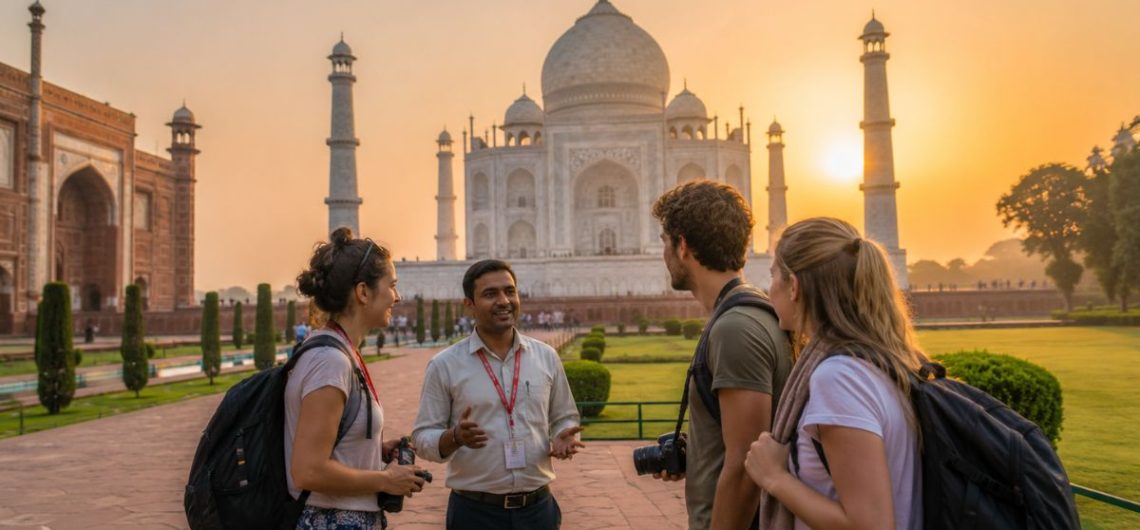
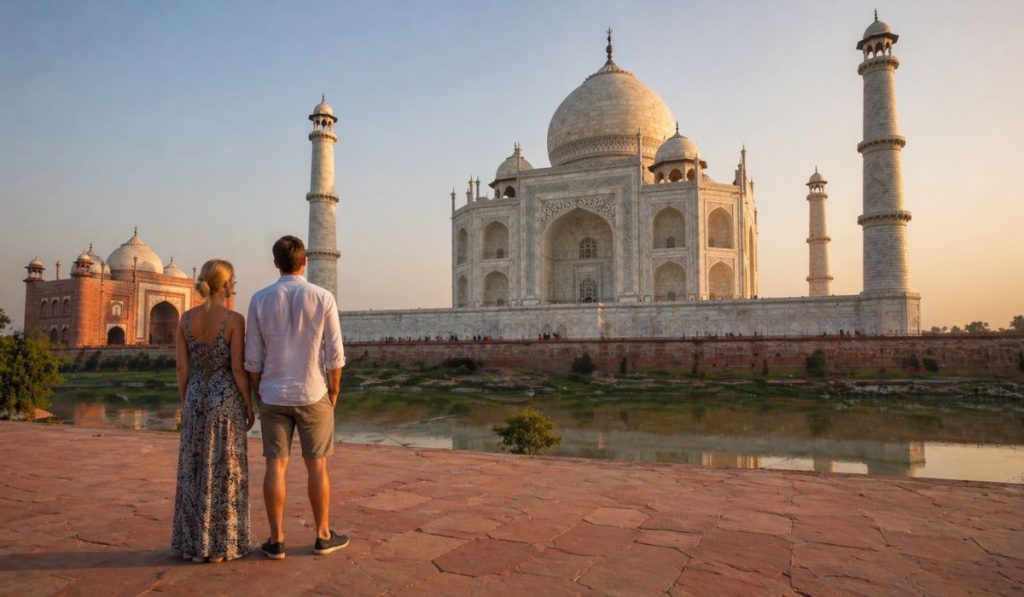
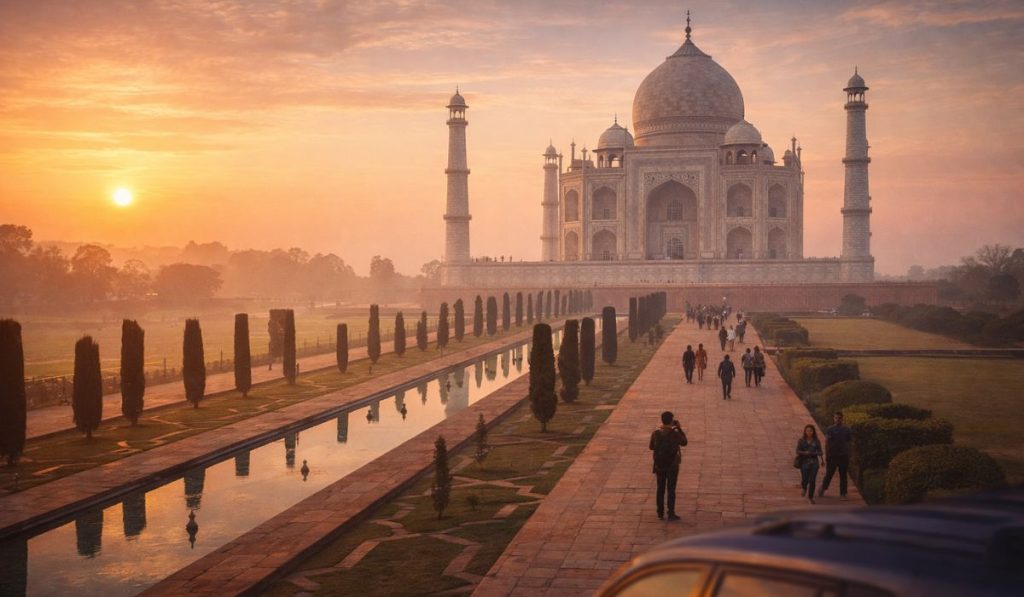
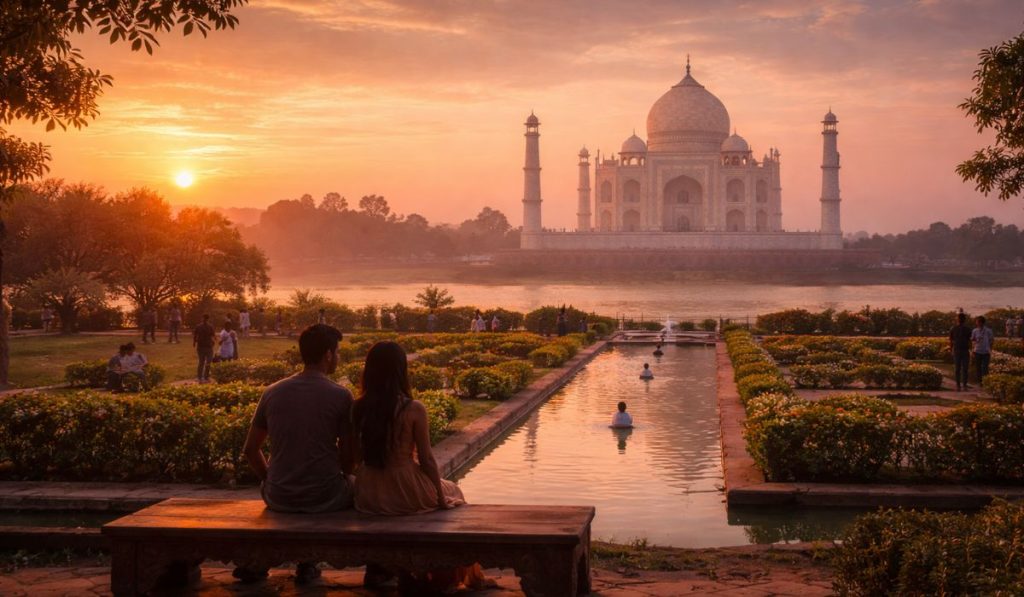
<p><strong>Agra, Uttar Pradesh</strong> — Home to the iconic Taj Mahal. Scams near the monument are common (see the table above), but the site itself is safe. Book <a href="https://www.tajadventureholidays.com/taj-mahal-tour-packages-from-delhi/">Taj Mahal Tour Packages from Delhi</a> through a verified operator to eliminate the most common pain points.</p>
<!-- /wp:paragraph -->
<!-- wp:paragraph -->
<p><strong>Rishikesh, Uttarakhand</strong> — India's yoga and adventure hub in the Himalayan foothills. Extremely popular with international travelers, genuinely safe, and home to a warm, globally connected community. Excellent for solo travelers.</p>
<!-- /wp:paragraph -->
<!-- wp:paragraph -->
<p><strong>Goa</strong> — India's most cosmopolitan beach destination. Strong tourist infrastructure, a relaxed pace, and a culture accustomed to international visitors make it ideal for first-timers and backpackers. Exercise standard beach-town awareness around your belongings.</p>
<!-- /wp:paragraph -->
<!-- wp:paragraph -->
<p><strong>Kerala</strong> — Consistently rated among India's safest states for tourism. The peaceful backwaters, outstanding food, and progressive local culture create an experience that feels welcoming from the moment you arrive.</p>
<!-- /wp:paragraph -->
<!-- wp:paragraph -->
<p>For first-time visitors who want structure and peace of mind, exploring a curated tour package that bundles transport, accommodation, and guided support is an excellent option — especially for the first week of a longer trip.</p>
<!-- /wp:paragraph -->
<!-- wp:heading -->
<h2 class="wp-block-heading">Essential Safety Checklist Before Your Trip</h2>
<!-- /wp:heading -->
<!-- wp:paragraph -->
<p><strong>Documents & Admin</strong></p>
<!-- /wp:paragraph -->
<!-- wp:list -->
<ul class="wp-block-list"><!-- wp:list-item -->
<li>Purchase comprehensive travel insurance covering medical emergencies and evacuation</li>
<!-- /wp:list-item -->
<!-- wp:list-item -->
<li>Register with your country's embassy in India</li>
<!-- /wp:list-item -->
<!-- wp:list-item -->
<li>Make photocopies of passport, visa, and insurance documents (store separately from originals)</li>
<!-- /wp:list-item -->
<!-- wp:list-item -->
<li>Save all Indian emergency numbers in your phone</li>
<!-- /wp:list-item --></ul>
<!-- /wp:list -->
<!-- wp:paragraph -->
<p><strong>Bookings & Logistics</strong></p>
<!-- /wp:paragraph -->
<!-- wp:list -->
<ul class="wp-block-list"><!-- wp:list-item -->
<li>Book first night's accommodation in advance in every new city</li>
<!-- /wp:list-item -->
<!-- wp:list-item -->
<li>Download and set up Ola and Uber before departure</li>
<!-- /wp:list-item -->
<!-- wp:list-item -->
<li>Book train tickets via IRCTC in advance for popular routes</li>
<!-- /wp:list-item -->
<!-- wp:list-item -->
<li>Inform your bank of travel dates to prevent card blocks</li>
<!-- /wp:list-item --></ul>
<!-- /wp:list -->
<!-- wp:paragraph -->
<p><strong>Health & Safety Gear</strong></p>
<!-- /wp:paragraph -->
<!-- wp:list -->
<ul class="wp-block-list"><!-- wp:list-item -->
<li>Pack first aid kit (ORS, anti-diarrheal, antiseptic, insect repellent, sunscreen)</li>
<!-- /wp:list-item -->
<!-- wp:list-item -->
<li>Get recommended vaccinations 4–6 weeks before departure</li>
<!-- /wp:list-item -->
<!-- wp:list-item -->
<li>Carry a money belt or hidden travel pouch</li>
<!-- /wp:list-item -->
<!-- wp:list-item -->
<li>Bring a portable door wedge or alarm (solo travelers, budget accommodation)</li>
<!-- /wp:list-item -->
<!-- wp:list-item -->
<li>Pack a portable power bank</li>
<!-- /wp:list-item --></ul>
<!-- /wp:list -->
<!-- wp:paragraph -->
<p><strong>Tech & Connectivity</strong></p>
<!-- /wp:paragraph -->
<!-- wp:list -->
<ul class="wp-block-list"><!-- wp:list-item -->
<li>Download offline Google Maps for all destinations</li>
<!-- /wp:list-item -->
<!-- wp:list-item -->
<li>Install a VPN app for use on public Wi-Fi</li>
<!-- /wp:list-item -->
<!-- wp:list-item -->
<li>Download Google Translate with Hindi offline pack</li>
<!-- /wp:list-item -->
<!-- wp:list-item -->
<li>Share travel itinerary with a trusted contact at home</li>
<!-- /wp:list-item --></ul>
<!-- /wp:list -->
<!-- wp:paragraph -->
<p><strong>Cultural Preparation</strong></p>
<!-- /wp:paragraph -->
<!-- wp:list -->
<ul class="wp-block-list"><!-- wp:list-item -->
<li>Research customs for your specific destinations</li>
<!-- /wp:list-item -->
<!-- wp:list-item -->
<li>Pack a lightweight scarf for temple visits and modest dressing</li>
<!-- /wp:list-item -->
<!-- wp:list-item -->
<li>Check weather conditions for travel dates</li>
<!-- /wp:list-item --></ul>
<!-- /wp:list -->
<!-- wp:heading -->
<h2 class="wp-block-heading">Frequently Asked Questions</h2>
<!-- /wp:heading -->
<!-- wp:heading {"level":3} -->
<h3 class="wp-block-heading">1. Is India safe for tourists in 2026–2027?</h3>
<!-- /wp:heading -->
<!-- wp:paragraph -->
<p>Yes. India remains one of the world's most visited tourist destinations [Insert Latest Tourism Ranking Statistic Here]. The vast majority of international visitors travel without serious incident. Standard travel awareness, verified bookings, and basic cultural respect go a long way.</p>
<!-- /wp:paragraph -->
<!-- wp:heading {"level":3} -->
<h3 class="wp-block-heading">2. Is India safe for first-time tourists?</h3>
<!-- /wp:heading -->
<!-- wp:paragraph -->
<p>Absolutely, with preparation. Stick to well-traveled routes, use verified transportation, book accommodation through reputable platforms, and stay alert in crowded areas. Millions of first-time visitors travel India each year and have excellent experiences.</p>
<!-- /wp:paragraph -->
<!-- wp:heading {"level":3} -->
<h3 class="wp-block-heading">3. What are the most common scams in India targeting tourists?</h3>
<!-- /wp:heading -->
<!-- wp:paragraph -->
<p>The most prevalent scams are fake tour guides near monuments, taxi meter fraud, gem investment schemes, fake ticket offices, and the "your hotel is closed" cab diversion. Knowing these in advance removes almost all of the risk.</p>
<!-- /wp:paragraph -->
<!-- wp:heading {"level":3} -->
<h3 class="wp-block-heading">4. Is India safe for solo female travelers?</h3>
<!-- /wp:heading -->
<!-- wp:paragraph -->
<p>Yes, with specific precautions. Dress modestly in conservative areas, use women-only train compartments and metro carriages, choose reputable accommodation, prefer app-based cabs at night over unmarked autos, and trust your instincts. South India and Rajasthan's tourist towns are generally considered most comfortable for women traveling solo.</p>
<!-- /wp:paragraph -->
<!-- wp:heading {"level":3} -->
<h3 class="wp-block-heading">5. Is India safe at night?</h3>
<!-- /wp:heading -->
<!-- wp:paragraph -->
<p>Major tourist areas and city centers are generally active and reasonably safe at night. However, traveling alone in unfamiliar areas, using unmarked transport, or walking through unlit streets late at night — in any Indian city — carries elevated risk. Use Ola or Uber after dark and stick to areas with foot traffic.</p>
<!-- /wp:paragraph -->
<!-- wp:heading {"level":3} -->
<h3 class="wp-block-heading">6. Is Uber safe in India?</h3>
<!-- /wp:heading -->
<!-- wp:paragraph -->
<p>Yes. Both Uber and Ola are considered safe, reliable transport options in India. They provide driver details, live route tracking, and trip history. Always verify the driver's name and car registration before entering the vehicle.</p>
<!-- /wp:paragraph -->
<!-- wp:heading {"level":3} -->
<h3 class="wp-block-heading">7. Can tourists drink tap water in India?</h3>
<!-- /wp:heading -->
<!-- wp:paragraph -->
<p>No. Tap water is not safe to drink anywhere in India, including major cities. Always drink sealed bottled water from reputable brands, or use a UV purifier like a SteriPen. This applies to brushing teeth as well in some areas — use bottled water if uncertain.</p>
<!-- /wp:paragraph -->
<!-- wp:heading {"level":3} -->
<h3 class="wp-block-heading">8. What should travelers avoid in India?</h3>
<!-- /wp:heading -->
<!-- wp:paragraph -->
<p>Avoid drinking tap water; accepting unsolicited food, drinks, or gifts from strangers; engaging with touts at tourist sites; traveling in unmarked taxis; displaying expensive valuables in crowded public areas; and using public Wi-Fi without a VPN for sensitive tasks.</p>
<!-- /wp:paragraph -->
<!-- wp:heading {"level":3} -->
<h3 class="wp-block-heading">9. What should I wear in India?</h3>
<!-- /wp:heading -->
<!-- wp:paragraph -->
<p>Dress modestly in most parts of India — covering shoulders and knees is advised, especially at religious sites, in rural areas, and in conservative towns. In beach destinations like Goa, Western casual clothing is standard. Carry a lightweight scarf as a flexible cover-up.</p>
<!-- /wp:paragraph -->
<!-- wp:heading {"level":3} -->
<h3 class="wp-block-heading">10. Is India safe for digital nomads?</h3>
<!-- /wp:heading -->
<!-- wp:paragraph -->
<p>Yes. India is a growing digital nomad destination, particularly in Bangalore, Pune, Goa, and Mumbai. These cities have strong co-working infrastructure, reliable internet, affordable cost of living, and established expat communities. Standard digital hygiene (VPN, secured devices, careful use of public Wi-Fi) applies.</p>
<!-- /wp:paragraph -->
<!-- wp:heading {"level":3} -->
<h3 class="wp-block-heading">11. What are the emergency numbers tourists should know in India?</h3>
<!-- /wp:heading -->
<!-- wp:paragraph -->
<p>Police: 100 | Ambulance: 102 | Fire: 101 | Women's Helpline: 1091 | All-Purpose Emergency: 112 | India Tourism Helpline: 1800-11-1363 | Railway Helpline: 139</p>
<!-- /wp:paragraph -->
<!-- wp:heading {"level":3} -->
<h3 class="wp-block-heading">12. Which cities are safest for tourists in India?</h3>
<!-- /wp:heading -->
<!-- wp:paragraph -->
<p>Jaipur, Udaipur, Rishikesh, Goa, and Kerala's cities (Kochi, Thiruvananthapuram, Munnar) are consistently cited as among India's safest and most tourist-friendly destinations. South India broadly is considered more comfortable for solo and female travelers than densely populated parts of North India.</p>
<!-- /wp:paragraph -->
<!-- wp:heading {"level":3} -->
<h3 class="wp-block-heading">13. How can I stay healthy while traveling in India?</h3>
<!-- /wp:heading -->
<!-- wp:paragraph -->
<p>Drink only sealed bottled water, eat freshly cooked food from busy stalls, carry hand sanitizer, pack oral rehydration salts, avoid raw salads from street vendors, and get vaccinations (Hepatitis A, Typhoid) at least 4–6 weeks before departure. Carry a basic first aid kit with anti-diarrheal medication.</p>
<!-- /wp:paragraph -->
<!-- wp:heading {"level":3} -->
<h3 class="wp-block-heading">14. Do I need travel insurance for India?</h3>
<!-- /wp:heading -->
<!-- wp:paragraph -->
<p>Yes — it is non-negotiable. Medical emergencies, hospitalizations, trip cancellations, and emergency evacuations can be extremely expensive without coverage. Ensure your policy covers the activities you plan (trekking, adventure sports, motorcycle travel).</p>
<!-- /wp:paragraph -->
<!-- wp:heading {"level":3} -->
<h3 class="wp-block-heading">15. How can I avoid scams in India as a tourist?</h3>
<!-- /wp:heading -->
<!-- wp:paragraph -->
<p>Awareness is your primary defence. Know the most common scam types before you arrive (see the table in this guide). Use app-based transport. Book tickets only through official channels. Do not follow strangers who approach you at tourist sites. Trust your instincts — if something feels off, it usually is. Polite but firm refusal ends most scam attempts immediately.</p>
<!-- /wp:paragraph -->
<!-- wp:heading -->
<h2 class="wp-block-heading">Conclusion: How to Stay Safe While Traveling in India</h2>
<!-- /wp:heading -->
<!-- wp:paragraph -->
<p>India is not a destination you simply visit — it is one you experience, fully and unforgettably. Its organized chaos and unexpected serenity, its ancient wisdom and rapid modernity, its extraordinary generosity and the occasional opportunistic scammer — all of it is woven into the fabric of the journey.</p>
<!-- /wp:paragraph -->
<!-- wp:paragraph -->
<p>Understanding <strong>how to stay safe while traveling in India</strong> does not mean traveling fearfully. It means arriving informed, making smart choices consistently, and giving yourself the freedom to actually enjoy one of the world's most remarkable countries.</p>
<!-- /wp:paragraph -->
<!-- wp:paragraph -->
<p>The travelers who have the best experiences in India are rarely the bravest — they are the most <strong>prepared</strong>. They did their research, respected the culture, used smart transport, trusted their instincts, and embraced every moment of the extraordinary.</p>
<!-- /wp:paragraph -->
<!-- wp:paragraph -->
<p>Use this guide as your foundation. When you are ready to plan your trip, browse <a href="https://www.tajadventureholidays.com/">India Tour Packages from Delhi</a> to find the right route and experience for your travel style.</p>
<!-- /wp:paragraph -->
<!-- wp:paragraph -->
<p>Stay curious. Stay aware. Stay kind. India will give you back far more than you bring to it.</p>
<!-- /wp:paragraph -->
<!-- wp:paragraph -->
<p>Safe travels — and enjoy every single step.</p>
<!-- /wp:paragraph --></blockquote>
<!-- /wp:quote -->
India is one of the most breathtaking, soul-stirring destinations on the planet. Every year, [Insert Latest Tourism Statistic Here — e.g., Ministry of Tourism annual foreign tourist arrivals figure] international visitors arrive to experience its ancient temples, colorful festivals, spicy street food, and landscapes that shift from snow-capped Himalayas to sun-soaked beaches. It is a country that overwhelms your senses in the best possible way.
But let’s be honest — knowing how to stay safe while traveling in India requires a little more preparation than, say, a weekend trip to Paris.
The good news? With some practical awareness and the right mindset, safe travel in India is absolutely achievable — whether you are backpacking solo through Rajasthan, working remotely from a Kerala beach café, or exploring the classic Golden Triangle Tour on your very first visit.
This guide covers everything you need: from dodging common travel scams and staying healthy to understanding local customs and knowing which cities are safest for first-time travelers in India.
⚡ Quick Answer: How to Stay Safe While Traveling in India
Staying safe in India comes down to six core habits: use app-based transport (Ola or Uber) instead of unmarked taxis; drink only sealed bottled water; book accommodation in advance through verified platforms; stay alert to common tourist scams like fake guides and gem schemes; dress modestly at religious sites; and always carry copies of your passport and travel insurance. India is safe for the vast majority of tourists who prepare properly.
Is India Safe for Tourists?
Direct answer: Yes — India is generally safe for tourists, but it rewards preparation over blind optimism.
India receives millions of international visitors each year [Insert Latest Tourism Statistic Here — source: India Ministry of Tourism or UN Tourism annual report], and the overwhelming majority complete their trips without any serious safety incident. Popular tourist destinations like Jaipur, Agra, Udaipur, Rishikesh, Goa, and Kerala have well-developed tourism infrastructure built around welcoming international visitors.
That said, India is a vast, complex country of 1.4 billion people. Like any major travel destination — from New York to Bangkok to Cairo — petty crime, opportunistic scams, and occasional harassment exist. What separates a stressful experience from a wonderful one is almost always how informed and prepared you are before you arrive.
The key to safe travel in India is not fear — it is preparation.
One thing most experienced India travelers will tell you: the country has a way of throwing minor chaos at you constantly — a train that runs two hours late, a rickshaw driver who confidently takes you the wrong way, a guesthouse that looks nothing like its photos. None of that is dangerous. It is just India being India. Learn to take the chaos in your stride, and you will love every bit of it.
Research Your Destination Before You Arrive
One of the most underrated India travel safety tips is deceptively simple: do your homework before you land.
First-time visitors to India often make the mistake of treating the country as a single, uniform destination. It is not. The cultural norms in Rajasthan are different from those in Goa. The safety considerations in a Himalayan trekking town differ from those in a dense metro like Mumbai. Context matters enormously.
Understand Local Customs and Traditions
India is deeply religious and culturally diverse. Public displays of affection are frowned upon in conservative towns. Removing shoes before entering temples or private homes is expected everywhere. Accepting food or drink with your left hand can cause genuine offence in many communities — the left hand is traditionally considered impure.
Spending even a couple of hours reading about the customs of your specific destination will save you from awkward — and occasionally heated — misunderstandings. Varanasi operates on entirely different cultural rhythms than the beach towns of Goa. Knowing this in advance matters.
Check Weather Conditions
India’s climate varies enormously by region and season. Traveling to Kerala during peak monsoon (June–August) can mean flooded roads and shuttered attractions. The Himalayan passes to Ladakh close entirely in winter. North India’s plains become brutally hot between April and June. Researching weather before you book can be the difference between a dream trip and a logistical mess.
Know Your Transportation Options in Advance
India’s transportation network is vast but can be confusing. Indian Railways connects nearly every corner of the country. Booking train tickets through the official IRCTC website in advance is essential — popular routes sell out weeks ahead, especially during festivals and school holidays. If you are planning a backpacking trip through India, mastering IRCTC early is one of the best investments of your time.
Use Trusted Transportation Services
Getting around safely is a cornerstone of any practical India tourist safety guide.
Airport Transfers — A Critical First Step
The moment you step out of arrivals at any Indian airport, you will likely be approached by people offering “cheap taxi” or “best hotel” deals. This is one of the most consistent experiences reported by first-time visitors — and one of the most common setups for the scams described later in this guide.
The fix is simple: only use pre-paid taxis from official airport counters or book an Ola/Uber before you exit the terminal. At major airports like Indira Gandhi International (Delhi) and Chhatrapati Shivaji Maharaj (Mumbai), app-based pickups are smooth, clearly signed, and completely eliminate the negotiation game.
Ride-Sharing Apps
Ola and Uber are widely available in every Indian city of any size and are significantly safer than hailing a random auto-rickshaw off the street as a foreigner. The apps provide the driver’s name, vehicle number, live route tracking, and a trip history you can share with someone — a genuine safety upgrade.
A practical tip from the road: always confirm the driver’s name and car number before getting in. Scammers occasionally stand near app pickup points and pretend to be your booked driver.
Train Travel Safety
Indian Railways is generally safe and one of the best ways to experience the country authentically. For overnight and long-distance journeys, opt for AC Tier 2 (2AC) or Tier 3 (3AC) compartments — they offer a good balance of safety, comfort, and cost. Chain your luggage to the seat rack with a small combination padlock (widely sold at Indian railway stations). Never leave bags unattended, even briefly.
Women traveling solo should note: every Indian train includes a dedicated Ladies Compartment — use it. It is not a sign of weakness; it is a smart, practical choice that experienced female travelers consistently recommend.
Bus Travel Safety
For short routes between towns, reputable state-run buses and private operators bookable via RedBus are reliable. However, overnight buses on long routes carry more risk for solo travelers — trains are a significantly safer choice for night journeys, especially for women and first-time visitors.
Safe Transportation Checklist
Book airport pickup via Ola or Uber before landing
Confirm driver name and car plate before entering any vehicle
Agree on fare before entering any auto-rickshaw
Use only metered or app-based taxis in cities
Book train tickets via official IRCTC website in advance
Choose 2AC or 3AC for overnight train journeys
Use women-only carriages (trains and Delhi Metro) when traveling solo
Avoid unmarked overnight buses; prefer trains for night travel
Share live trip location with a trusted contact via WhatsApp
Protect Your Money and Valuables
Anti-Theft Precautions
Use a money belt or hidden travel pouch worn under clothing for your passport, backup cash, and spare cards. In crowded places — markets, railway stations, religious festivals, and temple entrances — keep your daypack in front of you. Pickpocketing exists in India’s dense crowds, though it is far less common than in many European cities.
Avoid wearing flashy jewelry or displaying expensive camera equipment openly in busy street areas. This is not about fear — it is just sensible, and experienced travelers in any country do it instinctively.
Using ATMs Safely
Use ATMs inside bank branches, hotel lobbies, or established shopping malls rather than standalone machines on isolated streets, especially after dark. Cover the keypad when entering your PIN. Inform your bank of your travel dates before departure so your card is not blocked for overseas activity.
Practical note: India has occasional ATM cash shortages in smaller towns and during festival periods. Always carry some backup cash in Indian Rupees when heading to rural areas or smaller destinations.
Digital Payment Safety
India has one of the world’s most advanced digital payment ecosystems, built on UPI (Unified Payments Interface). Apps like Google Pay, PhonePe, and Paytm are used everywhere — from street chai stalls to five-star hotel restaurants. As an international visitor, you may be able to use foreign cards at most urban establishments. Always verify the bill total before approving any payment.
Watch out for QR code fraud: A known scam involves someone swapping a legitimate merchant’s QR code with their own. If you are scanning a QR code to pay, confirm the registered merchant name that appears on your payment app before approving.
Common Travel Scams in India and How to Avoid Them
Understanding the most common India travel scams before you arrive is one of the highest-value things you can do. Awareness alone eliminates most of the risk.
Scam Comparison Table
Scam Type
How It Works
How to Avoid It
Fake Tour Guide
Someone at a monument claims to be an “official” licensed guide; leads you to commission-paying shops
Hire guides only through official ASI or state tourism counters, or pre-book via a verified agency
Taxi Meter Scam
Driver claims meter is “broken” and quotes an inflated flat fare
Confirm fare before entering; default to Ola or Uber
Gem Investment Scam
Friendly stranger convinces you to buy “valuable” gems to resell at profit back home
Never invest in gems or jewelry from strangers — it is always a scam, without exception
Fake Ticket Office
Near monuments, unofficial booths sell overpriced or counterfeit tickets
Buy only from official ASI counters or the official online booking portal
Closed Hotel Scam
Taxi driver insists your booked hotel is “closed,” “flooded,” or “full” and offers to take you to a “better” one
Call your hotel directly; insist on being dropped at your booked address
Friendship Bracelet
Stranger ties a bracelet on your wrist uninvited, then demands payment
Physically step back and firmly say no before anyone touches you
Free Temple Ceremony
Invitation to a “special private ceremony” ends with an aggressive demand for a large cash donation
Politely decline all unsolicited temple invitations from strangers
Wrong Change Scam
Vendor or rickshaw driver “accidentally” gives back too little change, often confusingly fast
Familiarise yourself with Indian Rupee notes before arrival; count change immediately
Photography Fee Scam
After you photograph someone in costume (snake charmer, etc.), they demand an aggressive fee
Agree on any fee before taking photos; be prepared to simply walk away
The golden rule applies everywhere in India: if something feels off, trust that instinct and walk away. Scammers depend on your politeness and your desire to avoid a scene. You owe a stranger nothing.
Food and Water Safety Tips
Staying healthy is inseparable from traveling safely in India. “Delhi Belly” — traveler’s gastrointestinal illness — is a genuine rite of passage for many visitors, but it is largely preventable.
Drinking Water
Never drink tap water in India — this applies to every city, including major metros. Stick to sealed bottled water from trusted brands like Bisleri, Kinley, or Aquafina. Always check that the seal is unbroken. Many mid-range and upscale restaurants use filtered water for cooking, but when in doubt, ask.
For environmentally conscious travelers on longer trips, a SteriPen UV purifier or filtered water bottle (like LifeStraw) is worth every rupee — it reduces plastic waste and gives you safe water wherever you are, including remote trekking routes.
Street Food Precautions
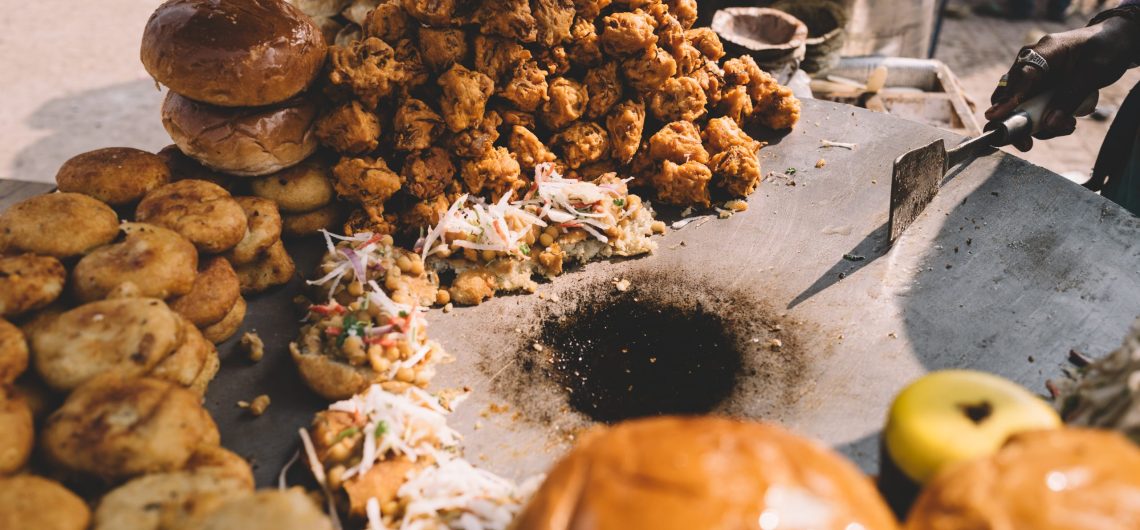
Indian street food is extraordinary — and eating it safely is entirely possible with a few guidelines. Choose stalls that are busy with local customers (high turnover = fresher food). Opt for freshly cooked hot food over items sitting at room temperature. Avoid raw salads, pre-cut fruit from street vendors, and anything that has been in contact with unfiltered water.
Some of the safest street foods for newcomers: freshly made chapati or paratha, dal and rice, samosas served hot, and anything cooked directly in front of you.
Hygiene Practices
Carry hand sanitizer (at least 60% alcohol) and use it consistently, especially before meals. Pack oral rehydration salts (ORS) in your first aid kit — they are one of the most useful items you can bring and widely available at Indian pharmacies (chemists) too.
If you do get sick, rest and rehydration handle most cases. If symptoms are severe or persist beyond 48–72 hours, seek medical advice from a reputable clinic or hospital.
Best Travel Safety Apps for India
Your smartphone is one of your most important safety tools when traveling India. Here are the apps every visitor should have installed and set up before arriving:
Google Maps — Download offline maps for your destinations before you travel. In areas with poor data connectivity (which you will encounter), offline maps are a lifesaver. Use it to verify a taxi or auto-rickshaw driver is actually taking you the right way — a simple, powerful check.
Ola & Uber — The two essential ride-hailing apps for India. Set up your payment method before you land. They work in all major cities and most mid-size towns. Always verify driver details before entering the vehicle.
WhatsApp — The primary communication app across India. Your hotel, tour operator, guide, and local contacts will almost certainly use it. It also lets you share your live location with trusted people back home during journeys — a valuable safety feature.
Google Translate — Download the Hindi language pack for offline use. While English is widely spoken in tourist areas, having basic translation capability in smaller towns, rural areas, and medical situations is genuinely useful. The camera translation feature (point your camera at text) is particularly handy.
IRCTC Rail Connect — The official Indian Railways booking app. Use it to book train tickets, check PNR status, and track train running status in real time. Essential for any train-based itinerary.
MakeMyTrip or Goibibo — For booking verified hotels, buses, and flights within India. Reading recent traveler reviews on these platforms before booking accommodation is one of the easiest safety checks you can do.
Digital Safety Tips for Travelers in India
India’s cities are connected, but digital hygiene matters just as much on the road as physical safety.
Public Wi-Fi Safety
Free Wi-Fi is available at airports, cafés, hotels, and some railway stations across India. However, never use public Wi-Fi for banking, accessing email accounts, or logging into sensitive accounts without a VPN. Download a reputable VPN app (ExpressVPN, NordVPN, or Proton VPN are popular with travelers) and activate it whenever you connect to public networks.
ATM and Card Precautions
Beyond the physical tips mentioned earlier: check your bank statements regularly during your trip. Set up transaction alerts via SMS or app notifications so you know immediately if your card is used unexpectedly. If you notice a fraudulent charge, contact your bank immediately — most have 24-hour international support lines.
SIM Card Security
Buying a local Indian SIM card is a smart move for any visit longer than a few days — it gives you affordable data and a local number that works reliably. Purchase SIM cards only from official Airtel, Jio, or Vi (Vodafone Idea) stores or authorized retailers. Avoid buying SIM cards from unofficial street vendors, as fraudulently registered SIMs can cause legal complications. You will need your passport and a passport photo for registration.
Online Payment Safety
When paying via QR codes (very common in India), always verify the payee name shown in your UPI app matches the business you are paying. Be cautious of anyone who sends you a payment “request” rather than a link — in UPI, a payment request asks you to send money, not receive it. Several tourists have been tricked into approving outgoing payments while thinking they were receiving refunds.
Solo Traveler Safety Tips in India
Is India safe for solo travelers? Yes — with the right habits in place.
Millions of backpackers, independent travelers, and digital nomads explore India solo every year and have genuinely life-changing experiences. The country has a well-worn backpacker infrastructure across its most popular routes, with hostels, guesthouses, and traveler communities that make connecting with fellow travelers easy.
Practical habits for solo travel safety in India:
Book your first night’s accommodation before arriving in any new city — arriving after dark without a confirmed address is stressful and increases your exposure to airport and station touts.
Share your itinerary with at least one trusted person at home. Check in regularly.
Use hostel common areas and traveler meetups to connect with other solo travelers — there is safety in numbers, and the knowledge sharing is invaluable.
Stay in well-reviewed accommodation. Read reviews specifically from solo travelers on platforms like Hostelworld or Booking.com.
For digital nomads, cities like Bangalore, Pune, Goa, and Mumbai have thriving co-working communities and reliable infrastructure with affordable living costs.
Solo backpacking in India is one of the world’s great travel experiences — the key is building routines that keep you oriented and connected, not isolated.
Female Traveler Safety Tips in India
Is India safe for women travelers? This question deserves a direct, honest answer.
India has faced serious scrutiny regarding women’s safety, particularly in densely populated urban areas of North India. Verbal harassment — commonly called “eve-teasing” locally — is a reality many female travelers encounter, particularly in crowded public spaces. However, tens of thousands of women travel India solo every year, including many who return repeatedly and consider it among their most rewarding travel experiences.
The difference, almost universally, comes down to preparation, route selection, and a few consistent habits.
Clothing Considerations
Dressing modestly — covering shoulders and knees — in most parts of India, especially at religious sites, in rural areas, and in conservative North Indian towns, significantly reduces unwanted attention. This is not a restriction; it is contextual awareness, the same way you would adapt your dress in any country with distinct cultural norms. In Goa, Hampi, or beach destinations, Western clothing is entirely the norm.
Carry a lightweight scarf or dupatta. It doubles as a modesty cover at temples, a sun shield, and a conversation starter with local women.
Transportation Choices
Use women-only compartments on Indian trains — every train has one, clearly marked.
On Delhi Metro, use women-only carriages during peak hours.
Default to Ola or Uber over unmarked auto-rickshaws, particularly at night. Both apps record the journey and store driver details.
Avoid traveling alone in unmarked taxis or autos after 10 PM in unfamiliar areas. If you must, share your live location with someone.
Accommodation Safety
Opt for well-reviewed guesthouses or hotels with 24-hour reception. Read recent reviews from female travelers specifically — they are the most relevant signal for your experience. Always lock your room door; carry a portable door wedge or door alarm for extra security in budget accommodation.
For travelers who prefer a curated, supported experience, look into women-focused tour packages offered by reputable Indian operators — these provide guided travel designed specifically around female travelers’ comfort and safety.
Importantly: South India (Kerala, Karnataka, Tamil Nadu) and Rajasthan’s tourist towns are generally considered more comfortable for women travelers than parts of North India’s denser urban areas.
Health and Emergency Preparedness
Travel Insurance — Non-Negotiable
Do not travel to India without comprehensive travel insurance. Medical emergencies, hospitalizations, trip cancellations, and emergency evacuations can be financially devastating without coverage. Policies from providers like World Nomads, SafetyWing, or AXA are widely used by international travelers in India. Check that your policy covers adventure activities if you are planning trekking, river rafting, or motorcycle touring.
Medical Facilities
Major Indian cities — Delhi, Mumbai, Bangalore, Chennai, Hyderabad — have world-class private hospitals (Apollo, Fortis, Max Healthcare) that routinely treat international patients. However, medical facilities in rural and remote areas can be limited. The further off the beaten path you travel, the more important it is to carry a comprehensive first aid kit.
First aid kit essentials for India:
Oral rehydration salts (ORS)
Imodium or equivalent anti-diarrheal
Antiseptic cream and plasters
Insect repellent (DEET-based for dengue and malaria risk areas)
Sunscreen (SPF 50+)
Personal prescription medications (with original packaging)
Basic antihistamine
Get recommended vaccinations at least 4–6 weeks before departure. Common recommendations include Hepatitis A, Typhoid, and Tetanus. Consult a travel health clinic for destination-specific advice on Malaria prophylaxis, Rabies, and Japanese Encephalitis.
Emergency Contacts in India — Save These Now
Emergency Service
Number
Police
100
Ambulance
102
Fire
101
Women’s Helpline
1091
All-Purpose Emergency (like 911)
112
India Tourism Helpline (Toll-Free)
1800-11-1363
Railway Helpline
139
Road Accident Emergency
1073
Save these in your phone before you leave home. Also register with your country’s embassy or consulate in India — most governments offer a free traveler registration service that enables contact in emergencies, natural disasters, or civil unrest.
Cultural Etiquette That Helps Travelers Stay Safe
Understanding local etiquette is not just good manners — it genuinely reduces friction, prevents misunderstandings, and earns you the authentic warmth India is famous for.
Respecting Local Customs
Always ask permission before photographing individuals, especially in rural areas, at temples, or during religious ceremonies.
Accept an invitation for chai graciously — it is usually genuine hospitality, not a prelude to a sales pitch. Use your judgment, but do not reflexively assume bad intent.
Never point your feet at a temple deity or directly at another person — it is considered deeply disrespectful across most of India.
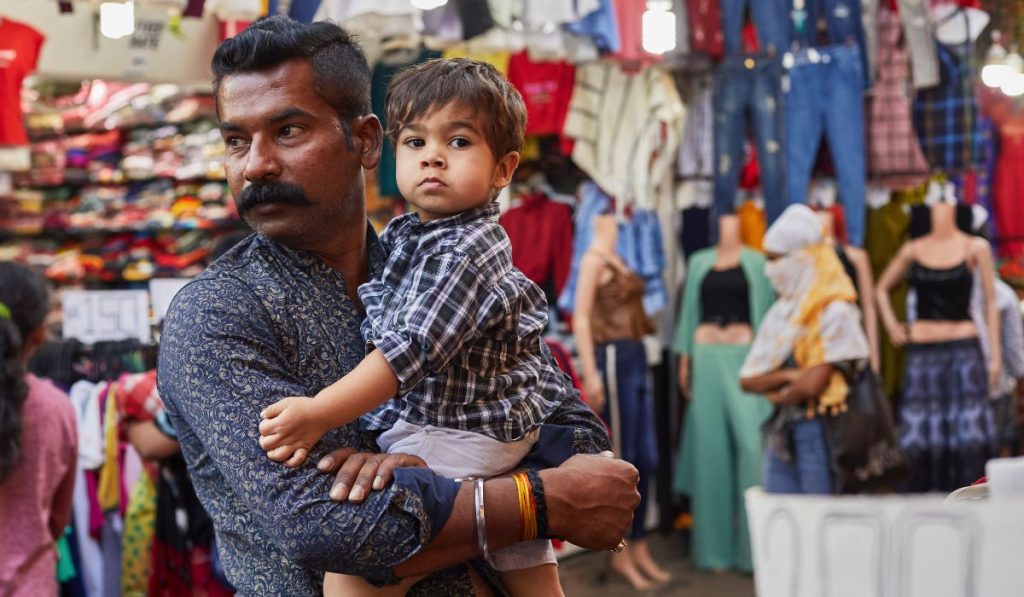
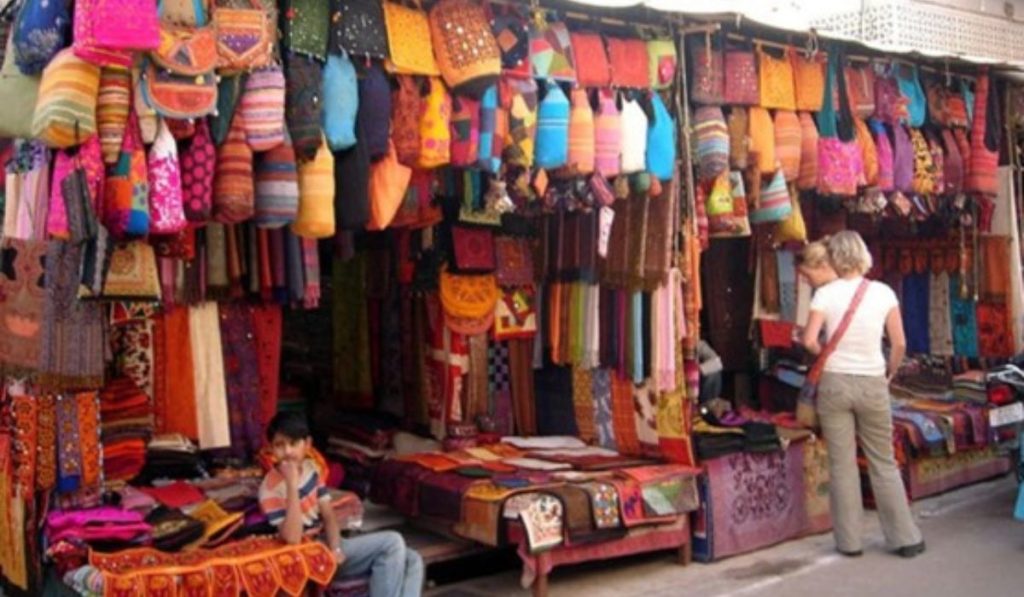
Bargaining is normal in markets — but do it good-humouredly, and if you agree on a price, honour it.
Dress Codes
Cover your shoulders and knees when entering temples, mosques, gurudwaras, and other places of worship. Many sites provide scarves or wraps at the entrance, but carrying your own lightweight scarf is always better.
Photography Etiquette
Some temples, government buildings, and military installations prohibit photography — look for signs. Never photograph people, especially women and children, without asking first. In some rural communities, being photographed is considered invasive or spiritually significant. A quick gesture and smile asking permission goes a long way — and usually results in a far better portrait anyway.
Safest Places to Visit in India for First-Time Travelers
Which cities in India are safest for tourists? Here are the best entry points, particularly for first-time visitors and solo travelers:
Jaipur, Rajasthan — The “Pink City” is one of India’s most tourist-ready destinations. Strong infrastructure, well-organized guided tours, and a rich heritage scene make it an ideal starting point. It forms one leg of the famous Golden Triangle route alongside Delhi and Agra.
Udaipur, Rajasthan — Romantic, walkable, and widely regarded as one of the safest cities in India for international tourists. The lake city atmosphere is relaxed and the tourism scene is well-developed.
Agra, Uttar Pradesh — Home to the iconic Taj Mahal. Scams near the monument are common (see the table above), but the site itself is safe. Book Taj Mahal Tour Packages from Delhi through a verified operator to eliminate the most common pain points.
Rishikesh, Uttarakhand — India’s yoga and adventure hub in the Himalayan foothills. Extremely popular with international travelers, genuinely safe, and home to a warm, globally connected community. Excellent for solo travelers.
Goa — India’s most cosmopolitan beach destination. Strong tourist infrastructure, a relaxed pace, and a culture accustomed to international visitors make it ideal for first-timers and backpackers. Exercise standard beach-town awareness around your belongings.
Kerala — Consistently rated among India’s safest states for tourism. The peaceful backwaters, outstanding food, and progressive local culture create an experience that feels welcoming from the moment you arrive.
For first-time visitors who want structure and peace of mind, exploring a curated tour package that bundles transport, accommodation, and guided support is an excellent option — especially for the first week of a longer trip.
Essential Safety Checklist Before Your Trip
Documents & Admin
Purchase comprehensive travel insurance covering medical emergencies and evacuation
Register with your country’s embassy in India
Make photocopies of passport, visa, and insurance documents (store separately from originals)
Save all Indian emergency numbers in your phone
Bookings & Logistics
Book first night’s accommodation in advance in every new city
Download and set up Ola and Uber before departure
Book train tickets via IRCTC in advance for popular routes
Inform your bank of travel dates to prevent card blocks
Health & Safety Gear
Pack first aid kit (ORS, anti-diarrheal, antiseptic, insect repellent, sunscreen)
Get recommended vaccinations 4–6 weeks before departure
Carry a money belt or hidden travel pouch
Bring a portable door wedge or alarm (solo travelers, budget accommodation)
Pack a portable power bank
Tech & Connectivity
Download offline Google Maps for all destinations
Install a VPN app for use on public Wi-Fi
Download Google Translate with Hindi offline pack
Share travel itinerary with a trusted contact at home
Cultural Preparation
Research customs for your specific destinations
Pack a lightweight scarf for temple visits and modest dressing
Check weather conditions for travel dates
Frequently Asked Questions
1. Is India safe for tourists in 2026–2027?
Yes. India remains one of the world’s most visited tourist destinations [Insert Latest Tourism Ranking Statistic Here]. The vast majority of international visitors travel without serious incident. Standard travel awareness, verified bookings, and basic cultural respect go a long way.
2. Is India safe for first-time tourists?
Absolutely, with preparation. Stick to well-traveled routes, use verified transportation, book accommodation through reputable platforms, and stay alert in crowded areas. Millions of first-time visitors travel India each year and have excellent experiences.
3. What are the most common scams in India targeting tourists?
The most prevalent scams are fake tour guides near monuments, taxi meter fraud, gem investment schemes, fake ticket offices, and the “your hotel is closed” cab diversion. Knowing these in advance removes almost all of the risk.
4. Is India safe for solo female travelers?
Yes, with specific precautions. Dress modestly in conservative areas, use women-only train compartments and metro carriages, choose reputable accommodation, prefer app-based cabs at night over unmarked autos, and trust your instincts. South India and Rajasthan’s tourist towns are generally considered most comfortable for women traveling solo.
5. Is India safe at night?
Major tourist areas and city centers are generally active and reasonably safe at night. However, traveling alone in unfamiliar areas, using unmarked transport, or walking through unlit streets late at night — in any Indian city — carries elevated risk. Use Ola or Uber after dark and stick to areas with foot traffic.
6. Is Uber safe in India?
Yes. Both Uber and Ola are considered safe, reliable transport options in India. They provide driver details, live route tracking, and trip history. Always verify the driver’s name and car registration before entering the vehicle.
7. Can tourists drink tap water in India?
No. Tap water is not safe to drink anywhere in India, including major cities. Always drink sealed bottled water from reputable brands, or use a UV purifier like a SteriPen. This applies to brushing teeth as well in some areas — use bottled water if uncertain.
8. What should travelers avoid in India?
Avoid drinking tap water; accepting unsolicited food, drinks, or gifts from strangers; engaging with touts at tourist sites; traveling in unmarked taxis; displaying expensive valuables in crowded public areas; and using public Wi-Fi without a VPN for sensitive tasks.
9. What should I wear in India?
Dress modestly in most parts of India — covering shoulders and knees is advised, especially at religious sites, in rural areas, and in conservative towns. In beach destinations like Goa, Western casual clothing is standard. Carry a lightweight scarf as a flexible cover-up.
10. Is India safe for digital nomads?
Yes. India is a growing digital nomad destination, particularly in Bangalore, Pune, Goa, and Mumbai. These cities have strong co-working infrastructure, reliable internet, affordable cost of living, and established expat communities. Standard digital hygiene (VPN, secured devices, careful use of public Wi-Fi) applies.
11. What are the emergency numbers tourists should know in India?
12. Which cities are safest for tourists in India?
Jaipur, Udaipur, Rishikesh, Goa, and Kerala’s cities (Kochi, Thiruvananthapuram, Munnar) are consistently cited as among India’s safest and most tourist-friendly destinations. South India broadly is considered more comfortable for solo and female travelers than densely populated parts of North India.
13. How can I stay healthy while traveling in India?
Drink only sealed bottled water, eat freshly cooked food from busy stalls, carry hand sanitizer, pack oral rehydration salts, avoid raw salads from street vendors, and get vaccinations (Hepatitis A, Typhoid) at least 4–6 weeks before departure. Carry a basic first aid kit with anti-diarrheal medication.
14. Do I need travel insurance for India?
Yes — it is non-negotiable. Medical emergencies, hospitalizations, trip cancellations, and emergency evacuations can be extremely expensive without coverage. Ensure your policy covers the activities you plan (trekking, adventure sports, motorcycle travel).
15. How can I avoid scams in India as a tourist?
Awareness is your primary defence. Know the most common scam types before you arrive (see the table in this guide). Use app-based transport. Book tickets only through official channels. Do not follow strangers who approach you at tourist sites. Trust your instincts — if something feels off, it usually is. Polite but firm refusal ends most scam attempts immediately.
Conclusion: How to Stay Safe While Traveling in India
India is not a destination you simply visit — it is one you experience, fully and unforgettably. Its organized chaos and unexpected serenity, its ancient wisdom and rapid modernity, its extraordinary generosity and the occasional opportunistic scammer — all of it is woven into the fabric of the journey.
Understanding how to stay safe while traveling in India does not mean traveling fearfully. It means arriving informed, making smart choices consistently, and giving yourself the freedom to actually enjoy one of the world’s most remarkable countries.
The travelers who have the best experiences in India are rarely the bravest — they are the most prepared. They did their research, respected the culture, used smart transport, trusted their instincts, and embraced every moment of the extraordinary.
Use this guide as your foundation. When you are ready to plan your trip, browse India Tour Packages from Delhi to find the right route and experience for your travel style.
Stay curious. Stay aware. Stay kind. India will give you back far more than you bring to it.
<!-- wp:paragraph -->
<p>The moment you step off the plane and walk through the arrival gates at Indira Gandhi International Airport, something shifts. It's not just the warmth that hits you — it's everything, all at once. The smell of incense mixing with jet fuel and street food drifting in from somewhere unseen. The noise of a hundred conversations happening simultaneously in languages you've never heard. The flicker of marigold garlands at a nearby gift shop. The aunty in a turquoise sari arguing loudly with a taxi driver while her husband calmly sips tea from a tiny plastic cup, completely unbothered.</p>
<!-- /wp:paragraph -->
<!-- wp:paragraph -->
<p>You stand there with your luggage, a little jet-lagged, a little wide-eyed, and you think: <em>What is this place?</em></p>
<!-- /wp:paragraph -->
<!-- wp:paragraph -->
<p>That feeling — that beautiful, disorienting, electric feeling — is India saying hello.</p>
<!-- /wp:paragraph -->
<!-- wp:paragraph -->
<p>If you're planning your first trip to India, this article is the honest guide nobody handed you at the airport. Not the sanitized brochure version. Not the fear-mongering warnings. Just real, experience-based advice from people who've walked these streets, shared chai with strangers, and come home forever changed.</p>
<!-- /wp:paragraph -->
<!-- wp:separator -->
<hr class="wp-block-separator has-alpha-channel-opacity"/>
<!-- /wp:separator -->
<!-- wp:heading -->
<h2 class="wp-block-heading">1. India Can Feel Overwhelming at First — and That's Completely Normal</h2>
<!-- /wp:heading -->
<!-- wp:paragraph -->
<p>Let's be honest: India is a lot. The traffic doesn't flow so much as it <em>negotiates</em>. The street markets pulse with energy at ten in the morning and again at ten at night. Everywhere you look, something is happening — a wedding procession, a chai vendor, a cow sitting peacefully in the middle of a busy road like it owns the place (it does).</p>
<!-- /wp:paragraph -->
<!-- wp:paragraph -->
<p>For first-time visitors, this sensory intensity can feel overwhelming. Your nervous system, accustomed to quieter streets and more predictable environments, may take a few days to recalibrate.</p>
<!-- /wp:paragraph -->
<!-- wp:paragraph -->
<p>But here's what experienced India travelers will tell you: <em>don't fight it</em>. India isn't chaotic — it just operates at a different frequency. Once you stop expecting it to feel like home and start letting it be exactly what it is, something magical happens. The noise becomes music. The crowds become community. The chaos becomes color.</p>
<!-- /wp:paragraph -->
<!-- wp:paragraph -->
<p>Give yourself two or three days of gentle adjustment before you push into anything too intense. A quiet heritage hotel, a good meal, a slow walk — and by day three, you'll wonder how you ever found it overwhelming at all.</p>
<!-- /wp:paragraph -->
<!-- wp:separator -->
<hr class="wp-block-separator has-alpha-channel-opacity"/>
<!-- /wp:separator -->
<!-- wp:heading -->
<h2 class="wp-block-heading">2. Every Region of India Feels Like a Different Country</h2>
<!-- /wp:heading -->
<!-- wp:paragraph -->
<p>One of the most common mistakes first-time visitors make is thinking of India as one destination. It isn't. India is more like thirty countries stacked inside one border, each with its own language, food, climate, religion, architecture, and personality.</p>
<!-- /wp:paragraph -->
<!-- wp:paragraph -->
<p><strong>Delhi</strong> is ancient and ambitious — Mughal ruins next to gleaming shopping malls, Old Delhi's labyrinthine lanes against the sweeping boulevards of Lutyens' city.</p>
<!-- /wp:paragraph -->
<!-- wp:paragraph -->
<p><strong>Rajasthan</strong> is a fever dream of desert sunsets, camel shadows on sand dunes, and palace hotels where maharajas once held court. Jaipur, Jodhpur, Udaipur — every city here has a colour of its own.</p>
<!-- /wp:paragraph -->
<!-- wp:paragraph -->
<p><strong>Kerala</strong> is the opposite of Rajasthan in almost every way — lush, green, unhurried, with backwaters threading through coconut groves and a cuisine so fresh and coconut-forward it's practically a different food culture entirely.</p>
<!-- /wp:paragraph -->
<!-- wp:paragraph -->
<p><strong>Goa</strong> is beach bars and colonial Portuguese architecture and a laid-back energy that feels almost Mediterranean. <strong>Mumbai</strong> is all ambition and salt air and Bollywood dreams. <strong>Varanasi</strong> is something else entirely — ancient beyond words, spiritual to its core, the kind of place that rewires something deep inside you.</p>
<!-- /wp:paragraph -->
<!-- wp:paragraph -->
<p>If this is your first visit to India, the <strong>Golden Triangle</strong> — Delhi, Agra, and Jaipur — gives you a beautifully curated introduction to the country's history, food, and culture without overwhelming you. It's the perfect starting point.</p>
<!-- /wp:paragraph -->
<!-- wp:separator -->
<hr class="wp-block-separator has-alpha-channel-opacity"/>
<!-- /wp:separator -->
<!-- wp:heading -->
<h2 class="wp-block-heading">3. Indian Hospitality Will Catch You Off Guard</h2>
<!-- /wp:heading -->
<!-- wp:paragraph -->
<p>Nobody warned me about this part. About how a shopkeeper in Jaipur would insist I sit and have chai before looking at a single thing in his store. About how a family in Varanasi would invite me to share their dinner on a rooftop overlooking the Ganges — no agenda, just genuine warmth.</p>
<!-- /wp:paragraph -->
<!-- wp:paragraph -->
<p>Indian people are extraordinarily curious about foreign visitors. You will be asked where you're from, whether you're married, how many children you have, and what you think of India — often within the first five minutes of meeting someone. It's not intrusiveness. It's genuine interest.</p>
<!-- /wp:paragraph -->
<!-- wp:paragraph -->
<p>You'll be pulled into selfies. You'll be offered fruit on train journeys by strangers who speak no English but communicate entirely through smiles and gestures. A temple priest will explain a ritual you didn't ask about because he wants you to understand, not because he wants anything in return.</p>
<!-- /wp:paragraph -->
<!-- wp:paragraph -->
<p><strong>Embrace it.</strong> This warmth is not a performance for tourists — it's simply how people are here. Accept the chai. Pose for the photos. Answer the questions. Some of the most memorable conversations of your life will happen in these unscripted moments.</p>
<!-- /wp:paragraph -->
<!-- wp:separator -->
<hr class="wp-block-separator has-alpha-channel-opacity"/>
<!-- /wp:separator -->
<!-- wp:heading -->
<h2 class="wp-block-heading">4. The Traffic Looks Chaotic but Actually Has Its Own Logic</h2>
<!-- /wp:heading -->
<!-- wp:paragraph -->
<p>The first time you sit in a tuk-tuk in Delhi traffic, you will grip the side rail and question every decision that led you to this moment. Scooters threading between buses. Pedestrians stepping into oncoming traffic with the calm confidence of people who have done this a thousand times. A cow, utterly serene, occupying the center lane.</p>
<!-- /wp:paragraph -->
<!-- wp:paragraph -->
<p>And yet — almost magically — it works.</p>
<!-- /wp:paragraph -->
<!-- wp:paragraph -->
<p>Indian traffic operates on a system of constant, democratic negotiation. The honking isn't aggression; it's communication. A short beep means <em>I'm here</em>. A long one means <em>I'm coming through</em>. Everyone is announcing themselves, and somehow, everyone adjusts.</p>
<!-- /wp:paragraph -->
<!-- wp:paragraph -->
<p><strong>Practical tips for navigating India's roads:</strong></p>
<!-- /wp:paragraph -->
<!-- wp:list -->
<ul class="wp-block-list"><!-- wp:list-item -->
<li><strong>Use Uber or Ola</strong> for metered, predictable rides in most major cities. It removes pricing negotiations entirely.</li>
<!-- /wp:list-item -->
<!-- wp:list-item -->
<li><strong>Hire a trusted private driver</strong> for longer day trips or inter-city travel. Your hotel concierge or a reputable tour company can arrange this.</li>
<!-- /wp:list-item -->
<!-- wp:list-item -->
<li><strong>Book a private tour with a licensed guide</strong> — especially in cities like Delhi, Agra, and Jaipur — and you'll move through the chaos with someone who knows exactly where they're going.</li>
<!-- /wp:list-item -->
<!-- wp:list-item -->
<li><strong>Look both ways twice</strong> before crossing any street. Then look again.</li>
<!-- /wp:list-item --></ul>
<!-- /wp:list -->
<!-- wp:paragraph -->
<p>Crossing roads as a pedestrian in India is genuinely an art form. Walk confidently, make eye contact with oncoming drivers, and move at a steady pace — erratic movements are what cause problems.</p>
<!-- /wp:paragraph -->
<!-- wp:separator -->
<hr class="wp-block-separator has-alpha-channel-opacity"/>
<!-- /wp:separator -->
<!-- wp:heading -->
<h2 class="wp-block-heading">5. Your Stomach May Need a Week to Adjust</h2>
<!-- /wp:heading -->
<!-- wp:paragraph -->
<p>Indian food is extraordinary. It's also, for many first-time visitors, a significant adjustment.</p>
<!-- /wp:paragraph -->
<!-- wp:paragraph -->
<p>The spice levels are real. The richness of certain dishes can be intense. And the sheer variety — hundreds of regional cuisines, street foods, and culinary traditions — means there's no single "Indian food experience" to prepare for.</p>
<!-- /wp:paragraph -->
<!-- wp:paragraph -->
<p><strong>A few practical guidelines:</strong></p>
<!-- /wp:paragraph -->
<!-- wp:list -->
<ul class="wp-block-list"><!-- wp:list-item -->
<li><strong>Drink only bottled or filtered water.</strong> Tap water is not safe for foreign visitors. This is non-negotiable. Check that bottle seals are intact before drinking.</li>
<!-- /wp:list-item -->
<!-- wp:list-item -->
<li><strong>Start conservatively.</strong> For the first few days, stick to hotel breakfasts and established restaurants. Let your gut settle before you dive into street food.</li>
<!-- /wp:list-item -->
<!-- wp:list-item -->
<li><strong>Street food can be incredible</strong> — but choose stalls that are busy, use fresh ingredients cooked in front of you, and avoid anything sitting out for long periods.</li>
<!-- /wp:list-item -->
<!-- wp:list-item -->
<li><strong>Carry basic digestive medication</strong> — probiotics, oral rehydration salts, and a mild antidiarrheal. Most trips are fine, but it's sensible to be prepared.</li>
<!-- /wp:list-item -->
<!-- wp:list-item -->
<li><strong>Tell restaurants your spice tolerance clearly.</strong> <em>"Mild please"</em> is understood everywhere. Some places will test this boundary — feel free to repeat yourself.</li>
<!-- /wp:list-item --></ul>
<!-- /wp:list -->
<!-- wp:paragraph -->
<p>The food in India is one of the great joys of traveling here. Approach it with curiosity and a little caution, and it will reward you endlessly.</p>
<!-- /wp:paragraph -->
<!-- wp:separator -->
<hr class="wp-block-separator has-alpha-channel-opacity"/>
<!-- /wp:separator -->
<!-- wp:heading -->
<h2 class="wp-block-heading">6. Time Works Differently in India — Learn to Love It</h2>
<!-- /wp:heading -->
<!-- wp:paragraph -->
<p>If you're the kind of traveler who schedules every hour and measures the day in checkboxes, India will lovingly destroy you.</p>
<!-- /wp:paragraph -->
<!-- wp:paragraph -->
<p>Things run late here. Construction projects, traffic delays, a conversation that extended well beyond its intended length — time in India is more of a suggestion than a contract. The phrase <em>"coming soon"</em> can mean anything from five minutes to fifty.</p>
<!-- /wp:paragraph -->
<!-- wp:paragraph -->
<p>This is not disorganization. It's a different relationship with time — one rooted in prioritizing people and present moments over rigid schedules.</p>
<!-- /wp:paragraph -->
<!-- wp:paragraph -->
<p><strong>How to make it work for you:</strong></p>
<!-- /wp:paragraph -->
<!-- wp:list -->
<ul class="wp-block-list"><!-- wp:list-item -->
<li>Build buffer time into every day. Don't plan more than two or three major activities.</li>
<!-- /wp:list-item -->
<!-- wp:list-item -->
<li>Practice the art of waiting without frustration. Bring a book. Talk to someone.</li>
<!-- /wp:list-item -->
<!-- wp:list-item -->
<li><strong>Book organized tours with reputable companies</strong> — this genuinely reduces logistical stress. A professional guide who knows the roads, the sites, and the timings means you spend your energy experiencing India, not managing it.</li>
<!-- /wp:list-item --></ul>
<!-- /wp:list -->
<!-- wp:paragraph -->
<p>The traveler who makes peace with India's relationship with time has a far richer trip than the one who spends it checking their watch.</p>
<!-- /wp:paragraph -->
<!-- wp:separator -->
<hr class="wp-block-separator has-alpha-channel-opacity"/>
<!-- /wp:separator -->
<!-- wp:heading -->
<h2 class="wp-block-heading">7. Dressing Respectfully Opens Doors</h2>
<!-- /wp:heading -->
<!-- wp:paragraph -->
<p>India is a deeply diverse country religiously, and dressing modestly at sacred sites is not a suggestion — it's a genuine mark of respect.</p>
<!-- /wp:paragraph -->
<!-- wp:paragraph -->
<p>Whether you're visiting a Hindu temple, a Sikh gurdwara, a Jain mandir, or a mosque, modest clothing is expected. Shoulders and knees should be covered. Many sites provide wraps or scarves at the entrance if you need one — but it's better to come prepared.</p>
<!-- /wp:paragraph -->
<!-- wp:paragraph -->
<p><strong>Simple guidelines:</strong></p>
<!-- /wp:paragraph -->
<!-- wp:list -->
<ul class="wp-block-list"><!-- wp:list-item -->
<li>Pack lightweight linen trousers and loose cotton shirts or kurtas — they're comfortable in the heat and appropriate everywhere.</li>
<!-- /wp:list-item -->
<!-- wp:list-item -->
<li>Women will feel more comfortable in looser, longer clothing in many parts of India, particularly in more conservative areas and smaller towns.</li>
<!-- /wp:list-item -->
<!-- wp:list-item -->
<li><strong>Always remove your shoes before entering temples, mosques, and many traditional homes.</strong> You'll usually see a pile of footwear at the entrance — follow the cue.</li>
<!-- /wp:list-item -->
<!-- wp:list-item -->
<li>A light scarf is one of the most versatile things you can carry — sun protection, temple cover, impromptu picnic blanket.</li>
<!-- /wp:list-item --></ul>
<!-- /wp:list -->
<!-- wp:paragraph -->
<p>Dressing respectfully also tends to draw more genuine interactions. Locals notice and appreciate it.</p>
<!-- /wp:paragraph -->
<!-- wp:image {"id":2113,"sizeSlug":"large","linkDestination":"none"} -->
<figure class="wp-block-image size-large"><img src="https://www.tajadventureholidays.com/wp-content/uploads/2026/05/taj-mahal-sunrise-foreign-tourist-1024x597.jpg" alt="Foreign tourist sitting near the Taj Mahal during sunrise in Agra with golden morning light" class="wp-image-2113"/></figure>
<!-- /wp:image -->
<!-- wp:heading -->
<h2 class="wp-block-heading">8. India Works for Every Kind of Traveler</h2>
<!-- /wp:heading -->
<!-- wp:paragraph -->
<p>One of the most beautiful things about India is its range. This is a country where you can sleep in a ten-dollar guesthouse and have the experience of a lifetime, or check into a converted maharaja's palace and feel like royalty — and both experiences are authentically India.</p>
<!-- /wp:paragraph -->
<!-- wp:paragraph -->
<p><strong>Backpackers</strong> thrive here. Affordable guesthouses, delicious cheap meals, overnight trains, and a hostel culture that's warmer and more social than almost anywhere in Asia.</p>
<!-- /wp:paragraph -->
<!-- wp:paragraph -->
<p><strong>Luxury travelers</strong> will find India extraordinarily well-equipped for indulgent experiences. Heritage palace hotels in Rajasthan, private yoga retreats in Kerala, the legendary<a href="https://www.the-maharajas.com/"> <strong>Maharajas' Express luxury train</strong></a> crossing the subcontinent in jaw-dropping style — India's luxury travel scene is world-class and often underpriced compared to equivalent experiences in Europe or Southeast Asia.</p>
<!-- /wp:paragraph -->
<!-- wp:paragraph -->
<p><strong>Family travelers, honeymooners, solo adventurers, spiritual seekers</strong> — India has a version of itself for everyone. The key is knowing what you want from the trip and planning accordingly.</p>
<!-- /wp:paragraph -->
<!-- wp:paragraph -->
<p>First-time visitors especially benefit from a well-organized itinerary with private transfers and a knowledgeable local guide. It removes the logistical friction and lets you focus entirely on the experience.</p>
<!-- /wp:paragraph -->
<!-- wp:separator -->
<hr class="wp-block-separator has-alpha-channel-opacity"/>
<!-- /wp:separator -->
<!-- wp:heading -->
<h2 class="wp-block-heading">9. Tourist Scams Exist — But They're Easier to Avoid Than You Think</h2>
<!-- /wp:heading -->
<!-- wp:paragraph -->
<p>Every major tourist destination in the world has its share of people looking to make money from unwary visitors, and India is no exception. But the scams here are rarely sophisticated — mostly, they rely on a visitor being distracted, uninformed, or too polite to say no.</p>
<!-- /wp:paragraph -->
<!-- wp:paragraph -->
<p><strong>The most common ones to know:</strong></p>
<!-- /wp:paragraph -->
<!-- wp:list -->
<ul class="wp-block-list"><!-- wp:list-item -->
<li><strong>The "closed for government holiday" redirect</strong> — a friendly stranger tells you the attraction you want to visit is closed today and offers to take you somewhere better (which pays him commission). It almost never is closed. Verify online or with your hotel before believing anyone on the street.</li>
<!-- /wp:list-item -->
<!-- wp:list-item -->
<li><strong>Unlicensed "official" guides</strong> at major monuments who offer services and then demand inflated fees. Book licensed guides in advance.</li>
<!-- /wp:list-item -->
<!-- wp:list-item -->
<li><strong>Prepaid taxi scams</strong> at airports — avoid unlicensed taxis outside the terminal. Use the official prepaid taxi counters inside, or book a pickup in advance through your hotel or a trusted tour operator.</li>
<!-- /wp:list-item -->
<!-- wp:list-item -->
<li><strong>Gem investment schemes</strong> in Jaipur — these are elaborate, often involving genuine-seeming friendly locals. No, the gems are not a guaranteed profit. Walk away.</li>
<!-- /wp:list-item --></ul>
<!-- /wp:list -->
<!-- wp:paragraph -->
<p><strong>The best protection against all of this:</strong> book transfers, guides, and tours through a reputable travel company before you arrive. When the logistics are handled, the opening for scammers disappears.</p>
<!-- /wp:paragraph -->
<!-- wp:paragraph -->
<p>India is genuinely very safe for tourists who are alert and well-prepared. Millions of first-time foreign visitors travel here every year without incident.</p>
<!-- /wp:paragraph -->
<!-- wp:separator -->
<hr class="wp-block-separator has-alpha-channel-opacity"/>
<!-- /wp:separator -->
<!-- wp:heading -->
<h2 class="wp-block-heading">10. India Will Change You — and You Won't Fully Understand How Until You're Home</h2>
<!-- /wp:heading -->
<!-- wp:paragraph -->
<p>This is the part that's hardest to explain before you've experienced it.</p>
<!-- /wp:paragraph -->
<!-- wp:paragraph -->
<p>You're standing at the Taj Mahal at sunrise, the sky turning from grey to pale gold, and the marble begins to glow. You've seen a thousand photographs of this place — you thought you knew what to expect. You were wrong. Nothing prepares you for the moment you actually see it. The scale of it. The silence that settles over people who were talking moments ago. The feeling that you are standing inside one of the great human expressions of love, and it's more beautiful than you had words for.</p>
<!-- /wp:paragraph -->
<!-- wp:paragraph -->
<p>Or it's the Ganga Aarti in Varanasi — dozens of priests moving in synchrony on the ghats as darkness falls, fire and chanting and incense and the river stretching away into the dark. You don't need to be religious to feel something enormous in that moment.</p>
<!-- /wp:paragraph -->
<!-- wp:paragraph -->
<p>Or it's a slower thing. A conversation with a local family in Rajasthan that runs well past the language barrier. A train journey where you watch the landscape shift from desert to green over eight hours. An evening in Udaipur when the lake turns silver and you sit on a rooftop and feel, with absolute certainty, that you are somewhere rare.</p>
<!-- /wp:paragraph -->
<!-- wp:paragraph -->
<p>India asks something of you. It asks you to let go of your assumptions, your comfort, your need for everything to be familiar and controlled. In return, it gives you something that very few other places on earth can offer — a confrontation with the full, wild, extraordinary spectrum of what being human actually means.</p>
<!-- /wp:paragraph -->
<!-- wp:paragraph -->
<p>You will leave India changed. Not necessarily because of any single moment — but because of the accumulation of all of them. The chai you didn't ask for. The temple you didn't plan to enter. The stranger who became, for twenty minutes on a train platform, someone you will never forget.</p>
<!-- /wp:paragraph -->
<!-- wp:paragraph -->
<p>Plan the trip. Get on the plane. Say yes to India.</p>
<!-- /wp:paragraph -->
<!-- wp:image {"id":2115,"sizeSlug":"large","linkDestination":"none"} -->
<figure class="wp-block-image size-large"><img src="https://www.tajadventureholidays.com/wp-content/uploads/2026/05/india-street-life-foreign-tourists-1024x597.jpg" alt="Foreign tourists walking through a crowded Indian street with cows, tuk tuks, and local market atmosphere" class="wp-image-2115"/></figure>
<!-- /wp:image -->
<!-- wp:heading -->
<h2 class="wp-block-heading">Frequently Asked Questions</h2>
<!-- /wp:heading -->
<!-- wp:heading {"level":3} -->
<h3 class="wp-block-heading">Is India safe for first-time travelers?</h3>
<!-- /wp:heading -->
<!-- wp:paragraph -->
<p>Yes — India is very safe for first-time travelers who take standard precautions. Millions of foreign tourists visit every year without incident. Use reputable transport, book tours through licensed operators, stay in well-reviewed accommodations, and stay alert in crowded areas. Common-sense awareness covers most situations.</p>
<!-- /wp:paragraph -->
<!-- wp:heading {"level":3} -->
<h3 class="wp-block-heading">What should tourists avoid doing in India?</h3>
<!-- /wp:heading -->
<!-- wp:paragraph -->
<p>Avoid drinking tap water. Don't accept unsolicited help from strangers at major tourist sites (they typically expect payment). Don't disrespect religious customs at temples and mosques. Avoid photographing people, military installations, or religious ceremonies without permission. Don't change money with unauthorized dealers on the street.</p>
<!-- /wp:paragraph -->
<!-- wp:heading {"level":3} -->
<h3 class="wp-block-heading">Can foreigners drink tap water in India?</h3>
<!-- /wp:heading -->
<!-- wp:paragraph -->
<p>No. Always drink bottled water with a sealed cap, or filtered/boiled water. This applies to brushing teeth, too, in many areas. Most hotels and restaurants catering to international tourists will provide safe drinking water.</p>
<!-- /wp:paragraph -->
<!-- wp:heading {"level":3} -->
<h3 class="wp-block-heading">What is the best month to visit India?</h3>
<!-- /wp:heading -->
<!-- wp:paragraph -->
<p>October to March is generally the best period for most of India — cooler temperatures, lower humidity, and dry conditions make sightseeing far more comfortable. For the Golden Triangle (Delhi, Agra, Jaipur), November to February is ideal. Summer (April to June) is very hot. Monsoon season (July to September) brings rain but also lush landscapes — it's a different and beautiful experience if you're prepared for it.</p>
<!-- /wp:paragraph -->
<!-- wp:heading {"level":3} -->
<h3 class="wp-block-heading">Is India expensive for tourists?</h3>
<!-- /wp:heading -->
<!-- wp:paragraph -->
<p>India offers extraordinary value for money. Budget travelers can live very comfortably on $30–$50 per day. Mid-range travel with comfortable hotels and private transport runs $80–$150 per day. Luxury travel — palace hotels, private guides, premium trains — is significantly cheaper than equivalent experiences in Europe, often at a fraction of the cost for world-class service.</p>
<!-- /wp:paragraph -->
<!-- wp:heading {"level":3} -->
<h3 class="wp-block-heading">What should women wear in India?</h3>
<!-- /wp:heading -->
<!-- wp:paragraph -->
<p>Lightweight, loose-fitting clothing that covers shoulders and knees is ideal — it's comfortable in the heat, appropriate at religious sites, and generally reduces unwanted attention in more conservative areas. Kurtas (traditional Indian tunics) are excellent — cool, modest, and widely available. A light scarf is always useful. In resort areas like Goa, Western clothing is completely normal.</p>
<!-- /wp:paragraph -->
<!-- wp:heading {"level":3} -->
<h3 class="wp-block-heading">Is India good for solo travelers?</h3>
<!-- /wp:heading -->
<!-- wp:paragraph -->
<p>Absolutely. India has a thriving solo travel culture, and the warmth of local hospitality means you're rarely alone for long. Solo women travelers should exercise standard urban caution — stay in well-reviewed accommodations, use reputable transport, share itineraries with someone at home, and trust their instincts in unfamiliar situations. Many solo female travelers report India as one of their most memorable and positive travel experiences when well-planned.</p>
<!-- /wp:paragraph -->
<!-- wp:separator -->
<hr class="wp-block-separator has-alpha-channel-opacity"/>
<!-- /wp:separator -->
<!-- wp:heading -->
<h2 class="wp-block-heading">Ready to Experience India?</h2>
<!-- /wp:heading -->
<!-- wp:paragraph -->
<p>India doesn't reveal itself to you all at once. It gives you pieces — a color here, a conversation there, a moment at sunset that catches you completely off guard — and over days and weeks, those pieces arrange themselves into something you couldn't have imagined before you arrived.</p>
<!-- /wp:paragraph -->
<!-- wp:paragraph -->
<p>The first trip is just the beginning. Most people who visit India once find themselves planning a return before the flight home has even landed.</p>
<!-- /wp:paragraph -->
<!-- wp:paragraph -->
<p>Let <strong>Taj Adventure Holidays</strong> take care of the logistics — the transfers, the guides, the handpicked hotels, the carefully designed itineraries for our <a href="https://www.tajadventureholidays.com/india-golden-triangle-tour-packages/">Golden Triangle Tours</a>, <a href="https://www.tajadventureholidays.com/jaipur-tour-packages/">Rajasthan Tours</a>, <a href="https://www.tajadventureholidays.com/taj-mahal-tour-packages-from-delhi/">Taj Mahal Tours</a>, and Luxury India Experiences — so that every moment of your journey is spent exactly where it should be: fully present in one of the most extraordinary countries on earth.</p>
<!-- /wp:paragraph -->
<!-- wp:paragraph -->
<p><em>Come with curiosity. Leave with a story worth telling.</em></p>
<!-- /wp:paragraph -->
<!-- wp:separator -->
<hr class="wp-block-separator has-alpha-channel-opacity"/>
<!-- /wp:separator -->
<!-- wp:paragraph -->
<p><em>Taj Adventure Holidays — Crafting Authentic India Experiences for Discerning Travelers</em></p>
<!-- /wp:paragraph -->
The moment you step off the plane and walk through the arrival gates at Indira Gandhi International Airport, something shifts. It’s not just the warmth that hits you — it’s everything, all at once. The smell of incense mixing with jet fuel and street food drifting in from somewhere unseen. The noise of a hundred conversations happening simultaneously in languages you’ve never heard. The flicker of marigold garlands at a nearby gift shop. The aunty in a turquoise sari arguing loudly with a taxi driver while her husband calmly sips tea from a tiny plastic cup, completely unbothered.
You stand there with your luggage, a little jet-lagged, a little wide-eyed, and you think: What is this place?
That feeling — that beautiful, disorienting, electric feeling — is India saying hello.
If you’re planning your first trip to India, this article is the honest guide nobody handed you at the airport. Not the sanitized brochure version. Not the fear-mongering warnings. Just real, experience-based advice from people who’ve walked these streets, shared chai with strangers, and come home forever changed.
1. India Can Feel Overwhelming at First — and That’s Completely Normal
Let’s be honest: India is a lot. The traffic doesn’t flow so much as it negotiates. The street markets pulse with energy at ten in the morning and again at ten at night. Everywhere you look, something is happening — a wedding procession, a chai vendor, a cow sitting peacefully in the middle of a busy road like it owns the place (it does).
For first-time visitors, this sensory intensity can feel overwhelming. Your nervous system, accustomed to quieter streets and more predictable environments, may take a few days to recalibrate.
But here’s what experienced India travelers will tell you: don’t fight it. India isn’t chaotic — it just operates at a different frequency. Once you stop expecting it to feel like home and start letting it be exactly what it is, something magical happens. The noise becomes music. The crowds become community. The chaos becomes color.
Give yourself two or three days of gentle adjustment before you push into anything too intense. A quiet heritage hotel, a good meal, a slow walk — and by day three, you’ll wonder how you ever found it overwhelming at all.
2. Every Region of India Feels Like a Different Country
One of the most common mistakes first-time visitors make is thinking of India as one destination. It isn’t. India is more like thirty countries stacked inside one border, each with its own language, food, climate, religion, architecture, and personality.
Delhi is ancient and ambitious — Mughal ruins next to gleaming shopping malls, Old Delhi’s labyrinthine lanes against the sweeping boulevards of Lutyens’ city.
Rajasthan is a fever dream of desert sunsets, camel shadows on sand dunes, and palace hotels where maharajas once held court. Jaipur, Jodhpur, Udaipur — every city here has a colour of its own.
Kerala is the opposite of Rajasthan in almost every way — lush, green, unhurried, with backwaters threading through coconut groves and a cuisine so fresh and coconut-forward it’s practically a different food culture entirely.
Goa is beach bars and colonial Portuguese architecture and a laid-back energy that feels almost Mediterranean. Mumbai is all ambition and salt air and Bollywood dreams. Varanasi is something else entirely — ancient beyond words, spiritual to its core, the kind of place that rewires something deep inside you.
If this is your first visit to India, the Golden Triangle — Delhi, Agra, and Jaipur — gives you a beautifully curated introduction to the country’s history, food, and culture without overwhelming you. It’s the perfect starting point.
3. Indian Hospitality Will Catch You Off Guard
Nobody warned me about this part. About how a shopkeeper in Jaipur would insist I sit and have chai before looking at a single thing in his store. About how a family in Varanasi would invite me to share their dinner on a rooftop overlooking the Ganges — no agenda, just genuine warmth.
Indian people are extraordinarily curious about foreign visitors. You will be asked where you’re from, whether you’re married, how many children you have, and what you think of India — often within the first five minutes of meeting someone. It’s not intrusiveness. It’s genuine interest.
You’ll be pulled into selfies. You’ll be offered fruit on train journeys by strangers who speak no English but communicate entirely through smiles and gestures. A temple priest will explain a ritual you didn’t ask about because he wants you to understand, not because he wants anything in return.
Embrace it. This warmth is not a performance for tourists — it’s simply how people are here. Accept the chai. Pose for the photos. Answer the questions. Some of the most memorable conversations of your life will happen in these unscripted moments.
4. The Traffic Looks Chaotic but Actually Has Its Own Logic
The first time you sit in a tuk-tuk in Delhi traffic, you will grip the side rail and question every decision that led you to this moment. Scooters threading between buses. Pedestrians stepping into oncoming traffic with the calm confidence of people who have done this a thousand times. A cow, utterly serene, occupying the center lane.
And yet — almost magically — it works.
Indian traffic operates on a system of constant, democratic negotiation. The honking isn’t aggression; it’s communication. A short beep means I’m here. A long one means I’m coming through. Everyone is announcing themselves, and somehow, everyone adjusts.
Practical tips for navigating India’s roads:
Use Uber or Ola for metered, predictable rides in most major cities. It removes pricing negotiations entirely.
Hire a trusted private driver for longer day trips or inter-city travel. Your hotel concierge or a reputable tour company can arrange this.
Book a private tour with a licensed guide — especially in cities like Delhi, Agra, and Jaipur — and you’ll move through the chaos with someone who knows exactly where they’re going.
Look both ways twice before crossing any street. Then look again.
Crossing roads as a pedestrian in India is genuinely an art form. Walk confidently, make eye contact with oncoming drivers, and move at a steady pace — erratic movements are what cause problems.
5. Your Stomach May Need a Week to Adjust
Indian food is extraordinary. It’s also, for many first-time visitors, a significant adjustment.
The spice levels are real. The richness of certain dishes can be intense. And the sheer variety — hundreds of regional cuisines, street foods, and culinary traditions — means there’s no single “Indian food experience” to prepare for.
A few practical guidelines:
Drink only bottled or filtered water. Tap water is not safe for foreign visitors. This is non-negotiable. Check that bottle seals are intact before drinking.
Start conservatively. For the first few days, stick to hotel breakfasts and established restaurants. Let your gut settle before you dive into street food.
Street food can be incredible — but choose stalls that are busy, use fresh ingredients cooked in front of you, and avoid anything sitting out for long periods.
Carry basic digestive medication — probiotics, oral rehydration salts, and a mild antidiarrheal. Most trips are fine, but it’s sensible to be prepared.
Tell restaurants your spice tolerance clearly.“Mild please” is understood everywhere. Some places will test this boundary — feel free to repeat yourself.
The food in India is one of the great joys of traveling here. Approach it with curiosity and a little caution, and it will reward you endlessly.
6. Time Works Differently in India — Learn to Love It
If you’re the kind of traveler who schedules every hour and measures the day in checkboxes, India will lovingly destroy you.
Things run late here. Construction projects, traffic delays, a conversation that extended well beyond its intended length — time in India is more of a suggestion than a contract. The phrase “coming soon” can mean anything from five minutes to fifty.
This is not disorganization. It’s a different relationship with time — one rooted in prioritizing people and present moments over rigid schedules.
How to make it work for you:
Build buffer time into every day. Don’t plan more than two or three major activities.
Practice the art of waiting without frustration. Bring a book. Talk to someone.
Book organized tours with reputable companies — this genuinely reduces logistical stress. A professional guide who knows the roads, the sites, and the timings means you spend your energy experiencing India, not managing it.
The traveler who makes peace with India’s relationship with time has a far richer trip than the one who spends it checking their watch.
7. Dressing Respectfully Opens Doors
India is a deeply diverse country religiously, and dressing modestly at sacred sites is not a suggestion — it’s a genuine mark of respect.
Whether you’re visiting a Hindu temple, a Sikh gurdwara, a Jain mandir, or a mosque, modest clothing is expected. Shoulders and knees should be covered. Many sites provide wraps or scarves at the entrance if you need one — but it’s better to come prepared.
Simple guidelines:
Pack lightweight linen trousers and loose cotton shirts or kurtas — they’re comfortable in the heat and appropriate everywhere.
Women will feel more comfortable in looser, longer clothing in many parts of India, particularly in more conservative areas and smaller towns.
Always remove your shoes before entering temples, mosques, and many traditional homes. You’ll usually see a pile of footwear at the entrance — follow the cue.
A light scarf is one of the most versatile things you can carry — sun protection, temple cover, impromptu picnic blanket.
Dressing respectfully also tends to draw more genuine interactions. Locals notice and appreciate it.
8. India Works for Every Kind of Traveler
One of the most beautiful things about India is its range. This is a country where you can sleep in a ten-dollar guesthouse and have the experience of a lifetime, or check into a converted maharaja’s palace and feel like royalty — and both experiences are authentically India.
Backpackers thrive here. Affordable guesthouses, delicious cheap meals, overnight trains, and a hostel culture that’s warmer and more social than almost anywhere in Asia.
Luxury travelers will find India extraordinarily well-equipped for indulgent experiences. Heritage palace hotels in Rajasthan, private yoga retreats in Kerala, the legendaryMaharajas’ Express luxury train crossing the subcontinent in jaw-dropping style — India’s luxury travel scene is world-class and often underpriced compared to equivalent experiences in Europe or Southeast Asia.
Family travelers, honeymooners, solo adventurers, spiritual seekers — India has a version of itself for everyone. The key is knowing what you want from the trip and planning accordingly.
First-time visitors especially benefit from a well-organized itinerary with private transfers and a knowledgeable local guide. It removes the logistical friction and lets you focus entirely on the experience.
9. Tourist Scams Exist — But They’re Easier to Avoid Than You Think
Every major tourist destination in the world has its share of people looking to make money from unwary visitors, and India is no exception. But the scams here are rarely sophisticated — mostly, they rely on a visitor being distracted, uninformed, or too polite to say no.
The most common ones to know:
The “closed for government holiday” redirect — a friendly stranger tells you the attraction you want to visit is closed today and offers to take you somewhere better (which pays him commission). It almost never is closed. Verify online or with your hotel before believing anyone on the street.
Unlicensed “official” guides at major monuments who offer services and then demand inflated fees. Book licensed guides in advance.
Prepaid taxi scams at airports — avoid unlicensed taxis outside the terminal. Use the official prepaid taxi counters inside, or book a pickup in advance through your hotel or a trusted tour operator.
Gem investment schemes in Jaipur — these are elaborate, often involving genuine-seeming friendly locals. No, the gems are not a guaranteed profit. Walk away.
The best protection against all of this: book transfers, guides, and tours through a reputable travel company before you arrive. When the logistics are handled, the opening for scammers disappears.
India is genuinely very safe for tourists who are alert and well-prepared. Millions of first-time foreign visitors travel here every year without incident.
10. India Will Change You — and You Won’t Fully Understand How Until You’re Home
This is the part that’s hardest to explain before you’ve experienced it.
You’re standing at the Taj Mahal at sunrise, the sky turning from grey to pale gold, and the marble begins to glow. You’ve seen a thousand photographs of this place — you thought you knew what to expect. You were wrong. Nothing prepares you for the moment you actually see it. The scale of it. The silence that settles over people who were talking moments ago. The feeling that you are standing inside one of the great human expressions of love, and it’s more beautiful than you had words for.
Or it’s the Ganga Aarti in Varanasi — dozens of priests moving in synchrony on the ghats as darkness falls, fire and chanting and incense and the river stretching away into the dark. You don’t need to be religious to feel something enormous in that moment.
Or it’s a slower thing. A conversation with a local family in Rajasthan that runs well past the language barrier. A train journey where you watch the landscape shift from desert to green over eight hours. An evening in Udaipur when the lake turns silver and you sit on a rooftop and feel, with absolute certainty, that you are somewhere rare.
India asks something of you. It asks you to let go of your assumptions, your comfort, your need for everything to be familiar and controlled. In return, it gives you something that very few other places on earth can offer — a confrontation with the full, wild, extraordinary spectrum of what being human actually means.
You will leave India changed. Not necessarily because of any single moment — but because of the accumulation of all of them. The chai you didn’t ask for. The temple you didn’t plan to enter. The stranger who became, for twenty minutes on a train platform, someone you will never forget.
Plan the trip. Get on the plane. Say yes to India.
Frequently Asked Questions
Is India safe for first-time travelers?
Yes — India is very safe for first-time travelers who take standard precautions. Millions of foreign tourists visit every year without incident. Use reputable transport, book tours through licensed operators, stay in well-reviewed accommodations, and stay alert in crowded areas. Common-sense awareness covers most situations.
What should tourists avoid doing in India?
Avoid drinking tap water. Don’t accept unsolicited help from strangers at major tourist sites (they typically expect payment). Don’t disrespect religious customs at temples and mosques. Avoid photographing people, military installations, or religious ceremonies without permission. Don’t change money with unauthorized dealers on the street.
Can foreigners drink tap water in India?
No. Always drink bottled water with a sealed cap, or filtered/boiled water. This applies to brushing teeth, too, in many areas. Most hotels and restaurants catering to international tourists will provide safe drinking water.
What is the best month to visit India?
October to March is generally the best period for most of India — cooler temperatures, lower humidity, and dry conditions make sightseeing far more comfortable. For the Golden Triangle (Delhi, Agra, Jaipur), November to February is ideal. Summer (April to June) is very hot. Monsoon season (July to September) brings rain but also lush landscapes — it’s a different and beautiful experience if you’re prepared for it.
Is India expensive for tourists?
India offers extraordinary value for money. Budget travelers can live very comfortably on $30–$50 per day. Mid-range travel with comfortable hotels and private transport runs $80–$150 per day. Luxury travel — palace hotels, private guides, premium trains — is significantly cheaper than equivalent experiences in Europe, often at a fraction of the cost for world-class service.
What should women wear in India?
Lightweight, loose-fitting clothing that covers shoulders and knees is ideal — it’s comfortable in the heat, appropriate at religious sites, and generally reduces unwanted attention in more conservative areas. Kurtas (traditional Indian tunics) are excellent — cool, modest, and widely available. A light scarf is always useful. In resort areas like Goa, Western clothing is completely normal.
Is India good for solo travelers?
Absolutely. India has a thriving solo travel culture, and the warmth of local hospitality means you’re rarely alone for long. Solo women travelers should exercise standard urban caution — stay in well-reviewed accommodations, use reputable transport, share itineraries with someone at home, and trust their instincts in unfamiliar situations. Many solo female travelers report India as one of their most memorable and positive travel experiences when well-planned.
Ready to Experience India?
India doesn’t reveal itself to you all at once. It gives you pieces — a color here, a conversation there, a moment at sunset that catches you completely off guard — and over days and weeks, those pieces arrange themselves into something you couldn’t have imagined before you arrived.
The first trip is just the beginning. Most people who visit India once find themselves planning a return before the flight home has even landed.
Let Taj Adventure Holidays take care of the logistics — the transfers, the guides, the handpicked hotels, the carefully designed itineraries for our Golden Triangle Tours, Rajasthan Tours, Taj Mahal Tours, and Luxury India Experiences — so that every moment of your journey is spent exactly where it should be: fully present in one of the most extraordinary countries on earth.
Come with curiosity. Leave with a story worth telling.
Taj Adventure Holidays — Crafting Authentic India Experiences for Discerning Travelers
<!-- wp:paragraph -->
<p>My friend called me dramatic when I said Agra's food changed my life.</p>
<!-- /wp:paragraph -->
<!-- wp:paragraph -->
<p>But hear me out.</p>
<!-- /wp:paragraph -->
<!-- wp:paragraph -->
<p>I had visited the Taj Mahal expecting a quick sightseeing trip. What I didn't expect was to spend three hours after that — eating my way through lanes, dhabas, and one very fancy hotel restaurant. By the time I got back to Delhi, I was already planning my next trip to Agra. Not for the Taj. For the food.</p>
<!-- /wp:paragraph -->
<!-- wp:paragraph -->
<p>If you're heading to Agra and wondering where to eat near Taj Mahal, you are in exactly the right place. This guide covers everything — the best hole-in-the-wall snack stalls, the cosy mid-range restaurants, and the jaw-dropping fine dining spots where you eat with the Taj Mahal right in front of you.</p>
<!-- /wp:paragraph -->
<!-- wp:paragraph -->
<p>Whether you're on a shoestring budget or planning a special anniversary dinner, Agra's food scene will surprise you in the best possible way.</p>
<!-- /wp:paragraph -->
<!-- wp:paragraph -->
<p>Let's get into it.</p>
<!-- /wp:paragraph -->
<!-- wp:separator -->
<hr class="wp-block-separator has-alpha-channel-opacity"/>
<!-- /wp:separator -->
<!-- wp:heading -->
<h2 class="wp-block-heading">Top Places to Eat Near Taj Mahal — Quick Reference</h2>
<!-- /wp:heading -->
<!-- wp:paragraph -->
<p>No time to read everything? Here's your quick cheat sheet.</p>
<!-- /wp:paragraph -->
<!-- wp:heading {"level":3} -->
<h3 class="wp-block-heading">🥘 Street Food & Budget (Under ₹500 for two)</h3>
<!-- /wp:heading -->
<!-- wp:table -->
<figure class="wp-block-table"><table class="has-fixed-layout"><thead><tr><th>Place</th><th>What to Order</th><th>Best Time</th></tr></thead><tbody><tr><td>Chaat Gali, Sadar Bazaar</td><td>Gol Gappas, Dahi Bhalla, Aloo Tikki</td><td>Evening 5–8 PM</td></tr><tr><td>Deviram Sweets</td><td>Bedai, Jalebi, Chai</td><td>Early Morning</td></tr><tr><td>Panchhi Petha</td><td>Petha in all flavours</td><td>Anytime</td></tr><tr><td>East Gate Street Stalls</td><td>Papdi Chaat, Samosa</td><td>Afternoon</td></tr></tbody></table></figure>
<!-- /wp:table -->
<!-- wp:heading {"level":3} -->
<h3 class="wp-block-heading">🍛 Mid-Range Sit-Down (₹500–1,500 for two)</h3>
<!-- /wp:heading -->
<!-- wp:table -->
<figure class="wp-block-table"><table class="has-fixed-layout"><thead><tr><th>Restaurant</th><th>Cuisine</th><th>Must Try</th></tr></thead><tbody><tr><td>Pinch of Spice</td><td>Mughlai, North Indian</td><td>Dal Makhani, Butter Naan</td></tr><tr><td>Joney's Place</td><td>Cafe, Multi-cuisine</td><td>Banana Pancake, Lassi</td></tr><tr><td>Dasaprakash</td><td>South Indian Veg</td><td>Masala Dosa, Filter Coffee</td></tr><tr><td>Sheroes Hangout</td><td>Cafe</td><td>Cold Coffee, Sandwiches</td></tr></tbody></table></figure>
<!-- /wp:table -->
<!-- wp:heading {"level":3} -->
<h3 class="wp-block-heading">🥂 Fine Dining & Taj Views (₹2,500+ for two)</h3>
<!-- /wp:heading -->
<!-- wp:table -->
<figure class="wp-block-table"><table class="has-fixed-layout"><thead><tr><th>Restaurant</th><th>Highlight</th><th>Budget for Two</th></tr></thead><tbody><tr><td>Esphahan, Oberoi Amarvilas</td><td>Direct Taj Mahal view</td><td>₹6,000–10,000</td></tr><tr><td>Sky Deck, Taj Hotel</td><td>Rooftop Taj sunset views</td><td>₹2,500–4,500</td></tr><tr><td>Peshawri, ITC Mughal</td><td>Royal Mughal Dum cuisine</td><td>₹3,000–5,500</td></tr></tbody></table></figure>
<!-- /wp:table -->
<!-- wp:separator -->
<hr class="wp-block-separator has-alpha-channel-opacity"/>
<!-- /wp:separator -->
<!-- wp:heading -->
<h2 class="wp-block-heading">The Food Culture of Agra — Why It's Unlike Any Other City</h2>
<!-- /wp:heading -->
<!-- wp:paragraph -->
<p>Before we get into individual restaurants, let's talk about why Agra's food is so special.</p>
<!-- /wp:paragraph -->
<!-- wp:paragraph -->
<p>Agra was the Mughal capital for many decades. The emperors who ruled here — Babur, Akbar, Jahangir, Shah Jahan — were known for their love of great food. Royal kitchens employed hundreds of cooks. Recipes were guarded like state secrets. The art of <strong>dum cooking</strong> — slow-cooking meat and spices in sealed clay pots — was perfected right here.</p>
<!-- /wp:paragraph -->
<!-- wp:paragraph -->
<p>That legacy survives today. When you eat at a good restaurant in Agra near Taj Mahal, you're tasting food that has been refined over centuries.</p>
<!-- /wp:paragraph -->
<!-- wp:paragraph -->
<p>But Agra is also a modern, growing city. Street food vendors have their own legacy — passed down through generations of family recipes. And with thousands of foreign tourists visiting every day, the city has also developed excellent cafes and international-friendly menus.</p>
<!-- /wp:paragraph -->
<!-- wp:paragraph -->
<p>The result? A food scene that is rich, diverse, and deeply rooted in history.</p>
<!-- /wp:paragraph -->
<!-- wp:separator -->
<hr class="wp-block-separator has-alpha-channel-opacity"/>
<!-- /wp:separator -->
<!-- wp:heading -->
<h2 class="wp-block-heading">Street Food Near Taj Mahal — The Real Agra Experience</h2>
<!-- /wp:heading -->
<!-- wp:paragraph -->
<p>Let me be very clear about something. If you skip the street food in Agra, you've missed half the city.</p>
<!-- /wp:paragraph -->
<!-- wp:paragraph -->
<p>The best <strong>street food near Taj Mahal</strong> is found in the lanes around Sadar Bazaar and near the East Gate of the Taj. Here's what you absolutely must try.</p>
<!-- /wp:paragraph -->
<!-- wp:heading {"level":3} -->
<h3 class="wp-block-heading">Chaat Gali — Agra's Street Food Heart</h3>
<!-- /wp:heading -->
<!-- wp:paragraph -->
<p>Chaat Gali is a famous food lane inside Sadar Bazaar, about 1.5 km from the Taj Mahal South Gate. This narrow alley is packed with chaat vendors, sweet shops, and snack stalls — many of which have been running for 30 to 40 years.</p>
<!-- /wp:paragraph -->
<!-- wp:paragraph -->
<p>Come here in the evening. The energy is incredible.</p>
<!-- /wp:paragraph -->
<!-- wp:paragraph -->
<p><strong>What to eat at Chaat Gali:</strong></p>
<!-- /wp:paragraph -->
<!-- wp:paragraph -->
<p><strong>Gol Gappas (Pani Puri)</strong> Hollow crispy balls filled with tangy spiced water and chickpeas. Each one bursts in your mouth. Try both the mint version and the sweet tamarind version.</p>
<!-- /wp:paragraph -->
<!-- wp:paragraph -->
<p><strong>Dahi Bhalla</strong> Soft lentil dumplings sitting in cool yogurt, drizzled with chutneys and topped with sev. It is creamy, tangy, and the perfect balance of textures.</p>
<!-- /wp:paragraph -->
<!-- wp:paragraph -->
<p><strong>Aloo Tikki</strong> Golden pan-fried potato patties served with green chutney and tamarind sauce. Crispy outside, soft inside. One of the most satisfying snacks you'll ever eat.</p>
<!-- /wp:paragraph -->
<!-- wp:paragraph -->
<p><strong>Papdi Chaat</strong> A crunchy, colourful mess of crackers, chickpeas, yogurt, and three kinds of chutney. It looks complicated but it tastes perfect.</p>
<!-- /wp:paragraph -->
<!-- wp:paragraph -->
<p><strong>Daulat ki Chaat</strong> <em>(Winter only — November to February)</em> A rare, once-in-a-lifetime dessert. Made from whipped milk foam, it's lighter than air, flavoured with saffron, and sold only in winter mornings. Ask locals where to find it — not every stall makes it.</p>
<!-- /wp:paragraph -->
<!-- wp:paragraph -->
<p><strong>Chaat Gali Tips:</strong></p>
<!-- /wp:paragraph -->
<!-- wp:list -->
<ul class="wp-block-list"><!-- wp:list-item -->
<li>Go between 5 PM and 8 PM for the best crowd and freshest food</li>
<!-- /wp:list-item -->
<!-- wp:list-item -->
<li>Carry ₹150–200 per person — that's enough to try 4–5 things</li>
<!-- /wp:list-item -->
<!-- wp:list-item -->
<li>Don't rush. Eat slowly. Try different stalls. Each one tastes different.</li>
<!-- /wp:list-item --></ul>
<!-- /wp:list -->
<!-- wp:separator -->
<hr class="wp-block-separator has-alpha-channel-opacity"/>
<!-- /wp:separator -->
<!-- wp:heading {"level":3} -->
<h3 class="wp-block-heading">Bedai and Jalebi — The Legendary Agra Breakfast</h3>
<!-- /wp:heading -->
<!-- wp:paragraph -->
<p>If you visit the Taj Mahal at sunrise (and you should — it's stunning), your post-sunrise meal should be Bedai and Jalebi at <strong>Deviram Sweets</strong> in Sadar Bazaar.</p>
<!-- /wp:paragraph -->
<!-- wp:paragraph -->
<p>Bedai is a deep-fried, flaky bread stuffed with spiced urad dal. It comes with a bowl of aloo sabzi — potato curry cooked in a tangy, spiced gravy. On the side, you get hot jalebis — bright orange, syrup-soaked, crispy, and absolutely addictive.</p>
<!-- /wp:paragraph -->
<!-- wp:paragraph -->
<p>This is Agra's soul food. Every local has grown up eating this. And once you try it, you'll understand why.</p>
<!-- /wp:paragraph -->
<!-- wp:paragraph -->
<p><strong>Cost:</strong> ₹40–70 per plate <strong>Location:</strong> Deviram Sweets, Sadar Bazaar</p>
<!-- /wp:paragraph -->
<!-- wp:separator -->
<hr class="wp-block-separator has-alpha-channel-opacity"/>
<!-- /wp:separator -->
<!-- wp:heading {"level":3} -->
<h3 class="wp-block-heading">Petha — Sweet, Soft, and Purely Agra</h3>
<!-- /wp:heading -->
<!-- wp:paragraph -->
<p>No guide to <strong>places to eat near Taj Mahal</strong> is complete without mentioning Petha.</p>
<!-- /wp:paragraph -->
<!-- wp:paragraph -->
<p>Petha is a candy made from ash gourd — a vegetable that grows abundantly in this region. It is white, soft, mildly sweet, and comes in over 20 flavours. Rose, coconut, chocolate, saffron, angoori — there's something for everyone.</p>
<!-- /wp:paragraph -->
<!-- wp:paragraph -->
<p><strong>Panchhi Petha</strong> is the most trusted name in the business. They've been making Petha since 1955. The shop near Agra Cantonment station is the most popular, but they have outlets across the city.</p>
<!-- /wp:paragraph -->
<!-- wp:paragraph -->
<p>Buy a box to take home. It stays fresh for 2–3 weeks and makes a wonderful gift.</p>
<!-- /wp:paragraph -->
<!-- wp:separator -->
<hr class="wp-block-separator has-alpha-channel-opacity"/>
<!-- /wp:separator -->
<!-- wp:heading -->
<h2 class="wp-block-heading">Mid-Range Restaurants in Agra Near Taj Mahal</h2>
<!-- /wp:heading -->
<!-- wp:paragraph -->
<p>After exploring the streets, sometimes you just want to sit down in a cool, clean restaurant and eat a proper meal. Here are the best mid-range restaurants in Agra near Taj Mahal.</p>
<!-- /wp:paragraph -->
<!-- wp:heading {"level":3} -->
<h3 class="wp-block-heading">Pinch of Spice</h3>
<!-- /wp:heading -->
<!-- wp:paragraph -->
<p>This is the restaurant that almost every tourist ends up at — and for very good reason.</p>
<!-- /wp:paragraph -->
<!-- wp:paragraph -->
<p>Pinch of Spice is on Fatehabad Road, close to the Taj Mahal. The menu is extensive — Mughlai, North Indian, and some Chinese options. The food is consistently good. The interiors are clean and comfortable. The service is prompt.</p>
<!-- /wp:paragraph -->
<!-- wp:paragraph -->
<p>The <strong>Dal Makhani</strong> here is one of the best I've had anywhere in India. Slow-cooked overnight, creamy, and deeply flavoured. Pair it with a buttery garlic naan and you have a meal that will make you close your eyes in contentment.</p>
<!-- /wp:paragraph -->
<!-- wp:paragraph -->
<p><strong>Average cost for two:</strong> ₹600–900 <strong>Don't miss:</strong> Dal Makhani, Murgh Mughlai, Shahi Paneer, Garlic Naan</p>
<!-- /wp:paragraph -->
<!-- wp:separator -->
<hr class="wp-block-separator has-alpha-channel-opacity"/>
<!-- /wp:separator -->
<!-- wp:heading {"level":3} -->
<h3 class="wp-block-heading">Joney's Place</h3>
<!-- /wp:heading -->
<!-- wp:paragraph -->
<p>Joney's Place doesn't look like much from the outside. It is a small, simple cafe near the Taj Mahal. But it has a loyal fan following among backpackers, solo travellers, and budget-conscious tourists.</p>
<!-- /wp:paragraph -->
<!-- wp:paragraph -->
<p>The vibe is relaxed. The menu is small. And everything tastes homemade — because it practically is.</p>
<!-- /wp:paragraph -->
<!-- wp:paragraph -->
<p>This is the kind of place where you come for breakfast, end up staying for two hours, and leave feeling completely at ease.</p>
<!-- /wp:paragraph -->
<!-- wp:paragraph -->
<p><strong>Average cost for two:</strong> ₹300–500 <strong>Don't miss:</strong> Banana pancake, Masala omelette, Fresh lime soda, Fruit bowl</p>
<!-- /wp:paragraph -->
<!-- wp:separator -->
<hr class="wp-block-separator has-alpha-channel-opacity"/>
<!-- /wp:separator -->
<!-- wp:heading {"level":3} -->
<h3 class="wp-block-heading">Dasaprakash</h3>
<!-- /wp:heading -->
<!-- wp:paragraph -->
<p>Not everyone in your travel group wants Mughlai food. Some people want a dosa. And Dasaprakash is the answer.</p>
<!-- /wp:paragraph -->
<!-- wp:paragraph -->
<p>This long-standing South Indian restaurant is a welcome surprise in the land of kebabs and biryanis. Everything is vegetarian. The dosas are crispy and golden. The sambhar is hot and well-spiced. The filter coffee is the real deal.</p>
<!-- /wp:paragraph -->
<!-- wp:paragraph -->
<p>If you're a vegetarian or just craving something lighter, this is your spot.</p>
<!-- /wp:paragraph -->
<!-- wp:paragraph -->
<p><strong>Average cost for two:</strong> ₹400–700 <strong>Don't miss:</strong> Masala Dosa, Rava Idli, Filter Coffee, Rava Kesari</p>
<!-- /wp:paragraph -->
<!-- wp:separator -->
<hr class="wp-block-separator has-alpha-channel-opacity"/>
<!-- /wp:separator -->
<!-- wp:heading {"level":3} -->
<h3 class="wp-block-heading">Sheroes Hangout</h3>
<!-- /wp:heading -->
<!-- wp:paragraph -->
<p>Sheroes Hangout is a cafe run by survivors of acid attacks. It is one of the most powerful places you'll visit in Agra — not just as a food spot, but as a human experience.</p>
<!-- /wp:paragraph -->
<!-- wp:paragraph -->
<p>The food is simple and good — sandwiches, pasta, coffee, juices, and Indian snacks. The ambience is warm and welcoming. And the pricing is by donation — you pay what you feel.</p>
<!-- /wp:paragraph -->
<!-- wp:paragraph -->
<p>Visiting Sheroes is not just about eating. It is about showing up for something that matters. Please visit with respect and leave a generous contribution.</p>
<!-- /wp:paragraph -->
<!-- wp:paragraph -->
<p><strong>Location:</strong> Near Taj Mahal East Gate <strong>Don't miss:</strong> Cold coffee, Lemon cake, Veg sandwich</p>
<!-- /wp:paragraph -->
<!-- wp:separator -->
<hr class="wp-block-separator has-alpha-channel-opacity"/>
<!-- /wp:separator -->
<!-- wp:heading -->
<h2 class="wp-block-heading">Fine Dining — Taj Mahal View Restaurants That Will Blow Your Mind</h2>
<!-- /wp:heading -->
<!-- wp:paragraph -->
<p>Now we get to the dream-level dining. These are the <strong>Taj Mahal view restaurants</strong> that make your dinner feel like an occasion.</p>
<!-- /wp:paragraph -->
<!-- wp:heading {"level":3} -->
<h3 class="wp-block-heading">Esphahan — Oberoi Amarvilas (The Crown Jewel)</h3>
<!-- /wp:heading -->
<!-- wp:paragraph -->
<p>If you ever splurge on one meal in your life, let it be here.</p>
<!-- /wp:paragraph -->
<!-- wp:paragraph -->
<p>Esphahan is the fine dining restaurant at The Oberoi Amarvilas — widely considered one of the best hotels in the world. Every table in the restaurant has an unobstructed, direct view of the Taj Mahal. The food is Mughlai and North Indian — think slow-roasted lamb, perfectly charred seekh kebabs, and saffron-scented rice dishes.</p>
<!-- /wp:paragraph -->
<!-- wp:paragraph -->
<p>Eating here at sunset or under a full moon is an experience that words genuinely cannot capture.</p>
<!-- /wp:paragraph -->
<!-- wp:paragraph -->
<p><strong>Average cost for two:</strong> ₹6,000–10,000 <strong>Tip:</strong> Reserve your table at least 2–3 days in advance. Sunset slots go very fast. <strong>Don't miss:</strong> Raan-e-Sikandari, Murgh Seekh Kebab, Shahi Tukda</p>
<!-- /wp:paragraph -->
<!-- wp:separator -->
<hr class="wp-block-separator has-alpha-channel-opacity"/>
<!-- /wp:separator -->
<!-- wp:heading {"level":3} -->
<h3 class="wp-block-heading">Sky Deck — Taj Hotel Agra</h3>
<!-- /wp:heading -->
<!-- wp:paragraph -->
<p>If Esphahan feels out of budget, Sky Deck at Taj Hotel is a brilliant alternative.</p>
<!-- /wp:paragraph -->
<!-- wp:paragraph -->
<p>This rooftop restaurant gives you sweeping views of the Taj Mahal — especially beautiful during the golden hour before sunset. The menu covers Indian, Mughlai, and continental options. The food quality is excellent and the price point is more accessible than Oberoi.</p>
<!-- /wp:paragraph -->
<!-- wp:paragraph -->
<p>It is a wonderful choice for a special dinner without the ultra-luxury price tag.</p>
<!-- /wp:paragraph -->
<!-- wp:paragraph -->
<p><strong>Average cost for two:</strong> ₹2,500–4,500 <strong>Don't miss:</strong> Tandoori Platter, Butter Chicken, Kulfi Falooda</p>
<!-- /wp:paragraph -->
<!-- wp:separator -->
<hr class="wp-block-separator has-alpha-channel-opacity"/>
<!-- /wp:separator -->
<!-- wp:heading {"level":3} -->
<h3 class="wp-block-heading">Peshawri — ITC Mughal Hotel</h3>
<!-- /wp:heading -->
<!-- wp:paragraph -->
<p>ITC Mughal is one of Agra's grandest hotels. And Peshawri, its signature restaurant, lives up to the name.</p>
<!-- /wp:paragraph -->
<!-- wp:paragraph -->
<p>The restaurant is inspired by the rustic, bold flavours of the North-West Frontier — think robust meats, smoky tandoor cooking, and rich, hearty dishes that feel deeply royal. The star of the menu is <strong>Dum Pukht</strong> cooking — meats and vegetables slow-cooked in sealed clay pots until every flavour has been absorbed completely.</p>
<!-- /wp:paragraph -->
<!-- wp:paragraph -->
<p>The ambience is grand. The service is impeccable. The food is unforgettable.</p>
<!-- /wp:paragraph -->
<!-- wp:paragraph -->
<p><strong>Average cost for two:</strong> ₹3,000–5,500 <strong>Don't miss:</strong> Dum Pukht Gosht, Dal Bukhara, Sikandari Raan, Tandoori Bread Basket</p>
<!-- /wp:paragraph -->
<!-- wp:separator -->
<hr class="wp-block-separator has-alpha-channel-opacity"/>
<!-- /wp:separator -->
<!-- wp:heading -->
<h2 class="wp-block-heading">Bob Marley Cafe — For the Chill Crowd</h2>
<!-- /wp:heading -->
<!-- wp:paragraph -->
<p>Not every meal needs to be a grand affair. Sometimes you just want to sit somewhere comfortable, put on your headphones, and eat a decent burger.</p>
<!-- /wp:paragraph -->
<!-- wp:paragraph -->
<p>Bob Marley Cafe, near the Taj Mahal, is that place. The decor is colourful and relaxed. The menu mixes Indian and continental snacks. The lassi is cold and thick. And the atmosphere is the kind that makes you stay longer than you planned.</p>
<!-- /wp:paragraph -->
<!-- wp:paragraph -->
<p>Great for solo travellers, young couples, or anyone who just wants to decompress after a long day of sightseeing.</p>
<!-- /wp:paragraph -->
<!-- wp:paragraph -->
<p><strong>Average cost for two:</strong> ₹300–500 <strong>Don't miss:</strong> Lassi, Veg Burger, Masala Chai, Nachos</p>
<!-- /wp:paragraph -->
<!-- wp:separator -->
<hr class="wp-block-separator has-alpha-channel-opacity"/>
<!-- /wp:separator -->
<!-- wp:heading -->
<h2 class="wp-block-heading">Best Time to Visit These Restaurants</h2>
<!-- /wp:heading -->
<!-- wp:paragraph -->
<p>Timing matters. Here's a quick guide:</p>
<!-- /wp:paragraph -->
<!-- wp:paragraph -->
<p><strong>Morning (6–9 AM):</strong> Street food is freshest. Best time for Bedai, Jalebi, and chai. Visit before the heat sets in.</p>
<!-- /wp:paragraph -->
<!-- wp:paragraph -->
<p><strong>Lunch (12–2 PM):</strong> Most restaurants are less crowded at lunch. Great time to sit down at Pinch of Spice or Dasaprakash without a wait.</p>
<!-- /wp:paragraph -->
<!-- wp:paragraph -->
<p><strong>Evening (5–8 PM):</strong> Chaat Gali comes alive. The best time for street food exploration. Weather is cooler and the energy is electric.</p>
<!-- /wp:paragraph -->
<!-- wp:paragraph -->
<p><strong>Dinner (7:30–10 PM):</strong> Book fine dining restaurants in advance. This is peak time for Esphahan, Sky Deck, and Peshawri.</p>
<!-- /wp:paragraph -->
<!-- wp:separator -->
<hr class="wp-block-separator has-alpha-channel-opacity"/>
<!-- /wp:separator -->
<!-- wp:heading -->
<h2 class="wp-block-heading">Smart Eating Tips for Agra Tourists</h2>
<!-- /wp:heading -->
<!-- wp:paragraph -->
<p>A few things I wish someone had told me before my first trip:</p>
<!-- /wp:paragraph -->
<!-- wp:list -->
<ul class="wp-block-list"><!-- wp:list-item -->
<li><strong>Don't eat at stalls right outside the Taj gates.</strong> They are overpriced and often disappointing. Walk 5–10 minutes away for much better and cheaper food.</li>
<!-- /wp:list-item -->
<!-- wp:list-item -->
<li><strong>Carry cash.</strong> Many street stalls and smaller restaurants don't accept UPI or cards.</li>
<!-- /wp:list-item -->
<!-- wp:list-item -->
<li><strong>Drink only bottled water.</strong> Especially from street stalls and small dhabas.</li>
<!-- /wp:list-item -->
<!-- wp:list-item -->
<li><strong>Go vegetarian when in doubt.</strong> Veg dishes are generally safer at street stalls and small restaurants.</li>
<!-- /wp:list-item -->
<!-- wp:list-item -->
<li><strong>Try one new thing every meal.</strong> Agra's food variety is vast. Don't eat the same thing twice.</li>
<!-- /wp:list-item -->
<!-- wp:list-item -->
<li><strong>Eat where locals eat.</strong> If a stall has a long queue of locals, that's your best quality signal.</li>
<!-- /wp:list-item --></ul>
<!-- /wp:list -->
<!-- wp:separator -->
<hr class="wp-block-separator has-alpha-channel-opacity"/>
<!-- /wp:separator -->
<!-- wp:heading -->
<h2 class="wp-block-heading">A Day-by-Day Food Plan for Agra</h2>
<!-- /wp:heading -->
<!-- wp:paragraph -->
<p>Here's a simple eating plan to structure your Agra trip around food.</p>
<!-- /wp:paragraph -->
<!-- wp:paragraph -->
<p><strong>🌅 Sunrise (5:30–7 AM)</strong> Enter the Taj Mahal for sunrise. Spend 60–90 minutes exploring. Watch the light change on the marble.</p>
<!-- /wp:paragraph -->
<!-- wp:paragraph -->
<p><strong>🍛 Breakfast (7:30–9 AM)</strong> Head straight to Deviram Sweets in Sadar Bazaar. Order Bedai, Jalebi, and cutting chai. Sit on a plastic stool and eat like a local.</p>
<!-- /wp:paragraph -->
<!-- wp:paragraph -->
<p><strong>☕ Mid-Morning (10–11 AM)</strong> Stop at Sheroes Hangout near the East Gate for coffee and a light snack. Look around. Have a conversation.</p>
<!-- /wp:paragraph -->
<!-- wp:paragraph -->
<p><strong>🍽️ Lunch (1–2:30 PM)</strong> Sit down at Pinch of Spice. Order Dal Makhani, Shahi Paneer, and Butter Naan. Take your time.</p>
<!-- /wp:paragraph -->
<!-- wp:paragraph -->
<p><strong>🛍️ Afternoon (3–5 PM)</strong> Walk through Sadar Bazaar. Pick up Petha from Panchhi Petha. Browse the shops.</p>
<!-- /wp:paragraph -->
<!-- wp:paragraph -->
<p><strong>🌮 Evening (5:30–7:30 PM)</strong> Head into Chaat Gali. Try gol gappas, dahi bhalla, aloo tikki, and papdi chaat. Budget ₹150–200 per person.</p>
<!-- /wp:paragraph -->
<!-- wp:paragraph -->
<p><strong>🌙 Dinner (8–10 PM)</strong> If budget allows: Esphahan or Sky Deck for a Taj view dinner. If budget is moderate: A quiet dinner at Pinch of Spice or Bob Marley Cafe.</p>
<!-- /wp:paragraph -->
<!-- wp:separator -->
<hr class="wp-block-separator has-alpha-channel-opacity"/>
<!-- /wp:separator -->
<!-- wp:heading -->
<h2 class="wp-block-heading">FAQs — Eating Near Taj Mahal</h2>
<!-- /wp:heading -->
<!-- wp:paragraph -->
<p><strong>Q1. Which is the best restaurant near Taj Mahal for a special dinner?</strong> Esphahan at Oberoi Amarvilas is the ultimate choice — the food is royal and the Taj Mahal view is unmatched. For a more affordable option, Sky Deck at Taj Hotel is excellent.</p>
<!-- /wp:paragraph -->
<!-- wp:paragraph -->
<p><strong>Q2. What food is Agra most famous for?</strong> Agra is most famous for Petha (the sweet candy), Bedai-Jalebi (the classic breakfast), and Mughlai dishes like Dal Makhani and Seekh Kebabs.</p>
<!-- /wp:paragraph -->
<!-- wp:paragraph -->
<p><strong>Q3. Is there good vegetarian food near Taj Mahal?</strong> Absolutely. Dasaprakash is a fully vegetarian South Indian restaurant. Pinch of Spice has a large vegetarian menu. Most street stalls in Chaat Gali also serve vegetarian options.</p>
<!-- /wp:paragraph -->
<!-- wp:paragraph -->
<p><strong>Q4. Is street food near Taj Mahal safe to eat?</strong> Yes, if you're careful. Choose busy stalls with high turnover. Avoid raw, unpeeled items. Drink only bottled water. Most travellers enjoy street food in Agra without any issues.</p>
<!-- /wp:paragraph -->
<!-- wp:paragraph -->
<p><strong>Q5. What time do restaurants near Taj Mahal open?</strong> Street food stalls typically open from 7 AM onwards. Most restaurants open for lunch around 12 PM and for dinner from 7 PM. Fine dining restaurants like Esphahan open for dinner from 7:30 PM. Book in advance for weekend visits.</p>
<!-- /wp:paragraph -->
<!-- wp:paragraph -->
<p><strong>Q6. How much money should I budget for food in Agra per day?</strong> Budget travellers can eat very well on ₹300–500 per day. Mid-range travellers spending on sit-down restaurants should budget ₹800–1,500 per day. If you're planning a fine dining dinner at Esphahan or Peshawri, budget an additional ₹4,000–10,000 for that meal.</p>
<!-- /wp:paragraph -->
<!-- wp:separator -->
<hr class="wp-block-separator has-alpha-channel-opacity"/>
<!-- /wp:separator -->
<!-- wp:heading -->
<h2 class="wp-block-heading">Conclusion</h2>
<!-- /wp:heading -->
<!-- wp:paragraph -->
<p>There's a reason people come back to Agra again and again — and it's not just the Taj Mahal.</p>
<!-- /wp:paragraph -->
<!-- wp:paragraph -->
<p>The food in this city is a living, breathing piece of history. Every bowl of Dal Makhani carries the memory of Mughal kitchens. Every plate of chaat at Chaat Gali represents generations of a family's pride. And every bite of Petha is a little piece of Agra to take home with you.</p>
<!-- /wp:paragraph -->
<!-- wp:paragraph -->
<p>The <strong>best places to eat near Taj Mahal</strong> range from ₹30 street snacks to ₹10,000 royal dinners. But the common thread? Every single one of them is worth your time.</p>
<!-- /wp:paragraph -->
<!-- wp:paragraph -->
<p>So go hungry. Eat freely. And let Agra surprise you.</p>
<!-- /wp:paragraph -->
<!-- wp:paragraph -->
<p>Because once you've eaten here, no other city's food will ever feel quite the same.</p>
<!-- /wp:paragraph -->
My friend called me dramatic when I said Agra’s food changed my life.
But hear me out.
I had visited the Taj Mahal expecting a quick sightseeing trip. What I didn’t expect was to spend three hours after that — eating my way through lanes, dhabas, and one very fancy hotel restaurant. By the time I got back to Delhi, I was already planning my next trip to Agra. Not for the Taj. For the food.
If you’re heading to Agra and wondering where to eat near Taj Mahal, you are in exactly the right place. This guide covers everything — the best hole-in-the-wall snack stalls, the cosy mid-range restaurants, and the jaw-dropping fine dining spots where you eat with the Taj Mahal right in front of you.
Whether you’re on a shoestring budget or planning a special anniversary dinner, Agra’s food scene will surprise you in the best possible way.
Let’s get into it.
Top Places to Eat Near Taj Mahal — Quick Reference
No time to read everything? Here’s your quick cheat sheet.
🥘 Street Food & Budget (Under ₹500 for two)
Place
What to Order
Best Time
Chaat Gali, Sadar Bazaar
Gol Gappas, Dahi Bhalla, Aloo Tikki
Evening 5–8 PM
Deviram Sweets
Bedai, Jalebi, Chai
Early Morning
Panchhi Petha
Petha in all flavours
Anytime
East Gate Street Stalls
Papdi Chaat, Samosa
Afternoon
🍛 Mid-Range Sit-Down (₹500–1,500 for two)
Restaurant
Cuisine
Must Try
Pinch of Spice
Mughlai, North Indian
Dal Makhani, Butter Naan
Joney’s Place
Cafe, Multi-cuisine
Banana Pancake, Lassi
Dasaprakash
South Indian Veg
Masala Dosa, Filter Coffee
Sheroes Hangout
Cafe
Cold Coffee, Sandwiches
🥂 Fine Dining & Taj Views (₹2,500+ for two)
Restaurant
Highlight
Budget for Two
Esphahan, Oberoi Amarvilas
Direct Taj Mahal view
₹6,000–10,000
Sky Deck, Taj Hotel
Rooftop Taj sunset views
₹2,500–4,500
Peshawri, ITC Mughal
Royal Mughal Dum cuisine
₹3,000–5,500
The Food Culture of Agra — Why It’s Unlike Any Other City
Before we get into individual restaurants, let’s talk about why Agra’s food is so special.
Agra was the Mughal capital for many decades. The emperors who ruled here — Babur, Akbar, Jahangir, Shah Jahan — were known for their love of great food. Royal kitchens employed hundreds of cooks. Recipes were guarded like state secrets. The art of dum cooking — slow-cooking meat and spices in sealed clay pots — was perfected right here.
That legacy survives today. When you eat at a good restaurant in Agra near Taj Mahal, you’re tasting food that has been refined over centuries.
But Agra is also a modern, growing city. Street food vendors have their own legacy — passed down through generations of family recipes. And with thousands of foreign tourists visiting every day, the city has also developed excellent cafes and international-friendly menus.
The result? A food scene that is rich, diverse, and deeply rooted in history.
Street Food Near Taj Mahal — The Real Agra Experience
Let me be very clear about something. If you skip the street food in Agra, you’ve missed half the city.
The best street food near Taj Mahal is found in the lanes around Sadar Bazaar and near the East Gate of the Taj. Here’s what you absolutely must try.
Chaat Gali — Agra’s Street Food Heart
Chaat Gali is a famous food lane inside Sadar Bazaar, about 1.5 km from the Taj Mahal South Gate. This narrow alley is packed with chaat vendors, sweet shops, and snack stalls — many of which have been running for 30 to 40 years.
Come here in the evening. The energy is incredible.
What to eat at Chaat Gali:
Gol Gappas (Pani Puri) Hollow crispy balls filled with tangy spiced water and chickpeas. Each one bursts in your mouth. Try both the mint version and the sweet tamarind version.
Dahi Bhalla Soft lentil dumplings sitting in cool yogurt, drizzled with chutneys and topped with sev. It is creamy, tangy, and the perfect balance of textures.
Aloo Tikki Golden pan-fried potato patties served with green chutney and tamarind sauce. Crispy outside, soft inside. One of the most satisfying snacks you’ll ever eat.
Papdi Chaat A crunchy, colourful mess of crackers, chickpeas, yogurt, and three kinds of chutney. It looks complicated but it tastes perfect.
Daulat ki Chaat(Winter only — November to February) A rare, once-in-a-lifetime dessert. Made from whipped milk foam, it’s lighter than air, flavoured with saffron, and sold only in winter mornings. Ask locals where to find it — not every stall makes it.
Chaat Gali Tips:
Go between 5 PM and 8 PM for the best crowd and freshest food
Carry ₹150–200 per person — that’s enough to try 4–5 things
Don’t rush. Eat slowly. Try different stalls. Each one tastes different.
Bedai and Jalebi — The Legendary Agra Breakfast
If you visit the Taj Mahal at sunrise (and you should — it’s stunning), your post-sunrise meal should be Bedai and Jalebi at Deviram Sweets in Sadar Bazaar.
Bedai is a deep-fried, flaky bread stuffed with spiced urad dal. It comes with a bowl of aloo sabzi — potato curry cooked in a tangy, spiced gravy. On the side, you get hot jalebis — bright orange, syrup-soaked, crispy, and absolutely addictive.
This is Agra’s soul food. Every local has grown up eating this. And once you try it, you’ll understand why.
Cost: ₹40–70 per plate Location: Deviram Sweets, Sadar Bazaar
Petha — Sweet, Soft, and Purely Agra
No guide to places to eat near Taj Mahal is complete without mentioning Petha.
Petha is a candy made from ash gourd — a vegetable that grows abundantly in this region. It is white, soft, mildly sweet, and comes in over 20 flavours. Rose, coconut, chocolate, saffron, angoori — there’s something for everyone.
Panchhi Petha is the most trusted name in the business. They’ve been making Petha since 1955. The shop near Agra Cantonment station is the most popular, but they have outlets across the city.
Buy a box to take home. It stays fresh for 2–3 weeks and makes a wonderful gift.
Mid-Range Restaurants in Agra Near Taj Mahal
After exploring the streets, sometimes you just want to sit down in a cool, clean restaurant and eat a proper meal. Here are the best mid-range restaurants in Agra near Taj Mahal.
Pinch of Spice
This is the restaurant that almost every tourist ends up at — and for very good reason.
Pinch of Spice is on Fatehabad Road, close to the Taj Mahal. The menu is extensive — Mughlai, North Indian, and some Chinese options. The food is consistently good. The interiors are clean and comfortable. The service is prompt.
The Dal Makhani here is one of the best I’ve had anywhere in India. Slow-cooked overnight, creamy, and deeply flavoured. Pair it with a buttery garlic naan and you have a meal that will make you close your eyes in contentment.
Average cost for two: ₹600–900 Don’t miss: Dal Makhani, Murgh Mughlai, Shahi Paneer, Garlic Naan
Joney’s Place
Joney’s Place doesn’t look like much from the outside. It is a small, simple cafe near the Taj Mahal. But it has a loyal fan following among backpackers, solo travellers, and budget-conscious tourists.
The vibe is relaxed. The menu is small. And everything tastes homemade — because it practically is.
This is the kind of place where you come for breakfast, end up staying for two hours, and leave feeling completely at ease.
Average cost for two: ₹300–500 Don’t miss: Banana pancake, Masala omelette, Fresh lime soda, Fruit bowl
Dasaprakash
Not everyone in your travel group wants Mughlai food. Some people want a dosa. And Dasaprakash is the answer.
This long-standing South Indian restaurant is a welcome surprise in the land of kebabs and biryanis. Everything is vegetarian. The dosas are crispy and golden. The sambhar is hot and well-spiced. The filter coffee is the real deal.
If you’re a vegetarian or just craving something lighter, this is your spot.
Average cost for two: ₹400–700 Don’t miss: Masala Dosa, Rava Idli, Filter Coffee, Rava Kesari
Sheroes Hangout
Sheroes Hangout is a cafe run by survivors of acid attacks. It is one of the most powerful places you’ll visit in Agra — not just as a food spot, but as a human experience.
The food is simple and good — sandwiches, pasta, coffee, juices, and Indian snacks. The ambience is warm and welcoming. And the pricing is by donation — you pay what you feel.
Visiting Sheroes is not just about eating. It is about showing up for something that matters. Please visit with respect and leave a generous contribution.
Location: Near Taj Mahal East Gate Don’t miss: Cold coffee, Lemon cake, Veg sandwich
Fine Dining — Taj Mahal View Restaurants That Will Blow Your Mind
Now we get to the dream-level dining. These are the Taj Mahal view restaurants that make your dinner feel like an occasion.
Esphahan — Oberoi Amarvilas (The Crown Jewel)
If you ever splurge on one meal in your life, let it be here.
Esphahan is the fine dining restaurant at The Oberoi Amarvilas — widely considered one of the best hotels in the world. Every table in the restaurant has an unobstructed, direct view of the Taj Mahal. The food is Mughlai and North Indian — think slow-roasted lamb, perfectly charred seekh kebabs, and saffron-scented rice dishes.
Eating here at sunset or under a full moon is an experience that words genuinely cannot capture.
Average cost for two: ₹6,000–10,000 Tip: Reserve your table at least 2–3 days in advance. Sunset slots go very fast. Don’t miss: Raan-e-Sikandari, Murgh Seekh Kebab, Shahi Tukda
Sky Deck — Taj Hotel Agra
If Esphahan feels out of budget, Sky Deck at Taj Hotel is a brilliant alternative.
This rooftop restaurant gives you sweeping views of the Taj Mahal — especially beautiful during the golden hour before sunset. The menu covers Indian, Mughlai, and continental options. The food quality is excellent and the price point is more accessible than Oberoi.
It is a wonderful choice for a special dinner without the ultra-luxury price tag.
Average cost for two: ₹2,500–4,500 Don’t miss: Tandoori Platter, Butter Chicken, Kulfi Falooda
Peshawri — ITC Mughal Hotel
ITC Mughal is one of Agra’s grandest hotels. And Peshawri, its signature restaurant, lives up to the name.
The restaurant is inspired by the rustic, bold flavours of the North-West Frontier — think robust meats, smoky tandoor cooking, and rich, hearty dishes that feel deeply royal. The star of the menu is Dum Pukht cooking — meats and vegetables slow-cooked in sealed clay pots until every flavour has been absorbed completely.
The ambience is grand. The service is impeccable. The food is unforgettable.
Average cost for two: ₹3,000–5,500 Don’t miss: Dum Pukht Gosht, Dal Bukhara, Sikandari Raan, Tandoori Bread Basket
Bob Marley Cafe — For the Chill Crowd
Not every meal needs to be a grand affair. Sometimes you just want to sit somewhere comfortable, put on your headphones, and eat a decent burger.
Bob Marley Cafe, near the Taj Mahal, is that place. The decor is colourful and relaxed. The menu mixes Indian and continental snacks. The lassi is cold and thick. And the atmosphere is the kind that makes you stay longer than you planned.
Great for solo travellers, young couples, or anyone who just wants to decompress after a long day of sightseeing.
Average cost for two: ₹300–500 Don’t miss: Lassi, Veg Burger, Masala Chai, Nachos
Best Time to Visit These Restaurants
Timing matters. Here’s a quick guide:
Morning (6–9 AM): Street food is freshest. Best time for Bedai, Jalebi, and chai. Visit before the heat sets in.
Lunch (12–2 PM): Most restaurants are less crowded at lunch. Great time to sit down at Pinch of Spice or Dasaprakash without a wait.
Evening (5–8 PM): Chaat Gali comes alive. The best time for street food exploration. Weather is cooler and the energy is electric.
Dinner (7:30–10 PM): Book fine dining restaurants in advance. This is peak time for Esphahan, Sky Deck, and Peshawri.
Smart Eating Tips for Agra Tourists
A few things I wish someone had told me before my first trip:
Don’t eat at stalls right outside the Taj gates. They are overpriced and often disappointing. Walk 5–10 minutes away for much better and cheaper food.
Carry cash. Many street stalls and smaller restaurants don’t accept UPI or cards.
Drink only bottled water. Especially from street stalls and small dhabas.
Go vegetarian when in doubt. Veg dishes are generally safer at street stalls and small restaurants.
Try one new thing every meal. Agra’s food variety is vast. Don’t eat the same thing twice.
Eat where locals eat. If a stall has a long queue of locals, that’s your best quality signal.
A Day-by-Day Food Plan for Agra
Here’s a simple eating plan to structure your Agra trip around food.
🌅 Sunrise (5:30–7 AM) Enter the Taj Mahal for sunrise. Spend 60–90 minutes exploring. Watch the light change on the marble.
🍛 Breakfast (7:30–9 AM) Head straight to Deviram Sweets in Sadar Bazaar. Order Bedai, Jalebi, and cutting chai. Sit on a plastic stool and eat like a local.
☕ Mid-Morning (10–11 AM) Stop at Sheroes Hangout near the East Gate for coffee and a light snack. Look around. Have a conversation.
🍽️ Lunch (1–2:30 PM) Sit down at Pinch of Spice. Order Dal Makhani, Shahi Paneer, and Butter Naan. Take your time.
🛍️ Afternoon (3–5 PM) Walk through Sadar Bazaar. Pick up Petha from Panchhi Petha. Browse the shops.
🌮 Evening (5:30–7:30 PM) Head into Chaat Gali. Try gol gappas, dahi bhalla, aloo tikki, and papdi chaat. Budget ₹150–200 per person.
🌙 Dinner (8–10 PM) If budget allows: Esphahan or Sky Deck for a Taj view dinner. If budget is moderate: A quiet dinner at Pinch of Spice or Bob Marley Cafe.
FAQs — Eating Near Taj Mahal
Q1. Which is the best restaurant near Taj Mahal for a special dinner? Esphahan at Oberoi Amarvilas is the ultimate choice — the food is royal and the Taj Mahal view is unmatched. For a more affordable option, Sky Deck at Taj Hotel is excellent.
Q2. What food is Agra most famous for? Agra is most famous for Petha (the sweet candy), Bedai-Jalebi (the classic breakfast), and Mughlai dishes like Dal Makhani and Seekh Kebabs.
Q3. Is there good vegetarian food near Taj Mahal? Absolutely. Dasaprakash is a fully vegetarian South Indian restaurant. Pinch of Spice has a large vegetarian menu. Most street stalls in Chaat Gali also serve vegetarian options.
Q4. Is street food near Taj Mahal safe to eat? Yes, if you’re careful. Choose busy stalls with high turnover. Avoid raw, unpeeled items. Drink only bottled water. Most travellers enjoy street food in Agra without any issues.
Q5. What time do restaurants near Taj Mahal open? Street food stalls typically open from 7 AM onwards. Most restaurants open for lunch around 12 PM and for dinner from 7 PM. Fine dining restaurants like Esphahan open for dinner from 7:30 PM. Book in advance for weekend visits.
Q6. How much money should I budget for food in Agra per day? Budget travellers can eat very well on ₹300–500 per day. Mid-range travellers spending on sit-down restaurants should budget ₹800–1,500 per day. If you’re planning a fine dining dinner at Esphahan or Peshawri, budget an additional ₹4,000–10,000 for that meal.
Conclusion
There’s a reason people come back to Agra again and again — and it’s not just the Taj Mahal.
The food in this city is a living, breathing piece of history. Every bowl of Dal Makhani carries the memory of Mughal kitchens. Every plate of chaat at Chaat Gali represents generations of a family’s pride. And every bite of Petha is a little piece of Agra to take home with you.
The best places to eat near Taj Mahal range from ₹30 street snacks to ₹10,000 royal dinners. But the common thread? Every single one of them is worth your time.
So go hungry. Eat freely. And let Agra surprise you.
Because once you’ve eaten here, no other city’s food will ever feel quite the same.
<!-- wp:paragraph -->
<p>Most tourists arrive at the Taj Mahal unprepared. They're turned away at the gate. Or they miss the best photo spots. Or they waste an hour in security lines they didn't know existed.</p>
<!-- /wp:paragraph -->
<!-- wp:paragraph -->
<p>You don't have to be one of them.</p>
<!-- /wp:paragraph -->
<!-- wp:paragraph -->
<p>This guide covers everything — what to wear, what to carry, what's banned, and the insider tips that only experienced travellers (and expert guides) know. Read this once. Visit stress-free.</p>
<!-- /wp:paragraph -->
<!-- wp:heading -->
<h2 class="wp-block-heading">Taj Mahal Rules (Quick Answer)</h2>
<!-- /wp:heading -->
<!-- wp:paragraph -->
<p><strong>The essential rules in under 60 words:</strong></p>
<!-- /wp:paragraph -->
<!-- wp:list -->
<ul class="wp-block-list"><!-- wp:list-item -->
<li>Wear modest, comfortable clothing that covers shoulders and knees</li>
<!-- /wp:list-item -->
<!-- wp:list-item -->
<li>Remove shoes before entering the main mausoleum (free shoe covers provided)</li>
<!-- /wp:list-item -->
<!-- wp:list-item -->
<li>Photography is allowed in most areas — tripods and drones are <strong>banned</strong></li>
<!-- /wp:list-item -->
<!-- wp:list-item -->
<li>No food, tobacco, alcohol, or selfie sticks inside the complex</li>
<!-- /wp:list-item -->
<!-- wp:list-item -->
<li>Bags go through airport-style security screening</li>
<!-- /wp:list-item -->
<!-- wp:list-item -->
<li>Sunrise is the best time to visit — less crowd, magical light</li>
<!-- /wp:list-item --></ul>
<!-- /wp:list -->
<!-- wp:heading -->
<h2 class="wp-block-heading"> Taj Mahal Dress Code: What to Wear (and What Not To)</h2>
<!-- /wp:heading -->
<!-- wp:paragraph -->
<p>There's no strict religious dress code at the Taj Mahal. But this is a UNESCO World Heritage Site and a sacred mausoleum. Dressing respectfully matters — and practically, it makes your visit more comfortable too.</p>
<!-- /wp:paragraph -->
<!-- wp:heading {"level":3} -->
<h3 class="wp-block-heading">For Women</h3>
<!-- /wp:heading -->
<!-- wp:table -->
<figure class="wp-block-table"><table class="has-fixed-layout"><thead><tr><th>✅ Do Wear</th><th>❌ Avoid</th></tr></thead><tbody><tr><td>Long skirts or trousers</td><td>Shorts or mini skirts</td></tr><tr><td>Tops covering shoulders</td><td>Sleeveless tops or crop tops</td></tr><tr><td>Light cotton fabrics</td><td>Heavy or synthetic fabrics</td></tr><tr><td>Comfortable walking shoes</td><td>Heels or platform shoes</td></tr><tr><td>Scarves or shawls (handy for covering up)</td><td>Revealing beachwear-style clothing</td></tr></tbody></table></figure>
<!-- /wp:table -->
<!-- wp:paragraph -->
<p><strong>Pro tip:</strong> A light cotton dupatta or scarf is your best travel companion. It doubles as sun protection, a modesty cover, and a statement accessory for photos.</p>
<!-- /wp:paragraph -->
<!-- wp:heading {"level":3} -->
<h3 class="wp-block-heading">For Men</h3>
<!-- /wp:heading -->
<!-- wp:table -->
<figure class="wp-block-table"><table class="has-fixed-layout"><thead><tr><th>✅ Do Wear</th><th>❌ Avoid</th></tr></thead><tbody><tr><td>Trousers or chinos</td><td>Shorts (frowned upon)</td></tr><tr><td>Light collared shirts</td><td>Sleeveless vests</td></tr><tr><td>Breathable cotton clothes</td><td>Dark heavy fabrics in summer</td></tr></tbody></table></figure>
<!-- /wp:table -->
<!-- wp:heading {"level":3} -->
<h3 class="wp-block-heading">Seasonal Dress Tips</h3>
<!-- /wp:heading -->
<!-- wp:list -->
<ul class="wp-block-list"><!-- wp:list-item -->
<li><strong>October–March (Winter):</strong> Mornings can be cold. Layer up. A light jacket is useful at sunrise.</li>
<!-- /wp:list-item -->
<!-- wp:list-item -->
<li><strong>April–June (Summer):</strong> Temperatures hit 40°C+. Wear breathable cotton. Carry a water bottle.</li>
<!-- /wp:list-item -->
<!-- wp:list-item -->
<li><strong>July–September (Monsoon):</strong> Light rain is likely. A thin waterproof layer helps. Avoid white clothing — it shows dust and humidity.</li>
<!-- /wp:list-item --></ul>
<!-- /wp:list -->
<!-- wp:image {"id":2101,"sizeSlug":"large","linkDestination":"none"} -->
<figure class="wp-block-image size-large"><img src="https://www.tajadventureholidays.com/wp-content/uploads/2026/04/taj-mahal-footwear-rules-shoe-cover-1-1024x597.jpg" alt="Tourists removing shoes and wearing shoe covers at Taj Mahal marble platform." class="wp-image-2101"/></figure>
<!-- /wp:image -->
<!-- wp:heading -->
<h2 class="wp-block-heading"> Taj Mahal Footwear Rules: Where Shoes Go On and Off</h2>
<!-- /wp:heading -->
<!-- wp:paragraph -->
<p>This is the rule most tourists are surprised by.</p>
<!-- /wp:paragraph -->
<!-- wp:paragraph -->
<p><strong>You must remove your shoes</strong> before stepping onto the white marble platform of the main mausoleum — the central structure where the tombs of Shah Jahan and Mumtaz Mahal rest.</p>
<!-- /wp:paragraph -->
<!-- wp:heading {"level":3} -->
<h3 class="wp-block-heading">Where Shoes Are Allowed</h3>
<!-- /wp:heading -->
<!-- wp:list -->
<ul class="wp-block-list"><!-- wp:list-item -->
<li>The main entrance gate (Darwaza-i Rauza)</li>
<!-- /wp:list-item -->
<!-- wp:list-item -->
<li>The red sandstone pathways and gardens</li>
<!-- /wp:list-item -->
<!-- wp:list-item -->
<li>The mosque and mehman khana on either side</li>
<!-- /wp:list-item --></ul>
<!-- /wp:list -->
<!-- wp:heading {"level":3} -->
<h3 class="wp-block-heading">Where Shoes Must Come Off</h3>
<!-- /wp:heading -->
<!-- wp:list -->
<ul class="wp-block-list"><!-- wp:list-item -->
<li>The white marble plinth (platform) surrounding the Taj Mahal</li>
<!-- /wp:list-item -->
<!-- wp:list-item -->
<li>Inside the main mausoleum building</li>
<!-- /wp:list-item --></ul>
<!-- /wp:list -->
<!-- wp:heading {"level":3} -->
<h3 class="wp-block-heading">What About Shoe Covers?</h3>
<!-- /wp:heading -->
<!-- wp:paragraph -->
<p><strong>Free shoe covers are provided at the entrance to the marble platform.</strong> You can wear them over your shoes if you prefer not to remove them. Most visitors find it easier to just remove their shoes and carry them.</p>
<!-- /wp:paragraph -->
<!-- wp:heading {"level":3} -->
<h3 class="wp-block-heading">Practical Footwear Hacks</h3>
<!-- /wp:heading -->
<!-- wp:list -->
<ul class="wp-block-list"><!-- wp:list-item -->
<li>Wear slip-on shoes or sandals — they're much easier to remove</li>
<!-- /wp:list-item -->
<!-- wp:list-item -->
<li>Avoid socks with complicated lacing (you'll be taking shoes off multiple times)</li>
<!-- /wp:list-item -->
<!-- wp:list-item -->
<li>The marble can get <strong>extremely hot in summer</strong> — shoe covers or socks are strongly recommended from April to June</li>
<!-- /wp:list-item -->
<!-- wp:list-item -->
<li>Carry a small bag to hold your shoes comfortably while you walk the platform</li>
<!-- /wp:list-item --></ul>
<!-- /wp:list -->
<!-- wp:heading -->
<h2 class="wp-block-heading"> Taj Mahal Security Rules: What to Expect at the Gates</h2>
<!-- /wp:heading -->
<!-- wp:paragraph -->
<p>Think airport security — but in the middle of Agra.</p>
<!-- /wp:paragraph -->
<!-- wp:paragraph -->
<p>Every visitor goes through a <strong>full bag and body check</strong> before entering. There are <strong>separate queues for men and women</strong>, and female security personnel handle the women's screening area.</p>
<!-- /wp:paragraph -->
<!-- wp:paragraph -->
<p>Most tourists don't know this: <strong>separate entry gates exist for foreign tourists and Indian nationals.</strong> Use the correct gate to save significant time.</p>
<!-- /wp:paragraph -->
<!-- wp:heading {"level":3} -->
<h3 class="wp-block-heading">What's Allowed Inside</h3>
<!-- /wp:heading -->
<!-- wp:table -->
<figure class="wp-block-table"><table class="has-fixed-layout"><thead><tr><th>✅ Allowed</th><th>❌ Banned</th></tr></thead><tbody><tr><td>Camera (no tripod)</td><td>Tripods and monopods</td></tr><tr><td>Mobile phone</td><td>Drones and UAVs</td></tr><tr><td>Water bottle (small, transparent)</td><td>Food of any kind</td></tr><tr><td>Medicines (carry prescription)</td><td>Tobacco, cigarettes, e-cigarettes</td></tr><tr><td>Small bag or purse</td><td>Alcohol</td></tr><tr><td>Notebook and pen</td><td>Selfie sticks</td></tr><tr><td>Baby pram/stroller</td><td>Power banks over 10,000 mAh</td></tr><tr><td>Hearing aids</td><td>Knives or sharp objects</td></tr></tbody></table></figure>
<!-- /wp:table -->
<!-- wp:paragraph -->
<p><strong>Avoid this common mistake:</strong> Visitors often bring packed lunches or snacks. These are confiscated at the gate. Eat before you arrive, or use the designated picnic area outside the complex.</p>
<!-- /wp:paragraph -->
<!-- wp:image {"id":2102,"sizeSlug":"large","linkDestination":"none"} -->
<figure class="wp-block-image size-large"><img src="https://www.tajadventureholidays.com/wp-content/uploads/2026/04/taj-mahal-morning-tourists-view-1-1024x597.jpg" alt="Taj Mahal reflection pool with sunrise view and symmetrical garden pathway." class="wp-image-2102"/></figure>
<!-- /wp:image -->
<!-- wp:heading -->
<h2 class="wp-block-heading"> Taj Mahal Photography Rules: Where to Shoot and What's Off-Limits</h2>
<!-- /wp:heading -->
<!-- wp:paragraph -->
<p>The Taj Mahal is arguably the most photographed monument in the world. And for good reason.</p>
<!-- /wp:paragraph -->
<!-- wp:paragraph -->
<p>But there are rules — and some of them catch visitors off guard.</p>
<!-- /wp:paragraph -->
<!-- wp:heading {"level":3} -->
<h3 class="wp-block-heading">What's Allowed</h3>
<!-- /wp:heading -->
<!-- wp:list -->
<ul class="wp-block-list"><!-- wp:list-item -->
<li>Personal cameras (DSLR, mirrorless, mobile phone)</li>
<!-- /wp:list-item -->
<!-- wp:list-item -->
<li>Photography in the gardens, pathways, and around the mausoleum</li>
<!-- /wp:list-item -->
<!-- wp:list-item -->
<li>Photography of the exterior of the main building</li>
<!-- /wp:list-item --></ul>
<!-- /wp:list -->
<!-- wp:heading {"level":3} -->
<h3 class="wp-block-heading">What's Banned</h3>
<!-- /wp:heading -->
<!-- wp:list -->
<ul class="wp-block-list"><!-- wp:list-item -->
<li><strong>Photography inside the mausoleum</strong> (especially around the cenotaphs)</li>
<!-- /wp:list-item -->
<!-- wp:list-item -->
<li>Tripods and monopods anywhere in the complex</li>
<!-- /wp:list-item -->
<!-- wp:list-item -->
<li>Drones — strictly prohibited</li>
<!-- /wp:list-item -->
<!-- wp:list-item -->
<li>Selfie sticks (banned from entry)</li>
<!-- /wp:list-item -->
<!-- wp:list-item -->
<li>Flash photography near the tombs</li>
<!-- /wp:list-item --></ul>
<!-- /wp:list -->
<!-- wp:heading {"level":3} -->
<h3 class="wp-block-heading">Best Photography Spots</h3>
<!-- /wp:heading -->
<!-- wp:paragraph -->
<p><strong>1. The Central Reflecting Pool</strong> The classic symmetrical shot. Arrive early and you'll have it almost to yourself.</p>
<!-- /wp:paragraph -->
<!-- wp:paragraph -->
<p><strong>2. The Princess Diana Bench</strong> The famous isolated white bench outside the main complex. Get there before 8 AM.</p>
<!-- /wp:paragraph -->
<!-- wp:paragraph -->
<p><strong>3. The South Gate View</strong> An angle most tourists miss — a stunning wide shot of the full complex.</p>
<!-- /wp:paragraph -->
<!-- wp:paragraph -->
<p><strong>4. Mehtab Bagh (Moonlight Garden)</strong> Located across the Yamuna River, this gives you the <strong>best rear view of the Taj Mahal at sunset</strong>. It's one of Agra's most underrated spots.</p>
<!-- /wp:paragraph -->
<!-- wp:heading {"level":3} -->
<h3 class="wp-block-heading">Best Time for Photos</h3>
<!-- /wp:heading -->
<!-- wp:paragraph -->
<p><strong>Sunrise wins — every time.</strong></p>
<!-- /wp:paragraph -->
<!-- wp:paragraph -->
<p>The golden hour light hits the white marble and creates a warm, dreamlike glow that no afternoon shot can replicate. Crowds are minimal. The air is clear. This is why our<a href="https://www.tajadventureholidays.com/tours/sunrise-taj-mahal-tour-from-delhi-by-car/"> Taj Mahal Sunrise Tour </a>remains our most-booked experience.</p>
<!-- /wp:paragraph -->
<!-- wp:heading -->
<h2 class="wp-block-heading"> General Visitor Rules at the Taj Mahal</h2>
<!-- /wp:heading -->
<!-- wp:paragraph -->
<p>Keep these in mind throughout your visit:</p>
<!-- /wp:paragraph -->
<!-- wp:list -->
<ul class="wp-block-list"><!-- wp:list-item -->
<li><strong>Be respectful</strong> — this is an active memorial site, not just a tourist attraction</li>
<!-- /wp:list-item -->
<!-- wp:list-item -->
<li><strong>No loud music or disruptive behaviour</strong> inside the complex</li>
<!-- /wp:list-item -->
<!-- wp:list-item -->
<li><strong>Do not touch or lean on the walls</strong> of the mausoleum</li>
<!-- /wp:list-item -->
<!-- wp:list-item -->
<li><strong>Littering is strictly prohibited</strong> — bins are placed throughout the complex</li>
<!-- /wp:list-item -->
<!-- wp:list-item -->
<li><strong>Entry is not allowed after sunset</strong></li>
<!-- /wp:list-item -->
<!-- wp:list-item -->
<li><strong>Visitors must exit one hour before closing time</strong></li>
<!-- /wp:list-item -->
<!-- wp:list-item -->
<li>Children under 15 years enter <strong>free of charge</strong></li>
<!-- /wp:list-item -->
<!-- wp:list-item -->
<li>Foreign tourist tickets include access to the main mausoleum — verify this at booking</li>
<!-- /wp:list-item --></ul>
<!-- /wp:list -->
<!-- wp:heading -->
<h2 class="wp-block-heading"> Pro Insider Tips (Read This Before You Go)</h2>
<!-- /wp:heading -->
<!-- wp:paragraph -->
<p>These are the tips most tourists only discover <em>after</em> their visit.</p>
<!-- /wp:paragraph -->
<!-- wp:heading {"level":3} -->
<h3 class="wp-block-heading">1. Arrive Before Dawn</h3>
<!-- /wp:heading -->
<!-- wp:paragraph -->
<p>Gates open at sunrise. The first 90 minutes are the least crowded, most photogenic, and most peaceful. If you're staying in Agra, plan to be at the gate 15 minutes before it opens.</p>
<!-- /wp:paragraph -->
<!-- wp:heading {"level":3} -->
<h3 class="wp-block-heading">2. Book Tickets Online</h3>
<!-- /wp:heading -->
<!-- wp:paragraph -->
<p>Queues at the ticket counter can add 30–60 minutes to your morning. Book on the Archaeological Survey of India website the day before.</p>
<!-- /wp:paragraph -->
<!-- wp:heading {"level":3} -->
<h3 class="wp-block-heading">3. Combine With Agra Fort</h3>
<!-- /wp:heading -->
<!-- wp:paragraph -->
<p><strong>Agra Fort</strong> (a UNESCO World Heritage Site just 2.5 km away) is where Shah Jahan spent his final years — imprisoned, looking across at the Taj Mahal. The combination of both sites in one day is deeply moving and historically rich. Our <a href="https://www.tajadventureholidays.com/tours/from-delhi-tajmahal-and-agra-tour-by-superfast-train/">Same Day Agra Tour </a>covers both in a single comfortable day trip.</p>
<!-- /wp:paragraph -->
<!-- wp:heading {"level":3} -->
<h3 class="wp-block-heading">4. Don't Skip Mehtab Bagh</h3>
<!-- /wp:heading -->
<!-- wp:paragraph -->
<p>Most tourists go straight home after the Taj. But <strong>Mehtab Bagh</strong>, the moonlight garden across the Yamuna, gives you a rear-angle view across the river that's completely different — and virtually crowd-free at sunset.</p>
<!-- /wp:paragraph -->
<!-- wp:heading {"level":3} -->
<h3 class="wp-block-heading">5. Hire a Local Expert Guide</h3>
<!-- /wp:heading -->
<!-- wp:paragraph -->
<p>Most tourists don't know that the interior inscriptions are Quranic verses, or that the four minarets tilt slightly outward by design (to fall away from the tomb if they ever collapse). An expert guide doesn't just tell you what you're looking at — they make it unforgettable.</p>
<!-- /wp:paragraph -->
<!-- wp:heading {"level":3} -->
<h3 class="wp-block-heading">6. Plan Your Route to Agra</h3>
<!-- /wp:heading -->
<!-- wp:paragraph -->
<p>Agra is 200 km from Delhi. The fastest option is the Gatimaan Express train (1h 40 min) or a private car via the Yamuna Expressway. If you're tight on time, a <a href="https://www.tajadventureholidays.com/tours/taj-mahal-and-agra-tour-by-premium-cars-from-delhi/">Same Day Agra Tour from Delhi by car</a> gives you door-to-door comfort with none of the logistics stress.</p>
<!-- /wp:paragraph -->
<!-- wp:heading {"level":3} -->
<h3 class="wp-block-heading">7. Consider the Golden Triangle</h3>
<!-- /wp:heading -->
<!-- wp:paragraph -->
<p>If you have 5–7 days, don't limit yourself to Agra. The <strong>Golden Triangle Tour</strong> — Delhi, Agra, and Jaipur — is the most iconic India itinerary for first-time visitors and covers three UNESCO sites in one seamless journey. Explore our <a href="https://www.tajadventureholidays.com/india-golden-triangle-tour-packages/">Golden Triangle Tour packages.</a></p>
<!-- /wp:paragraph -->
<!-- wp:heading -->
<h2 class="wp-block-heading"> Frequently Asked Questions</h2>
<!-- /wp:heading -->
<!-- wp:heading {"level":3} -->
<h3 class="wp-block-heading"><strong>Q: Is there a strict dress code to enter the Taj Mahal?</strong> </h3>
<!-- /wp:heading -->
<!-- wp:paragraph -->
<p>There is no mandatory dress code, but modest clothing is expected. Cover your shoulders and knees. You will not be denied entry for clothing, but respectful attire is appreciated at this sacred site.</p>
<!-- /wp:paragraph -->
<!-- wp:heading {"level":3} -->
<h3 class="wp-block-heading"><strong>Q: Can I bring my camera into the Taj Mahal?</strong></h3>
<!-- /wp:heading -->
<!-- wp:paragraph -->
<p> Yes. Cameras and mobile phones are permitted throughout the complex. Tripods, drones, and selfie sticks are strictly banned. Photography inside the mausoleum is not allowed.</p>
<!-- /wp:paragraph -->
<!-- wp:heading {"level":3} -->
<h3 class="wp-block-heading"><strong>Q: Do I need to remove my shoes at the Taj Mahal?</strong></h3>
<!-- /wp:heading -->
<!-- wp:paragraph -->
<p> Yes — when stepping onto the white marble platform surrounding the main mausoleum. Free shoe covers are provided if you'd prefer not to remove your footwear.</p>
<!-- /wp:paragraph -->
<!-- wp:heading {"level":3} -->
<h3 class="wp-block-heading"><strong>Q: What items are banned inside the Taj Mahal?</strong></h3>
<!-- /wp:heading -->
<!-- wp:paragraph -->
<p> Food, tobacco, alcohol, tripods, drones, selfie sticks, and large power banks are all banned. All bags go through security screening at the gate.</p>
<!-- /wp:paragraph -->
<!-- wp:heading {"level":3} -->
<h3 class="wp-block-heading"><strong>Q: What is the best time to visit the Taj Mahal?</strong></h3>
<!-- /wp:heading -->
<!-- wp:paragraph -->
<p> Sunrise — without question. The light is soft, the crowds are thin, and the white marble glows. October through March is the most comfortable season to visit.</p>
<!-- /wp:paragraph -->
<!-- wp:heading {"level":3} -->
<h3 class="wp-block-heading"><strong>Q: Can I visit the Taj Mahal on a Friday?</strong></h3>
<!-- /wp:heading -->
<!-- wp:paragraph -->
<p> No. The Taj Mahal is <strong>closed every Friday</strong> to the public. Plan your trip accordingly.</p>
<!-- /wp:paragraph -->
<!-- wp:heading {"level":3} -->
<h3 class="wp-block-heading"><strong>Q: How long do I need at the Taj Mahal</strong></h3>
<!-- /wp:heading -->
<!-- wp:paragraph -->
<p><strong>?</strong> Allow 2.5 to 3 hours to explore the complex comfortably, including the gardens, the main platform, and the interior of the mausoleum. Budget more time if you plan to visit Mehtab Bagh.</p>
<!-- /wp:paragraph -->
<!-- wp:heading -->
<h2 class="wp-block-heading">Ready to Visit the Taj Mahal Without the Stress?</h2>
<!-- /wp:heading -->
<!-- wp:paragraph -->
<p>Knowing the rules is step one. Having an expert by your side is step two.</p>
<!-- /wp:paragraph -->
<!-- wp:paragraph -->
<p>Most tourists spend their first hour confused — wrong gate, long queues, missed photo spots, no context. Our guided tours handle every detail so you arrive informed, relaxed, and ready for the experience of a lifetime.</p>
<!-- /wp:paragraph -->
<!-- wp:paragraph -->
<p><strong>✔ Skip the planning stress</strong> <strong>✔ Avoid rookie mistakes</strong> <strong>✔ Get the best photos</strong> <strong>✔ Understand what you're actually seeing</strong></p>
<!-- /wp:paragraph -->
<!-- wp:paragraph -->
<p>👉 <strong><a href="#">Book Your Taj Mahal Tour Now</a></strong> — Fully guided. Hassle-free. Unforgettable.</p>
<!-- /wp:paragraph -->
Most tourists arrive at the Taj Mahal unprepared. They’re turned away at the gate. Or they miss the best photo spots. Or they waste an hour in security lines they didn’t know existed.
You don’t have to be one of them.
This guide covers everything — what to wear, what to carry, what’s banned, and the insider tips that only experienced travellers (and expert guides) know. Read this once. Visit stress-free.
Taj Mahal Rules (Quick Answer)
The essential rules in under 60 words:
Wear modest, comfortable clothing that covers shoulders and knees
Remove shoes before entering the main mausoleum (free shoe covers provided)
Photography is allowed in most areas — tripods and drones are banned
No food, tobacco, alcohol, or selfie sticks inside the complex
Bags go through airport-style security screening
Sunrise is the best time to visit — less crowd, magical light
Taj Mahal Dress Code: What to Wear (and What Not To)
There’s no strict religious dress code at the Taj Mahal. But this is a UNESCO World Heritage Site and a sacred mausoleum. Dressing respectfully matters — and practically, it makes your visit more comfortable too.
For Women
✅ Do Wear
❌ Avoid
Long skirts or trousers
Shorts or mini skirts
Tops covering shoulders
Sleeveless tops or crop tops
Light cotton fabrics
Heavy or synthetic fabrics
Comfortable walking shoes
Heels or platform shoes
Scarves or shawls (handy for covering up)
Revealing beachwear-style clothing
Pro tip: A light cotton dupatta or scarf is your best travel companion. It doubles as sun protection, a modesty cover, and a statement accessory for photos.
For Men
✅ Do Wear
❌ Avoid
Trousers or chinos
Shorts (frowned upon)
Light collared shirts
Sleeveless vests
Breathable cotton clothes
Dark heavy fabrics in summer
Seasonal Dress Tips
October–March (Winter): Mornings can be cold. Layer up. A light jacket is useful at sunrise.
April–June (Summer): Temperatures hit 40°C+. Wear breathable cotton. Carry a water bottle.
July–September (Monsoon): Light rain is likely. A thin waterproof layer helps. Avoid white clothing — it shows dust and humidity.
Taj Mahal Footwear Rules: Where Shoes Go On and Off
This is the rule most tourists are surprised by.
You must remove your shoes before stepping onto the white marble platform of the main mausoleum — the central structure where the tombs of Shah Jahan and Mumtaz Mahal rest.
Where Shoes Are Allowed
The main entrance gate (Darwaza-i Rauza)
The red sandstone pathways and gardens
The mosque and mehman khana on either side
Where Shoes Must Come Off
The white marble plinth (platform) surrounding the Taj Mahal
Inside the main mausoleum building
What About Shoe Covers?
Free shoe covers are provided at the entrance to the marble platform. You can wear them over your shoes if you prefer not to remove them. Most visitors find it easier to just remove their shoes and carry them.
Practical Footwear Hacks
Wear slip-on shoes or sandals — they’re much easier to remove
Avoid socks with complicated lacing (you’ll be taking shoes off multiple times)
The marble can get extremely hot in summer — shoe covers or socks are strongly recommended from April to June
Carry a small bag to hold your shoes comfortably while you walk the platform
Taj Mahal Security Rules: What to Expect at the Gates
Think airport security — but in the middle of Agra.
Every visitor goes through a full bag and body check before entering. There are separate queues for men and women, and female security personnel handle the women’s screening area.
Most tourists don’t know this: separate entry gates exist for foreign tourists and Indian nationals. Use the correct gate to save significant time.
What’s Allowed Inside
✅ Allowed
❌ Banned
Camera (no tripod)
Tripods and monopods
Mobile phone
Drones and UAVs
Water bottle (small, transparent)
Food of any kind
Medicines (carry prescription)
Tobacco, cigarettes, e-cigarettes
Small bag or purse
Alcohol
Notebook and pen
Selfie sticks
Baby pram/stroller
Power banks over 10,000 mAh
Hearing aids
Knives or sharp objects
Avoid this common mistake: Visitors often bring packed lunches or snacks. These are confiscated at the gate. Eat before you arrive, or use the designated picnic area outside the complex.
Taj Mahal Photography Rules: Where to Shoot and What’s Off-Limits
The Taj Mahal is arguably the most photographed monument in the world. And for good reason.
But there are rules — and some of them catch visitors off guard.
What’s Allowed
Personal cameras (DSLR, mirrorless, mobile phone)
Photography in the gardens, pathways, and around the mausoleum
Photography of the exterior of the main building
What’s Banned
Photography inside the mausoleum (especially around the cenotaphs)
Tripods and monopods anywhere in the complex
Drones — strictly prohibited
Selfie sticks (banned from entry)
Flash photography near the tombs
Best Photography Spots
1. The Central Reflecting Pool The classic symmetrical shot. Arrive early and you’ll have it almost to yourself.
2. The Princess Diana Bench The famous isolated white bench outside the main complex. Get there before 8 AM.
3. The South Gate View An angle most tourists miss — a stunning wide shot of the full complex.
4. Mehtab Bagh (Moonlight Garden) Located across the Yamuna River, this gives you the best rear view of the Taj Mahal at sunset. It’s one of Agra’s most underrated spots.
Best Time for Photos
Sunrise wins — every time.
The golden hour light hits the white marble and creates a warm, dreamlike glow that no afternoon shot can replicate. Crowds are minimal. The air is clear. This is why our Taj Mahal Sunrise Tour remains our most-booked experience.
General Visitor Rules at the Taj Mahal
Keep these in mind throughout your visit:
Be respectful — this is an active memorial site, not just a tourist attraction
No loud music or disruptive behaviour inside the complex
Do not touch or lean on the walls of the mausoleum
Littering is strictly prohibited — bins are placed throughout the complex
Entry is not allowed after sunset
Visitors must exit one hour before closing time
Children under 15 years enter free of charge
Foreign tourist tickets include access to the main mausoleum — verify this at booking
Pro Insider Tips (Read This Before You Go)
These are the tips most tourists only discover after their visit.
1. Arrive Before Dawn
Gates open at sunrise. The first 90 minutes are the least crowded, most photogenic, and most peaceful. If you’re staying in Agra, plan to be at the gate 15 minutes before it opens.
2. Book Tickets Online
Queues at the ticket counter can add 30–60 minutes to your morning. Book on the Archaeological Survey of India website the day before.
3. Combine With Agra Fort
Agra Fort (a UNESCO World Heritage Site just 2.5 km away) is where Shah Jahan spent his final years — imprisoned, looking across at the Taj Mahal. The combination of both sites in one day is deeply moving and historically rich. Our Same Day Agra Tour covers both in a single comfortable day trip.
4. Don’t Skip Mehtab Bagh
Most tourists go straight home after the Taj. But Mehtab Bagh, the moonlight garden across the Yamuna, gives you a rear-angle view across the river that’s completely different — and virtually crowd-free at sunset.
5. Hire a Local Expert Guide
Most tourists don’t know that the interior inscriptions are Quranic verses, or that the four minarets tilt slightly outward by design (to fall away from the tomb if they ever collapse). An expert guide doesn’t just tell you what you’re looking at — they make it unforgettable.
6. Plan Your Route to Agra
Agra is 200 km from Delhi. The fastest option is the Gatimaan Express train (1h 40 min) or a private car via the Yamuna Expressway. If you’re tight on time, a Same Day Agra Tour from Delhi by car gives you door-to-door comfort with none of the logistics stress.
7. Consider the Golden Triangle
If you have 5–7 days, don’t limit yourself to Agra. The Golden Triangle Tour — Delhi, Agra, and Jaipur — is the most iconic India itinerary for first-time visitors and covers three UNESCO sites in one seamless journey. Explore our Golden Triangle Tour packages.
Frequently Asked Questions
Q: Is there a strict dress code to enter the Taj Mahal?
There is no mandatory dress code, but modest clothing is expected. Cover your shoulders and knees. You will not be denied entry for clothing, but respectful attire is appreciated at this sacred site.
Q: Can I bring my camera into the Taj Mahal?
Yes. Cameras and mobile phones are permitted throughout the complex. Tripods, drones, and selfie sticks are strictly banned. Photography inside the mausoleum is not allowed.
Q: Do I need to remove my shoes at the Taj Mahal?
Yes — when stepping onto the white marble platform surrounding the main mausoleum. Free shoe covers are provided if you’d prefer not to remove your footwear.
Q: What items are banned inside the Taj Mahal?
Food, tobacco, alcohol, tripods, drones, selfie sticks, and large power banks are all banned. All bags go through security screening at the gate.
Q: What is the best time to visit the Taj Mahal?
Sunrise — without question. The light is soft, the crowds are thin, and the white marble glows. October through March is the most comfortable season to visit.
Q: Can I visit the Taj Mahal on a Friday?
No. The Taj Mahal is closed every Friday to the public. Plan your trip accordingly.
Q: How long do I need at the Taj Mahal
? Allow 2.5 to 3 hours to explore the complex comfortably, including the gardens, the main platform, and the interior of the mausoleum. Budget more time if you plan to visit Mehtab Bagh.
Ready to Visit the Taj Mahal Without the Stress?
Knowing the rules is step one. Having an expert by your side is step two.
Most tourists spend their first hour confused — wrong gate, long queues, missed photo spots, no context. Our guided tours handle every detail so you arrive informed, relaxed, and ready for the experience of a lifetime.
✔ Skip the planning stress✔ Avoid rookie mistakes✔ Get the best photos✔ Understand what you’re actually seeing
<!-- wp:paragraph -->
<p>The first time I stepped out of Chawri Bazaar metro station and walked toward Chandni Chowk, I was completely unprepared. Nobody ever is. The noise, the colors, the smell of jalebis frying and old spices in the air — it all surrounds you at once. I remember stopping for a moment, just taking it all in, as the city flowed around me like a river.</p>
<!-- /wp:paragraph -->
<!-- wp:paragraph -->
<p>That was my first encounter with <strong>Old Delhi's food and market</strong> culture. Years later, I keep coming back. Every time, I find something new. In this guide, I want to share everything I've learned — the food, the markets, the tricks, and the honest truths — so your visit is smooth, authentic, and memorable.</p>
<!-- /wp:paragraph -->
<!-- wp:image {"id":2091,"sizeSlug":"large","linkDestination":"none"} -->
<figure class="wp-block-image size-large"><img src="https://www.tajadventureholidays.com/wp-content/uploads/2026/04/old-delhi-street-food-cooking-chandni-chowk-1024x597.jpg" alt="Street food cooking in Old Delhi Chandni Chowk with vendors preparing noodles and snacks" class="wp-image-2091"/></figure>
<!-- /wp:image -->
<!-- wp:heading -->
<h2 class="wp-block-heading">Best Street Food in Old Delhi</h2>
<!-- /wp:heading -->
<!-- wp:paragraph -->
<p>Old Delhi doesn't just give you food. It tells stories through food. Every lane has its own specialty, every shop its own history.</p>
<!-- /wp:paragraph -->
<!-- wp:heading {"level":3} -->
<h3 class="wp-block-heading">Chandni Chowk Food Experience</h3>
<!-- /wp:heading -->
<!-- wp:paragraph -->
<p><a href="https://en.wikipedia.org/wiki/Chandni_Chowk">Chandni Chowk</a> is the heart of the <strong>Old Delhi street food</strong> scene. When I visited Paranthe Wali Gali — a small lane off the main road — I found shops that have been frying stuffed paranthas for over 150 years. I ordered an aloo parantha with rabri and tamarind chutney. Crispy on the outside, soft inside, and absolutely worth the ₹80 I paid.</p>
<!-- /wp:paragraph -->
<!-- wp:paragraph -->
<p><strong>Natraj Dahi Bhalla</strong> at Chandni Chowk is another must-visit. Their dahi bhalla is cold, creamy, and loaded with chutneys. I've had dahi bhalla at many places in Delhi. Nothing comes close to Natraj. There's always a queue. It moves fast. Never skip it.</p>
<!-- /wp:paragraph -->
<!-- wp:table -->
<figure class="wp-block-table"><table class="has-fixed-layout"><thead><tr><th>Dish</th><th>Where to Find</th><th>Price</th></tr></thead><tbody><tr><td>Aloo Parantha</td><td>Paranthe Wali Gali</td><td>₹60–₹100</td></tr><tr><td>Dahi Bhalla</td><td>Natraj Dahi Bhalla, Chandni Chowk</td><td>₹50–₹80</td></tr><tr><td>Jalebi</td><td>Old Famous Jalebi Wala, near Dariba Kalan</td><td>₹30/100g</td></tr><tr><td>Korma & Nihari</td><td>Karim's, near Jama Masjid</td><td>₹250–₹450</td></tr></tbody></table></figure>
<!-- /wp:table -->
<!-- wp:heading {"level":3} -->
<h3 class="wp-block-heading">Jama Masjid Food Street</h3>
<!-- /wp:heading -->
<!-- wp:paragraph -->
<p>If you want a genuine Mughal food experience, head to the <strong>Jama Masjid food street</strong>. This area comes alive in the evenings and during Ramzan. The air carries the smell of coal smoke and slow-cooked meat.</p>
<!-- /wp:paragraph -->
<!-- wp:paragraph -->
<p><strong>Karim's</strong> is the king here. Established in 1913, this restaurant serves some of the best nihari, mutton korma, and seekh kebabs in all of India. I still remember the first time I had a bowl of nihari at Karim's — rich, deep, and deeply comforting. Pair it with sheermal bread and your evening is complete. Non-vegetarians, this is your paradise.</p>
<!-- /wp:paragraph -->
<!-- wp:quote -->
<blockquote class="wp-block-quote"><!-- wp:paragraph -->
<p><em>"The first time I sat at Karim's and ordered nihari, I didn't expect to feel emotional. But the flavour was so deep and ancient that it felt like eating history."</em></p>
<!-- /wp:paragraph --></blockquote>
<!-- /wp:quote -->
<!-- wp:paragraph -->
<p><strong>Pro Tip:</strong> Visit the Jama Masjid food street after 6 PM. The stalls open up, the atmosphere turns festive, and the food is freshest. Go on an empty stomach.</p>
<!-- /wp:paragraph -->
<!-- wp:image {"id":2092,"sizeSlug":"large","linkDestination":"none"} -->
<figure class="wp-block-image size-large"><img src="https://www.tajadventureholidays.com/wp-content/uploads/2026/04/chandni-chowk-market-shopping-old-delhi-1024x597.jpg" alt="Shopping scene in Chandni Chowk market Old Delhi with clothes and local crowd" class="wp-image-2092"/></figure>
<!-- /wp:image -->
<!-- wp:heading -->
<h2 class="wp-block-heading">Famous Markets in Old Delhi</h2>
<!-- /wp:heading -->
<!-- wp:heading {"level":3} -->
<h3 class="wp-block-heading">Chandni Chowk Shopping Guide</h3>
<!-- /wp:heading -->
<!-- wp:paragraph -->
<p>The <strong>Chandni Chowk shopping guide</strong> could fill an entire book. This market has everything — from bridal lehengas to electronic parts. The real deals are in the wholesale sections.</p>
<!-- /wp:paragraph -->
<!-- wp:paragraph -->
<p>For fabrics, explore <strong>Kinari Bazaar</strong>. For jewellery, head to <strong><a href="https://en.wikipedia.org/wiki/Dariba_Kalan">Dariba Kalan</a></strong>. For electronics, check out <strong>Bhagirath Palace</strong>. Bargaining is common here and expected. Start at half the quoted price. Smile while you negotiate. It works better than being aggressive.</p>
<!-- /wp:paragraph -->
<!-- wp:paragraph -->
<p><strong>Key Markets and Their Specialties:</strong></p>
<!-- /wp:paragraph -->
<!-- wp:list -->
<ul class="wp-block-list"><!-- wp:list-item -->
<li><strong>Kinari Bazaar</strong> — Best for bridal work, lace, and zari</li>
<!-- /wp:list-item -->
<!-- wp:list-item -->
<li><strong>Dariba Kalan</strong> — Silver and gold jewellery at lower prices</li>
<!-- /wp:list-item -->
<!-- wp:list-item -->
<li><strong>Chawri Bazaar</strong> — Stationery and paper products</li>
<!-- /wp:list-item -->
<!-- wp:list-item -->
<li><strong>Bhagirath Palace</strong> — Electronics</li>
<!-- /wp:list-item -->
<!-- wp:list-item -->
<li><strong>Near Khari Baoli</strong> — Dry fruits</li>
<!-- /wp:list-item --></ul>
<!-- /wp:list -->
<!-- wp:heading {"level":3} -->
<h3 class="wp-block-heading">Khari Baoli Spice Market Experience</h3>
<!-- /wp:heading -->
<!-- wp:paragraph -->
<p><strong>Khari Baoli spice market</strong> is Asia's largest wholesale spice market. Step inside and your nose does all the work. The aroma of red chillies, cumin, dried flowers, and herbs is intensely overwhelming — in the best possible way.</p>
<!-- /wp:paragraph -->
<!-- wp:paragraph -->
<p>I picked up whole cardamom, dried rose petals, and a small packet of Kashmiri saffron here — at nearly half the price I'd paid elsewhere. The traders here are serious people. They don't push. Buy in larger quantities and the prices drop further.</p>
<!-- /wp:paragraph -->
<!-- wp:heading -->
<h2 class="wp-block-heading">Hidden Gems in Old Delhi</h2>
<!-- /wp:heading -->
<!-- wp:paragraph -->
<p>Most tourists stick to the main lanes. But Old Delhi rewards those who take slightly different paths. Here are some spots that most visitors miss:</p>
<!-- /wp:paragraph -->
<!-- wp:list -->
<ul class="wp-block-list"><!-- wp:list-item -->
<li><strong>Gurudwara Sis Ganj Sahib</strong> — A place of peace and worship, fewer tourists</li>
<!-- /wp:list-item -->
<!-- wp:list-item -->
<li><strong>Ballimaran Lane</strong> — Mirza Ghalib's old haveli (now a museum), completely quiet</li>
<!-- /wp:list-item -->
<!-- wp:list-item -->
<li><strong>Lal Kuan Bazaar</strong> — Cheap hardware and local tools market</li>
<!-- /wp:list-item -->
<!-- wp:list-item -->
<li><strong>Shyam Sweets, Chandni Chowk</strong> — For karachi halwa and sohan halwa</li>
<!-- /wp:list-item -->
<!-- wp:list-item -->
<li><strong>Chaina Ram Sindhi Confectioners</strong> — Thousands of sweets, honest prices</li>
<!-- /wp:list-item --></ul>
<!-- /wp:list -->
<!-- wp:paragraph -->
<p><strong>Ballimaran Lane</strong> is where the poet Mirza Ghalib once lived. You can visit the haveli as a museum. The place is quiet, a little worn, and deeply moving. Almost no tourists come here.</p>
<!-- /wp:paragraph -->
<!-- wp:paragraph -->
<p>For sweets, skip the famous shops and try Shyam Sweets or Chaina Ram. Their sohan halwa and karachi halwa are extraordinary and considerably cheaper than the touristy places.</p>
<!-- /wp:paragraph -->
<!-- wp:heading -->
<h2 class="wp-block-heading">Practical Travel Tips for Old Delhi</h2>
<!-- /wp:heading -->
<!-- wp:heading {"level":3} -->
<h3 class="wp-block-heading">Best Time to Visit</h3>
<!-- /wp:heading -->
<!-- wp:paragraph -->
<p><strong>October to March</strong> is the best time. The weather is pleasant. Summer (May–July) is very tough — the narrow lanes trap the heat. <strong>Avoid Sundays</strong> — most shops are closed.</p>
<!-- /wp:paragraph -->
<!-- wp:heading {"level":3} -->
<h3 class="wp-block-heading">How to Reach</h3>
<!-- /wp:heading -->
<!-- wp:list -->
<ul class="wp-block-list"><!-- wp:list-item -->
<li><strong>Metro:</strong> Chandni Chowk station (Yellow Line) — easiest option</li>
<!-- /wp:list-item -->
<!-- wp:list-item -->
<li><strong>Auto or cab:</strong> Get dropped at the Fatehpuri Masjid side to avoid peak congestion</li>
<!-- /wp:list-item -->
<!-- wp:list-item -->
<li><strong>Don't bring your own vehicle</strong> — parking is nearly impossible</li>
<!-- /wp:list-item --></ul>
<!-- /wp:list -->
<!-- wp:heading {"level":3} -->
<h3 class="wp-block-heading">Safety and Hygiene Tips</h3>
<!-- /wp:heading -->
<!-- wp:list -->
<ul class="wp-block-list"><!-- wp:list-item -->
<li>Carry hand sanitiser — clean water for handwashing isn't always available</li>
<!-- /wp:list-item -->
<!-- wp:list-item -->
<li>Eat at busy, popular food stalls — the crowd is the best indicator of quality</li>
<!-- /wp:list-item -->
<!-- wp:list-item -->
<li>Keep your phone and wallet safe in crowded areas</li>
<!-- /wp:list-item -->
<!-- wp:list-item -->
<li>Wear comfortable footwear — the lanes are uneven and long</li>
<!-- /wp:list-item -->
<!-- wp:list-item -->
<li>Avoid raw salads or ice-based food from unknown vendors</li>
<!-- /wp:list-item --></ul>
<!-- /wp:list -->
<!-- wp:paragraph -->
<p><strong>Budget Tip:</strong> A full day of eating and exploring in Old Delhi can cost just ₹500–₹800 per person. Street food here is remarkably affordable without any compromise on taste or history.</p>
<!-- /wp:paragraph -->
<!-- wp:heading -->
<h2 class="wp-block-heading">My Personal Experience in Old Delhi</h2>
<!-- /wp:heading -->
<!-- wp:paragraph -->
<p>On my last full-day visit, I started the morning near Fatehpuri Masjid with hot jalebis and a cup of strong chai at around 9 AM. Then I wandered through the spice lanes of Khari Baoli, where the air was so thick I sneezed three times. The shopkeeper laughed and handed me a piece of dried mango candy.</p>
<!-- /wp:paragraph -->
<!-- wp:paragraph -->
<p>By afternoon I was sitting at Karim's, working through a plate of seekh kebabs. In the late afternoon, I explored the silver jewellery lanes of Dariba Kalan and found a pair of earrings for ₹350 that looked like it should cost ten times as much.</p>
<!-- /wp:paragraph -->
<!-- wp:paragraph -->
<p>In the evening I stood in front of Jama Masjid, the sandstone glowing in golden light, eating dahi bhalla from a small stall. It was one of those evenings that stays with you.</p>
<!-- /wp:paragraph -->
<!-- wp:paragraph -->
<p>Old Delhi isn't always easy. There's noise, there's crowds, the heat can be brutal. But it's also one of the most alive places in the world. And that's why I keep coming back.</p>
<!-- /wp:paragraph -->
<!-- wp:heading -->
<h2 class="wp-block-heading">One More Tip: Consider a Guided Tour</h2>
<!-- /wp:heading -->
<!-- wp:paragraph -->
<p>If you want to avoid confusion in Old Delhi and explore with an expert local guide who knows every hidden lane, food spot, and market shortcut, consider a curated tour:</p>
<!-- /wp:paragraph -->
<!-- wp:paragraph -->
<p><strong><a href="https://www.tajadventureholidays.com/tours/full-day-new-and-old-delhi-city-tour/">Full Day New and Old Delhi City Tour – Tajadventureholidays</a></strong></p>
<!-- /wp:paragraph -->
<!-- wp:heading -->
<h2 class="wp-block-heading">Frequently Asked Questions</h2>
<!-- /wp:heading -->
<!-- wp:heading {"level":3} -->
<h3 class="wp-block-heading"><strong>Q1. What food must I try in Old Delhi?</strong></h3>
<!-- /wp:heading -->
<!-- wp:paragraph -->
<p> Start with stuffed paranthas at Paranthe Wali Gali, dahi bhalla at Natraj, and nihari at Karim's. For sweets, try jalebi and sohan halwa. These dishes define the Old Delhi street food experience.</p>
<!-- /wp:paragraph -->
<!-- wp:heading {"level":3} -->
<h3 class="wp-block-heading"><strong>Q2. Is Old Delhi safe for solo and international travellers?</strong> </h3>
<!-- /wp:heading -->
<!-- wp:paragraph -->
<p>Yes, it's generally safe during the day. Stay in crowded areas, keep your belongings secure, and avoid small dark lanes at night. Daytime exploration is comfortable and friendly for solo travellers and tourists.</p>
<!-- /wp:paragraph -->
<!-- wp:heading {"level":3} -->
<h3 class="wp-block-heading"><strong>Q3. What's the best time to visit Chandni Chowk for shopping?</strong></h3>
<!-- /wp:heading -->
<!-- wp:paragraph -->
<p> Weekday mornings between 10 AM and 1 PM have the least crowds. Most shops open by 10:30 AM and close by 8 PM. Avoid Sundays when many shops are closed, and weekend afternoons — the lanes get extremely packed.</p>
<!-- /wp:paragraph -->
<!-- wp:heading {"level":3} -->
<h3 class="wp-block-heading"><strong>Q4. How do I reach Old Delhi from the airport or New Delhi railway station?</strong></h3>
<!-- /wp:heading -->
<!-- wp:paragraph -->
<p> From the airport, take the Airport Metro Express to New Delhi station, then switch to the Yellow Line toward Chandni Chowk — total journey around 45–60 minutes. From New Delhi railway station, Chandni Chowk metro station is just 2 stops away.</p>
<!-- /wp:paragraph -->
<!-- wp:heading {"level":3} -->
<h3 class="wp-block-heading"><strong>Q5. Is vegetarian food available in Old Delhi?</strong></h3>
<!-- /wp:heading -->
<!-- wp:paragraph -->
<p> Absolutely. Old Delhi has excellent vegetarian options — Paranthe Wali Gali, Natraj Dahi Bhalla, and many sweet shops cater almost exclusively to vegetarians. Khari Baoli has pure vegetarian spices and dry fruits. You can eat very well here without any meat at all.</p>
<!-- /wp:paragraph -->
<!-- wp:heading -->
<h2 class="wp-block-heading">Conclusion</h2>
<!-- /wp:heading -->
<!-- wp:paragraph -->
<p>Exploring the lanes of <strong>Old Delhi's food and markets</strong> isn't just a travel activity — it's a complete sensory experience. The food is extraordinary, history is embedded in every stone, and the people are warmer than you'd ever expect.</p>
<!-- /wp:paragraph -->
<!-- wp:paragraph -->
<p>Yes, it can be overwhelming. Yes, you might get a little lost. But that's exactly the magic. Some of my best discoveries happened when I took a wrong turn and ended up in an unexpected lane.</p>
<!-- /wp:paragraph -->
<!-- wp:paragraph -->
<p>Go with an open mind, wear comfortable shoes, and arrive completely hungry. Old Delhi will take care of everything else.</p>
<!-- /wp:paragraph -->
<!-- wp:separator -->
<hr class="wp-block-separator has-alpha-channel-opacity"/>
<!-- /wp:separator -->
<!-- wp:paragraph -->
<p><em>Written by <strong>Tajadventureholidays</strong> — a travel enthusiast who has explored Old Delhi multiple times and shares real experiences to help travellers navigate the city's food, culture, and markets with confidence. Visit <a href="https://www.tajadventureholidays.com">tajadventureholidays.com</a> for curated Delhi tour experiences.</em></p>
<!-- /wp:paragraph -->
The first time I stepped out of Chawri Bazaar metro station and walked toward Chandni Chowk, I was completely unprepared. Nobody ever is. The noise, the colors, the smell of jalebis frying and old spices in the air — it all surrounds you at once. I remember stopping for a moment, just taking it all in, as the city flowed around me like a river.
That was my first encounter with Old Delhi’s food and market culture. Years later, I keep coming back. Every time, I find something new. In this guide, I want to share everything I’ve learned — the food, the markets, the tricks, and the honest truths — so your visit is smooth, authentic, and memorable.
Best Street Food in Old Delhi
Old Delhi doesn’t just give you food. It tells stories through food. Every lane has its own specialty, every shop its own history.
Chandni Chowk Food Experience
Chandni Chowk is the heart of the Old Delhi street food scene. When I visited Paranthe Wali Gali — a small lane off the main road — I found shops that have been frying stuffed paranthas for over 150 years. I ordered an aloo parantha with rabri and tamarind chutney. Crispy on the outside, soft inside, and absolutely worth the ₹80 I paid.
Natraj Dahi Bhalla at Chandni Chowk is another must-visit. Their dahi bhalla is cold, creamy, and loaded with chutneys. I’ve had dahi bhalla at many places in Delhi. Nothing comes close to Natraj. There’s always a queue. It moves fast. Never skip it.
Dish
Where to Find
Price
Aloo Parantha
Paranthe Wali Gali
₹60–₹100
Dahi Bhalla
Natraj Dahi Bhalla, Chandni Chowk
₹50–₹80
Jalebi
Old Famous Jalebi Wala, near Dariba Kalan
₹30/100g
Korma & Nihari
Karim’s, near Jama Masjid
₹250–₹450
Jama Masjid Food Street
If you want a genuine Mughal food experience, head to the Jama Masjid food street. This area comes alive in the evenings and during Ramzan. The air carries the smell of coal smoke and slow-cooked meat.
Karim’s is the king here. Established in 1913, this restaurant serves some of the best nihari, mutton korma, and seekh kebabs in all of India. I still remember the first time I had a bowl of nihari at Karim’s — rich, deep, and deeply comforting. Pair it with sheermal bread and your evening is complete. Non-vegetarians, this is your paradise.
“The first time I sat at Karim’s and ordered nihari, I didn’t expect to feel emotional. But the flavour was so deep and ancient that it felt like eating history.”
Pro Tip: Visit the Jama Masjid food street after 6 PM. The stalls open up, the atmosphere turns festive, and the food is freshest. Go on an empty stomach.
Famous Markets in Old Delhi
Chandni Chowk Shopping Guide
The Chandni Chowk shopping guide could fill an entire book. This market has everything — from bridal lehengas to electronic parts. The real deals are in the wholesale sections.
For fabrics, explore Kinari Bazaar. For jewellery, head to Dariba Kalan. For electronics, check out Bhagirath Palace. Bargaining is common here and expected. Start at half the quoted price. Smile while you negotiate. It works better than being aggressive.
Key Markets and Their Specialties:
Kinari Bazaar — Best for bridal work, lace, and zari
Dariba Kalan — Silver and gold jewellery at lower prices
Chawri Bazaar — Stationery and paper products
Bhagirath Palace — Electronics
Near Khari Baoli — Dry fruits
Khari Baoli Spice Market Experience
Khari Baoli spice market is Asia’s largest wholesale spice market. Step inside and your nose does all the work. The aroma of red chillies, cumin, dried flowers, and herbs is intensely overwhelming — in the best possible way.
I picked up whole cardamom, dried rose petals, and a small packet of Kashmiri saffron here — at nearly half the price I’d paid elsewhere. The traders here are serious people. They don’t push. Buy in larger quantities and the prices drop further.
Hidden Gems in Old Delhi
Most tourists stick to the main lanes. But Old Delhi rewards those who take slightly different paths. Here are some spots that most visitors miss:
Gurudwara Sis Ganj Sahib — A place of peace and worship, fewer tourists
Ballimaran Lane — Mirza Ghalib’s old haveli (now a museum), completely quiet
Lal Kuan Bazaar — Cheap hardware and local tools market
Shyam Sweets, Chandni Chowk — For karachi halwa and sohan halwa
Chaina Ram Sindhi Confectioners — Thousands of sweets, honest prices
Ballimaran Lane is where the poet Mirza Ghalib once lived. You can visit the haveli as a museum. The place is quiet, a little worn, and deeply moving. Almost no tourists come here.
For sweets, skip the famous shops and try Shyam Sweets or Chaina Ram. Their sohan halwa and karachi halwa are extraordinary and considerably cheaper than the touristy places.
Practical Travel Tips for Old Delhi
Best Time to Visit
October to March is the best time. The weather is pleasant. Summer (May–July) is very tough — the narrow lanes trap the heat. Avoid Sundays — most shops are closed.
How to Reach
Metro: Chandni Chowk station (Yellow Line) — easiest option
Auto or cab: Get dropped at the Fatehpuri Masjid side to avoid peak congestion
Don’t bring your own vehicle — parking is nearly impossible
Safety and Hygiene Tips
Carry hand sanitiser — clean water for handwashing isn’t always available
Eat at busy, popular food stalls — the crowd is the best indicator of quality
Keep your phone and wallet safe in crowded areas
Wear comfortable footwear — the lanes are uneven and long
Avoid raw salads or ice-based food from unknown vendors
Budget Tip: A full day of eating and exploring in Old Delhi can cost just ₹500–₹800 per person. Street food here is remarkably affordable without any compromise on taste or history.
My Personal Experience in Old Delhi
On my last full-day visit, I started the morning near Fatehpuri Masjid with hot jalebis and a cup of strong chai at around 9 AM. Then I wandered through the spice lanes of Khari Baoli, where the air was so thick I sneezed three times. The shopkeeper laughed and handed me a piece of dried mango candy.
By afternoon I was sitting at Karim’s, working through a plate of seekh kebabs. In the late afternoon, I explored the silver jewellery lanes of Dariba Kalan and found a pair of earrings for ₹350 that looked like it should cost ten times as much.
In the evening I stood in front of Jama Masjid, the sandstone glowing in golden light, eating dahi bhalla from a small stall. It was one of those evenings that stays with you.
Old Delhi isn’t always easy. There’s noise, there’s crowds, the heat can be brutal. But it’s also one of the most alive places in the world. And that’s why I keep coming back.
One More Tip: Consider a Guided Tour
If you want to avoid confusion in Old Delhi and explore with an expert local guide who knows every hidden lane, food spot, and market shortcut, consider a curated tour:
Start with stuffed paranthas at Paranthe Wali Gali, dahi bhalla at Natraj, and nihari at Karim’s. For sweets, try jalebi and sohan halwa. These dishes define the Old Delhi street food experience.
Q2. Is Old Delhi safe for solo and international travellers?
Yes, it’s generally safe during the day. Stay in crowded areas, keep your belongings secure, and avoid small dark lanes at night. Daytime exploration is comfortable and friendly for solo travellers and tourists.
Q3. What’s the best time to visit Chandni Chowk for shopping?
Weekday mornings between 10 AM and 1 PM have the least crowds. Most shops open by 10:30 AM and close by 8 PM. Avoid Sundays when many shops are closed, and weekend afternoons — the lanes get extremely packed.
Q4. How do I reach Old Delhi from the airport or New Delhi railway station?
From the airport, take the Airport Metro Express to New Delhi station, then switch to the Yellow Line toward Chandni Chowk — total journey around 45–60 minutes. From New Delhi railway station, Chandni Chowk metro station is just 2 stops away.
Q5. Is vegetarian food available in Old Delhi?
Absolutely. Old Delhi has excellent vegetarian options — Paranthe Wali Gali, Natraj Dahi Bhalla, and many sweet shops cater almost exclusively to vegetarians. Khari Baoli has pure vegetarian spices and dry fruits. You can eat very well here without any meat at all.
Conclusion
Exploring the lanes of Old Delhi’s food and markets isn’t just a travel activity — it’s a complete sensory experience. The food is extraordinary, history is embedded in every stone, and the people are warmer than you’d ever expect.
Yes, it can be overwhelming. Yes, you might get a little lost. But that’s exactly the magic. Some of my best discoveries happened when I took a wrong turn and ended up in an unexpected lane.
Go with an open mind, wear comfortable shoes, and arrive completely hungry. Old Delhi will take care of everything else.
Written by Tajadventureholidays — a travel enthusiast who has explored Old Delhi multiple times and shares real experiences to help travellers navigate the city’s food, culture, and markets with confidence. Visit tajadventureholidays.com for curated Delhi tour experiences.
<!-- wp:paragraph -->
<p>Planning a trip to the Taj Mahal? The first thing you need to know is the <strong>Taj Mahal ticket price 2026</strong> — and how to book your entry before you arrive.</p>
<!-- /wp:paragraph -->
<!-- wp:paragraph -->
<p>Every year, millions of visitors come to see this stunning white marble monument in Agra. It's one of the Seven Wonders of the World. But without the right ticket, you can't get inside.</p>
<!-- /wp:paragraph -->
<!-- wp:paragraph -->
<p>In this guide, you'll find everything in one place — ticket prices for Indians and foreigners, entry timings, online booking steps, dress code, rules, and the best time to visit. Let's make your Taj Mahal trip smooth, easy, and unforgettable.</p>
<!-- /wp:paragraph -->
<!-- wp:heading -->
<h2 class="wp-block-heading"><strong>Taj Mahal Ticket Price 2026 – Indian vs Foreigner</strong></h2>
<!-- /wp:heading -->
<!-- wp:paragraph -->
<p>The entry fee at Taj Mahal is set by the <strong>Archaeological Survey of India (ASI)</strong>. Prices differ for Indian nationals, SAARC/BIMSTEC country visitors, and all other foreign tourists.</p>
<!-- /wp:paragraph -->
<!-- wp:table -->
<figure class="wp-block-table"><table class="has-fixed-layout"><tbody><tr><td><strong>Visitor Type</strong></td><td><strong>Main Entry Fee</strong></td><td><strong>Mausoleum (Inner Chamber)</strong></td><td><strong>Total</strong></td></tr><tr><td>Indian Citizens</td><td>₹50</td><td>₹200 (optional)</td><td>₹250</td></tr><tr><td>SAARC / BIMSTEC Countries</td><td>₹540</td><td>₹200 (optional)</td><td>₹740</td></tr><tr><td>Foreign Tourists</td><td>₹1,100</td><td>₹200 (optional)</td><td>₹1,300</td></tr><tr><td>Children (under 15 years)</td><td>FREE</td><td>FREE</td><td>FREE</td></tr></tbody></table></figure>
<!-- /wp:table -->
<!-- wp:paragraph -->
<p>💡 <strong>Note:</strong> The ₹200 mausoleum fee gives you access to the inner tomb of Shah Jahan and Mumtaz Mahal. It's optional but highly recommended — this is the heart of the Taj Mahal experience.</p>
<!-- /wp:paragraph -->
<!-- wp:heading {"level":3} -->
<h3 class="wp-block-heading"><strong>What Does the Ticket Include?</strong></h3>
<!-- /wp:heading -->
<!-- wp:paragraph -->
<p>Your main ticket covers entry to the entire Taj Mahal complex — the main garden (Charbagh), the reflecting pool, and the mosque. The ₹200 mausoleum surcharge is a separate add-on paid at the inner gate.</p>
<!-- /wp:paragraph -->
<!-- wp:heading -->
<h2 class="wp-block-heading"><strong>Taj Mahal Timings and Entry Time 2026</strong></h2>
<!-- /wp:heading -->
<!-- wp:paragraph -->
<p>The Taj Mahal is open <strong>six days a week</strong>. It stays closed every <strong>Friday</strong>. Here are the exact timings:</p>
<!-- /wp:paragraph -->
<!-- wp:table -->
<figure class="wp-block-table"><table class="has-fixed-layout"><tbody><tr><td><strong>Detail</strong></td><td><strong>Timing</strong></td></tr><tr><td>Opening Time</td><td>30 minutes before sunrise (approx. 6:00 AM)</td></tr><tr><td>Closing Time</td><td>30 minutes before sunset (approx. 6:30 PM)</td></tr><tr><td>Weekly Closure</td><td>Every Friday</td></tr><tr><td>Night Viewing</td><td>Full moon nights — 8:30 PM to 12:30 AM</td></tr></tbody></table></figure>
<!-- /wp:table -->
<!-- wp:heading {"level":3} -->
<h3 class="wp-block-heading"><strong>Taj Mahal Night Viewing</strong></h3>
<!-- /wp:heading -->
<!-- wp:paragraph -->
<p>Night viewing is allowed on the <strong>full moon night</strong> and the two nights before and after it. The white marble glows beautifully under the moonlight — it's a truly special experience.</p>
<!-- /wp:paragraph -->
<!-- wp:paragraph -->
<p>Only <strong>400 tickets</strong> are available per night. Viewing slots are 30 minutes each. Tickets cost ₹750 for both Indian and foreign visitors. Book well in advance.</p>
<!-- /wp:paragraph -->
<!-- wp:heading -->
<h2 class="wp-block-heading"><strong>Why Is the Taj Mahal Closed on Friday?</strong></h2>
<!-- /wp:heading -->
<!-- wp:paragraph -->
<p>The Taj Mahal complex includes a <strong>working mosque</strong> on the left side of the main mausoleum. Every Friday, Muslims gather here for <em>Jumu'ah</em> — the special Friday congregational prayer, one of the most important in Islam.</p>
<!-- /wp:paragraph -->
<!-- wp:paragraph -->
<p>To respect this religious tradition and maintain peace on the premises, the Taj Mahal stays closed to tourists every Friday. This rule has been in place for many years and continues in 2026.</p>
<!-- /wp:paragraph -->
<!-- wp:paragraph -->
<p>⚠️ <strong>Travel Tip:</strong> If you're in Agra on a Friday, spend the day at Agra Fort or Fatehpur Sikri instead. Visit the Taj Mahal the very next morning at sunrise.</p>
<!-- /wp:paragraph -->
<!-- wp:heading -->
<h2 class="wp-block-heading"><strong>How to Book Taj Mahal Ticket Online – Step-by-Step</strong></h2>
<!-- /wp:heading -->
<!-- wp:paragraph -->
<p>Booking your Taj Mahal ticket online is the smartest move you can make. It saves time, skips the queue, and gives you instant confirmation. The official platform is managed by ASI at <strong>asi.payumoney.com</strong>.</p>
<!-- /wp:paragraph -->
<!-- wp:paragraph -->
<p><strong>Step 1 – Visit the Official ASI Booking Portal</strong> Go to asi.payumoney.com. This is the only official Taj Mahal online ticket booking website.</p>
<!-- /wp:paragraph -->
<!-- wp:paragraph -->
<p><strong>Step 2 – Select Monument and Date</strong> Choose "Taj Mahal, Agra" from the list. Pick your visit date. Remember — Friday is unavailable.</p>
<!-- /wp:paragraph -->
<!-- wp:paragraph -->
<p><strong>Step 3 – Choose Number of Visitors</strong> Select adults and children. Choose the correct nationality category (Indian, SAARC, or Foreign) to get accurate pricing.</p>
<!-- /wp:paragraph -->
<!-- wp:paragraph -->
<p><strong>Step 4 – Enter Visitor Details</strong> Fill in names and ID details. Indian citizens can use Aadhaar, passport, or voter ID. Foreign tourists must use their passport number.</p>
<!-- /wp:paragraph -->
<!-- wp:paragraph -->
<p><strong>Step 5 – Make Payment</strong> Pay via UPI, debit/credit card, or net banking. A small convenience fee may apply.</p>
<!-- /wp:paragraph -->
<!-- wp:paragraph -->
<p><strong>Step 6 – Download Your E-Ticket</strong> You'll get a confirmation via email and SMS. Download the PDF or screenshot it. The QR code on the ticket is scanned at the entry gate.</p>
<!-- /wp:paragraph -->
<!-- wp:heading {"level":3} -->
<h3 class="wp-block-heading"><strong>Pro Tips for Quick Booking</strong></h3>
<!-- /wp:heading -->
<!-- wp:list -->
<ul class="wp-block-list"><!-- wp:list-item -->
<li>Book at least <strong>2–3 days in advance</strong> — tickets sell out fast on weekends</li>
<!-- /wp:list-item -->
<!-- wp:list-item -->
<li>Choose a <strong>sunrise slot</strong> for fewer crowds and the best light for photos</li>
<!-- /wp:list-item -->
<!-- wp:list-item -->
<li>Carry both a printed copy and a digital copy of your ticket</li>
<!-- /wp:list-item -->
<!-- wp:list-item -->
<li>Your ID must match the name on the ticket — carry it with you</li>
<!-- /wp:list-item -->
<!-- wp:list-item -->
<li>Book night viewing tickets separately; availability is very limited</li>
<!-- /wp:list-item --></ul>
<!-- /wp:list -->
<!-- wp:image {"id":2081,"sizeSlug":"large","linkDestination":"none"} -->
<figure class="wp-block-image size-large"><img src="https://www.tajadventureholidays.com/wp-content/uploads/2026/03/image-1024x597.jpeg" alt="Taj Mahal online ticket booking QR code entry gate scanning process" class="wp-image-2081"/></figure>
<!-- /wp:image -->
<!-- wp:heading -->
<h2 class="wp-block-heading"><strong>Taj Mahal Official Ticket Booking – Direct Link</strong></h2>
<!-- /wp:heading -->
<!-- wp:paragraph -->
<p>The official Taj Mahal ticket is only available through the <strong>Archaeological Survey of India (ASI)</strong> website.</p>
<!-- /wp:paragraph -->
<!-- wp:paragraph -->
<p>Official booking website:<a href="https://asi.payumoney.com"> <strong>https://asi.payumoney.com</strong></a></p>
<!-- /wp:paragraph -->
<!-- wp:paragraph -->
<p>On this website you can:</p>
<!-- /wp:paragraph -->
<!-- wp:list -->
<ul class="wp-block-list"><!-- wp:list-item -->
<li>Select your visit date</li>
<!-- /wp:list-item -->
<!-- wp:list-item -->
<li>Add number of visitors</li>
<!-- /wp:list-item -->
<!-- wp:list-item -->
<li>Pay online (UPI, card, net banking)</li>
<!-- /wp:list-item -->
<!-- wp:list-item -->
<li>Download your e-ticket instantly</li>
<!-- /wp:list-item --></ul>
<!-- /wp:list -->
<!-- wp:paragraph -->
<p> <strong>Important:</strong> Always book only from this official website. Avoid any third-party websites or agents — there is a high risk of fraud and fake tickets.</p>
<!-- /wp:paragraph -->
<!-- wp:paragraph -->
<p>👉<a href="https://asi.payumoney.com"> <strong>Click Heare to Book Taj Mahal Ticket on Official Website</strong></a></p>
<!-- /wp:paragraph -->
<!-- wp:heading -->
<h2 class="wp-block-heading"><strong>Taj Mahal Entry Rules – What's Allowed and Not Allowed</strong></h2>
<!-- /wp:heading -->
<!-- wp:paragraph -->
<p>Knowing the rules before you arrive saves you from trouble at the security gate.</p>
<!-- /wp:paragraph -->
<!-- wp:heading {"level":3} -->
<h3 class="wp-block-heading"><strong> What You Can Carry Inside</strong></h3>
<!-- /wp:heading -->
<!-- wp:list -->
<ul class="wp-block-list"><!-- wp:list-item -->
<li>Mobile phone and small camera</li>
<!-- /wp:list-item -->
<!-- wp:list-item -->
<li>Reusable water bottle (plastic bags are not allowed)</li>
<!-- /wp:list-item -->
<!-- wp:list-item -->
<li>Small handbag or daypack (will be X-ray scanned)</li>
<!-- /wp:list-item -->
<!-- wp:list-item -->
<li>Baby stroller or wheelchair</li>
<!-- /wp:list-item -->
<!-- wp:list-item -->
<li>Prescribed medicines (carry a prescription)</li>
<!-- /wp:list-item -->
<!-- wp:list-item -->
<li>Shoe covers are provided free at the mausoleum entrance</li>
<!-- /wp:list-item --></ul>
<!-- /wp:list -->
<!-- wp:heading {"level":3} -->
<h3 class="wp-block-heading"><strong>❌ What Is NOT Allowed</strong></h3>
<!-- /wp:heading -->
<!-- wp:list -->
<ul class="wp-block-list"><!-- wp:list-item -->
<li>Tripods and selfie sticks</li>
<!-- /wp:list-item -->
<!-- wp:list-item -->
<li>Food, snacks, or outside eatables</li>
<!-- /wp:list-item -->
<!-- wp:list-item -->
<li>Tobacco, cigarettes, gutka, or chewing gum</li>
<!-- /wp:list-item -->
<!-- wp:list-item -->
<li>Alcohol or any intoxicating substances</li>
<!-- /wp:list-item -->
<!-- wp:list-item -->
<li>Drones or remote-controlled devices</li>
<!-- /wp:list-item -->
<!-- wp:list-item -->
<li>Sharp objects, blades, or scissors</li>
<!-- /wp:list-item -->
<!-- wp:list-item -->
<li>Loud speakers or musical instruments</li>
<!-- /wp:list-item -->
<!-- wp:list-item -->
<li>Plastic bags or polythene</li>
<!-- /wp:list-item -->
<!-- wp:list-item -->
<li>Large suitcases or heavy luggage</li>
<!-- /wp:list-item --></ul>
<!-- /wp:list -->
<!-- wp:paragraph -->
<p>⚠️ All bags go through X-ray screening. There is separate security for men and women. Arrive 15–20 minutes early. Prohibited items will be confiscated and not returned.</p>
<!-- /wp:paragraph -->
<!-- wp:heading -->
<h2 class="wp-block-heading"><strong>Dress Code at Taj Mahal</strong></h2>
<!-- /wp:heading -->
<!-- wp:paragraph -->
<p>There is <strong>no strict dress code</strong> at the Taj Mahal. All tourists are welcome regardless of how they dress.</p>
<!-- /wp:paragraph -->
<!-- wp:paragraph -->
<p>That said, since the complex includes a mosque, modest and comfortable clothing is appreciated. A few practical tips:</p>
<!-- /wp:paragraph -->
<!-- wp:list -->
<ul class="wp-block-list"><!-- wp:list-item -->
<li>Wear light, breathable clothes — especially in summer (April–June)</li>
<!-- /wp:list-item -->
<!-- wp:list-item -->
<li>Avoid very short skirts or shorts near the mosque area out of respect</li>
<!-- /wp:list-item -->
<!-- wp:list-item -->
<li>Wear shoes that are easy to slip off — you'll need shoe covers inside the mausoleum</li>
<!-- /wp:list-item -->
<!-- wp:list-item -->
<li>Carry a scarf or shawl in case you want extra coverage</li>
<!-- /wp:list-item -->
<!-- wp:list-item -->
<li>Free shoe covers are provided at the mausoleum gate — no need to remove your shoes</li>
<!-- /wp:list-item --></ul>
<!-- /wp:list -->
<!-- wp:image {"id":2082,"sizeSlug":"large","linkDestination":"none"} -->
<figure class="wp-block-image size-large"><img src="https://www.tajadventureholidays.com/wp-content/uploads/2026/03/image-1-1024x597.jpeg" alt="Taj Mahal entry rules visitors inside mausoleum with shoe covers and security." class="wp-image-2082"/></figure>
<!-- /wp:image -->
<!-- wp:paragraph -->
<p><strong>Best Time to Visit the Taj Mahal</strong></p>
<!-- /wp:paragraph -->
<!-- wp:heading {"level":3} -->
<h3 class="wp-block-heading"><strong>Best Time of Day</strong></h3>
<!-- /wp:heading -->
<!-- wp:paragraph -->
<p><strong>Sunrise is the best time to visit.</strong> The soft golden light makes the marble glow like nothing else. Crowds are thin. The air is cooler. And the reflection in the pool is perfect for photos.</p>
<!-- /wp:paragraph -->
<!-- wp:paragraph -->
<p>Avoid late afternoon (2 PM–4 PM). It gets hot, crowded, and the light isn't as flattering.</p>
<!-- /wp:paragraph -->
<!-- wp:heading {"level":3} -->
<h3 class="wp-block-heading"><strong>Best Season to Visit</strong></h3>
<!-- /wp:heading -->
<!-- wp:table -->
<figure class="wp-block-table"><table class="has-fixed-layout"><tbody><tr><td><strong>Season</strong></td><td><strong>Months</strong></td><td><strong>What to Expect</strong></td></tr><tr><td>Winter</td><td>October – March</td><td>Best time. Cool weather, clear skies, great visibility.</td></tr><tr><td>Monsoon</td><td>July – September</td><td>Humid and rainy, but fewer crowds. Misty, moody views.</td></tr><tr><td>Summer</td><td>April – June</td><td>Very hot (40°C+). Visit only at sunrise if you must.</td></tr></tbody></table></figure>
<!-- /wp:table -->
<!-- wp:paragraph -->
<p>October to March is peak season. Book your <strong>Taj Mahal ticket online well in advance</strong> during this period.</p>
<!-- /wp:paragraph -->
<!-- wp:separator -->
<hr class="wp-block-separator has-alpha-channel-opacity"/>
<!-- /wp:separator -->
<!-- wp:heading -->
<h2 class="wp-block-heading"><strong>Online vs Offline Ticket – Quick Comparison</strong></h2>
<!-- /wp:heading -->
<!-- wp:table -->
<figure class="wp-block-table"><table class="has-fixed-layout"><tbody><tr><td><strong>Feature</strong></td><td><strong>Online Booking</strong></td><td><strong>Offline / Counter</strong></td></tr><tr><td>Queue at ticket counter</td><td>None</td><td>Long, especially on weekends</td></tr><tr><td>Confirmation</td><td>Instant (email + SMS)</td><td>On-the-spot only</td></tr><tr><td>Availability 24/7</td><td>Yes</td><td>Counter hours only</td></tr><tr><td>Risk of sold-out slots</td><td>Very low if booked early</td><td>Higher, no guarantee</td></tr><tr><td>Preferred for groups</td><td>Yes</td><td>Complicated</td></tr><tr><td>Payment options</td><td>UPI, card, net banking</td><td>Cash at counter</td></tr></tbody></table></figure>
<!-- /wp:table -->
<!-- wp:paragraph -->
<p> Always book online. It's faster, easier, and ensures you don't miss your slot.</p>
<!-- /wp:paragraph -->
<!-- wp:heading -->
<h2 class="wp-block-heading"><strong>Book a Guided Taj Mahal Tour – Skip the Line and See More</strong></h2>
<!-- /wp:heading -->
<!-- wp:paragraph -->
<p>Don't spend your Agra trip standing in queues. A guided Taj Mahal tour gets you inside faster, tells you stories you'd never find on your own, and makes the whole experience far more memorable.</p>
<!-- /wp:paragraph -->
<!-- wp:paragraph -->
<p>Our guided tours include:</p>
<!-- /wp:paragraph -->
<!-- wp:list -->
<ul class="wp-block-list"><!-- wp:list-item -->
<li><strong>Skip-the-line entry tickets</strong> — no waiting at the gate</li>
<!-- /wp:list-item -->
<!-- wp:list-item -->
<li><strong>Licensed English-speaking guide</strong> who knows every corner of the monument</li>
<!-- /wp:list-item -->
<!-- wp:list-item -->
<li><strong>Sunrise and standard timing slots</strong> — choose what suits you</li>
<!-- /wp:list-item -->
<!-- wp:list-item -->
<li><strong>Hotel pickup and drop</strong> available from Agra, Delhi, and Jaipur</li>
<!-- /wp:list-item --></ul>
<!-- /wp:list -->
<!-- wp:paragraph -->
<p>Whether you're a solo traveller, a couple on a honeymoon trip, or a family visiting India for the first time — a guided tour is the best way to experience the Taj Mahal.</p>
<!-- /wp:paragraph -->
<!-- wp:paragraph -->
<p>👉 <a href="https://www.tajadventureholidays.com/tours/from-delhi-day-trip-to-taj-mahal-and-agra-fort-by-car/"><strong>Book your Guided Taj Mahal Tour now and make memories that last a lifetime.</strong></a></p>
<!-- /wp:paragraph -->
<!-- wp:separator -->
<hr class="wp-block-separator has-alpha-channel-opacity"/>
<!-- /wp:separator -->
<!-- wp:paragraph -->
<p> <strong>Final Travel Tip:</strong> Arrive 15 minutes before the gates open. Carry your ticket, a valid photo ID, a water bottle, and comfortable shoes. The first 30 minutes after sunrise are the most magical — soft light, quiet gardens, and the Taj Mahal almost entirely to yourself. It's a moment you'll remember for the rest of your life.</p>
<!-- /wp:paragraph -->
<!-- wp:html -->
<!-- FAQ Section with Schema Markup -->
<section id="faqs">
<script type="application/ld+json">
{
"@context": "https://schema.org",
"@type": "FAQPage",
"mainEntity": [
{
"@type": "Question",
"name": "What is the Taj Mahal ticket price in 2026 for Indian visitors?",
"acceptedAnswer": {
"@type": "Answer",
"text": "The entry fee for Indian citizens is ₹50. Add ₹200 for the inner mausoleum chamber. Total: ₹250. Children under 15 enter free."
}
},
{
"@type": "Question",
"name": "How much is the Taj Mahal ticket for foreign tourists in 2026?",
"acceptedAnswer": {
"@type": "Answer",
"text": "Foreign tourists pay ₹1,100 as the base entry fee. With mausoleum access, the total is ₹1,300. SAARC/BIMSTEC nationals pay ₹540 (₹740 with mausoleum)."
}
},
{
"@type": "Question",
"name": "How do I book a Taj Mahal ticket online?",
"acceptedAnswer": {
"@type": "Answer",
"text": "Visit asi.payumoney.com, select Taj Mahal Agra, choose your date and visitor count, enter ID details, and pay online. You will receive an e-ticket with a QR code for entry."
}
},
{
"@type": "Question",
"name": "What are the Taj Mahal entry timings in 2026?",
"acceptedAnswer": {
"@type": "Answer",
"text": "The Taj Mahal opens 30 minutes before sunrise and closes 30 minutes before sunset, six days a week (Saturday to Thursday). It is closed every Friday. Night viewing runs from 8:30 PM to 12:30 AM on full moon nights."
}
},
{
"@type": "Question",
"name": "Why is the Taj Mahal closed on Friday?",
"acceptedAnswer": {
"@type": "Answer",
"text": "The complex has a functioning mosque where Friday prayers are held. The monument closes to tourists on Fridays to respect this religious observance."
}
},
{
"@type": "Question",
"name": "Is there a dress code for the Taj Mahal?",
"acceptedAnswer": {
"@type": "Answer",
"text": "There is no strict dress code. Comfortable, modest clothing is recommended. Wear easy-to-remove shoes. Free shoe covers are provided inside the mausoleum."
}
},
{
"@type": "Question",
"name": "Can I do a quick booking for Taj Mahal tickets without waiting in line?",
"acceptedAnswer": {
"@type": "Answer",
"text": "Yes. Book through the official ASI portal online for skip-the-queue QR entry. For the easiest experience, book a guided tour that includes pre-arranged skip-the-line tickets."
}
},
{
"@type": "Question",
"name": "What is the best time to visit the Taj Mahal?",
"acceptedAnswer": {
"@type": "Answer",
"text": "Sunrise, between October and March. The light is magical, the crowds are small, and the weather is comfortable."
}
}
]
}
</script>
<h2>Frequently Asked Questions (FAQs)</h2>
<style>
.faq-wrapper { max-width: 800px; margin: 0 auto; font-family: sans-serif; }
.faq-item { border: 1px solid #e0e0e0; border-radius: 8px; margin-bottom: 12px; overflow: hidden; }
.faq-question {
width: 100%; background: #fff; border: none; text-align: left;
padding: 18px 20px; cursor: pointer; display: flex;
justify-content: space-between; align-items: center; gap: 12px;
}
.faq-question:hover { background: #f9f5ef; }
.faq-question h3 {
margin: 0; font-size: 16px; font-weight: 600;
color: #1a1a1a; line-height: 1.5;
}
.faq-icon { font-size: 20px; color: #c9933a; flex-shrink: 0; transition: transform 0.3s; }
.faq-answer { display: none; padding: 4px 20px 18px; color: #444; font-size: 15px; line-height: 1.7; border-top: 1px solid #e0e0e0; }
.faq-item.open .faq-answer { display: block; }
.faq-item.open .faq-icon { transform: rotate(45deg); }
.faq-item.open .faq-question { background: #fdf8f0; }
.faq-item.open .faq-question h3 { color: #c9933a; }
</style>
<div class="faq-wrapper">
<div class="faq-item">
<button class="faq-question">
<h3>Q1. What is the Taj Mahal ticket price in 2026 for Indian visitors?</h3>
<span class="faq-icon">+</span>
</button>
<div class="faq-answer">
The entry fee for Indian citizens is ₹50. Add ₹200 for the inner mausoleum chamber. Total: ₹250. Children under 15 enter free.
</div>
</div>
<div class="faq-item">
<button class="faq-question">
<h3>Q2. How much is the Taj Mahal ticket for foreign tourists in 2026?</h3>
<span class="faq-icon">+</span>
</button>
<div class="faq-answer">
Foreign tourists pay ₹1,100 as the base entry fee. With mausoleum access, the total is ₹1,300. SAARC/BIMSTEC nationals pay ₹540 (₹740 with mausoleum).
</div>
</div>
<div class="faq-item">
<button class="faq-question">
<h3>Q3. How do I book a Taj Mahal ticket online?</h3>
<span class="faq-icon">+</span>
</button>
<div class="faq-answer">
Visit asi.payumoney.com, select Taj Mahal Agra, choose your date and visitor count, enter ID details, and pay online. You will receive an e-ticket with a QR code for entry.
</div>
</div>
<div class="faq-item">
<button class="faq-question">
<h3>Q4. What are the Taj Mahal entry timings in 2026?</h3>
<span class="faq-icon">+</span>
</button>
<div class="faq-answer">
The Taj Mahal opens 30 minutes before sunrise and closes 30 minutes before sunset, six days a week (Saturday to Thursday). It is closed every Friday. Night viewing runs from 8:30 PM to 12:30 AM on full moon nights.
</div>
</div>
<div class="faq-item">
<button class="faq-question">
<h3>Q5. Why is the Taj Mahal closed on Friday?</h3>
<span class="faq-icon">+</span>
</button>
<div class="faq-answer">
The complex has a functioning mosque where Friday prayers are held. The monument closes to tourists on Fridays to respect this religious observance.
</div>
</div>
<div class="faq-item">
<button class="faq-question">
<h3>Q6. Is there a dress code for the Taj Mahal?</h3>
<span class="faq-icon">+</span>
</button>
<div class="faq-answer">
There is no strict dress code. Comfortable, modest clothing is recommended. Wear easy-to-remove shoes. Free shoe covers are provided inside the mausoleum.
</div>
</div>
<div class="faq-item">
<button class="faq-question">
<h3>Q7. Can I do a quick booking for Taj Mahal tickets without waiting in line?</h3>
<span class="faq-icon">+</span>
</button>
<div class="faq-answer">
Yes. Book through the official ASI portal online for skip-the-queue QR entry. For the easiest experience, book a guided tour that includes pre-arranged skip-the-line tickets.
</div>
</div>
<div class="faq-item">
<button class="faq-question">
<h3>Q8. What is the best time to visit the Taj Mahal?</h3>
<span class="faq-icon">+</span>
</button>
<div class="faq-answer">
Sunrise, between October and March. The light is magical, the crowds are small, and the weather is comfortable.
</div>
</div>
</div>
<script>
document.querySelectorAll('.faq-question').forEach(btn => {
btn.addEventListener('click', () => {
const item = btn.parentElement;
const isOpen = item.classList.contains('open');
document.querySelectorAll('.faq-item').forEach(el => el.classList.remove('open'));
if (!isOpen) item.classList.add('open');
});
});
</script>
</section>
<!-- /wp:html -->
<!-- wp:heading -->
<h2 class="wp-block-heading">Related Blog Posts You May Like</h2>
<!-- /wp:heading -->
<!-- wp:paragraph -->
<p>Plan your Taj Mahal trip better with these helpful guides from our blog.</p>
<!-- /wp:paragraph -->
<!-- wp:paragraph -->
<p><strong>🏛 Agra Travel Guide</strong> <a href="https://www.tajadventureholidays.com/places-to-visit-in-agra/">Places to Visit in Agra: 10 Must-See Attractions Beyond the Taj Mahal</a> Agra is more than just the Taj Mahal. Discover 10 amazing places — from Agra Fort to Mehtab Bagh — that most tourists completely miss.</p>
<!-- /wp:paragraph -->
<!-- wp:paragraph -->
<p><strong>🏛 Taj Mahal Tour Packages</strong> <a href="https://www.tajadventureholidays.com/best-taj-mahal-tour-packages-from-delhi-guide/">Best Taj Mahal Tour Packages from Delhi – Complete Guide (2026)</a> Arrive in Agra at sunrise from Delhi and see the Taj Mahal in golden light. Find the best packages here.</p>
<!-- /wp:paragraph -->
<!-- wp:paragraph -->
<p><strong>🌅 Sunrise Tour</strong> <a href="https://www.tajadventureholidays.com/taj-mahal-sunrise-tour-best-time-to-visit/">Taj Mahal Sunrise Tour: Best Time to Visit & Why Sunrise Beats a Day Visit</a> Cooler weather, fewer crowds, and magical golden light — find out why sunrise is the best time to visit.</p>
<!-- /wp:paragraph -->
<!-- wp:paragraph -->
<p><strong>🚗 Same Day Trip</strong> <a href="https://www.tajadventureholidays.com/same-day-taj-mahal-tour-from-delhi-honest-review/">Same Day Taj Mahal Tour from Delhi: Is It Really Worth It?</a> Short on time? Find out if a same-day trip from Delhi to Agra is worth it for first-time visitors.</p>
<!-- /wp:paragraph -->
<!-- wp:paragraph -->
<p><strong>🌙 Overnight Tour</strong> <a href="https://www.tajadventureholidays.com/overnight-agra-tour-from-delhi-guide/">Agra Overnight Tour from Delhi by Car: Is It Better Than a Day Trip?</a> Stay a night in Agra and experience the Taj Mahal at both sunrise and sunset. Here's everything you need to know.</p>
<!-- /wp:paragraph -->
<!-- wp:paragraph -->
<p><strong>📍 Golden Triangle</strong> <a href="https://www.tajadventureholidays.com/is-golden-triangle-tour-worth-it/">Is the Golden Triangle Tour Worth It? Real Pros, Cons & Tips</a> Delhi, Agra, and Jaipur in one trip — find out if the Golden Triangle route is right for you.</p>
<!-- /wp:paragraph -->
<!-- wp:paragraph -->
<p><strong>🗺 Travel Tips</strong> <a href="https://www.tajadventureholidays.com/taj-mahal-beyond-the-monument/">Taj Mahal Beyond the Monument: What Most Travelers Never Experience in Agra</a> Most tourists leave Agra after 3 hours. Here's what they miss — and why you should stay longer.</p>
<!-- /wp:paragraph -->
Planning a trip to the Taj Mahal? The first thing you need to know is the Taj Mahal ticket price 2026 — and how to book your entry before you arrive.
Every year, millions of visitors come to see this stunning white marble monument in Agra. It’s one of the Seven Wonders of the World. But without the right ticket, you can’t get inside.
In this guide, you’ll find everything in one place — ticket prices for Indians and foreigners, entry timings, online booking steps, dress code, rules, and the best time to visit. Let’s make your Taj Mahal trip smooth, easy, and unforgettable.
Taj Mahal Ticket Price 2026 – Indian vs Foreigner
The entry fee at Taj Mahal is set by the Archaeological Survey of India (ASI). Prices differ for Indian nationals, SAARC/BIMSTEC country visitors, and all other foreign tourists.
Visitor Type
Main Entry Fee
Mausoleum (Inner Chamber)
Total
Indian Citizens
₹50
₹200 (optional)
₹250
SAARC / BIMSTEC Countries
₹540
₹200 (optional)
₹740
Foreign Tourists
₹1,100
₹200 (optional)
₹1,300
Children (under 15 years)
FREE
FREE
FREE
💡 Note: The ₹200 mausoleum fee gives you access to the inner tomb of Shah Jahan and Mumtaz Mahal. It’s optional but highly recommended — this is the heart of the Taj Mahal experience.
What Does the Ticket Include?
Your main ticket covers entry to the entire Taj Mahal complex — the main garden (Charbagh), the reflecting pool, and the mosque. The ₹200 mausoleum surcharge is a separate add-on paid at the inner gate.
Taj Mahal Timings and Entry Time 2026
The Taj Mahal is open six days a week. It stays closed every Friday. Here are the exact timings:
Detail
Timing
Opening Time
30 minutes before sunrise (approx. 6:00 AM)
Closing Time
30 minutes before sunset (approx. 6:30 PM)
Weekly Closure
Every Friday
Night Viewing
Full moon nights — 8:30 PM to 12:30 AM
Taj Mahal Night Viewing
Night viewing is allowed on the full moon night and the two nights before and after it. The white marble glows beautifully under the moonlight — it’s a truly special experience.
Only 400 tickets are available per night. Viewing slots are 30 minutes each. Tickets cost ₹750 for both Indian and foreign visitors. Book well in advance.
Why Is the Taj Mahal Closed on Friday?
The Taj Mahal complex includes a working mosque on the left side of the main mausoleum. Every Friday, Muslims gather here for Jumu’ah — the special Friday congregational prayer, one of the most important in Islam.
To respect this religious tradition and maintain peace on the premises, the Taj Mahal stays closed to tourists every Friday. This rule has been in place for many years and continues in 2026.
⚠️ Travel Tip: If you’re in Agra on a Friday, spend the day at Agra Fort or Fatehpur Sikri instead. Visit the Taj Mahal the very next morning at sunrise.
How to Book Taj Mahal Ticket Online – Step-by-Step
Booking your Taj Mahal ticket online is the smartest move you can make. It saves time, skips the queue, and gives you instant confirmation. The official platform is managed by ASI at asi.payumoney.com.
Step 1 – Visit the Official ASI Booking Portal Go to asi.payumoney.com. This is the only official Taj Mahal online ticket booking website.
Step 2 – Select Monument and Date Choose “Taj Mahal, Agra” from the list. Pick your visit date. Remember — Friday is unavailable.
Step 3 – Choose Number of Visitors Select adults and children. Choose the correct nationality category (Indian, SAARC, or Foreign) to get accurate pricing.
Step 4 – Enter Visitor Details Fill in names and ID details. Indian citizens can use Aadhaar, passport, or voter ID. Foreign tourists must use their passport number.
Step 5 – Make Payment Pay via UPI, debit/credit card, or net banking. A small convenience fee may apply.
Step 6 – Download Your E-Ticket You’ll get a confirmation via email and SMS. Download the PDF or screenshot it. The QR code on the ticket is scanned at the entry gate.
Pro Tips for Quick Booking
Book at least 2–3 days in advance — tickets sell out fast on weekends
Choose a sunrise slot for fewer crowds and the best light for photos
Carry both a printed copy and a digital copy of your ticket
Your ID must match the name on the ticket — carry it with you
Book night viewing tickets separately; availability is very limited
Taj Mahal Official Ticket Booking – Direct Link
The official Taj Mahal ticket is only available through the Archaeological Survey of India (ASI) website.
Taj Mahal Entry Rules – What’s Allowed and Not Allowed
Knowing the rules before you arrive saves you from trouble at the security gate.
What You Can Carry Inside
Mobile phone and small camera
Reusable water bottle (plastic bags are not allowed)
Small handbag or daypack (will be X-ray scanned)
Baby stroller or wheelchair
Prescribed medicines (carry a prescription)
Shoe covers are provided free at the mausoleum entrance
❌ What Is NOT Allowed
Tripods and selfie sticks
Food, snacks, or outside eatables
Tobacco, cigarettes, gutka, or chewing gum
Alcohol or any intoxicating substances
Drones or remote-controlled devices
Sharp objects, blades, or scissors
Loud speakers or musical instruments
Plastic bags or polythene
Large suitcases or heavy luggage
⚠️ All bags go through X-ray screening. There is separate security for men and women. Arrive 15–20 minutes early. Prohibited items will be confiscated and not returned.
Dress Code at Taj Mahal
There is no strict dress code at the Taj Mahal. All tourists are welcome regardless of how they dress.
That said, since the complex includes a mosque, modest and comfortable clothing is appreciated. A few practical tips:
Wear light, breathable clothes — especially in summer (April–June)
Avoid very short skirts or shorts near the mosque area out of respect
Wear shoes that are easy to slip off — you’ll need shoe covers inside the mausoleum
Carry a scarf or shawl in case you want extra coverage
Free shoe covers are provided at the mausoleum gate — no need to remove your shoes
Best Time to Visit the Taj Mahal
Best Time of Day
Sunrise is the best time to visit. The soft golden light makes the marble glow like nothing else. Crowds are thin. The air is cooler. And the reflection in the pool is perfect for photos.
Avoid late afternoon (2 PM–4 PM). It gets hot, crowded, and the light isn’t as flattering.
Best Season to Visit
Season
Months
What to Expect
Winter
October – March
Best time. Cool weather, clear skies, great visibility.
Monsoon
July – September
Humid and rainy, but fewer crowds. Misty, moody views.
Summer
April – June
Very hot (40°C+). Visit only at sunrise if you must.
October to March is peak season. Book your Taj Mahal ticket online well in advance during this period.
Online vs Offline Ticket – Quick Comparison
Feature
Online Booking
Offline / Counter
Queue at ticket counter
None
Long, especially on weekends
Confirmation
Instant (email + SMS)
On-the-spot only
Availability 24/7
Yes
Counter hours only
Risk of sold-out slots
Very low if booked early
Higher, no guarantee
Preferred for groups
Yes
Complicated
Payment options
UPI, card, net banking
Cash at counter
Always book online. It’s faster, easier, and ensures you don’t miss your slot.
Book a Guided Taj Mahal Tour – Skip the Line and See More
Don’t spend your Agra trip standing in queues. A guided Taj Mahal tour gets you inside faster, tells you stories you’d never find on your own, and makes the whole experience far more memorable.
Our guided tours include:
Skip-the-line entry tickets — no waiting at the gate
Licensed English-speaking guide who knows every corner of the monument
Sunrise and standard timing slots — choose what suits you
Hotel pickup and drop available from Agra, Delhi, and Jaipur
Whether you’re a solo traveller, a couple on a honeymoon trip, or a family visiting India for the first time — a guided tour is the best way to experience the Taj Mahal.
Final Travel Tip: Arrive 15 minutes before the gates open. Carry your ticket, a valid photo ID, a water bottle, and comfortable shoes. The first 30 minutes after sunrise are the most magical — soft light, quiet gardens, and the Taj Mahal almost entirely to yourself. It’s a moment you’ll remember for the rest of your life.
Frequently Asked Questions (FAQs)
The entry fee for Indian citizens is ₹50. Add ₹200 for the inner mausoleum chamber. Total: ₹250. Children under 15 enter free.
Foreign tourists pay ₹1,100 as the base entry fee. With mausoleum access, the total is ₹1,300. SAARC/BIMSTEC nationals pay ₹540 (₹740 with mausoleum).
Visit asi.payumoney.com, select Taj Mahal Agra, choose your date and visitor count, enter ID details, and pay online. You will receive an e-ticket with a QR code for entry.
The Taj Mahal opens 30 minutes before sunrise and closes 30 minutes before sunset, six days a week (Saturday to Thursday). It is closed every Friday. Night viewing runs from 8:30 PM to 12:30 AM on full moon nights.
The complex has a functioning mosque where Friday prayers are held. The monument closes to tourists on Fridays to respect this religious observance.
There is no strict dress code. Comfortable, modest clothing is recommended. Wear easy-to-remove shoes. Free shoe covers are provided inside the mausoleum.
Yes. Book through the official ASI portal online for skip-the-queue QR entry. For the easiest experience, book a guided tour that includes pre-arranged skip-the-line tickets.
Sunrise, between October and March. The light is magical, the crowds are small, and the weather is comfortable.
Related Blog Posts You May Like
Plan your Taj Mahal trip better with these helpful guides from our blog.
<!-- wp:heading -->
<h2 class="wp-block-heading">Introduction: Agra Is More Than Just the Taj Mahal</h2>
<!-- /wp:heading -->
<!-- wp:paragraph -->
<p>Let me ask you something. Have you ever visited a city, clicked a photo at the famous spot, and then left — thinking you've seen it all?</p>
<!-- /wp:paragraph -->
<!-- wp:paragraph -->
<p>That's what most people do in Agra.</p>
<!-- /wp:paragraph -->
<!-- wp:paragraph -->
<p>They come, they see the Taj Mahal, they leave. And honestly? They miss so much.</p>
<!-- /wp:paragraph -->
<!-- wp:paragraph -->
<p>I did the same thing on my first trip. But when I came back for an Agra overnight tour, everything changed. I discovered a city full of stories, hidden gems, royal gardens, ancient forts, and lively bazaars that nobody talks about enough.</p>
<!-- /wp:paragraph -->
<!-- wp:paragraph -->
<p>So if you're planning an Agra trip and want to go beyond the obvious, this guide is for you. Here are 10 amazing places to visit in Agra that will make your journey truly unforgettable.</p>
<!-- /wp:paragraph -->
<!-- wp:heading -->
<h2 class="wp-block-heading">1. Agra Fort — Where Mughal Power Lived</h2>
<!-- /wp:heading -->
<!-- wp:image {"id":2074,"sizeSlug":"large","linkDestination":"none"} -->
<figure class="wp-block-image size-large"><img src="https://www.tajadventureholidays.com/wp-content/uploads/2026/03/agra-fort-architecture-1024x597.jpg" alt="Agra Fort Mughal architecture view" class="wp-image-2074"/></figure>
<!-- /wp:image -->
<!-- wp:heading {"level":3} -->
<h3 class="wp-block-heading">What Is It?</h3>
<!-- /wp:heading -->
<!-- wp:paragraph -->
<p>Agra Fort is a massive red sandstone fort that sits right on the banks of the Yamuna River. It's a UNESCO World Heritage Site and one of the most impressive Agra tourist places you'll ever see.</p>
<!-- /wp:paragraph -->
<!-- wp:paragraph -->
<p>Built by Emperor Akbar in 1565, this fort was later home to Shah Jahan — the man who built the Taj Mahal. In fact, Shah Jahan spent his last years imprisoned here, gazing at the Taj from a window. That single fact gave me chills when I first heard it.</p>
<!-- /wp:paragraph -->
<!-- wp:heading {"level":3} -->
<h3 class="wp-block-heading">Why You Should Visit</h3>
<!-- /wp:heading -->
<!-- wp:list -->
<ul class="wp-block-list"><!-- wp:list-item -->
<li>It's a living history lesson about the Mughal Empire</li>
<!-- /wp:list-item -->
<!-- wp:list-item -->
<li>The architecture is stunning — marble palaces, grand courtyards, secret chambers</li>
<!-- /wp:list-item -->
<!-- wp:list-item -->
<li>You can actually see the Taj Mahal in the distance from inside the fort</li>
<!-- /wp:list-item --></ul>
<!-- /wp:list -->
<!-- wp:heading {"level":3} -->
<h3 class="wp-block-heading">Best Time to Visit</h3>
<!-- /wp:heading -->
<!-- wp:paragraph -->
<p>Early morning, between 8 AM and 10 AM, before the crowds arrive.</p>
<!-- /wp:paragraph -->
<!-- wp:paragraph -->
<p><strong>Personal Tip:</strong> Hire a local guide here. The stories they tell about Shah Jahan and Aurangzeb make the whole experience come alive.</p>
<!-- /wp:paragraph -->
<!-- wp:heading -->
<h2 class="wp-block-heading">2. Mehtab Bagh — The Best Sunset View of the Taj Mahal</h2>
<!-- /wp:heading -->
<!-- wp:image {"id":2075,"sizeSlug":"large","linkDestination":"none"} -->
<figure class="wp-block-image size-large"><img src="https://www.tajadventureholidays.com/wp-content/uploads/2026/03/mehtab-bagh-taj-view-1024x597.jpg" alt="Mehtab Bagh sunset Taj Mahal view" class="wp-image-2075"/></figure>
<!-- /wp:image -->
<!-- wp:heading {"level":3} -->
<h3 class="wp-block-heading">What Is It?</h3>
<!-- /wp:heading -->
<!-- wp:paragraph -->
<p>Mehtab Bagh means "Moonlight Garden." It's a beautiful garden located directly across the Yamuna River from the Taj Mahal.</p>
<!-- /wp:paragraph -->
<!-- wp:paragraph -->
<p>Most tourists don't even know this place exists. But those who do? They call it the best-kept secret in Agra tourism.</p>
<!-- /wp:paragraph -->
<!-- wp:heading {"level":3} -->
<h3 class="wp-block-heading">Why You Should Visit</h3>
<!-- /wp:heading -->
<!-- wp:list -->
<ul class="wp-block-list"><!-- wp:list-item -->
<li>You get a perfect reflection view of the Taj Mahal in the river</li>
<!-- /wp:list-item -->
<!-- wp:list-item -->
<li>Sunsets here are absolutely magical — orange sky, white marble, still water</li>
<!-- /wp:list-item -->
<!-- wp:list-item -->
<li>It's peaceful, less crowded, and completely free of the usual tourist rush</li>
<!-- /wp:list-item --></ul>
<!-- /wp:list -->
<!-- wp:heading {"level":3} -->
<h3 class="wp-block-heading">Best Time to Visit</h3>
<!-- /wp:heading -->
<!-- wp:paragraph -->
<p>Late afternoon, around 4:30 PM to 6:30 PM for the golden hour sunset.</p>
<!-- /wp:paragraph -->
<!-- wp:paragraph -->
<p><strong>Personal Tip:</strong> Carry a good camera or just use your phone — but come here on an Agra overnight tour so you don't have to rush back.</p>
<!-- /wp:paragraph -->
<!-- wp:heading -->
<h2 class="wp-block-heading">3. Fatehpur Sikri — A Ghost City Frozen in Time</h2>
<!-- /wp:heading -->
<!-- wp:image {"id":2076,"sizeSlug":"large","linkDestination":"none"} -->
<figure class="wp-block-image size-large"><img src="https://www.tajadventureholidays.com/wp-content/uploads/2026/03/fatehpur-sikri-buland-darwaza-1024x597.jpg" alt="Fatehpur Sikri Buland Darwaza" class="wp-image-2076"/></figure>
<!-- /wp:image -->
<!-- wp:heading {"level":3} -->
<h3 class="wp-block-heading">What Is It?</h3>
<!-- /wp:heading -->
<!-- wp:paragraph -->
<p>About 40 kilometres from Agra lies Fatehpur Sikri — a city that was built, used for just 14 years, and then completely abandoned. It's eerie, beautiful, and totally fascinating.</p>
<!-- /wp:paragraph -->
<!-- wp:paragraph -->
<p>Emperor Akbar built this city as his capital. But due to water shortage, it was left behind. Today, it stands perfectly preserved as one of the best places to visit near Agra.</p>
<!-- /wp:paragraph -->
<!-- wp:heading {"level":3} -->
<h3 class="wp-block-heading">Why You Should Visit</h3>
<!-- /wp:heading -->
<!-- wp:list -->
<ul class="wp-block-list"><!-- wp:list-item -->
<li>It's another UNESCO World Heritage Site</li>
<!-- /wp:list-item -->
<!-- wp:list-item -->
<li>The Buland Darwaza (Gate of Victory) is one of the tallest gateways in the world</li>
<!-- /wp:list-item -->
<!-- wp:list-item -->
<li>It's a perfect half-day trip from Agra</li>
<!-- /wp:list-item --></ul>
<!-- /wp:list -->
<!-- wp:heading {"level":3} -->
<h3 class="wp-block-heading">Best Time to Visit</h3>
<!-- /wp:heading -->
<!-- wp:paragraph -->
<p>Morning, between 9 AM and 12 PM, before the afternoon heat kicks in.</p>
<!-- /wp:paragraph -->
<!-- wp:paragraph -->
<p><strong>Personal Tip:</strong> Wake up early, visit Fatehpur Sikri first, and then head back to Agra for the rest of your Agra sightseeing. It fits perfectly into a 1-day itinerary.</p>
<!-- /wp:paragraph -->
<!-- wp:heading -->
<h2 class="wp-block-heading">4. Itimad-ud-Daulah — The Baby Taj</h2>
<!-- /wp:heading -->
<!-- wp:image {"id":2077,"sizeSlug":"large","linkDestination":"none"} -->
<figure class="wp-block-image size-large"><img src="https://www.tajadventureholidays.com/wp-content/uploads/2026/03/baby-taj-itimad-ud-daulah-1024x597.jpg" alt="Baby Taj marble design Agra" class="wp-image-2077"/></figure>
<!-- /wp:image -->
<!-- wp:heading {"level":3} -->
<h3 class="wp-block-heading">What Is It?</h3>
<!-- /wp:heading -->
<!-- wp:paragraph -->
<p>Often called the "Baby Taj," Itimad-ud-Daulah is a gorgeous white marble tomb built by Empress Nur Jahan for her father. Many historians believe it was the inspiration for the Taj Mahal itself.</p>
<!-- /wp:paragraph -->
<!-- wp:paragraph -->
<p>It was the first Mughal structure to be built entirely in marble. And honestly, it deserves way more attention than it gets.</p>
<!-- /wp:paragraph -->
<!-- wp:heading {"level":3} -->
<h3 class="wp-block-heading">Why You Should Visit</h3>
<!-- /wp:heading -->
<!-- wp:list -->
<ul class="wp-block-list"><!-- wp:list-item -->
<li>Stunning white marble with colourful stone inlay work (pietra dura)</li>
<!-- /wp:list-item -->
<!-- wp:list-item -->
<li>Far fewer tourists compared to the Taj — more peaceful, more personal</li>
<!-- /wp:list-item -->
<!-- wp:list-item -->
<li>A beautiful example of Mughal art and architecture</li>
<!-- /wp:list-item --></ul>
<!-- /wp:list -->
<!-- wp:heading {"level":3} -->
<h3 class="wp-block-heading">Best Time to Visit</h3>
<!-- /wp:heading -->
<!-- wp:paragraph -->
<p>Any time between 10 AM and 3 PM. Morning light makes the marble glow beautifully.</p>
<!-- /wp:paragraph -->
<!-- wp:paragraph -->
<p><strong>Personal Tip:</strong> Stand close to the walls and look at the detailed floral patterns. The craftsmanship is unbelievably intricate.</p>
<!-- /wp:paragraph -->
<!-- wp:heading -->
<h2 class="wp-block-heading">5. Akbar's Tomb (Sikandra) — The Emperor's Resting Place</h2>
<!-- /wp:heading -->
<!-- wp:heading {"level":3} -->
<h3 class="wp-block-heading">What Is It?</h3>
<!-- /wp:heading -->
<!-- wp:paragraph -->
<p>Located in Sikandra, about 10 kilometres from the city centre, Akbar's Tomb is the grand resting place of Emperor Akbar — one of the greatest rulers in Indian history.</p>
<!-- /wp:paragraph -->
<!-- wp:paragraph -->
<p>The tomb is a unique blend of Hindu, Islamic, Buddhist, and Christian architectural styles. Why? Because Akbar himself believed in all religions equally.</p>
<!-- /wp:paragraph -->
<!-- wp:heading {"level":3} -->
<h3 class="wp-block-heading">Why You Should Visit</h3>
<!-- /wp:heading -->
<!-- wp:list -->
<ul class="wp-block-list"><!-- wp:list-item -->
<li>The massive garden complex is strikingly peaceful</li>
<!-- /wp:list-item -->
<!-- wp:list-item -->
<li>Deer roam freely inside the gardens — it's like a mini wildlife sanctuary</li>
<!-- /wp:list-item -->
<!-- wp:list-item -->
<li>The architecture tells a beautiful story of religious unity</li>
<!-- /wp:list-item --></ul>
<!-- /wp:list -->
<!-- wp:heading {"level":3} -->
<h3 class="wp-block-heading">Best Time to Visit</h3>
<!-- /wp:heading -->
<!-- wp:paragraph -->
<p>Early morning or late afternoon when the light is soft and the deer are active.</p>
<!-- /wp:paragraph -->
<!-- wp:paragraph -->
<p><strong>Personal Tip:</strong> Keep some snacks in your bag — the deer here are surprisingly friendly and will walk right up to you!</p>
<!-- /wp:paragraph -->
<!-- wp:heading -->
<h2 class="wp-block-heading">6. Jama Masjid — Agra's Grand Mosque</h2>
<!-- /wp:heading -->
<!-- wp:heading {"level":3} -->
<h3 class="wp-block-heading">What Is It?</h3>
<!-- /wp:heading -->
<!-- wp:paragraph -->
<p>Built by Shah Jahan in 1648, the <a href="https://en.wikipedia.org/wiki/Jama_Mosque,_Agra">Jama Masjid of Agra </a>is one of the largest mosques in India. It was dedicated to his daughter, Jahanara Begum. The mosque stands just outside Agra Fort and is a major landmark in Agra tourism.</p>
<!-- /wp:paragraph -->
<!-- wp:heading {"level":3} -->
<h3 class="wp-block-heading">Why You Should Visit</h3>
<!-- /wp:heading -->
<!-- wp:list -->
<ul class="wp-block-list"><!-- wp:list-item -->
<li>Impressive Mughal architecture with red sandstone and marble domes</li>
<!-- /wp:list-item -->
<!-- wp:list-item -->
<li>A deeply spiritual and culturally rich experience</li>
<!-- /wp:list-item -->
<!-- wp:list-item -->
<li>Great photography spot, especially during prayer times</li>
<!-- /wp:list-item --></ul>
<!-- /wp:list -->
<!-- wp:heading {"level":3} -->
<h3 class="wp-block-heading">Best Time to Visit</h3>
<!-- /wp:heading -->
<!-- wp:paragraph -->
<p>Friday mornings are especially vibrant. Otherwise, visit any day in the morning.</p>
<!-- /wp:paragraph -->
<!-- wp:paragraph -->
<p><strong>Personal Tip:</strong> Dress modestly and remove your shoes before entering. The atmosphere inside is calm and incredibly moving.</p>
<!-- /wp:paragraph -->
<!-- wp:heading -->
<h2 class="wp-block-heading">7. Chini Ka Rauza — The Hidden Persian Gem</h2>
<!-- /wp:heading -->
<!-- wp:heading {"level":3} -->
<h3 class="wp-block-heading">What Is It?</h3>
<!-- /wp:heading -->
<!-- wp:paragraph -->
<p><a href="https://en.wikipedia.org/wiki/Chini_Ka_Rauza">Chini Ka Rauza</a> is one of the most underrated places to visit in Agra. It's the tomb of Allama Afzal Khan Mullah, a poet and minister in Shah Jahan's court, and it features stunning Persian-style tile work on its exterior.</p>
<!-- /wp:paragraph -->
<!-- wp:paragraph -->
<p>The name "Chini Ka Rauza" literally means "China Tomb" — because of the Chinese-style glazed tiles used in its decoration.</p>
<!-- /wp:paragraph -->
<!-- wp:heading {"level":3} -->
<h3 class="wp-block-heading">Why You Should Visit</h3>
<!-- /wp:heading -->
<!-- wp:list -->
<ul class="wp-block-list"><!-- wp:list-item -->
<li>A rare example of Persian tilework in India</li>
<!-- /wp:list-item -->
<!-- wp:list-item -->
<li>Almost no tourists — you'll practically have it to yourself</li>
<!-- /wp:list-item -->
<!-- wp:list-item -->
<li>Located along the Yamuna riverside walk</li>
<!-- /wp:list-item --></ul>
<!-- /wp:list -->
<!-- wp:heading {"level":3} -->
<h3 class="wp-block-heading">Best Time to Visit</h3>
<!-- /wp:heading -->
<!-- wp:paragraph -->
<p>Morning or evening. It's a quick 20–30 minute visit.</p>
<!-- /wp:paragraph -->
<!-- wp:paragraph -->
<p><strong>Personal Tip:</strong> Don't skip this just because it's not on the usual Agra sightseeing list. It's a 10-minute detour from Itimad-ud-Daulah and totally worth it.</p>
<!-- /wp:paragraph -->
<!-- wp:heading -->
<h2 class="wp-block-heading">8. Kinari Bazaar — Shop Like a Local</h2>
<!-- /wp:heading -->
<!-- wp:image {"id":2078,"sizeSlug":"large","linkDestination":"none"} -->
<figure class="wp-block-image size-large"><img src="https://www.tajadventureholidays.com/wp-content/uploads/2026/03/kinari-bazaar-agra-1024x597.jpg" alt="Kinari Bazaar Agra shopping street
" class="wp-image-2078"/></figure>
<!-- /wp:image -->
<!-- wp:heading {"level":3} -->
<h3 class="wp-block-heading">What Is It?</h3>
<!-- /wp:heading -->
<!-- wp:paragraph -->
<p>If you want to experience the real soul of Agra, walk into Kinari Bazaar. This centuries-old market is a maze of colour, chaos, and commerce — and it's absolutely thrilling.</p>
<!-- /wp:paragraph -->
<!-- wp:paragraph -->
<p>From marble souvenirs and leather goods to traditional sweets and zardozi embroidery, this bazaar has everything Agra is known for.</p>
<!-- /wp:paragraph -->
<!-- wp:heading {"level":3} -->
<h3 class="wp-block-heading">Why You Should Visit</h3>
<!-- /wp:heading -->
<!-- wp:list -->
<ul class="wp-block-list"><!-- wp:list-item -->
<li>Best place to buy authentic Agra handicrafts and souvenirs</li>
<!-- /wp:list-item -->
<!-- wp:list-item -->
<li>Try local street food — especially the famous Agra petha (sweet made from ash gourd)</li>
<!-- /wp:list-item -->
<!-- wp:list-item -->
<li>An experience that connects you to the city's culture and people</li>
<!-- /wp:list-item --></ul>
<!-- /wp:list -->
<!-- wp:heading {"level":3} -->
<h3 class="wp-block-heading">Best Time to Visit</h3>
<!-- /wp:heading -->
<!-- wp:paragraph -->
<p>Late afternoon or evening when the market is buzzing with energy.</p>
<!-- /wp:paragraph -->
<!-- wp:paragraph -->
<p><strong>Personal Tip:</strong> Always bargain. And don't buy marble items from the first shop — walk around, compare prices, and then decide.</p>
<!-- /wp:paragraph -->
<!-- wp:heading -->
<h2 class="wp-block-heading">9. Taj Nature Walk — For the Nature Lovers</h2>
<!-- /wp:heading -->
<!-- wp:heading {"level":3} -->
<h3 class="wp-block-heading">What Is It?</h3>
<!-- /wp:heading -->
<!-- wp:paragraph -->
<p>Right next to the Taj Mahal lies a beautiful forest reserve called the Taj Nature Walk. It's a 2-kilometre trail through trees, wildlife, and open skies — all with a stunning view of the Taj Mahal in the backdrop.</p>
<!-- /wp:paragraph -->
<!-- wp:heading {"level":3} -->
<h3 class="wp-block-heading">Why You Should Visit</h3>
<!-- /wp:heading -->
<!-- wp:list -->
<ul class="wp-block-list"><!-- wp:list-item -->
<li>Peaceful escape from the crowded tourist areas</li>
<!-- /wp:list-item -->
<!-- wp:list-item -->
<li>You might spot deer, peacocks, and various birds</li>
<!-- /wp:list-item -->
<!-- wp:list-item -->
<li>One of the most unique things to do in Agra</li>
<!-- /wp:list-item --></ul>
<!-- /wp:list -->
<!-- wp:heading {"level":3} -->
<h3 class="wp-block-heading">Best Time to Visit</h3>
<!-- /wp:heading -->
<!-- wp:paragraph -->
<p>Early morning, between 7 AM and 9 AM, for birdwatching and cool weather.</p>
<!-- /wp:paragraph -->
<!-- wp:paragraph -->
<p><strong>Personal Tip:</strong> Wear comfortable shoes and carry water. This is the perfect activity before heading to the Taj Mahal itself.</p>
<!-- /wp:paragraph -->
<!-- wp:heading -->
<h2 class="wp-block-heading">10. Dolphin Water Park — Fun for the Whole Family</h2>
<!-- /wp:heading -->
<!-- wp:heading {"level":3} -->
<h3 class="wp-block-heading">What Is It?</h3>
<!-- /wp:heading -->
<!-- wp:paragraph -->
<p>Need a break from all the history? Dolphin Water Park is Agra's popular amusement and water park, offering rides, wave pools, and entertainment for all ages.</p>
<!-- /wp:paragraph -->
<!-- wp:paragraph -->
<p>It's a perfect addition to your itinerary, especially if you're travelling with kids or want a relaxed day away from monuments.</p>
<!-- /wp:paragraph -->
<!-- wp:heading {"level":3} -->
<h3 class="wp-block-heading">Why You Should Visit</h3>
<!-- /wp:heading -->
<!-- wp:list -->
<ul class="wp-block-list"><!-- wp:list-item -->
<li>Great for families and groups</li>
<!-- /wp:list-item -->
<!-- wp:list-item -->
<li>A refreshing way to spend an afternoon in the summer heat</li>
<!-- /wp:list-item -->
<!-- wp:list-item -->
<li>Good food stalls and facilities within the park</li>
<!-- /wp:list-item --></ul>
<!-- /wp:list -->
<!-- wp:heading {"level":3} -->
<h3 class="wp-block-heading">Best Time to Visit</h3>
<!-- /wp:heading -->
<!-- wp:paragraph -->
<p>Weekdays to avoid weekend crowds. Best enjoyed between March and June.</p>
<!-- /wp:paragraph -->
<!-- wp:paragraph -->
<p><strong>Personal Tip:</strong> Go in the afternoon after your morning sightseeing. It's the perfect way to end a long day of exploring.</p>
<!-- /wp:paragraph -->
<!-- wp:heading -->
<h2 class="wp-block-heading">Ideal 1-Day / Overnight Agra Itinerary</h2>
<!-- /wp:heading -->
<!-- wp:paragraph -->
<p>Planning an Agra overnight tour? Here's how I'd structure the perfect trip:</p>
<!-- /wp:paragraph -->
<!-- wp:paragraph -->
<p><strong>Morning (7 AM – 12 PM)</strong></p>
<!-- /wp:paragraph -->
<!-- wp:list -->
<ul class="wp-block-list"><!-- wp:list-item -->
<li>Start with Taj Nature Walk at sunrise</li>
<!-- /wp:list-item -->
<!-- wp:list-item -->
<li>Head into the Taj Mahal complex (book tickets in advance)</li>
<!-- /wp:list-item -->
<!-- wp:list-item -->
<li>Visit Agra Fort before noon</li>
<!-- /wp:list-item --></ul>
<!-- /wp:list -->
<!-- wp:paragraph -->
<p><strong>Afternoon (12 PM – 4 PM)</strong></p>
<!-- /wp:paragraph -->
<!-- wp:list -->
<ul class="wp-block-list"><!-- wp:list-item -->
<li>Lunch at a local restaurant (try Mughlai cuisine — dal makhani, biryani, kebabs)</li>
<!-- /wp:list-item -->
<!-- wp:list-item -->
<li>Visit Itimad-ud-Daulah (Baby Taj) and Chini Ka Rauza together</li>
<!-- /wp:list-item -->
<!-- wp:list-item -->
<li>Stop at Akbar's Tomb (Sikandra) on the way back</li>
<!-- /wp:list-item --></ul>
<!-- /wp:list -->
<!-- wp:paragraph -->
<p><strong>Evening (4 PM – 7 PM)</strong></p>
<!-- /wp:paragraph -->
<!-- wp:list -->
<ul class="wp-block-list"><!-- wp:list-item -->
<li>Head to Mehtab Bagh for the sunset view of the Taj Mahal</li>
<!-- /wp:list-item -->
<!-- wp:list-item -->
<li>Evening stroll and shopping at Kinari Bazaar</li>
<!-- /wp:list-item -->
<!-- wp:list-item -->
<li>Try Agra petha and local street snacks</li>
<!-- /wp:list-item --></ul>
<!-- /wp:list -->
<!-- wp:paragraph -->
<p><strong>Next Morning (If Overnight)</strong></p>
<!-- /wp:paragraph -->
<!-- wp:list -->
<ul class="wp-block-list"><!-- wp:list-item -->
<li>Day trip to Fatehpur Sikri</li>
<!-- /wp:list-item -->
<!-- wp:list-item -->
<li>Visit Jama Masjid</li>
<!-- /wp:list-item -->
<!-- wp:list-item -->
<li>Head to Dolphin Water Park for family fun before heading home</li>
<!-- /wp:list-item --></ul>
<!-- /wp:list -->
<!-- wp:heading -->
<h2 class="wp-block-heading">FAQs About Visiting Agra</h2>
<!-- /wp:heading -->
<!-- wp:heading {"level":3} -->
<h3 class="wp-block-heading"><strong>1. How many days are enough to see all places in Agra?</strong> </h3>
<!-- /wp:heading -->
<!-- wp:paragraph -->
<p>Ideally, 2 days are enough to cover the major Agra tourist places comfortably. A 1-night/2-day Agra overnight tour works perfectly.</p>
<!-- /wp:paragraph -->
<!-- wp:heading {"level":3} -->
<h3 class="wp-block-heading"><strong>2. What is the best time of year to visit Agra?</strong> </h3>
<!-- /wp:heading -->
<!-- wp:paragraph -->
<p>October to March is the best time for Agra tourism. The weather is pleasant, and visibility is good for photography. Avoid May and June — it gets very hot.</p>
<!-- /wp:paragraph -->
<!-- wp:heading {"level":3} -->
<h3 class="wp-block-heading"><strong>3. Is the Taj Mahal closed on any day?</strong> </h3>
<!-- /wp:heading -->
<!-- wp:paragraph -->
<p>Yes, the Taj Mahal is closed every Friday.</p>
<!-- /wp:paragraph -->
<!-- wp:heading {"level":3} -->
<h3 class="wp-block-heading"><strong>4. How far is Fatehpur Sikri from Agra?</strong> </h3>
<!-- /wp:heading -->
<!-- wp:paragraph -->
<p>Fatehpur Sikri is about 40 kilometres from Agra city centre. It takes roughly 45 minutes to 1 hour by road.</p>
<!-- /wp:paragraph -->
<!-- wp:heading {"level":3} -->
<h3 class="wp-block-heading"><strong>5. What are the best things to buy in Agra?</strong> </h3>
<!-- /wp:heading -->
<!-- wp:paragraph -->
<p>Marble handicrafts, leather goods, zardozi embroidery, and of course, Agra petha (the famous local sweet) are top buys.</p>
<!-- /wp:paragraph -->
<!-- wp:heading {"level":3} -->
<h3 class="wp-block-heading"><strong>6. Is Agra safe for solo travellers?</strong> </h3>
<!-- /wp:heading -->
<!-- wp:paragraph -->
<p>Yes, Agra is generally safe for solo travellers including solo women travellers. Stick to well-known areas, use reputed transport, and you'll be absolutely fine.</p>
<!-- /wp:paragraph -->
<!-- wp:heading -->
<h2 class="wp-block-heading">Ready to Explore Agra? Don't Miss Our Overnight Tour Package!</h2>
<!-- /wp:heading -->
<!-- wp:paragraph -->
<p>Now that you know all the amazing places to visit in Agra, it's time to stop just dreaming and start planning.</p>
<!-- /wp:paragraph -->
<!-- wp:paragraph -->
<p>Our <strong>Agra Overnight Tour Package</strong> covers all the top spots — the Taj Mahal at sunrise, Agra Fort, Mehtab Bagh at sunset, Fatehpur Sikri, and more — all with comfortable stays, guided tours, and hassle-free transport.</p>
<!-- /wp:paragraph -->
<!-- wp:paragraph -->
<p>You don't have to figure it all out yourself. Let us handle the details while you just enjoy the magic.</p>
<!-- /wp:paragraph -->
<!-- wp:paragraph -->
<p><strong><a href="https://www.tajadventureholidays.com/tours/agra-overnight-tour-from-delhi-by-car/">Book your Agra Overnight Tour today</a></strong> and experience the city the right way — not as a rushed day trip, but as a true cultural adventure.</p>
<!-- /wp:paragraph -->
<!-- wp:heading -->
<h2 class="wp-block-heading">Also Read: Related Blogs You'll Love</h2>
<!-- /wp:heading -->
<!-- wp:paragraph -->
<p>Planning your Agra trip? These articles from our blog will help you prepare even better:</p>
<!-- /wp:paragraph -->
<!-- wp:paragraph -->
<p><strong>About the Taj Mahal & Agra</strong></p>
<!-- /wp:paragraph -->
<!-- wp:list -->
<ul class="wp-block-list"><!-- wp:list-item -->
<li><a href="https://www.tajadventureholidays.com/taj-mahal-beyond-the-monument/">Taj Mahal Beyond the Monument: What Most Travelers Never Experience in Agra</a> — Most tourists only spend 3–4 hours in Agra. Here's why that's a big mistake.</li>
<!-- /wp:list-item -->
<!-- wp:list-item -->
<li><a href="https://www.tajadventureholidays.com/taj-mahal-sunrise-tour-best-time-to-visit/">Taj Mahal Sunrise Tour: Best Time to Visit & Why Sunrise Beats a Day Visit</a> — Golden light, no crowds, pure magic. Find out why sunrise is the only way to see the Taj.</li>
<!-- /wp:list-item --></ul>
<!-- /wp:list -->
<!-- wp:paragraph -->
<p><strong>Travelling from Delhi to Agra</strong></p>
<!-- /wp:paragraph -->
<!-- wp:list -->
<ul class="wp-block-list"><!-- wp:list-item -->
<li><a href="https://www.tajadventureholidays.com/overnight-agra-tour-from-delhi-guide/">Agra Overnight Tour from Delhi by Car: Is It Better Than a Day Trip?</a> — Can't decide between a day trip and overnight stay? This honest guide settles it.</li>
<!-- /wp:list-item -->
<!-- wp:list-item -->
<li><a href="https://www.tajadventureholidays.com/same-day-taj-mahal-tour-from-delhi-honest-review/">Same Day Taj Mahal Tour from Delhi: Is It Really Worth It?</a> — Everything you need to know before booking a same-day trip.</li>
<!-- /wp:list-item -->
<!-- wp:list-item -->
<li><a href="https://www.tajadventureholidays.com/best-taj-mahal-tour-packages-from-delhi-guide/">Best Taj Mahal Tour Packages from Delhi – Complete Guide 2026</a> — Compare all options and find the package that fits your budget and style.</li>
<!-- /wp:list-item -->
<!-- wp:list-item -->
<li><a href="https://www.tajadventureholidays.com/premium-vs-standard-taj-mahal-tour-from-delhi/">Premium vs Standard Taj Mahal Tour from Delhi: What's the Real Difference?</a> — Not sure which car or package to choose? This breakdown makes it simple.</li>
<!-- /wp:list-item --></ul>
<!-- /wp:list -->
<!-- wp:paragraph -->
<p><strong>Bigger India Trips</strong></p>
<!-- /wp:paragraph -->
<!-- wp:list -->
<ul class="wp-block-list"><!-- wp:list-item -->
<li><a href="https://www.tajadventureholidays.com/is-golden-triangle-tour-worth-it/">Is the Golden Triangle Tour Worth It? Real Pros, Cons & Travel Planning Tips</a> — Delhi, Agra, Jaipur in one trip. But is it actually worth doing? Read this first.</li>
<!-- /wp:list-item -->
<!-- wp:list-item -->
<li><a href="https://www.tajadventureholidays.com/taj-mahal-tour-for-first-time-india/">Why a Taj Mahal Tour is the Smartest First Step in India for First-Time Visitors</a> — First time in India? Here's why starting with Agra is the best decision you'll make.</li>
<!-- /wp:list-item --></ul>
<!-- /wp:list -->
Introduction: Agra Is More Than Just the Taj Mahal
Let me ask you something. Have you ever visited a city, clicked a photo at the famous spot, and then left — thinking you’ve seen it all?
That’s what most people do in Agra.
They come, they see the Taj Mahal, they leave. And honestly? They miss so much.
I did the same thing on my first trip. But when I came back for an Agra overnight tour, everything changed. I discovered a city full of stories, hidden gems, royal gardens, ancient forts, and lively bazaars that nobody talks about enough.
So if you’re planning an Agra trip and want to go beyond the obvious, this guide is for you. Here are 10 amazing places to visit in Agra that will make your journey truly unforgettable.
1. Agra Fort — Where Mughal Power Lived
What Is It?
Agra Fort is a massive red sandstone fort that sits right on the banks of the Yamuna River. It’s a UNESCO World Heritage Site and one of the most impressive Agra tourist places you’ll ever see.
Built by Emperor Akbar in 1565, this fort was later home to Shah Jahan — the man who built the Taj Mahal. In fact, Shah Jahan spent his last years imprisoned here, gazing at the Taj from a window. That single fact gave me chills when I first heard it.
Why You Should Visit
It’s a living history lesson about the Mughal Empire
The architecture is stunning — marble palaces, grand courtyards, secret chambers
You can actually see the Taj Mahal in the distance from inside the fort
Best Time to Visit
Early morning, between 8 AM and 10 AM, before the crowds arrive.
Personal Tip: Hire a local guide here. The stories they tell about Shah Jahan and Aurangzeb make the whole experience come alive.
2. Mehtab Bagh — The Best Sunset View of the Taj Mahal
What Is It?
Mehtab Bagh means “Moonlight Garden.” It’s a beautiful garden located directly across the Yamuna River from the Taj Mahal.
Most tourists don’t even know this place exists. But those who do? They call it the best-kept secret in Agra tourism.
Why You Should Visit
You get a perfect reflection view of the Taj Mahal in the river
Sunsets here are absolutely magical — orange sky, white marble, still water
It’s peaceful, less crowded, and completely free of the usual tourist rush
Best Time to Visit
Late afternoon, around 4:30 PM to 6:30 PM for the golden hour sunset.
Personal Tip: Carry a good camera or just use your phone — but come here on an Agra overnight tour so you don’t have to rush back.
3. Fatehpur Sikri — A Ghost City Frozen in Time
What Is It?
About 40 kilometres from Agra lies Fatehpur Sikri — a city that was built, used for just 14 years, and then completely abandoned. It’s eerie, beautiful, and totally fascinating.
Emperor Akbar built this city as his capital. But due to water shortage, it was left behind. Today, it stands perfectly preserved as one of the best places to visit near Agra.
Why You Should Visit
It’s another UNESCO World Heritage Site
The Buland Darwaza (Gate of Victory) is one of the tallest gateways in the world
It’s a perfect half-day trip from Agra
Best Time to Visit
Morning, between 9 AM and 12 PM, before the afternoon heat kicks in.
Personal Tip: Wake up early, visit Fatehpur Sikri first, and then head back to Agra for the rest of your Agra sightseeing. It fits perfectly into a 1-day itinerary.
4. Itimad-ud-Daulah — The Baby Taj
What Is It?
Often called the “Baby Taj,” Itimad-ud-Daulah is a gorgeous white marble tomb built by Empress Nur Jahan for her father. Many historians believe it was the inspiration for the Taj Mahal itself.
It was the first Mughal structure to be built entirely in marble. And honestly, it deserves way more attention than it gets.
Why You Should Visit
Stunning white marble with colourful stone inlay work (pietra dura)
Far fewer tourists compared to the Taj — more peaceful, more personal
A beautiful example of Mughal art and architecture
Best Time to Visit
Any time between 10 AM and 3 PM. Morning light makes the marble glow beautifully.
Personal Tip: Stand close to the walls and look at the detailed floral patterns. The craftsmanship is unbelievably intricate.
5. Akbar’s Tomb (Sikandra) — The Emperor’s Resting Place
What Is It?
Located in Sikandra, about 10 kilometres from the city centre, Akbar’s Tomb is the grand resting place of Emperor Akbar — one of the greatest rulers in Indian history.
The tomb is a unique blend of Hindu, Islamic, Buddhist, and Christian architectural styles. Why? Because Akbar himself believed in all religions equally.
Why You Should Visit
The massive garden complex is strikingly peaceful
Deer roam freely inside the gardens — it’s like a mini wildlife sanctuary
The architecture tells a beautiful story of religious unity
Best Time to Visit
Early morning or late afternoon when the light is soft and the deer are active.
Personal Tip: Keep some snacks in your bag — the deer here are surprisingly friendly and will walk right up to you!
6. Jama Masjid — Agra’s Grand Mosque
What Is It?
Built by Shah Jahan in 1648, the Jama Masjid of Agra is one of the largest mosques in India. It was dedicated to his daughter, Jahanara Begum. The mosque stands just outside Agra Fort and is a major landmark in Agra tourism.
Why You Should Visit
Impressive Mughal architecture with red sandstone and marble domes
A deeply spiritual and culturally rich experience
Great photography spot, especially during prayer times
Best Time to Visit
Friday mornings are especially vibrant. Otherwise, visit any day in the morning.
Personal Tip: Dress modestly and remove your shoes before entering. The atmosphere inside is calm and incredibly moving.
7. Chini Ka Rauza — The Hidden Persian Gem
What Is It?
Chini Ka Rauza is one of the most underrated places to visit in Agra. It’s the tomb of Allama Afzal Khan Mullah, a poet and minister in Shah Jahan’s court, and it features stunning Persian-style tile work on its exterior.
The name “Chini Ka Rauza” literally means “China Tomb” — because of the Chinese-style glazed tiles used in its decoration.
Why You Should Visit
A rare example of Persian tilework in India
Almost no tourists — you’ll practically have it to yourself
Located along the Yamuna riverside walk
Best Time to Visit
Morning or evening. It’s a quick 20–30 minute visit.
Personal Tip: Don’t skip this just because it’s not on the usual Agra sightseeing list. It’s a 10-minute detour from Itimad-ud-Daulah and totally worth it.
8. Kinari Bazaar — Shop Like a Local
What Is It?
If you want to experience the real soul of Agra, walk into Kinari Bazaar. This centuries-old market is a maze of colour, chaos, and commerce — and it’s absolutely thrilling.
From marble souvenirs and leather goods to traditional sweets and zardozi embroidery, this bazaar has everything Agra is known for.
Why You Should Visit
Best place to buy authentic Agra handicrafts and souvenirs
Try local street food — especially the famous Agra petha (sweet made from ash gourd)
An experience that connects you to the city’s culture and people
Best Time to Visit
Late afternoon or evening when the market is buzzing with energy.
Personal Tip: Always bargain. And don’t buy marble items from the first shop — walk around, compare prices, and then decide.
9. Taj Nature Walk — For the Nature Lovers
What Is It?
Right next to the Taj Mahal lies a beautiful forest reserve called the Taj Nature Walk. It’s a 2-kilometre trail through trees, wildlife, and open skies — all with a stunning view of the Taj Mahal in the backdrop.
Why You Should Visit
Peaceful escape from the crowded tourist areas
You might spot deer, peacocks, and various birds
One of the most unique things to do in Agra
Best Time to Visit
Early morning, between 7 AM and 9 AM, for birdwatching and cool weather.
Personal Tip: Wear comfortable shoes and carry water. This is the perfect activity before heading to the Taj Mahal itself.
10. Dolphin Water Park — Fun for the Whole Family
What Is It?
Need a break from all the history? Dolphin Water Park is Agra’s popular amusement and water park, offering rides, wave pools, and entertainment for all ages.
It’s a perfect addition to your itinerary, especially if you’re travelling with kids or want a relaxed day away from monuments.
Why You Should Visit
Great for families and groups
A refreshing way to spend an afternoon in the summer heat
Good food stalls and facilities within the park
Best Time to Visit
Weekdays to avoid weekend crowds. Best enjoyed between March and June.
Personal Tip: Go in the afternoon after your morning sightseeing. It’s the perfect way to end a long day of exploring.
Ideal 1-Day / Overnight Agra Itinerary
Planning an Agra overnight tour? Here’s how I’d structure the perfect trip:
Morning (7 AM – 12 PM)
Start with Taj Nature Walk at sunrise
Head into the Taj Mahal complex (book tickets in advance)
Visit Agra Fort before noon
Afternoon (12 PM – 4 PM)
Lunch at a local restaurant (try Mughlai cuisine — dal makhani, biryani, kebabs)
Visit Itimad-ud-Daulah (Baby Taj) and Chini Ka Rauza together
Stop at Akbar’s Tomb (Sikandra) on the way back
Evening (4 PM – 7 PM)
Head to Mehtab Bagh for the sunset view of the Taj Mahal
Evening stroll and shopping at Kinari Bazaar
Try Agra petha and local street snacks
Next Morning (If Overnight)
Day trip to Fatehpur Sikri
Visit Jama Masjid
Head to Dolphin Water Park for family fun before heading home
FAQs About Visiting Agra
1. How many days are enough to see all places in Agra?
Ideally, 2 days are enough to cover the major Agra tourist places comfortably. A 1-night/2-day Agra overnight tour works perfectly.
2. What is the best time of year to visit Agra?
October to March is the best time for Agra tourism. The weather is pleasant, and visibility is good for photography. Avoid May and June — it gets very hot.
3. Is the Taj Mahal closed on any day?
Yes, the Taj Mahal is closed every Friday.
4. How far is Fatehpur Sikri from Agra?
Fatehpur Sikri is about 40 kilometres from Agra city centre. It takes roughly 45 minutes to 1 hour by road.
5. What are the best things to buy in Agra?
Marble handicrafts, leather goods, zardozi embroidery, and of course, Agra petha (the famous local sweet) are top buys.
6. Is Agra safe for solo travellers?
Yes, Agra is generally safe for solo travellers including solo women travellers. Stick to well-known areas, use reputed transport, and you’ll be absolutely fine.
Ready to Explore Agra? Don’t Miss Our Overnight Tour Package!
Now that you know all the amazing places to visit in Agra, it’s time to stop just dreaming and start planning.
Our Agra Overnight Tour Package covers all the top spots — the Taj Mahal at sunrise, Agra Fort, Mehtab Bagh at sunset, Fatehpur Sikri, and more — all with comfortable stays, guided tours, and hassle-free transport.
You don’t have to figure it all out yourself. Let us handle the details while you just enjoy the magic.
<!-- wp:paragraph -->
<p>Imagine waking up before sunrise in Delhi, getting into a comfortable car, and arriving in Agra just as the first golden light touches the white marble of the Taj Mahal. That moment? It is something that stays with you forever.</p>
<!-- /wp:paragraph -->
<!-- wp:paragraph -->
<p>If you are planning a trip to see the Taj Mahal, you are in the right place. In this guide, we will walk you through the best Taj Mahal tour packages from Delhi — including tours by car, by train, sunrise tours, luxury tours, and overnight packages. Whether you have one day or two, there is a perfect plan for you.</p>
<!-- /wp:paragraph -->
<!-- wp:paragraph -->
<p>Delhi to Agra is just about 200 kilometres. With modern highways and fast trains, your dream visit to the Taj Mahal is closer than you think!</p>
<!-- /wp:paragraph -->
<!-- wp:heading -->
<h2 class="wp-block-heading"><strong>The Story Behind the Taj Mahal – A Love That Built a Wonder</strong></h2>
<!-- /wp:heading -->
<!-- wp:paragraph -->
<p>Before you plan your tour, it helps to know the story behind this magnificent monument. The Taj Mahal is not just marble and stone — it is one of the greatest love stories ever told.</p>
<!-- /wp:paragraph -->
<!-- wp:paragraph -->
<p>Emperor Shah Jahan built the Taj Mahal between 1632 and 1653 CE to honor his third wife, Mumtaz Mahal, who died during childbirth. He was so heartbroken that his hair reportedly turned grey overnight. To express his love, he commissioned the most ambitious building project in Mughal history.</p>
<!-- /wp:paragraph -->
<!-- wp:quote -->
<blockquote class="wp-block-quote"><!-- wp:paragraph -->
<p><em>📌 Key Fact: Construction of the Taj Mahal took 22 years, employed over 20,000 artisans, and used white marble brought from Makrana, Rajasthan — over 300 km away.</em></p>
<!-- /wp:paragraph --></blockquote>
<!-- /wp:quote -->
<!-- wp:paragraph -->
<p>The main dome rises 73 metres high. The four minarets lean slightly outward — a brilliant design so they fall away from the tomb in case of an earthquake. The inlay work on the marble uses 28 types of precious and semi-precious stones from across Asia and Europe.</p>
<!-- /wp:paragraph -->
<!-- wp:paragraph -->
<p>In 1983, UNESCO declared it a World Heritage Site. In 2007, it was voted one of the New Seven Wonders of the World by over 100 million people worldwide.</p>
<!-- /wp:paragraph -->
<!-- wp:quote -->
<blockquote class="wp-block-quote"><!-- wp:paragraph -->
<p><em>📌 Expert Insight: According to the Archaeological Survey of India (ASI), the Taj Mahal receives an average of 70,000 to 80,000 visitors on weekends during peak season (October to March). Arriving before 7:00 AM is the single best way to avoid the crowd surge.</em></p>
<!-- /wp:paragraph --></blockquote>
<!-- /wp:quote -->
<!-- wp:paragraph -->
<p>Understanding this history makes your visit far more meaningful. When you stand before the Taj Mahal, you are not just seeing a building — you are standing inside a 400-year-old love letter.</p>
<!-- /wp:paragraph -->
<!-- wp:heading -->
<h2 class="wp-block-heading"><strong>Why Delhi Is the Best Base for Your Taj Mahal Tour</strong></h2>
<!-- /wp:heading -->
<!-- wp:paragraph -->
<p>Delhi is the most connected city in North India. It gives you access to excellent road, rail, and air links to Agra. Most international tourists also arrive in Delhi first, making it the natural starting point for any Agra tour.</p>
<!-- /wp:paragraph -->
<!-- wp:paragraph -->
<p>• <strong> Delhi to Agra:</strong> ~200 km via the Yamuna Expressway (one of India's best highways)</p>
<!-- /wp:paragraph -->
<!-- wp:paragraph -->
<p>• <strong> By car: </strong>3 to 3.5 hours — comfortable and flexible</p>
<!-- /wp:paragraph -->
<!-- wp:paragraph -->
<p>• <strong> By Gatimaan Express train: </strong>Under 2 hours — India's fastest train on this route</p>
<!-- /wp:paragraph -->
<!-- wp:paragraph -->
<p>• <strong>By Vande Bharat Express:</strong> ~2 hours — modern, clean, and premium experience</p>
<!-- /wp:paragraph -->
<!-- wp:paragraph -->
<p>• You can see the Taj Mahal and return to Delhi on the same day</p>
<!-- /wp:paragraph -->
<!-- wp:paragraph -->
<p><em>📌 Did You Know? The Yamuna Expressway connects Delhi to Agra with zero traffic signals for 165 km — making it one of the fastest road journeys between two major Indian cities.</em></p>
<!-- /wp:paragraph -->
<!-- wp:heading -->
<h2 class="wp-block-heading"><strong>Types of Best Taj Mahal Tour Packages from Delhi</strong></h2>
<!-- /wp:heading -->
<!-- wp:paragraph -->
<p>Let us now look at each type of tour in detail. Pick the one that fits your time and budget.</p>
<!-- /wp:paragraph -->
<!-- wp:heading {"level":3} -->
<h3 class="wp-block-heading"><strong>1. Same Day Taj Mahal Tour from Delhi by Car</strong></h3>
<!-- /wp:heading -->
<!-- wp:paragraph -->
<p>This is the most popular option. A private AC car picks you up from your Delhi hotel early in the morning — usually between 5:00 AM and 6:30 AM. You travel on the smooth <a href="https://en.wikipedia.org/wiki/Yamuna_Expressway">Yamuna Expressway</a>.</p>
<!-- /wp:paragraph -->
<!-- wp:paragraph -->
<p>On arrival in Agra, a licensed guide takes you through the Taj Mahal. You also visit Agra Fort — another UNESCO World Heritage Site. After lunch, you head back to Delhi by evening.</p>
<!-- /wp:paragraph -->
<!-- wp:paragraph -->
<p>• <strong> Best for:</strong> Families, couples, first-time visitors</p>
<!-- /wp:paragraph -->
<!-- wp:paragraph -->
<p>• <strong> Pickup: </strong>From your hotel in Delhi (door-to-door service)</p>
<!-- /wp:paragraph -->
<!-- wp:paragraph -->
<p>• <strong> Travel time: </strong>3 to 3.5 hours each way</p>
<!-- /wp:paragraph -->
<!-- wp:paragraph -->
<p>• <strong> Includes: </strong>AC car, licensed guide, and sometimes lunch</p>
<!-- /wp:paragraph -->
<!-- wp:paragraph -->
<p>• <strong>Price range: </strong>₹3,500 to ₹7,000 per person (budget to standard)</p>
<!-- /wp:paragraph -->
<!-- wp:heading {"level":3} -->
<h3 class="wp-block-heading"><strong>2. Same Day Taj Mahal Tour by Train – Gatimaan & Vande Bharat Express</strong></h3>
<!-- /wp:heading -->
<!-- wp:paragraph -->
<p>Love train travel? Then the <a href="https://www.tajadventureholidays.com/tours/from-delhi-tajmahal-and-agra-tour-by-superfast-train/">Taj Mahal tour by Gatimaan Express</a> is your best bet. This is India's fastest train on this route — covering Delhi to Agra Cantt in just 100 minutes!</p>
<!-- /wp:paragraph -->
<!-- wp:paragraph -->
<p>The Vande Bharat Express is another superb option. It is modern, clean, and very comfortable. Many travellers prefer the Taj Mahal tour by Vande Bharat Train for its speed and ambience.</p>
<!-- /wp:paragraph -->
<!-- wp:quote -->
<blockquote class="wp-block-quote"><!-- wp:paragraph -->
<p><em>📌 Expert Tip: <a href="https://en.wikipedia.org/wiki/Gatiman_Express">Gatimaan Express</a> (Train No. 12049) departs from Hazrat Nizamuddin Station at 8:10 AM and reaches Agra Cantt by 9:50 AM. Onboard breakfast is complimentary. Book tickets on IRCTC at least 15 days in advance.</em></p>
<!-- /wp:paragraph --></blockquote>
<!-- /wp:quote -->
<!-- wp:paragraph -->
<p>• Gatimaan Express departs from Hazrat Nizamuddin Station, New Delhi</p>
<!-- /wp:paragraph -->
<!-- wp:paragraph -->
<p>• Travel time: Under 2 hours, with complimentary breakfast</p>
<!-- /wp:paragraph -->
<!-- wp:paragraph -->
<p>• After arrival, a private car and guide handle local sightseeing</p>
<!-- /wp:paragraph -->
<!-- wp:paragraph -->
<p>• Price range: ₹5,000 to ₹10,000 per person (tickets + guide + car included)</p>
<!-- /wp:paragraph -->
<!-- wp:heading {"level":3} -->
<h3 class="wp-block-heading"><strong>3. Taj Mahal Sunrise Tour from Delhi</strong></h3>
<!-- /wp:heading -->
<!-- wp:paragraph -->
<p>Want to see the Taj Mahal in its most magical form? The <a href="https://www.tajadventureholidays.com/tours/sunrise-taj-mahal-tour-from-delhi-by-car/">Taj Mahal Sunrise Tour from Delhi</a> is a truly unforgettable experience. The white marble slowly shifts from soft pink to warm gold to brilliant white as the sun rises. There are fewer crowds. The silence is almost sacred.</p>
<!-- /wp:paragraph -->
<!-- wp:quote -->
<blockquote class="wp-block-quote"><!-- wp:paragraph -->
<p><em>📌<strong> Photography Fact:</strong> Travel photographers and National Geographic contributors consistently rate the Taj Mahal at sunrise as one of the top 10 most photogenic moments on Earth. The best angle is from the far end of the reflecting pool, just after 6:00 AM.</em></p>
<!-- /wp:paragraph --></blockquote>
<!-- /wp:quote -->
<!-- wp:paragraph -->
<p>• Car departs Delhi at 2:30 AM to 3:00 AM</p>
<!-- /wp:paragraph -->
<!-- wp:paragraph -->
<p>• Reach Agra East Gate before 6:00 AM</p>
<!-- /wp:paragraph -->
<!-- wp:paragraph -->
<p>• After sunrise, visit Agra Fort and Baby Taj (Itmad-ud-Daulah)</p>
<!-- /wp:paragraph -->
<!-- wp:paragraph -->
<p>• Optional: Mehtab Bagh for a stunning rear view of the Taj across the Yamuna</p>
<!-- /wp:paragraph -->
<!-- wp:paragraph -->
<p>• Return to Delhi by evening</p>
<!-- /wp:paragraph -->
<!-- wp:paragraph -->
<p>• Price range: ₹4,500 to ₹9,000 per person</p>
<!-- /wp:paragraph -->
<!-- wp:image {"id":2066,"sizeSlug":"large","linkDestination":"none"} -->
<figure class="wp-block-image size-large"><img src="https://www.tajadventureholidays.com/wp-content/uploads/2026/03/taj-mahal-night-view-moonlight-tour-agra-1024x597.jpg" alt="Taj Mahal night view under moonlight with couple during Agra tour from Delhi" class="wp-image-2066"/></figure>
<!-- /wp:image -->
<!-- wp:heading {"level":3} -->
<h3 class="wp-block-heading"><strong>4. Overnight Agra Tour from Delhi</strong></h3>
<!-- /wp:heading -->
<!-- wp:paragraph -->
<p>If you want to experience Agra fully — not just rush through — the <a href="https://www.tajadventureholidays.com/tours/agra-overnight-tour-from-delhi-by-car/">Overnight Agra Tour</a> from Delhi is ideal. Two days give you the Taj Mahal at both sunset and sunrise, plus time for Agra Fort, Fatehpur Sikri, local markets, and a relaxed dinner in Agra.</p>
<!-- /wp:paragraph -->
<!-- wp:paragraph -->
<p>• <strong> Duration: </strong>2 days, 1 night</p>
<!-- /wp:paragraph -->
<!-- wp:paragraph -->
<p>• <strong> Best for:</strong> History lovers, photographers, families with children</p>
<!-- /wp:paragraph -->
<!-- wp:paragraph -->
<p>• <strong>Includes: </strong>Hotel stay, car, guide, selected meals</p>
<!-- /wp:paragraph -->
<!-- wp:paragraph -->
<p>• <strong> Price range: </strong>₹7,000 to ₹20,000 per person depending on hotel category</p>
<!-- /wp:paragraph -->
<!-- wp:quote -->
<blockquote class="wp-block-quote"><!-- wp:paragraph -->
<p><em>📌 Local Expert Advice: <a href="https://en.wikipedia.org/wiki/Fatehpur_Sikri">Fatehpur Sikri</a> — a UNESCO site 40 km from Agra — is often skipped by day-trippers but is extraordinary. Built by Emperor Akbar in 1571 and abandoned just 14 years later, it is a perfectly preserved Mughal ghost city. It is best visited on an overnight tour when you have more time.</em></p>
<!-- /wp:paragraph --></blockquote>
<!-- /wp:quote -->
<!-- wp:heading {"level":3} -->
<h3 class="wp-block-heading"><strong>5. Luxury & Private Taj Mahal Tour from Delhi</strong></h3>
<!-- /wp:heading -->
<!-- wp:paragraph -->
<p>For those who want a premium experience, a<a href="https://www.tajadventureholidays.com/tours/taj-mahal-and-agra-tour-by-premium-cars-from-delhi/"> Luxury Taj Mahal Tour India package</a> is the answer. Everything is elevated — from the car to the hotel to the dining experience.</p>
<!-- /wp:paragraph -->
<!-- wp:paragraph -->
<p>• <strong> Car:</strong> BMW 5 Series, Mercedes E-Class, or Toyota Innova Crysta</p>
<!-- /wp:paragraph -->
<!-- wp:paragraph -->
<p>• <strong> Hotel: </strong>Taj Hotel Agra, ITC Mughal (a heritage hotel), or Oberoi Amarvilas</p>
<!-- /wp:paragraph -->
<!-- wp:paragraph -->
<p>• <strong>Includes: </strong>VIP entry, gourmet lunch, private certified guide</p>
<!-- /wp:paragraph -->
<!-- wp:paragraph -->
<p>• Customise your Private Taj Mahal Tour around your schedule and interests</p>
<!-- /wp:paragraph -->
<!-- wp:paragraph -->
<p>• <strong> Price range:</strong> ₹15,000 to ₹40,000+ per person</p>
<!-- /wp:paragraph -->
<!-- wp:quote -->
<blockquote class="wp-block-quote"><!-- wp:paragraph -->
<p><em>📌<strong> Trust Signal: </strong>The Oberoi Amarvilas in Agra has been rated the No. 1 hotel in India by multiple international travel publications. Every room faces the Taj Mahal — you can literally see the monument from your bed.</em></p>
<!-- /wp:paragraph --></blockquote>
<!-- /wp:quote -->
<!-- wp:heading -->
<h2 class="wp-block-heading"><strong>Taj Mahal Trip Cost – Complete Price Breakdown (2026)</strong></h2>
<!-- /wp:heading -->
<!-- wp:paragraph -->
<p>Here is an easy-to-read price guide. All prices are approximate per person and may vary by operator, season, and inclusions. Always confirm what is included before booking.</p>
<!-- /wp:paragraph -->
<!-- wp:table -->
<figure class="wp-block-table"><table class="has-fixed-layout"><tbody><tr><td><strong>Tour Type</strong></td><td><strong>Budget</strong></td><td><strong>Standard</strong></td><td><strong>Luxury</strong></td></tr><tr><td>Same Day by Car</td><td>₹3,500</td><td>₹5,500</td><td>₹12,000</td></tr><tr><td>Same Day by Train</td><td>₹5,000</td><td>₹8,000</td><td>₹14,000</td></tr><tr><td>Sunrise Tour</td><td>₹4,500</td><td>₹7,000</td><td>₹15,000</td></tr><tr><td>Overnight Tour</td><td>₹7,000</td><td>₹12,000</td><td>₹30,000</td></tr><tr><td>Private Luxury Tour</td><td>–</td><td>₹18,000</td><td>₹40,000+</td></tr></tbody></table></figure>
<!-- /wp:table -->
<!-- wp:paragraph -->
<p>Taj Mahal Entry Ticket (2026): Indian nationals – ₹50 | Foreign nationals – ₹1,100 | Children under 15 – Free. Note: Tickets may or may not be included in your package. Always confirm with your tour operator.</p>
<!-- /wp:paragraph -->
<!-- wp:image {"id":2067,"sizeSlug":"large","linkDestination":"none"} -->
<figure class="wp-block-image size-large"><img src="https://www.tajadventureholidays.com/wp-content/uploads/2026/03/same-day-taj-mahal-tour-from-delhi-traveler-1-1024x597.jpg" alt="Same day Taj Mahal tour from Delhi with solo traveler enjoying morning view." class="wp-image-2067"/></figure>
<!-- /wp:image -->
<!-- wp:heading -->
<h2 class="wp-block-heading"><strong>Smart Travel Tips for Your Taj Mahal Tour from Delhi</strong></h2>
<!-- /wp:heading -->
<!-- wp:heading {"level":3} -->
<h3 class="wp-block-heading"><strong>Before You Go</strong></h3>
<!-- /wp:heading -->
<!-- wp:paragraph -->
<p>• Book your tour package 3 to 5 days in advance — especially for October to March peak season</p>
<!-- /wp:paragraph -->
<!-- wp:paragraph -->
<p>• Pre-book Taj Mahal tickets online at the ASI portal to skip long entry queues</p>
<!-- /wp:paragraph -->
<!-- wp:paragraph -->
<p>• The Taj Mahal is CLOSED every Friday — check your travel date carefully</p>
<!-- /wp:paragraph -->
<!-- wp:paragraph -->
<p>• Carry a valid government photo ID — it is checked at the security gate</p>
<!-- /wp:paragraph -->
<!-- wp:heading {"level":3} -->
<h3 class="wp-block-heading"><strong>What to Wear and Carry</strong></h3>
<!-- /wp:heading -->
<!-- wp:paragraph -->
<p>• Wear comfortable walking shoes — you will cover 3 to 4 km on foot inside the complex</p>
<!-- /wp:paragraph -->
<!-- wp:paragraph -->
<p>• Carry sunscreen, sunglasses, and a hat — Agra can be intensely sunny</p>
<!-- /wp:paragraph -->
<!-- wp:paragraph -->
<p>• Shoe covers are compulsory at the main mausoleum entrance — they are provided free</p>
<!-- /wp:paragraph -->
<!-- wp:paragraph -->
<p>• Do not carry large bags — only small backpacks are allowed inside the Taj complex</p>
<!-- /wp:paragraph -->
<!-- wp:paragraph -->
<p>• Photography inside the mausoleum is not permitted — respect the rules</p>
<!-- /wp:paragraph -->
<!-- wp:heading {"level":3} -->
<h3 class="wp-block-heading"><strong>Best Time to Visit</strong></h3>
<!-- /wp:heading -->
<!-- wp:paragraph -->
<p>• <strong> Best season: </strong>October to March — cool, pleasant, great visibility</p>
<!-- /wp:paragraph -->
<!-- wp:paragraph -->
<p>• <strong> Best time of day:</strong> Before 8:00 AM — fewer crowds, beautiful soft light</p>
<!-- /wp:paragraph -->
<!-- wp:paragraph -->
<p>• <strong> Avoid:</strong> May and June — temperatures in Agra can reach 45°C or above</p>
<!-- /wp:paragraph -->
<!-- wp:paragraph -->
<p>• <strong>Special:</strong> Taj Mahal by moonlight is allowed on 5 nights around each full moon — check the ASI website for permits</p>
<!-- /wp:paragraph -->
<!-- wp:heading -->
<h2 class="wp-block-heading"><strong>Other Must-See Places on Your Agra One Day Tour Package</strong></h2>
<!-- /wp:heading -->
<!-- wp:paragraph -->
<p>Do not limit your trip to just the Taj Mahal. Agra is a city full of history and hidden gems. Here are the top places to add to your Delhi to Agra tour package:</p>
<!-- /wp:paragraph -->
<!-- wp:paragraph -->
<p>• <strong> Agra Fort </strong>– A massive red sandstone fort built by Emperor Akbar in 1565. It is where Shah Jahan was imprisoned by his own son Aurangzeb — reportedly able to see the Taj Mahal from his tower window. It is a UNESCO World Heritage Site.</p>
<!-- /wp:paragraph -->
<!-- wp:paragraph -->
<p>• <strong> Baby Taj (Itmad-ud-Daulah's Tomb) –</strong> Built in 1628, this small but exquisite tomb is often called the 'jewel box' of Mughal architecture. Many historians consider it the design inspiration for the Taj Mahal itself.</p>
<!-- /wp:paragraph -->
<!-- wp:paragraph -->
<p>• <strong> Mehtab Bagh</strong> – A Mughal garden on the opposite bank of the Yamuna River. It offers the most stunning silhouette view of the Taj Mahal, especially at sunset and sunrise.</p>
<!-- /wp:paragraph -->
<!-- wp:paragraph -->
<p>• <strong> Fatehpur Sikri </strong>– A UNESCO World Heritage city built by Emperor Akbar in 1571 and mysteriously abandoned just 15 years later. Located 40 km from Agra, it is a must-visit on any overnight tour.</p>
<!-- /wp:paragraph -->
<!-- wp:paragraph -->
<p>• <strong> Kinari Bazaar </strong>– Agra's famous local market for marble inlay souvenirs, Agra petha sweets, leather shoes, and handicrafts. A great place to shop before heading back to Delhi.</p>
<!-- /wp:paragraph -->
<!-- wp:paragraph -->
<p>Planning to cover more of Rajasthan? Check out our guide on the Best Golden Triangle Tour Packages (Delhi – Agra – Jaipur) to extend your trip into one of India's most iconic circuits.</p>
<!-- /wp:paragraph -->
<!-- wp:heading -->
<h2 class="wp-block-heading"><strong>Conclusion – Start Planning Your Taj Mahal Tour Today</strong></h2>
<!-- /wp:heading -->
<!-- wp:paragraph -->
<p>The Taj Mahal is not just a monument — it is an emotion. A story of love, loss, and extraordinary human effort. Every visit is different: the light changes, the crowds thin, the marble glows differently at each hour of the day.</p>
<!-- /wp:paragraph -->
<!-- wp:paragraph -->
<p>Whether you are a budget traveller looking for a quick same day Agra tour by car, a photography enthusiast chasing the perfect sunrise shot, or a couple wanting a romantic luxury escape — there is a Taj Mahal tour package from Delhi that is perfect for you.</p>
<!-- /wp:paragraph -->
<!-- wp:quote -->
<blockquote class="wp-block-quote"><!-- wp:paragraph -->
<p><em>📌<strong> Final Stat: </strong>According to travel industry data, the Delhi–Agra route is the most booked day-trip corridor in all of Asia. Over 6 million tourists travel this route every year — and for good reason.</em></p>
<!-- /wp:paragraph --></blockquote>
<!-- /wp:quote -->
<!-- wp:paragraph -->
<p>Our honest advice? Do not overthink it. Pick the tour that fits your schedule. Book your spot. And let the Taj Mahal do the rest.</p>
<!-- /wp:paragraph -->
<!-- wp:paragraph -->
<p><strong>🏛️ Ready to See the Taj Mahal?<br></strong> Explore our handpicked <a href="https://www.tajadventureholidays.com/taj-mahal-tour-packages-from-delhi/">Taj Mahal tour packages from Delhi</a> — available for every budget, travel style, and group size. Customise your tour, pick your travel date, and let our local experts handle everything — so you can simply enjoy the experience.</p>
<!-- /wp:paragraph -->
<!-- wp:html -->
<!DOCTYPE html>
<html lang="en">
<head>
<meta charset="UTF-8">
<meta name="viewport" content="width=device-width, initial-scale=1.0">
<title>FAQ – Taj Mahal Tour Packages from Delhi 2026</title>
<!-- ✅ FAQ Schema Markup (JSON-LD) — Google Rich Results ke liye -->
<script type="application/ld+json">
{
"@context": "https://schema.org",
"@type": "FAQPage",
"mainEntity": [
{
"@type": "Question",
"name": "What is the best way to travel from Delhi to Taj Mahal?",
"acceptedAnswer": {
"@type": "Answer",
"text": "The most comfortable way is by a private AC car via the Yamuna Expressway (3 to 3.5 hours). For speed, take the Gatimaan Express or Vande Bharat Express — both reach Agra in under 2 hours. Car tours offer flexibility; train tours are faster and great for solo travellers or couples."
}
},
{
"@type": "Question",
"name": "Can I visit the Taj Mahal in one day from Delhi?",
"acceptedAnswer": {
"@type": "Answer",
"text": "Yes, absolutely! Depart by 5:30 AM and you can see the Taj Mahal, Agra Fort, and Baby Taj — and still return to Delhi by 8:00 to 9:00 PM the same evening. A same day Taj Mahal tour from Delhi is very popular and completely doable."
}
},
{
"@type": "Question",
"name": "What is the Taj Mahal entry ticket price in 2026?",
"acceptedAnswer": {
"@type": "Answer",
"text": "Indian nationals: Rs 50 per person. Foreign nationals: Rs 1,100 per person. Children under 15 enter free. Book tickets online at the ASI portal in advance to avoid long queues at the gate."
}
},
{
"@type": "Question",
"name": "Is the Taj Mahal Sunrise Tour worth it?",
"acceptedAnswer": {
"@type": "Answer",
"text": "Yes — 100%! The light is soft and golden, crowds are very thin, and the atmosphere is peaceful. If you can manage the early morning departure around 2:30 AM from Delhi, it is absolutely worth it. Photographers especially love this tour."
}
},
{
"@type": "Question",
"name": "Which train is best for a Taj Mahal tour by train from Delhi?",
"acceptedAnswer": {
"@type": "Answer",
"text": "The Gatimaan Express (Train No. 12049) is the fastest — departs Hazrat Nizamuddin at 8:10 AM and reaches Agra Cantt by 9:50 AM with complimentary breakfast included. The Vande Bharat Express is equally modern and comfortable. Both are excellent choices."
}
},
{
"@type": "Question",
"name": "How much does a Taj Mahal tour package from Delhi cost in 2026?",
"acceptedAnswer": {
"@type": "Answer",
"text": "Budget same day car tours start at Rs 3,500 per person. Standard train-based packages range from Rs 5,000 to Rs 10,000. Luxury private tours go up to Rs 40,000 and above. Always confirm inclusions — transport, guide, meals, and entry tickets vary by package."
}
}
]
}
</script>
<style>
* { box-sizing: border-box; margin: 0; padding: 0; }
body { font-family: Arial, sans-serif; background: #f9fafb; padding: 2rem 1rem; }
.faq-section {
max-width: 760px;
margin: 0 auto;
}
.faq-heading {
font-size: 22px;
font-weight: 700;
color: #1a202c;
margin-bottom: 1.25rem;
}
.faq-item {
border: 1px solid #e2e8f0;
border-radius: 10px;
margin-bottom: 10px;
overflow: hidden;
background: #ffffff;
}
.faq-question {
width: 100%;
background: none;
border: none;
cursor: pointer;
padding: 1rem 1.25rem;
display: flex;
align-items: center;
justify-content: space-between;
gap: 12px;
text-align: left;
}
.faq-question:hover {
background: #f7fafc;
}
.faq-question h3 {
margin: 0;
font-size: 15px;
font-weight: 600;
color: #1a202c;
line-height: 1.5;
}
.faq-icon {
font-size: 24px;
color: #185FA5;
flex-shrink: 0;
line-height: 1;
display: inline-block;
transition: transform 0.3s ease;
}
.faq-item.open .faq-icon {
transform: rotate(45deg);
}
.faq-answer {
max-height: 0;
overflow: hidden;
transition: max-height 0.35s ease;
}
.faq-item.open .faq-answer {
max-height: 400px;
}
.faq-answer-inner {
padding: 1rem 1.25rem 1.25rem;
font-size: 14px;
color: #4a5568;
line-height: 1.8;
border-top: 1px solid #e2e8f0;
}
.faq-answer-inner strong {
color: #1a202c;
}
</style>
</head>
<body>
<div class="faq-section">
<h2 class="faq-heading">Frequently Asked Questions (FAQ)</h2>
<div class="faq-item">
<button class="faq-question" onclick="toggleFaq(this)">
<h3>What is the best way to travel from Delhi to Taj Mahal?</h3>
<span class="faq-icon">+</span>
</button>
<div class="faq-answer">
<div class="faq-answer-inner">
The most comfortable way is by a <strong>private AC car</strong> via the Yamuna Expressway (3 to 3.5 hours). For speed, take the <strong>Gatimaan Express or Vande Bharat Express</strong> — both reach Agra in under 2 hours.
</div>
</div>
</div>
<div class="faq-item">
<button class="faq-question" onclick="toggleFaq(this)">
<h3>Can I visit the Taj Mahal in one day from Delhi?</h3>
<span class="faq-icon">+</span>
</button>
<div class="faq-answer">
<div class="faq-answer-inner">
Yes, absolutely! Depart by <strong>5:30 AM</strong> and you can see the Taj Mahal, Agra Fort, and Baby Taj — and still return to Delhi by 8:00 to 9:00 PM the same evening.
</div>
</div>
</div>
<div class="faq-item">
<button class="faq-question" onclick="toggleFaq(this)">
<h3>What is the Taj Mahal entry ticket price in 2026?</h3>
<span class="faq-icon">+</span>
</button>
<div class="faq-answer">
<div class="faq-answer-inner">
<strong>Indian nationals: ₹50</strong> per person. <strong>Foreign nationals: ₹1,100</strong> per person. Children under 15 enter free.
</div>
</div>
</div>
<div class="faq-item">
<button class="faq-question" onclick="toggleFaq(this)">
<h3>Is the Taj Mahal Sunrise Tour worth it?</h3>
<span class="faq-icon">+</span>
</button>
<div class="faq-answer">
<div class="faq-answer-inner">
Yes — 100%! The light is soft and golden, crowds are very thin. If you can manage the <strong>early morning departure (~2:30 AM)</strong> from Delhi, it is absolutely worth it.
</div>
</div>
</div>
<div class="faq-item">
<button class="faq-question" onclick="toggleFaq(this)">
<h3>Which train is best for a Taj Mahal tour by train from Delhi?</h3>
<span class="faq-icon">+</span>
</button>
<div class="faq-answer">
<div class="faq-answer-inner">
The <strong>Gatimaan Express (Train No. 12049)</strong> — departs Hazrat Nizamuddin at 8:10 AM, reaches Agra Cantt by 9:50 AM with complimentary breakfast. <strong>Vande Bharat Express</strong> is equally great.
</div>
</div>
</div>
<div class="faq-item">
<button class="faq-question" onclick="toggleFaq(this)">
<h3>How much does a Taj Mahal tour package from Delhi cost in 2026?</h3>
<span class="faq-icon">+</span>
</button>
<div class="faq-answer">
<div class="faq-answer-inner">
Budget same day car tours start at <strong>₹3,500 per person</strong>. Standard packages ₹5,000–₹10,000. Luxury tours up to ₹40,000+.
</div>
</div>
</div>
</div>
<script>
function toggleFaq(btn) {
var item = btn.parentElement;
var isOpen = item.classList.contains('open');
var all = document.querySelectorAll('.faq-item');
for (var i = 0; i < all.length; i++) {
all[i].classList.remove('open');
all[i].querySelector('.faq-icon').textContent = '+';
}
if (!isOpen) {
item.classList.add('open');
btn.querySelector('.faq-icon').textContent = 'x';
}
}
</script>
</body>
</html>
<!-- /wp:html -->
Imagine waking up before sunrise in Delhi, getting into a comfortable car, and arriving in Agra just as the first golden light touches the white marble of the Taj Mahal. That moment? It is something that stays with you forever.
If you are planning a trip to see the Taj Mahal, you are in the right place. In this guide, we will walk you through the best Taj Mahal tour packages from Delhi — including tours by car, by train, sunrise tours, luxury tours, and overnight packages. Whether you have one day or two, there is a perfect plan for you.
Delhi to Agra is just about 200 kilometres. With modern highways and fast trains, your dream visit to the Taj Mahal is closer than you think!
The Story Behind the Taj Mahal – A Love That Built a Wonder
Before you plan your tour, it helps to know the story behind this magnificent monument. The Taj Mahal is not just marble and stone — it is one of the greatest love stories ever told.
Emperor Shah Jahan built the Taj Mahal between 1632 and 1653 CE to honor his third wife, Mumtaz Mahal, who died during childbirth. He was so heartbroken that his hair reportedly turned grey overnight. To express his love, he commissioned the most ambitious building project in Mughal history.
📌 Key Fact: Construction of the Taj Mahal took 22 years, employed over 20,000 artisans, and used white marble brought from Makrana, Rajasthan — over 300 km away.
The main dome rises 73 metres high. The four minarets lean slightly outward — a brilliant design so they fall away from the tomb in case of an earthquake. The inlay work on the marble uses 28 types of precious and semi-precious stones from across Asia and Europe.
In 1983, UNESCO declared it a World Heritage Site. In 2007, it was voted one of the New Seven Wonders of the World by over 100 million people worldwide.
📌 Expert Insight: According to the Archaeological Survey of India (ASI), the Taj Mahal receives an average of 70,000 to 80,000 visitors on weekends during peak season (October to March). Arriving before 7:00 AM is the single best way to avoid the crowd surge.
Understanding this history makes your visit far more meaningful. When you stand before the Taj Mahal, you are not just seeing a building — you are standing inside a 400-year-old love letter.
Why Delhi Is the Best Base for Your Taj Mahal Tour
Delhi is the most connected city in North India. It gives you access to excellent road, rail, and air links to Agra. Most international tourists also arrive in Delhi first, making it the natural starting point for any Agra tour.
• Delhi to Agra: ~200 km via the Yamuna Expressway (one of India’s best highways)
• By car: 3 to 3.5 hours — comfortable and flexible
• By Gatimaan Express train: Under 2 hours — India’s fastest train on this route
• By Vande Bharat Express: ~2 hours — modern, clean, and premium experience
• You can see the Taj Mahal and return to Delhi on the same day
📌 Did You Know? The Yamuna Expressway connects Delhi to Agra with zero traffic signals for 165 km — making it one of the fastest road journeys between two major Indian cities.
Types of Best Taj Mahal Tour Packages from Delhi
Let us now look at each type of tour in detail. Pick the one that fits your time and budget.
1. Same Day Taj Mahal Tour from Delhi by Car
This is the most popular option. A private AC car picks you up from your Delhi hotel early in the morning — usually between 5:00 AM and 6:30 AM. You travel on the smooth Yamuna Expressway.
On arrival in Agra, a licensed guide takes you through the Taj Mahal. You also visit Agra Fort — another UNESCO World Heritage Site. After lunch, you head back to Delhi by evening.
• Best for: Families, couples, first-time visitors
• Pickup: From your hotel in Delhi (door-to-door service)
• Travel time: 3 to 3.5 hours each way
• Includes: AC car, licensed guide, and sometimes lunch
• Price range: ₹3,500 to ₹7,000 per person (budget to standard)
2. Same Day Taj Mahal Tour by Train – Gatimaan & Vande Bharat Express
Love train travel? Then the Taj Mahal tour by Gatimaan Express is your best bet. This is India’s fastest train on this route — covering Delhi to Agra Cantt in just 100 minutes!
The Vande Bharat Express is another superb option. It is modern, clean, and very comfortable. Many travellers prefer the Taj Mahal tour by Vande Bharat Train for its speed and ambience.
📌 Expert Tip: Gatimaan Express (Train No. 12049) departs from Hazrat Nizamuddin Station at 8:10 AM and reaches Agra Cantt by 9:50 AM. Onboard breakfast is complimentary. Book tickets on IRCTC at least 15 days in advance.
• Gatimaan Express departs from Hazrat Nizamuddin Station, New Delhi
• Travel time: Under 2 hours, with complimentary breakfast
• After arrival, a private car and guide handle local sightseeing
• Price range: ₹5,000 to ₹10,000 per person (tickets + guide + car included)
3. Taj Mahal Sunrise Tour from Delhi
Want to see the Taj Mahal in its most magical form? The Taj Mahal Sunrise Tour from Delhi is a truly unforgettable experience. The white marble slowly shifts from soft pink to warm gold to brilliant white as the sun rises. There are fewer crowds. The silence is almost sacred.
📌 Photography Fact: Travel photographers and National Geographic contributors consistently rate the Taj Mahal at sunrise as one of the top 10 most photogenic moments on Earth. The best angle is from the far end of the reflecting pool, just after 6:00 AM.
• Car departs Delhi at 2:30 AM to 3:00 AM
• Reach Agra East Gate before 6:00 AM
• After sunrise, visit Agra Fort and Baby Taj (Itmad-ud-Daulah)
• Optional: Mehtab Bagh for a stunning rear view of the Taj across the Yamuna
• Return to Delhi by evening
• Price range: ₹4,500 to ₹9,000 per person
4. Overnight Agra Tour from Delhi
If you want to experience Agra fully — not just rush through — the Overnight Agra Tour from Delhi is ideal. Two days give you the Taj Mahal at both sunset and sunrise, plus time for Agra Fort, Fatehpur Sikri, local markets, and a relaxed dinner in Agra.
• Duration: 2 days, 1 night
• Best for: History lovers, photographers, families with children
• Includes: Hotel stay, car, guide, selected meals
• Price range: ₹7,000 to ₹20,000 per person depending on hotel category
📌 Local Expert Advice: Fatehpur Sikri — a UNESCO site 40 km from Agra — is often skipped by day-trippers but is extraordinary. Built by Emperor Akbar in 1571 and abandoned just 14 years later, it is a perfectly preserved Mughal ghost city. It is best visited on an overnight tour when you have more time.
5. Luxury & Private Taj Mahal Tour from Delhi
For those who want a premium experience, a Luxury Taj Mahal Tour India package is the answer. Everything is elevated — from the car to the hotel to the dining experience.
• Car: BMW 5 Series, Mercedes E-Class, or Toyota Innova Crysta
• Hotel: Taj Hotel Agra, ITC Mughal (a heritage hotel), or Oberoi Amarvilas
• Customise your Private Taj Mahal Tour around your schedule and interests
• Price range: ₹15,000 to ₹40,000+ per person
📌 Trust Signal: The Oberoi Amarvilas in Agra has been rated the No. 1 hotel in India by multiple international travel publications. Every room faces the Taj Mahal — you can literally see the monument from your bed.
Taj Mahal Trip Cost – Complete Price Breakdown (2026)
Here is an easy-to-read price guide. All prices are approximate per person and may vary by operator, season, and inclusions. Always confirm what is included before booking.
Tour Type
Budget
Standard
Luxury
Same Day by Car
₹3,500
₹5,500
₹12,000
Same Day by Train
₹5,000
₹8,000
₹14,000
Sunrise Tour
₹4,500
₹7,000
₹15,000
Overnight Tour
₹7,000
₹12,000
₹30,000
Private Luxury Tour
–
₹18,000
₹40,000+
Taj Mahal Entry Ticket (2026): Indian nationals – ₹50 | Foreign nationals – ₹1,100 | Children under 15 – Free. Note: Tickets may or may not be included in your package. Always confirm with your tour operator.
Smart Travel Tips for Your Taj Mahal Tour from Delhi
Before You Go
• Book your tour package 3 to 5 days in advance — especially for October to March peak season
• Pre-book Taj Mahal tickets online at the ASI portal to skip long entry queues
• The Taj Mahal is CLOSED every Friday — check your travel date carefully
• Carry a valid government photo ID — it is checked at the security gate
What to Wear and Carry
• Wear comfortable walking shoes — you will cover 3 to 4 km on foot inside the complex
• Carry sunscreen, sunglasses, and a hat — Agra can be intensely sunny
• Shoe covers are compulsory at the main mausoleum entrance — they are provided free
• Do not carry large bags — only small backpacks are allowed inside the Taj complex
• Photography inside the mausoleum is not permitted — respect the rules
Best Time to Visit
• Best season: October to March — cool, pleasant, great visibility
• Best time of day: Before 8:00 AM — fewer crowds, beautiful soft light
• Avoid: May and June — temperatures in Agra can reach 45°C or above
• Special: Taj Mahal by moonlight is allowed on 5 nights around each full moon — check the ASI website for permits
Other Must-See Places on Your Agra One Day Tour Package
Do not limit your trip to just the Taj Mahal. Agra is a city full of history and hidden gems. Here are the top places to add to your Delhi to Agra tour package:
• Agra Fort – A massive red sandstone fort built by Emperor Akbar in 1565. It is where Shah Jahan was imprisoned by his own son Aurangzeb — reportedly able to see the Taj Mahal from his tower window. It is a UNESCO World Heritage Site.
• Baby Taj (Itmad-ud-Daulah’s Tomb) – Built in 1628, this small but exquisite tomb is often called the ‘jewel box’ of Mughal architecture. Many historians consider it the design inspiration for the Taj Mahal itself.
• Mehtab Bagh – A Mughal garden on the opposite bank of the Yamuna River. It offers the most stunning silhouette view of the Taj Mahal, especially at sunset and sunrise.
• Fatehpur Sikri – A UNESCO World Heritage city built by Emperor Akbar in 1571 and mysteriously abandoned just 15 years later. Located 40 km from Agra, it is a must-visit on any overnight tour.
• Kinari Bazaar – Agra’s famous local market for marble inlay souvenirs, Agra petha sweets, leather shoes, and handicrafts. A great place to shop before heading back to Delhi.
Planning to cover more of Rajasthan? Check out our guide on the Best Golden Triangle Tour Packages (Delhi – Agra – Jaipur) to extend your trip into one of India’s most iconic circuits.
Conclusion – Start Planning Your Taj Mahal Tour Today
The Taj Mahal is not just a monument — it is an emotion. A story of love, loss, and extraordinary human effort. Every visit is different: the light changes, the crowds thin, the marble glows differently at each hour of the day.
Whether you are a budget traveller looking for a quick same day Agra tour by car, a photography enthusiast chasing the perfect sunrise shot, or a couple wanting a romantic luxury escape — there is a Taj Mahal tour package from Delhi that is perfect for you.
📌 Final Stat: According to travel industry data, the Delhi–Agra route is the most booked day-trip corridor in all of Asia. Over 6 million tourists travel this route every year — and for good reason.
Our honest advice? Do not overthink it. Pick the tour that fits your schedule. Book your spot. And let the Taj Mahal do the rest.
🏛️ Ready to See the Taj Mahal? Explore our handpicked Taj Mahal tour packages from Delhi — available for every budget, travel style, and group size. Customise your tour, pick your travel date, and let our local experts handle everything — so you can simply enjoy the experience.
FAQ – Taj Mahal Tour Packages from Delhi 2026
Frequently Asked Questions (FAQ)
The most comfortable way is by a private AC car via the Yamuna Expressway (3 to 3.5 hours). For speed, take the Gatimaan Express or Vande Bharat Express — both reach Agra in under 2 hours.
Yes, absolutely! Depart by 5:30 AM and you can see the Taj Mahal, Agra Fort, and Baby Taj — and still return to Delhi by 8:00 to 9:00 PM the same evening.
Indian nationals: ₹50 per person. Foreign nationals: ₹1,100 per person. Children under 15 enter free.
Yes — 100%! The light is soft and golden, crowds are very thin. If you can manage the early morning departure (~2:30 AM) from Delhi, it is absolutely worth it.
The Gatimaan Express (Train No. 12049) — departs Hazrat Nizamuddin at 8:10 AM, reaches Agra Cantt by 9:50 AM with complimentary breakfast. Vande Bharat Express is equally great.
Budget same day car tours start at ₹3,500 per person. Standard packages ₹5,000–₹10,000. Luxury tours up to ₹40,000+.
<!-- wp:paragraph -->
<p>Planning a same-day trip from India’s bustling capital to the serene marble mausoleum is a logistical feat. For most visitors, the journey from Delhi to Agra is not just a commute; it is an integral part of the experience. </p>
<!-- /wp:paragraph -->
<!-- wp:paragraph -->
<p>The 230-kilometer route via the Yamuna Expressway presents travelers with a fundamental choice: <strong>Do you opt for a standard sedan, or do you elevate the journey with a premium vehicle?</strong></p>
<!-- /wp:paragraph -->
<!-- wp:paragraph -->
<p>For international tourists, NRI families, couples, and business travelers, this decision goes beyond aesthetics. It impacts comfort, fatigue levels, privacy, and ultimately, how fresh you feel when you finally stand before the Taj Mahal.</p>
<!-- /wp:paragraph -->
<!-- wp:paragraph -->
<p>This guide breaks down the real differences between a standard and a <a href="https://www.tajadventureholidays.com/tours/taj-mahal-and-agra-tour-by-premium-cars-from-delhi/">premium Taj Mahal tour from Delhi</a>, helping you choose the option that best suits your travel style without the aggressive sales pitch.</p>
<!-- /wp:paragraph -->
<!-- wp:heading -->
<h2 class="wp-block-heading">The Vehicle: Standard Sedans vs. Luxury Automobiles</h2>
<!-- /wp:heading -->
<!-- wp:image {"id":2058,"sizeSlug":"large","linkDestination":"none"} -->
<figure class="wp-block-image size-large"><img src="https://www.tajadventureholidays.com/wp-content/uploads/2026/02/standard-vs-premium-vs-suv-taj-mahal-tour-cars-1024x597.jpg" alt="Comparison of standard sedan, premium luxury car, and SUV for Taj Mahal tour from Delhi" class="wp-image-2058"/><figcaption class="wp-element-caption">Vehicle comparison showing standard sedan, premium luxury car, and SUV options for a Delhi to Agra Taj Mahal tour.</figcaption></figure>
<!-- /wp:image -->
<!-- wp:paragraph -->
<p>The most obvious distinction lies in the car you sit in for the duration of this 6–8 hour round trip.</p>
<!-- /wp:paragraph -->
<!-- wp:heading {"level":3} -->
<h3 class="wp-block-heading">What Defines a "Standard" Tour Car?</h3>
<!-- /wp:heading -->
<!-- wp:paragraph -->
<p>Standard tours typically utilize reliable, air-conditioned sedans. The most common vehicles you will encounter are the <strong>Toyota Etios, Maruti Suzuki Dzire, or similar models</strong> <a href="https://www.machupicchu.org/best-taj-mahal-day-tours-from-delhi-same-day-trip-guide-2025.htm" target="_blank" rel="noreferrer noopener"></a>. </p>
<!-- /wp:paragraph -->
<!-- wp:paragraph -->
<p>These are modern, well-maintained cars perfect for point-to-point transport. They offer comfortable seating for up to three passengers and are the workhorses of the Indian tourism industry. </p>
<!-- /wp:paragraph -->
<!-- wp:paragraph -->
<p>They are practical, fuel-efficient, and get the job done.</p>
<!-- /wp:paragraph -->
<!-- wp:heading {"level":3} -->
<h3 class="wp-block-heading">What Defines a "Premium" Tour Car?</h3>
<!-- /wp:heading -->
<!-- wp:paragraph -->
<p>A premium tour upgrades you to the "Business Class" of Indian highways. These are high-end luxury vehicles designed for superior comfort and status. </p>
<!-- /wp:paragraph -->
<!-- wp:paragraph -->
<p>Depending on the operator, you can expect <strong>Mercedes-Benz (E-Class or similar), BMW (3 Series or 5 Series), Audi A4, or high-end SUVs like the Toyota Fortuner</strong>.</p>
<!-- /wp:paragraph -->
<!-- wp:paragraph -->
<p>These vehicles are not just about getting from A to B; they are about enjoying the space in between. With superior suspension, quieter cabins, plush leather interiors, and more legroom, they transform the car into a mobile lounge.</p>
<!-- /wp:paragraph -->
<!-- wp:heading -->
<h2 class="wp-block-heading">Yamuna Expressway: The Ultimate Proving Ground</h2>
<!-- /wp:heading -->
<!-- wp:paragraph -->
<p>To understand why the choice of car matters, you must understand the road. The Yamuna Expressway is a 165-km, six-lane controlled-access toll road designed for high-speed travel. </p>
<!-- /wp:paragraph -->
<!-- wp:paragraph -->
<p>While it cuts travel time to roughly three hours, it is also known for its monotonous landscape, which can lead to "road hypnosis."</p>
<!-- /wp:paragraph -->
<!-- wp:heading {"level":3} -->
<h3 class="wp-block-heading">The Standard Car Experience</h3>
<!-- /wp:heading -->
<!-- wp:paragraph -->
<p>In a standard sedan, the Yamuna Expressway is manageable. The car maintains a steady 100-110 kmph easily. However, wind and road noise are more noticeable at these speeds. </p>
<!-- /wp:paragraph -->
<!-- wp:paragraph -->
<p>Over the course of three hours, the constant hum and smaller cabin space can begin to feel fatiguing.</p>
<!-- /wp:paragraph -->
<!-- wp:heading {"level":3} -->
<h3 class="wp-block-heading">The Premium Car Experience</h3>
<!-- /wp:heading -->
<!-- wp:paragraph -->
<p>A premium car is engineered specifically for high-speed touring. The German automakers, in particular, design their vehicles to "eat up" highways. At 120 kmph, a Mercedes or BMW feels significantly more planted and quieter than a standard sedan. </p>
<!-- /wp:paragraph -->
<!-- wp:paragraph -->
<p>The cabin insulation is superior, meaning you arrive in Agra feeling as though you have taken a short drive rather than a three-hour journey <a href="https://www.world-tourism.org/from-delhi-luxury-taj-mahal-day-tour-by-audi-bmw-mercedes/" target="_blank" rel="noreferrer noopener"></a>. </p>
<!-- /wp:paragraph -->
<!-- wp:paragraph -->
<p>The advanced suspension systems absorb the minor imperfections of the expressway, isolating you from road vibrations.</p>
<!-- /wp:paragraph -->
<!-- wp:heading -->
<h2 class="wp-block-heading">Comfort and Fatigue: How You Arrive Matters</h2>
<!-- /wp:heading -->
<!-- wp:paragraph -->
<p>The Taj Mahal requires walking. You will walk from the parking lot to the gate, through the grand entrance, and across the red sandstone platform to the mausoleum. </p>
<!-- /wp:paragraph -->
<!-- wp:paragraph -->
<p>If you are tired, hot, or stiff from the drive, it diminishes the magic.</p>
<!-- /wp:paragraph -->
<!-- wp:heading {"level":3} -->
<h3 class="wp-block-heading">The "Arrival" Factor</h3>
<!-- /wp:heading -->
<!-- wp:list -->
<ul class="wp-block-list"><!-- wp:list-item -->
<li><strong>Standard Tour:</strong> You will arrive feeling like you have just finished a long commute. You might be slightly stiff and eager to stretch your legs. </li>
<!-- /wp:list-item -->
<!-- wp:list-item -->
<li>While you are ready to see the sights, a stop for coffee or a stretch break is often welcome before diving into the monument tour.</li>
<!-- /wp:list-item -->
<!-- wp:list-item -->
<li><strong>Premium Tour:</strong> You arrive relaxed. The ability to recline in premium seats, the quiet environment, and the smooth ride mean you conserve your energy for the sights. </li>
<!-- /wp:list-item -->
<!-- wp:list-item -->
<li>This is particularly crucial for senior citizens or business travelers who may be jet-lagged and need to preserve their stamina for the afternoon.</li>
<!-- /wp:list-item --></ul>
<!-- /wp:list -->
<!-- wp:heading {"level":3} -->
<h3 class="wp-block-heading">Fatigue and Safety Data</h3>
<!-- /wp:heading -->
<!-- wp:paragraph -->
<p>The choice of vehicle also has a safety implication tied directly to driver fatigue. Data from the Yamuna Expressway Industrial Development Authority (YEIDA) reveals that between 2012 and 2023, there were <strong>7,625 accidents and 1,321 fatalities</strong> on this stretch <a href="https://urbanacres.in/drowsy-drivers-responsible-for-40-deaths-on-yamuna-expressway/" target="_blank" rel="noreferrer noopener"></a>. A staggering number of these incidents—<strong>3,364 accidents</strong>—were caused by drivers dozing off <a href="https://www.millenniumpost.in/delhi/yamuna-expressway-over-speeding-and-driver-fatigue-major-causes-of-accidents-559174" target="_blank" rel="noreferrer noopener"></a>.</p>
<!-- /wp:paragraph -->
<!-- wp:paragraph -->
<p><strong>How Premium Tours Mitigate This Risk:</strong><br>While fatigue is a risk for any driver, premium tour operators typically employ more experienced chauffeurs who are accustomed to long-haul luxury travel. </p>
<!-- /wp:paragraph -->
<!-- wp:paragraph -->
<p>Furthermore, the superior comfort of a premium vehicle means the driver is operating a less stressful environment, allowing them to remain more alert. </p>
<!-- /wp:paragraph -->
<!-- wp:paragraph -->
<p>When you book a premium service, you are often paying for a higher standard of driver training and rest protocols, which is a safety feature you cannot see but absolutely benefits from <a href="https://www.hindustantimes.com/cities/noida-news/tea-water-at-jewar-toll-plaza-to-ensure-drivers-on-yamuna-expressway-stay-awake-101652468116346.html" target="_blank" rel="noreferrer noopener"></a>.</p>
<!-- /wp:paragraph -->
<!-- wp:heading -->
<h2 class="wp-block-heading">Privacy and Flexibility: The Intangibles</h2>
<!-- /wp:heading -->
<!-- wp:paragraph -->
<p>Both standard and premium tours offer a <em>private</em> car, meaning it is just your party in the vehicle. However, the <em>quality</em> of that privacy differs.</p>
<!-- /wp:paragraph -->
<!-- wp:list -->
<ul class="wp-block-list"><!-- wp:list-item -->
<li><strong>Standard Privacy:</strong> You have your own space, away from group tours. You can ask the driver to stop for photos or skip a lunch spot.</li>
<!-- /wp:list-item -->
<!-- wp:list-item -->
<li><strong>Premium Privacy:</strong> This extends to discretion. The tinted windows are darker, the partition (in some high-end sedans) is more effective, and the overall atmosphere is one of seclusion. </li>
<!-- /wp:list-item -->
<!-- wp:list-item -->
<li>For honeymooners or high-profile business travelers, this cocoon-like environment allows for rest or private conversation without the feeling of being on a tourist conveyor belt. You aren't just avoiding strangers; you are creating a bubble of personal space.</li>
<!-- /wp:list-item --></ul>
<!-- /wp:list -->
<!-- wp:heading -->
<h2 class="wp-block-heading">Who Should Choose a Premium Tour?</h2>
<!-- /wp:heading -->
<!-- wp:paragraph -->
<p>Based on the factors above, certain travelers are ideally suited for the upgrade:</p>
<!-- /wp:paragraph -->
<!-- wp:list -->
<ul class="wp-block-list"><!-- wp:list-item -->
<li><strong>Honeymooners and Couples:</strong> The romantic element of the trip is enhanced by the luxury experience. Arriving at the Taj Mahal in a sleek Mercedes sets a different tone than arriving in a standard taxi <a href="https://www.world-tourism.org/from-delhi-luxury-taj-mahal-day-tour-by-audi-bmw-mercedes/" target="_blank" rel="noreferrer noopener"></a>.</li>
<!-- /wp:list-item -->
<!-- wp:list-item -->
<li><strong>Senior Citizens or Those with Mobility Issues:</strong> The easier ingress/egress of an SUV or the plush suspension of a luxury sedan makes a tangible difference in physical strain.</li>
<!-- /wp:list-item -->
<!-- wp:list-item -->
<li><strong>Business Travelers/VIPs:</strong> For those accustomed to a certain standard of travel, a premium car aligns with their expectations. It allows them to work on the way or decompress quietly after meetings.</li>
<!-- /wp:list-item -->
<!-- wp:list-item -->
<li><strong>Travelers with Early Morning Starts:</strong> If you are leaving Delhi at sunrise (or earlier), being able to rest deeply in a premium seat during the drive is invaluable.</li>
<!-- /wp:list-item --></ul>
<!-- /wp:list -->
<!-- wp:heading -->
<h2 class="wp-block-heading">When Standard Tours Are Sufficient</h2>
<!-- /wp:heading -->
<!-- wp:paragraph -->
<p>Standard tours are far from inferior; they are simply designed for a different priority: value.</p>
<!-- /wp:paragraph -->
<!-- wp:list -->
<ul class="wp-block-list"><!-- wp:list-item -->
<li><strong>Budget-Conscious Families:</strong> If you are a family of three looking for a safe, clean, and efficient way to see Agra, a standard sedan is perfect. You are saving money for souvenirs, a nicer lunch, or future travel <a href="https://www.elefantastic.in/blog/agra-private-car-tour-from-delhi-with-5-star-lunch" target="_blank" rel="noreferrer noopener"></a>.</li>
<!-- /wp:list-item -->
<!-- wp:list-item -->
<li><strong>Solo Travelers:</strong> For a solo traveler, a standard sedan offers ample space. Upgrading to a limousine might feel excessive.</li>
<!-- /wp:list-item -->
<!-- wp:list-item -->
<li><strong>First-Time Visitors on a Packed Schedule:</strong> If your main goal is to check off the Taj Mahal and Agra Fort efficiently, the standard car provides all the functionality you need without the premium price tag.</li>
<!-- /wp:list-item --></ul>
<!-- /wp:list -->
<!-- wp:heading -->
<h2 class="wp-block-heading">Car vs. Train: A Quick Comparison</h2>
<!-- /wp:heading -->
<!-- wp:paragraph -->
<p>Often, travelers compare a premium car tour against the high-speed train option (Gatimaan Express). Here is how they stack up:</p>
<!-- /wp:paragraph -->
<!-- wp:table -->
<figure class="wp-block-table"><table class="has-fixed-layout"><thead><tr><th class="has-text-align-left" data-align="left">Feature</th><th class="has-text-align-left" data-align="left">Premium Car (e.g., Mercedes/BMW)</th><th class="has-text-align-left" data-align="left">Gatimaan Express Train</th></tr></thead><tbody><tr><td><strong>Travel Time</strong></td><td>3–3.5 hours (door-to-door flexibility)</td><td>1 hour 40 mins (station-to-station) <a href="https://www.northindiaprivatetours.com/taj-mahal-in-a-day-car-vs-express-train-delhi/" target="_blank" rel="noreferrer noopener"></a><a href="https://www.emperorholidays.com/tour/same-day-taj-mahal-tour-by-train/" target="_blank" rel="noreferrer noopener"></a></td></tr><tr><td><strong>Comfort</strong></td><td>Private, personalized space; lie-flat seats</td><td>Comfortable, but shared carriage <a href="https://www.indiatripdriver.com/blog/luxury-train-journeys-vs-private-car-tours-in-india" target="_blank" rel="noreferrer noopener"></a></td></tr><tr><td><strong>Flexibility</strong></td><td>High: Stop for photos, change plans</td><td>Low: Fixed schedule, must return on time <a href="https://www.northindiaprivatetours.com/taj-mahal-in-a-day-car-vs-express-train-delhi/" target="_blank" rel="noreferrer noopener"></a></td></tr><tr><td><strong>Privacy</strong></td><td>Complete privacy for your group</td><td>Public setting with other passengers</td></tr><tr><td><strong>Experience</strong></td><td>"The journey is the destination" luxury</td><td>Efficient, fast transit <a href="https://www.emperorholidays.com/tour/same-day-taj-mahal-tour-by-train/" target="_blank" rel="noreferrer noopener"></a></td></tr><tr><td><strong>Luggage</strong></td><td>In car with you</td><td>Limited, must carry yourself</td></tr></tbody></table></figure>
<!-- /wp:table -->
<!-- wp:paragraph -->
<p><strong>Verdict:</strong> If your primary goal is raw speed and you are comfortable with fixed schedules, the train is excellent. However, if you value <strong>privacy, personalized service, door-to-door convenience, and the experience of traveling in a luxury automobile</strong>, a premium car tour is the superior choice <a href="https://www.indiatripdriver.com/blog/luxury-train-journeys-vs-private-car-tours-in-india" target="_blank" rel="noreferrer noopener"></a><a href="https://www.northindiaprivatetours.com/taj-mahal-in-a-day-car-vs-express-train-delhi/" target="_blank" rel="noreferrer noopener"></a>.</p>
<!-- /wp:paragraph -->
<!-- wp:heading -->
<h2 class="wp-block-heading">Side-by-Side Comparison: Premium vs. Standard</h2>
<!-- /wp:heading -->
<!-- wp:paragraph -->
<p>To visualize the difference, consider this breakdown of a typical Delhi to Agra day trip:</p>
<!-- /wp:paragraph -->
<!-- wp:table -->
<figure class="wp-block-table"><table class="has-fixed-layout"><thead><tr><th class="has-text-align-left" data-align="left">Factor</th><th class="has-text-align-left" data-align="left">Standard Taj Mahal Tour</th><th class="has-text-align-left" data-align="left">Premium Taj Mahal Tour</th></tr></thead><tbody><tr><td><strong>Typical Vehicles</strong></td><td>Toyota Etios, Maruti Dzire, Logan</td><td>Mercedes E-Class, BMW 5 Series, Audi, Fortuner <a href="https://www.world-tourism.org/from-delhi-luxury-taj-mahal-day-tour-by-audi-bmw-mercedes/" target="_blank" rel="noreferrer noopener"></a></td></tr><tr><td><strong>Interior Space</strong></td><td>Adequate for 2-3 passengers</td><td>Superior legroom and shoulder room</td></tr><tr><td><strong>Noise Levels</strong></td><td>Noticeable wind/road noise at high speed</td><td>Whisper-quiet cabin insulation <a href="https://www.world-tourism.org/from-delhi-luxury-taj-mahal-day-tour-by-audi-bmw-mercedes/" target="_blank" rel="noreferrer noopener"></a></td></tr><tr><td><strong>Yamuna Expressway Ride</strong></td><td>Stable, but transmits road feel</td><td>"Glides" over the tarmac; absorbs bumps</td></tr><tr><td><strong>Fatigue Factor (Arrival)</strong></td><td>Moderate stiffness after 3+ hours</td><td>Relaxed and refreshed <a href="https://www.world-tourism.org/from-delhi-luxury-taj-mahal-day-tour-by-audi-bmw-mercedes/" target="_blank" rel="noreferrer noopener"></a></td></tr><tr><td><strong>Photo Stops</strong></td><td>Possible, but feels like a detour</td><td>Seamless; part of the luxury tour</td></tr><tr><td><strong>Driver Interaction</strong></td><td>Professional driver</td><td>Professional, often senior chauffeur</td></tr><tr><td><strong>Best For</strong></td><td>Value seekers, small families</td><td>Honeymooners, executives, luxury lovers</td></tr></tbody></table></figure>
<!-- /wp:table -->
<!-- wp:heading -->
<h2 class="wp-block-heading">Conclusion</h2>
<!-- /wp:heading -->
<!-- wp:image {"id":2059,"sizeSlug":"large","linkDestination":"none"} -->
<figure class="wp-block-image size-large"><img src="https://www.tajadventureholidays.com/wp-content/uploads/2026/02/standard-vs-premium-taj-mahal-tour-experience-comparison-1024x597.jpg" alt="Infographic comparing standard and premium Taj Mahal tours from Delhi highlighting comfort, privacy, and travel efficiency" class="wp-image-2059"/><figcaption class="wp-element-caption">Visual comparison of standard and premium Taj Mahal tours from Delhi focusing on comfort, privacy, and journey efficiency.</figcaption></figure>
<!-- /wp:image -->
<!-- wp:paragraph -->
<p>Choosing between a premium and standard<a href="https://www.tajadventureholidays.com/taj-mahal-tour-packages-from-delhi/"> Taj Mahal tour from Delhi</a> is ultimately a question of what you value most for your time and money. </p>
<!-- /wp:paragraph -->
<!-- wp:paragraph -->
<p>If you view the car as merely a utility to reach a destination, a standard sedan is a perfectly rational and comfortable choice.</p>
<!-- /wp:paragraph -->
<!-- wp:paragraph -->
<p>However, if you view the journey as part of the overall experience—a chance to rest, to travel in style, and to arrive at one of the world's most romantic monuments feeling your absolute best—then the investment in a premium vehicle like a Mercedes or BMW is justified. </p>
<!-- /wp:paragraph -->
<!-- wp:paragraph -->
<p>It transforms a long day trip into a seamless, luxurious excursion where the quality of the ride matches the grandeur of the destination.</p>
<!-- /wp:paragraph -->
<!-- wp:heading -->
<h2 class="wp-block-heading">Frequently Asked Questions (FAQs)</h2>
<!-- /wp:heading -->
<!-- wp:heading {"level":3} -->
<h3 class="wp-block-heading">1. Is the drive from Delhi to Agra really that tiring?</h3>
<!-- /wp:heading -->
<!-- wp:paragraph -->
<p>The drive is approximately 3 to 3.5 hours each way. While the Yamuna Expressway is smooth, the total of 6-7 hours on the road can lead to fatigue, especially if you are in a smaller car or not used to long drives. This is why comfort and the ability to rest in the car are important factors to consider <a href="https://www.northindiaprivatetours.com/taj-mahal-in-a-day-car-vs-express-train-delhi/" target="_blank" rel="noreferrer noopener"></a>.</p>
<!-- /wp:paragraph -->
<!-- wp:heading {"level":3} -->
<h3 class="wp-block-heading">2. Why should I choose a Mercedes or BMW for a Taj Mahal tour?</h3>
<!-- /wp:heading -->
<!-- wp:paragraph -->
<p>Choosing a Mercedes, BMW, or Audi elevates the journey from a simple transfer to a luxury experience. These vehicles offer superior comfort, quieter cabins, and smoother rides, significantly reducing travel fatigue. This ensures you arrive at the Taj Mahal feeling fresh and relaxed rather than tired and stiff <a href="https://www.world-tourism.org/from-delhi-luxury-taj-mahal-day-tour-by-audi-bmw-mercedes/" target="_blank" rel="noreferrer noopener"></a>.</p>
<!-- /wp:paragraph -->
<!-- wp:heading {"level":3} -->
<h3 class="wp-block-heading">3. Are premium car tours only for large groups?</h3>
<!-- /wp:heading -->
<!-- wp:paragraph -->
<p>Not at all. In fact, premium sedans like the Mercedes E-Class are perfect for couples or small families (2-3 people). They offer intimate luxury. For groups of 4 or more, a premium SUV like the Toyota Fortuner is often the better choice, ensuring everyone has ample space <a href="https://www.elefantastic.in/blog/agra-private-car-tour-from-delhi-with-5-star-lunch" target="_blank" rel="noreferrer noopener"></a>.</p>
<!-- /wp:paragraph -->
<!-- wp:heading {"level":3} -->
<h3 class="wp-block-heading">4. Is the Taj Mahal open every day for visitors?</h3>
<!-- /wp:heading -->
<!-- wp:paragraph -->
<p>No. The Taj Mahal is closed to tourists every Friday. This is reserved for prayers at the mosque inside the complex. You must plan your trip accordingly <a href="https://www.elefantastic.in/blog/agra-private-car-tour-from-delhi-with-5-star-lunch" target="_blank" rel="noreferrer noopener"></a>.</p>
<!-- /wp:paragraph -->
<!-- wp:heading {"level":3} -->
<h3 class="wp-block-heading">5. How does a premium car tour differ from the Gatimaan Express train?</h3>
<!-- /wp:heading -->
<!-- wp:paragraph -->
<p>The Gatimaan Express is faster in terms of pure travel time (about 90 minutes) but requires you to get to and from train stations and adhere to a strict schedule <a href="https://www.emperorholidays.com/tour/same-day-taj-mahal-tour-by-train/" target="_blank" rel="noreferrer noopener"></a>. A premium car tour offers <strong>door-to-door service, complete privacy, and the flexibility to stop along the way or linger at a site</strong> <a href="https://www.indiatripdriver.com/blog/luxury-train-journeys-vs-private-car-tours-in-india" target="_blank" rel="noreferrer noopener"></a><a href="https://www.northindiaprivatetours.com/taj-mahal-in-a-day-car-vs-express-train-delhi/" target="_blank" rel="noreferrer noopener"></a>.</p>
<!-- /wp:paragraph -->
<!-- wp:heading {"level":3} -->
<h3 class="wp-block-heading">6. Do premium tours include a better guide or lunch?</h3>
<!-- /wp:heading -->
<!-- wp:paragraph -->
<p>Often, yes. Premium tour packages frequently bundle in additional high-end services. This can include <strong>[internal link: expert guides with historical degrees],</strong> lunch at 5-star hotels (like the ITC Mughal or Marriott), and skip-the-line access at the monuments, creating a completely hassle-free VIP experience</p>
<!-- /wp:paragraph -->
Planning a same-day trip from India’s bustling capital to the serene marble mausoleum is a logistical feat. For most visitors, the journey from Delhi to Agra is not just a commute; it is an integral part of the experience.
The 230-kilometer route via the Yamuna Expressway presents travelers with a fundamental choice: Do you opt for a standard sedan, or do you elevate the journey with a premium vehicle?
For international tourists, NRI families, couples, and business travelers, this decision goes beyond aesthetics. It impacts comfort, fatigue levels, privacy, and ultimately, how fresh you feel when you finally stand before the Taj Mahal.
This guide breaks down the real differences between a standard and a premium Taj Mahal tour from Delhi, helping you choose the option that best suits your travel style without the aggressive sales pitch.
The Vehicle: Standard Sedans vs. Luxury Automobiles
Vehicle comparison showing standard sedan, premium luxury car, and SUV options for a Delhi to Agra Taj Mahal tour.
The most obvious distinction lies in the car you sit in for the duration of this 6–8 hour round trip.
What Defines a “Standard” Tour Car?
Standard tours typically utilize reliable, air-conditioned sedans. The most common vehicles you will encounter are the Toyota Etios, Maruti Suzuki Dzire, or similar models.
These are modern, well-maintained cars perfect for point-to-point transport. They offer comfortable seating for up to three passengers and are the workhorses of the Indian tourism industry.
They are practical, fuel-efficient, and get the job done.
What Defines a “Premium” Tour Car?
A premium tour upgrades you to the “Business Class” of Indian highways. These are high-end luxury vehicles designed for superior comfort and status.
Depending on the operator, you can expect Mercedes-Benz (E-Class or similar), BMW (3 Series or 5 Series), Audi A4, or high-end SUVs like the Toyota Fortuner.
These vehicles are not just about getting from A to B; they are about enjoying the space in between. With superior suspension, quieter cabins, plush leather interiors, and more legroom, they transform the car into a mobile lounge.
Yamuna Expressway: The Ultimate Proving Ground
To understand why the choice of car matters, you must understand the road. The Yamuna Expressway is a 165-km, six-lane controlled-access toll road designed for high-speed travel.
While it cuts travel time to roughly three hours, it is also known for its monotonous landscape, which can lead to “road hypnosis.”
The Standard Car Experience
In a standard sedan, the Yamuna Expressway is manageable. The car maintains a steady 100-110 kmph easily. However, wind and road noise are more noticeable at these speeds.
Over the course of three hours, the constant hum and smaller cabin space can begin to feel fatiguing.
The Premium Car Experience
A premium car is engineered specifically for high-speed touring. The German automakers, in particular, design their vehicles to “eat up” highways. At 120 kmph, a Mercedes or BMW feels significantly more planted and quieter than a standard sedan.
The cabin insulation is superior, meaning you arrive in Agra feeling as though you have taken a short drive rather than a three-hour journey .
The advanced suspension systems absorb the minor imperfections of the expressway, isolating you from road vibrations.
Comfort and Fatigue: How You Arrive Matters
The Taj Mahal requires walking. You will walk from the parking lot to the gate, through the grand entrance, and across the red sandstone platform to the mausoleum.
If you are tired, hot, or stiff from the drive, it diminishes the magic.
The “Arrival” Factor
Standard Tour: You will arrive feeling like you have just finished a long commute. You might be slightly stiff and eager to stretch your legs.
While you are ready to see the sights, a stop for coffee or a stretch break is often welcome before diving into the monument tour.
Premium Tour: You arrive relaxed. The ability to recline in premium seats, the quiet environment, and the smooth ride mean you conserve your energy for the sights.
This is particularly crucial for senior citizens or business travelers who may be jet-lagged and need to preserve their stamina for the afternoon.
Fatigue and Safety Data
The choice of vehicle also has a safety implication tied directly to driver fatigue. Data from the Yamuna Expressway Industrial Development Authority (YEIDA) reveals that between 2012 and 2023, there were 7,625 accidents and 1,321 fatalities on this stretch . A staggering number of these incidents—3,364 accidents—were caused by drivers dozing off .
How Premium Tours Mitigate This Risk: While fatigue is a risk for any driver, premium tour operators typically employ more experienced chauffeurs who are accustomed to long-haul luxury travel.
Furthermore, the superior comfort of a premium vehicle means the driver is operating a less stressful environment, allowing them to remain more alert.
When you book a premium service, you are often paying for a higher standard of driver training and rest protocols, which is a safety feature you cannot see but absolutely benefits from .
Privacy and Flexibility: The Intangibles
Both standard and premium tours offer a private car, meaning it is just your party in the vehicle. However, the quality of that privacy differs.
Standard Privacy: You have your own space, away from group tours. You can ask the driver to stop for photos or skip a lunch spot.
Premium Privacy: This extends to discretion. The tinted windows are darker, the partition (in some high-end sedans) is more effective, and the overall atmosphere is one of seclusion.
For honeymooners or high-profile business travelers, this cocoon-like environment allows for rest or private conversation without the feeling of being on a tourist conveyor belt. You aren’t just avoiding strangers; you are creating a bubble of personal space.
Who Should Choose a Premium Tour?
Based on the factors above, certain travelers are ideally suited for the upgrade:
Honeymooners and Couples: The romantic element of the trip is enhanced by the luxury experience. Arriving at the Taj Mahal in a sleek Mercedes sets a different tone than arriving in a standard taxi .
Senior Citizens or Those with Mobility Issues: The easier ingress/egress of an SUV or the plush suspension of a luxury sedan makes a tangible difference in physical strain.
Business Travelers/VIPs: For those accustomed to a certain standard of travel, a premium car aligns with their expectations. It allows them to work on the way or decompress quietly after meetings.
Travelers with Early Morning Starts: If you are leaving Delhi at sunrise (or earlier), being able to rest deeply in a premium seat during the drive is invaluable.
When Standard Tours Are Sufficient
Standard tours are far from inferior; they are simply designed for a different priority: value.
Budget-Conscious Families: If you are a family of three looking for a safe, clean, and efficient way to see Agra, a standard sedan is perfect. You are saving money for souvenirs, a nicer lunch, or future travel .
Solo Travelers: For a solo traveler, a standard sedan offers ample space. Upgrading to a limousine might feel excessive.
First-Time Visitors on a Packed Schedule: If your main goal is to check off the Taj Mahal and Agra Fort efficiently, the standard car provides all the functionality you need without the premium price tag.
Car vs. Train: A Quick Comparison
Often, travelers compare a premium car tour against the high-speed train option (Gatimaan Express). Here is how they stack up:
Feature
Premium Car (e.g., Mercedes/BMW)
Gatimaan Express Train
Travel Time
3–3.5 hours (door-to-door flexibility)
1 hour 40 mins (station-to-station)
Comfort
Private, personalized space; lie-flat seats
Comfortable, but shared carriage
Flexibility
High: Stop for photos, change plans
Low: Fixed schedule, must return on time
Privacy
Complete privacy for your group
Public setting with other passengers
Experience
“The journey is the destination” luxury
Efficient, fast transit
Luggage
In car with you
Limited, must carry yourself
Verdict: If your primary goal is raw speed and you are comfortable with fixed schedules, the train is excellent. However, if you value privacy, personalized service, door-to-door convenience, and the experience of traveling in a luxury automobile, a premium car tour is the superior choice .
Side-by-Side Comparison: Premium vs. Standard
To visualize the difference, consider this breakdown of a typical Delhi to Agra day trip:
Factor
Standard Taj Mahal Tour
Premium Taj Mahal Tour
Typical Vehicles
Toyota Etios, Maruti Dzire, Logan
Mercedes E-Class, BMW 5 Series, Audi, Fortuner
Interior Space
Adequate for 2-3 passengers
Superior legroom and shoulder room
Noise Levels
Noticeable wind/road noise at high speed
Whisper-quiet cabin insulation
Yamuna Expressway Ride
Stable, but transmits road feel
“Glides” over the tarmac; absorbs bumps
Fatigue Factor (Arrival)
Moderate stiffness after 3+ hours
Relaxed and refreshed
Photo Stops
Possible, but feels like a detour
Seamless; part of the luxury tour
Driver Interaction
Professional driver
Professional, often senior chauffeur
Best For
Value seekers, small families
Honeymooners, executives, luxury lovers
Conclusion
Visual comparison of standard and premium Taj Mahal tours from Delhi focusing on comfort, privacy, and journey efficiency.
Choosing between a premium and standard Taj Mahal tour from Delhi is ultimately a question of what you value most for your time and money.
If you view the car as merely a utility to reach a destination, a standard sedan is a perfectly rational and comfortable choice.
However, if you view the journey as part of the overall experience—a chance to rest, to travel in style, and to arrive at one of the world’s most romantic monuments feeling your absolute best—then the investment in a premium vehicle like a Mercedes or BMW is justified.
It transforms a long day trip into a seamless, luxurious excursion where the quality of the ride matches the grandeur of the destination.
Frequently Asked Questions (FAQs)
1. Is the drive from Delhi to Agra really that tiring?
The drive is approximately 3 to 3.5 hours each way. While the Yamuna Expressway is smooth, the total of 6-7 hours on the road can lead to fatigue, especially if you are in a smaller car or not used to long drives. This is why comfort and the ability to rest in the car are important factors to consider .
2. Why should I choose a Mercedes or BMW for a Taj Mahal tour?
Choosing a Mercedes, BMW, or Audi elevates the journey from a simple transfer to a luxury experience. These vehicles offer superior comfort, quieter cabins, and smoother rides, significantly reducing travel fatigue. This ensures you arrive at the Taj Mahal feeling fresh and relaxed rather than tired and stiff .
3. Are premium car tours only for large groups?
Not at all. In fact, premium sedans like the Mercedes E-Class are perfect for couples or small families (2-3 people). They offer intimate luxury. For groups of 4 or more, a premium SUV like the Toyota Fortuner is often the better choice, ensuring everyone has ample space .
4. Is the Taj Mahal open every day for visitors?
No. The Taj Mahal is closed to tourists every Friday. This is reserved for prayers at the mosque inside the complex. You must plan your trip accordingly .
5. How does a premium car tour differ from the Gatimaan Express train?
The Gatimaan Express is faster in terms of pure travel time (about 90 minutes) but requires you to get to and from train stations and adhere to a strict schedule . A premium car tour offers door-to-door service, complete privacy, and the flexibility to stop along the way or linger at a site.
6. Do premium tours include a better guide or lunch?
Often, yes. Premium tour packages frequently bundle in additional high-end services. This can include [internal link: expert guides with historical degrees], lunch at 5-star hotels (like the ITC Mughal or Marriott), and skip-the-line access at the monuments, creating a completely hassle-free VIP experience
Is an overnight Agra tour from Delhi better than a rushed day trip? Discover sunrise Taj Mahal views, travel comfort, hotel tips, and why staying one night transforms your Agra experience.
Planning a trip to see the Taj Mahal is one of those exciting travel moments that usually involves a lot of research. You know you want to see it, but the biggest question is usually how. For most people based in Delhi, the default option is a frantic same-day trip. But there’s another way: an overnight stay.
While a day trip sounds efficient on paper, it often leaves you exhausted and a little disconnected from the experience. An overnight Agra tour from Delhi, on the other hand, lets you see the city the way it was meant to be seen—slowly. This guide will walk you through everything you need to know to decide if spending a night in Agra is the right choice for you.
Why Consider an Overnight Agra Tour from Delhi?
We’ve all heard of people who woke up at 3 AM to catch a cab to Agra, rushed through three monuments, and drove back in the dark. That is the classic same-day trip. But is it the best way to experience one of the Seven Wonders of the World? Usually, it isn’t.
An overnight trip offers something a day trip simply cannot: time. It gives you the space to pause, breathe, and actually absorb the stories behind the stone. Instead of watching the clock, you start watching the details—the way light hits the marble, the quiet corners of the gardens, and the taste of food when you aren’t rushing.
If you are wondering, “is overnight agra tour worth it,” consider this: travel fatigue is real. Spending four to five hours in the car on the same day you are walking miles under the sun is exhausting. Splitting that sightseeing over two days, with a good night’s sleep in between, changes your entire perspective on the city.
Same-Day vs. Overnight: A Detailed Comparison
To help visualize the difference, here’s a simple breakdown of what each itinerary feels like:
Feature
Same-Day Tour (The Rush)
Overnight Tour (The Rhythm)
Start Time
Pre-dawn pickup (3:00 – 4:00 AM)
Comfortable late morning start
Travel Pace
High-speed highway dash
Leisurely drive with breaks
Taj Mahal Visit
Mid-day, often crowded and hot
Sunrise option (peaceful & cool) or late afternoon
Sightseeing
Top 2 monuments (Taj & Agra Fort)
Taj, Agra Fort, plus Baby Taj, Mehtab Bagh, local markets
Fatigue Level
High (you return exhausted)
Low (you return refreshed)
Key Experience
Racing against the sunset
Watching the sunrise in peace
As the table shows, the choice boils down to whether you want to see the Taj Mahal or experience it.
The Unmatched Magic of a Sunrise Taj Mahal Visit
Early morning view of the Taj Mahal during a relaxed overnight Agra tour from Delhi.
One of the primary reasons travelers book a Taj Mahal sunrise tour is the atmosphere. There is a reason photographers and travel bloggers rave about the early morning hours at the Taj.
Witnessing the Changing Colors of the Marble
As the sun rises over the horizon, the white marble of the Taj Mahal undergoes a subtle, stunning transformation. It shifts from a soft, milky pink to a brilliant, shimmering white. This natural light show is something you completely miss if you arrive mid-morning when the sun is high and harsh.
Enjoying Fewer Crowds and More Peace
By 10 AM, the queues are long, and the gardens are buzzing. At sunrise, however, the compound is relatively empty. You can actually find a quiet bench, sit down, and just look at the monument without someone photobombing your view. It is a much more spiritual and personal experience.
Exploring Agra’s Masterpieces Without the Rush
Beyond the Taj, Agra is home to centuries of Mughal architecture. Rushing through these sites does them a disservice. An overnight agra tour by car gives you the bandwidth to appreciate the details.
The Taj Mahal: Beyond the Iconic Photo
On a rushed trip, you might take the classic photo at the bench and leave. With an overnight stay, you have the time to walk to the far end of the complex, admire the intricate pietra dura (stone inlay) work up close, and read about the history without feeling like you are holding up the group.
The Grandeur of Agra Fort
Just a few kilometers away, the Agra Fort is a massive sandstone fortress that served as the main residence of the Mughal emperors. Inside, you can explore the Diwan-i-Khas (Hall of Private Audience) and the Musamman Burj, the octagonal tower where Shah Jahan was imprisoned. From here, he gazed across the river at the Taj Mahal—a story that feels much more poignant when you aren’t rushing to the next exit.
Mehtab Bagh: The Perfect Sunset Point
Often skipped by day-trippers due to time constraints, Mehtab Bagh (the Moonlight Garden) is a garden complex directly across the Yamuna River from the Taj Mahal. It offers a breathtaking, unobstructed view of the monument. It is the perfect spot to wind down in the evening and watch the marble glow in the dusk light.
Itmad-ud-Daulah: The “Baby Taj”
This exquisite tomb is often considered a draft of the Taj Mahal. It is smaller, incredibly detailed, and far less crowded. Known locally as the “Baby Taj,” it was the first Mughal structure to be built entirely of marble. The intricate lattice work here is mesmerizing.
The Comfort and Flexibility of a Private Car Tour
One of the biggest advantages of booking a private overnight taj mahal tour from delhi is the control it gives you over your environment.
The Yamuna Expressway Road Trip Experience
The drive from Delhi to Agra is primarily via the Yamuna Expressway, a modern, six-lane highway that cuts travel time down to about three to four hours. In a private car, you control the AC, the music, and the stops. You can ask the driver to pull over for a chai break or to stretch your legs, which is impossible on a crowded group bus. This flexibility turns the drive into a pleasant part of the holiday rather than a grueling commute.
Why It’s Ideal for Families and Seniors
If you are traveling with parents or young children, a 2 days Agra tour from Delhi is often the only sensible option. A day trip is simply too long and tiring for elderly travelers or toddlers. Splitting the journey with a hotel stay in the middle makes the trip accessible for everyone. It allows for afternoon naps and a relaxed pace, ensuring that the travel fatigue comparison heavily favors the overnight option.
Practical Insights for a Smooth Overnight Trip
After speaking with frequent travelers and local guides, a few practical tips consistently come up that can make or break your experience.
Best Hotel Areas to Stay in Agra
Where you stay matters.
Taj Ganj: This is the area directly south of the Taj Mahal. It is packed with budget hotels and rooftop restaurants that offer incredible views of the monument. It is bustling, a bit chaotic, but full of character.
Fatehabad Road: This is the main tourist corridor. It is cleaner, wider, and home to most of the mid-range and luxury hotels. It is quieter and more convenient if you prefer comfort over chaos, but you are a short auto-rickshaw ride away from the Taj.
The Civil Lines: Located north of the Taj, this is a posh, quiet area with high-end hotels. It is further from the action but offers a peaceful retreat.
How Early to Reach the Taj Gate
For the sunrise experience, you need to be at the gate at least 30 to 45 minutes before the official sunrise time. The gates open about 30 minutes before sunrise. Reaching early means you can be among the first few people through security, giving you that coveted clear view without a crowd in front of you.
Which Gate is Less Crowded?
The Taj Mahal has three gates: West, South, and East.
West Gate: This is the main gate and the most crowded, as it is closest to the budget hotel district.
South Gate: Also busy, but opens a bit later than the others.
East Gate: This is the least crowded entrance. It is slightly further from the main Taj Ganj area, but most taxis and auto-rickshaws know the way. If you want a smoother entry with shorter queues, ask your driver to drop you at the East Gate.
Who Should Avoid an Overnight Agra Tour?
While an overnight trip is magical for most, it isn’t for everyone. Being honest about this helps you plan better.
Tight Schedule Travelers: If you are in Delhi for less than 24 hours and your primary goal is simply to check the Taj Mahal off your list, a day trip, despite its intensity, might be your only logistical option.
Ultra-Budget Travelers: An overnight trip adds the cost of a hotel and dinner. If you are traveling on a shoestring budget and want to minimize expenses, a same-day trip, though tiring, will be cheaper.
Business Layover Visitors: If you have a long layover at Delhi airport and want to see Agra in between flights, a customized day trip with an early return might be safer and more practical than checking into a hotel.
Sample Relaxed 2-Day Itinerary Flow
To give you an idea of how relaxed this can be, here is a sample flow of a 2 days Agra tour from Delhi. Notice the lack of strict timings, which is the hallmark of a private car tour benefits experience.
Day 1: The Arrival & The Fort
Leave Delhi after a relaxed breakfast.
Arrive in Agra in time for lunch at your hotel.
Visit Agra Fort in the late afternoon when the heat subsides.
Check into your hotel and rest.
Evening visit to Mehtab Bagh for sunset views over the Taj.
Dinner at a rooftop restaurant with a view.
Day 2: Sunrise & The Details
Early morning entry to the Taj Mahal for sunrise photography.
Return to the hotel for a hearty breakfast.
Visit the serene Itmad-ud-Daulah (Baby Taj).
Explore a local marble inlay workshop to see artisans at work.
Lunch at a local restaurant (try the Mughlai cuisine).
Begin the drive back to Delhi, arriving in the evening.
Is an Overnight Tour Worth It? Scenarios and Suitability
So, is overnight agra tour worth it specifically for you?
For Couples: Absolutely. Watching the sunrise at the Taj is an incredibly romantic moment you won’t get on a rushed day trip.
For Families: Yes. The reduced travel fatigue makes it safer and more enjoyable for children and grandparents.
For Photography Enthusiasts: 100%. You need the golden hours (sunrise and sunset) to capture the Taj at its best.
For History Buffs: Yes. Having time to visit the “Baby Taj” and really explore the Fort adds so much context to the main event.
Essential Agra Travel Planning Tips
To make the most of your Agra overnight tour package, a little planning goes a long way.
Best Time to Visit Agra: The ideal months are from October to March. The weather is cool and pleasant, perfect for walking and exploring the Mughal architecture in Agra. Summers (April-June) are extremely hot, and the monsoon (July-September) can be humid, though the gardens are lush.
What to Pack: Comfortable walking shoes are non-negotiable. You will be doing a lot of walking on marble and stone pathways. Also, carry sunscreen, a hat, and a power bank for your phone—you’ll be taking a lot of photos.
Footwear at the Taj: You will either need to remove your shoes or wear the provided shoe covers when walking on the marble platform of the Taj Mahal. This is to protect the marble.
Frequently Asked Questions (FAQs)
1. How long does it take to drive from Delhi to Agra? The drive typically takes 3 to 4 hours via the Yamuna Expressway, depending on traffic conditions in Delhi.
2. Is the Taj Mahal open every day? No, the Taj Mahal is closed on Fridays for prayers. Your itinerary should account for this if you are planning a weekend trip.
3. Can I see the Taj Mahal at night? Yes, night viewing is possible on full moon nights and the two nights before and after, but tickets are limited and must be booked in advance with the Archaeological Survey of India.
4. What are the entry fees for the Taj Mahal? For foreign tourists, the entry fee is approximately ₹1,100. For Indian citizens, it is ₹50. This usually includes a bottle of water and shoe covers.
5. What other historical sites are near Agra? About 40 kilometers from Agra is Fatehpur Sikri, a UNESCO World Heritage site and former Mughal capital. It is often included in 2-day itineraries if time permits.
6. Is Agra safe for solo female travelers? Yes, Agra is generally safe for tourists. However, like any busy tourist city, it is wise to dress modestly, avoid isolated areas late at night, and use reputable transportation services.
7. What food is Agra famous for? Agra is famous for Petha (a sweet made from ash gourd). For breakfast, try the local favorite Bedai (fried bread) with Jalebis. Don’t leave without trying the Mughlai curries.
8. Do I need a guide for the monuments? While you can explore on your own, hiring a certified guide enriches the experience. They provide historical context and stories you won’t read on the information plaques.
Conclusion: Choosing the Right Pace for Your Journey
Evening view of the Taj Mahal from Mehtab Bagh during a relaxed overnight Agra tour from Delhi.
Travel isn’t just about collecting photos; it’s about collecting moments. A same-day trip to Agra will give you a photo of the Taj Mahal. An overnight Agra tour from Delhi by car gives you the memory of standing in silence as the sun paints the marble gold, the taste of a relaxed dinner, and the stories whispered by the ancient walls of the fort.
If your schedule allows for it, choose the slower pace. Give yourself the gift of time in the City of Love. You’ll return to Delhi not just with souvenirs, but with a genuine sense of having been somewhere truly special.
If you are planning carefully, reviewing a structured overnight Agra tour from Delhi by car can help you understand logistics and hotel options better, ensuring your journey is as smooth as it is memorable.