
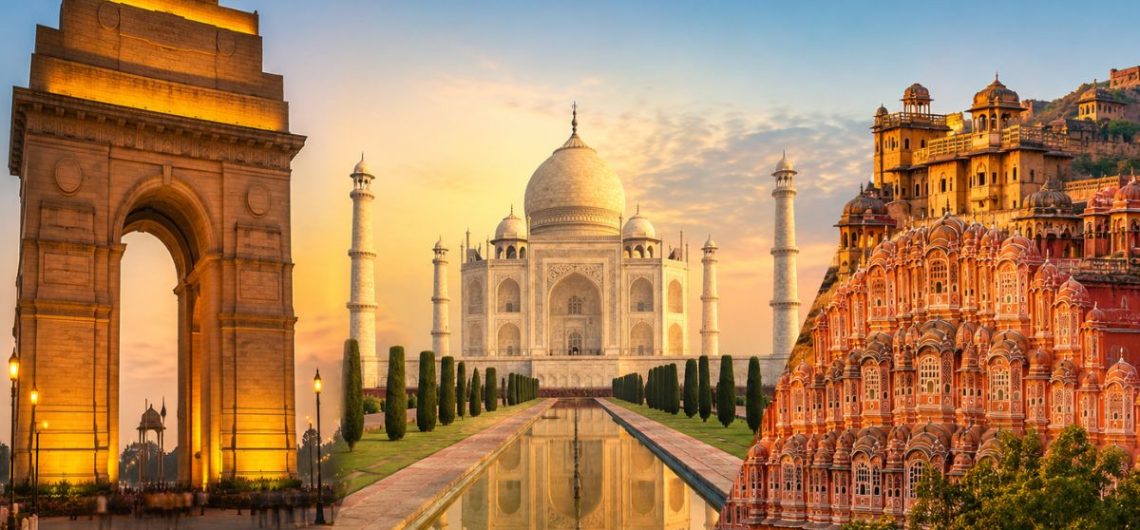
Planning a first trip to India can feel exciting and overwhelming at the same time. The country is vast, travel times can be difficult to judge, and choosing where to begin is not always easy. Golden Triangle India for First-Time Visitors offers a practical introduction through three of the country’s best-known destinations: Delhi, Agra and Jaipur.
Travellers with limited time often consider a Delhi, Agra and Jaipur Tour by Car to experience the three cities in a planned four-day journey. But before deciding how to travel, it helps to understand what each destination offers, how many days you really need and what first-time visitors should expect along the way.
This guide covers the route, ideal trip length, transport choices, a sample itinerary, practical tips and common mistakes to avoid.
What Is the Golden Triangle in India?
India’s Golden Triangle is a popular travel route connecting Delhi, Agra and Jaipur. Together, these three cities offer a mix of historic neighbourhoods, Mughal monuments, forts, palaces, markets and modern city life.
The route is called a “triangle” because the three cities form a roughly triangular shape on the map. Most journeys begin in Delhi, continue south to Agra and then travel west to Jaipur before returning to Delhi or continuing elsewhere in India.
For anyone researching Golden Triangle India for First-Time Visitors, the appeal is easy to understand. Delhi introduces both the old and modern sides of the country, Agra is home to the Taj Mahal and major Mughal heritage, while Jaipur brings the forts, palaces and traditions of Rajasthan into the journey.
The cities are different enough to make each stop feel new, yet close enough to combine in one relatively compact itinerary.
Why Is the Golden Triangle Good for First-Time Visitors?
The Golden Triangle is a good choice for a first trip because it combines some of India’s most recognised landmarks with different cultural experiences in one established travel route.
For many people, Golden Triangle India for First-Time Visitors works because it removes one of the hardest parts of planning a first journey: deciding which destinations to combine. Instead of trying to cover distant regions, travellers can focus on three cities with well-established road and rail connections.
The journey can include UNESCO-listed monuments, historic forts, local bazaars, traditional crafts, different regional foods and contrasting city environments. It also allows visitors to see how quickly the atmosphere changes from one destination to another.
However, first-time travellers should also have realistic expectations. Delhi can feel busy, traffic may affect travel times, major monuments can be crowded and a tightly packed itinerary may become tiring.
The route is most enjoyable when enough time is allowed for both sightseeing and travel between cities.
What to Expect in Delhi, Agra and Jaipur
Each city plays a different role in the journey. Understanding these differences helps first-time visitors plan their time more realistically.
Delhi: Your Introduction to India
Delhi is often the starting point because many international visitors arrive here by air. It is also the most intense of the three destinations and can provide a memorable introduction to the contrasts of India.
Old Delhi is known for historic streets, busy markets, religious sites and a fast-moving atmosphere. New Delhi feels different, with broad avenues, government buildings, gardens and major monuments spread across a much larger area.
First-time visitors should avoid trying to see everything in one day. Traffic and distance between attractions can make an overloaded sightseeing plan exhausting.
A good Delhi experience is not only about ticking monuments off a list. It is also about noticing the contrast between old neighbourhoods and modern districts, quiet historic sites and busy streets.
Agra: The Taj Mahal and Mughal Heritage
Agra is usually the shortest major stop on the route, but it should not be treated only as a place for a quick Taj Mahal photograph.
The Taj Mahal is the main reason most visitors come, and an early visit can offer a different experience from the busier hours later in the day. Agra Fort also adds important context to the city’s Mughal history and deserves time in the itinerary.
Many rushed trips arrive, visit one or two monuments and leave immediately. Staying overnight can provide more flexibility, particularly for travellers who want to visit the Taj Mahal early in the morning.
Agra can also be a useful point to slow down between the larger cities of Delhi and Jaipur.
Jaipur: Forts, Palaces and Rajasthan
Jaipur brings another change of atmosphere. Its forts, palaces, historic gateways and markets introduce visitors to Rajasthan.
Amber Fort is one of the major highlights, while the City Palace and Hawa Mahal are central to many sightseeing plans. Markets selling textiles, jewellery and handicrafts add another side to the experience.
Jaipur generally needs more time than visitors first expect because some attractions are spread out and major sites can take several hours to explore properly.
This variety is one reason Golden Triangle India for First-Time Visitors remains such a popular first journey. Delhi introduces the complexity of historic and modern India, Agra centres on Mughal heritage, and Jaipur brings the forts and royal traditions of Rajasthan into the trip.
How Many Days Do First-Time Visitors Need?
For most first-time visitors, four to five days provides a better balance between sightseeing and travel. Three days is possible, but the journey will be fast-paced.
When planning Golden Triangle India for First-Time Visitors, the right trip length depends on available holiday time, travel style and how comfortable you are with early starts and frequent city changes.
3 Days: Fast-Paced but Possible
A three-day trip usually focuses on the major highlights. There is little time for relaxed exploration, long meals or unplanned stops.
This option can work for travellers with a very limited schedule who mainly want to see the most famous attractions in each city. A 3-day Delhi Agra Jaipur tour is best approached with realistic expectations because travel time will take up a significant part of the journey.
It is not the best option for everyone, but it can work when time is the main limitation.
4 Days: A More Balanced Introduction
Four days allows slightly more breathing room. Travellers can spend time in Delhi, visit the main sights of Agra and continue to Jaipur without compressing everything into an extremely short schedule.
There will still be full sightseeing days, but the overall journey can feel more manageable.
5 Days: Better for a Slower First Trip
Five days is a strong option for travellers who want to see the main attractions without making every day feel like a race.
The additional time can be used for a more complete Delhi experience, an overnight stay in Agra or a better-paced visit to Jaipur. It also provides more flexibility if traffic or sightseeing takes longer than expected.
For most first-time international visitors, four to five days offers the best balance between sightseeing and travel time.
What Is the Best Way to Travel the Golden Triangle?
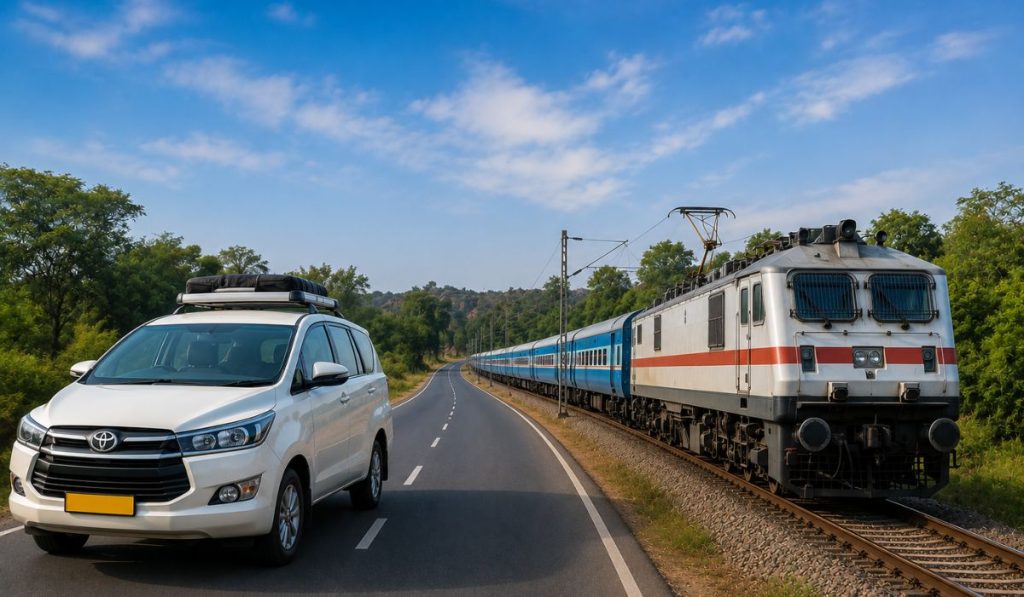
For most first-time visitors, a private car is the simplest option for the complete route. Trains can also work well for independent travellers who are comfortable arranging station transfers and local transport.
Choosing transport is an important part of planning Golden Triangle India for First-Time Visitors because the experience changes depending on how the journey is organised.
Private Car and Driver
A private car provides door-to-door travel between hotels and cities. Luggage stays with the traveller, departure times can be more flexible and there is no need to arrange separate transfers to and from railway stations.
Road travel also makes it easier to include suitable stops between destinations.
The disadvantage is that road journeys can be affected by traffic, so travel times should never be planned too tightly.
Train
Trains can be useful for travellers who enjoy independent travel and are comfortable managing bookings, luggage and local transfers.
A train journey may reduce some road travel, but visitors still need transport between hotels, railway stations and sightseeing locations.
Group Tour
Group tours can suit people who prefer a fixed itinerary and enjoy travelling with others. The main limitation is flexibility because departure times and sightseeing schedules are usually shared with the group.
There is no single transport option that is best for everyone. The right choice depends on budget, independence, comfort and the amount of planning a traveller wants to handle personally.
A Simple 5-Day Golden Triangle Itinerary for First-Time Visitors
A five-day itinerary gives travellers enough time to understand the route without turning the journey into a long holiday.
This sample plan shows how Golden Triangle India for First-Time Visitors can be organised at a manageable pace.
Day 1: Arrive and Explore Delhi
Use the first day for arrival and light sightseeing. Travellers arriving after a long international flight should avoid planning a full day of monuments immediately.
Depending on arrival time, the day can include a relaxed drive, one or two nearby attractions or simply time to recover.
Day 2: Explore Old and New Delhi
Spend a full day seeing the contrasting sides of the capital. Rather than trying to cover every attraction, select a realistic combination of historic sites, neighbourhoods and major landmarks.
Day 3: Travel from Delhi to Agra
Travel to Agra and visit key Mughal sites. Depending on arrival time and personal preference, the Taj Mahal can be planned for this day or early the following morning.
Day 4: Visit the Taj Mahal and Continue to Jaipur
An early Taj Mahal visit can be followed by breakfast and the journey towards Jaipur. Keep enough time for rest after arrival.
Day 5: Explore Jaipur
Visit the main forts and palaces, but avoid placing too many large attractions into a single day.
Travellers who prefer this slower pace can compare it with a 5-day Delhi Agra Jaipur tour before deciding whether the schedule matches their travel style.
Best Time to Visit the Golden Triangle for the First Time
October to March is generally the most comfortable period for sightseeing because temperatures are usually more suitable for spending long hours outdoors than during the hottest summer months.
From October onwards, conditions become more comfortable for walking around forts, monuments and markets. December and January can bring cold mornings and reduced visibility on some days, so warm layers may be useful.
April to June is much hotter. Sightseeing is still possible, but early starts, breaks and careful planning become more important.
July to September is the monsoon period. Rain may affect outdoor plans, although the route can be less crowded than during the main winter travel season.
The best time ultimately depends on personal comfort, budget and tolerance for heat, crowds or rain.
Essential Tips for Your First Golden Triangle Trip
Good planning can make Golden Triangle India for First-Time Visitors much easier and more enjoyable. The biggest improvement often comes from creating a realistic schedule rather than trying to see as much as possible.
Keep these points in mind:
- Start major sightseeing early when possible.
- Do not plan too many large monuments on the same day.
- Allow extra time for traffic and city transfers.
- Check monument opening days before finalising the itinerary.
- Remember that the Taj Mahal is closed to general visitors on Fridays.
- Dress respectfully when visiting religious places.
- Carry some cash for smaller expenses, but avoid carrying unnecessary amounts.
- Keep passports and important travel documents secure.
- Confirm exactly what is included before booking transport or a tour.
- Leave some free time for rest, meals and unexpected delays.
A first trip often becomes tiring because travellers underestimate distances and overestimate how much sightseeing they can comfortably complete in one day.
Common Mistakes First-Time Visitors Should Avoid
The most common mistake is trying to complete the entire route too quickly. A short itinerary may look efficient on paper, but road travel, hotel check-ins, meals and sightseeing all require time.
Another mistake is planning attractions without checking weekly closure days. This can lead to disappointment, especially when a major monument is central to the trip.
First-time visitors should also avoid:
- assuming road journeys will always take the minimum estimated time;
- scheduling too many major attractions in one day;
- choosing hotels only because they have the lowest price;
- leaving no time to rest after long journeys;
- carrying an unnecessarily large amount of luggage;
- assuming every tour or transport service includes the same things.
It is also worth checking the location of a hotel before booking. A cheaper property far from planned sightseeing areas may add more travel time each day.
A flexible itinerary with fewer rushed stops usually creates a better experience than a longer list of places visited only briefly.
Can You Add Ranthambore to Your First Golden Triangle Trip?
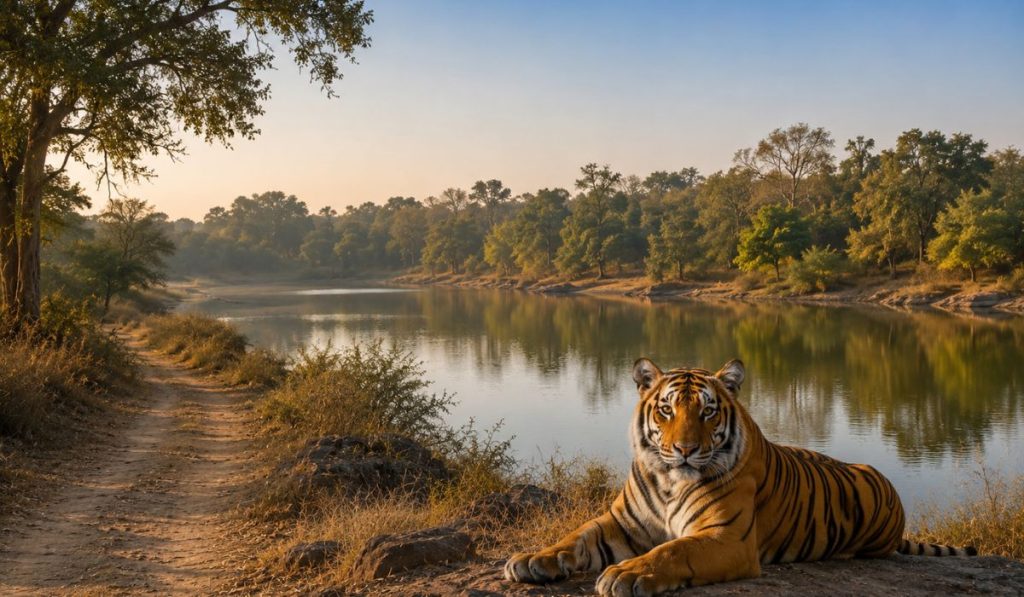
Yes, Ranthambore can be added to the route, but it is better for travellers who specifically want a wildlife experience and are comfortable with additional travel.
Adding Ranthambore changes the character of the journey. Instead of focusing entirely on cities, monuments and cultural attractions, visitors also get the chance to experience a different landscape and plan a wildlife safari.
For people researching Golden Triangle India for First-Time Visitors, the main question is whether there is enough time. Adding another destination to a short itinerary can make the journey much faster-paced.
Travellers interested in combining heritage with wildlife can consider a Golden Triangle tour with Ranthambore, but should compare the travel time carefully before deciding.
Those who want a slower introduction to India may prefer to keep their first journey focused only on Delhi, Agra and Jaipur.
Is the Golden Triangle Right for Your First India Trip?
The Golden Triangle is well suited to travellers who want to experience several different sides of northern India within one journey. It can work particularly well for history lovers, couples, families, photographers and visitors with around four to seven days available.
However, it may not suit travellers looking only for beaches, a very slow rural holiday or a trip with minimal city changes.
The key to enjoying Golden Triangle India for First-Time Visitors is choosing a realistic pace. Once you know how many days you have, how much sightseeing you enjoy and how you prefer to travel, the route becomes much easier to plan.
The next step is to compare India Golden Triangle Tour Packages and choose an itinerary that matches your available time and preferred travel style rather than simply selecting the shortest option.
Frequently Asked Questions
1. Is the Golden Triangle good for first-time visitors to India?
Yes. The Golden Triangle is one of the most practical routes for a first trip because it connects three well-known destinations with different experiences. Delhi offers historic and modern city life, Agra is known for Mughal heritage and the Taj Mahal, while Jaipur introduces travellers to the forts and palaces of Rajasthan.
2. How many days are enough for the Golden Triangle?
Four to five days is enough for most first-time visitors to see the major highlights of Delhi, Agra and Jaipur. A three-day trip is possible but fast-paced, while six or seven days provides more time for relaxed sightseeing, local experiences and rest between longer travel days.
3. Which city should I start the Golden Triangle from?
Most travellers start in Delhi because it is a major international arrival point and provides a logical route towards Agra and then Jaipur. However, the journey can also be completed in reverse depending on flight plans, hotel arrangements and any additional destinations included before or after the trip.
4. Is it better to travel the Golden Triangle by car or train?
A private car is often more convenient for first-time visitors because it provides door-to-door travel and greater flexibility. Trains can work well for independent travellers, but separate transfers are still needed between railway stations, hotels and attractions. The best choice depends on comfort, budget and travel style.
5. What is the best month for a first Golden Triangle trip?
The period from October to March is generally preferred for comfortable sightseeing. November and February can be particularly pleasant, although conditions vary from year to year. December and January may have cold mornings, while April to June can be very hot for long days of outdoor sightseeing.
6. Can I include Ranthambore in a Golden Triangle itinerary?
Yes. Ranthambore can be added for travellers who want to combine historic cities with a wildlife experience. However, the extension adds more travel time, so it works best when the itinerary is planned carefully. Visitors who prefer a slower first trip may want to focus only on Delhi, Agra and Jaipur.

Comments