<!-- wp:paragraph {"className":""} -->
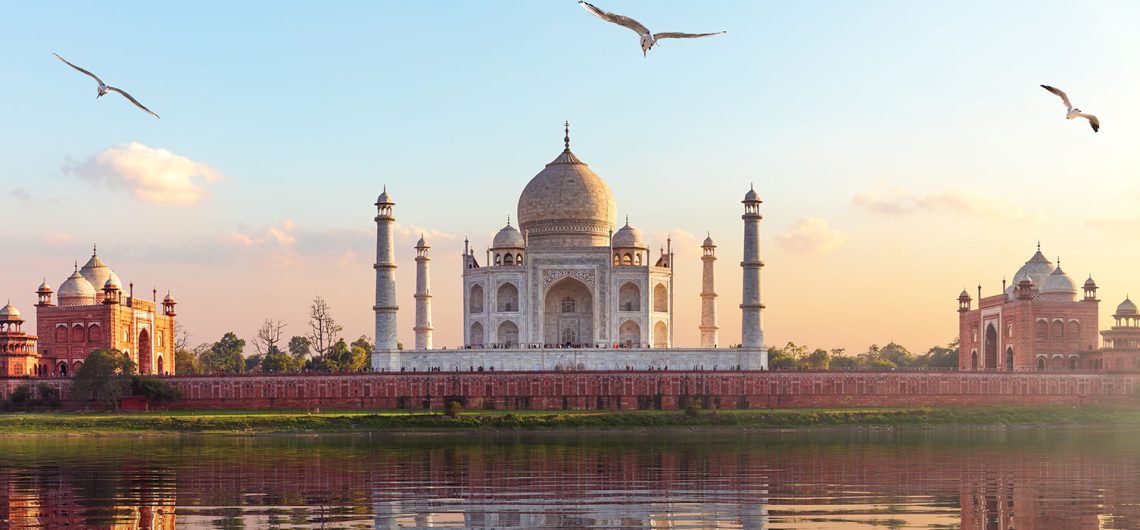
<p>The single decision that shapes your entire Taj Mahal experience more than any other is what time of day you walk through those gates. Early morning — roughly one to two hours after the complex opens — gives most first-time visitors the strongest combination of pleasant light, manageable temperatures and unhurried exploration time. But that recommendation shifts depending on who you are. A photographer wants different light than a family with young children. A winter traveler faces different conditions than someone visiting in May. And a day-tripper arriving from Delhi at noon has a completely different set of options than someone staying overnight in Agra. This article breaks down the Taj Mahal experience hour by hour, from opening through late afternoon, so you can match the right time slot to your travel style.</p>
<!-- /wp:paragraph -->
<!-- wp:separator -->
<hr class="wp-block-separator has-alpha-channel-opacity"/>
<!-- /wp:separator -->
<!-- wp:heading -->
<h2 class="wp-block-heading">Quick Answer: What Is the Best Time of Day to Visit the Taj Mahal?</h2>
<!-- /wp:heading -->
<!-- wp:paragraph {"className":""} -->
<p><strong>For most visitors, early morning is the best time of day to visit the Taj Mahal.</strong> Arriving roughly one hour after the gates open gives you pleasant directional light for photography, cooler temperatures during warm months, and a calmer atmosphere compared to later in the day. That said, the ideal hour depends on your priorities — photographers often prefer the very first minutes after opening or the final hours before closing, while families and winter visitors may be better off arriving mid-morning.</p>
<!-- /wp:paragraph -->
<!-- wp:table -->
<figure class="wp-block-table"><table class="has-fixed-layout"><thead><tr><th class="has-text-align-left" data-align="left">Time of Day</th><th class="has-text-align-left" data-align="left">Light Quality</th><th class="has-text-align-left" data-align="left">Atmosphere</th><th class="has-text-align-left" data-align="left">Temperature</th><th class="has-text-align-left" data-align="left">Ideal For</th><th class="has-text-align-left" data-align="left">Key Drawback</th></tr></thead><tbody><tr><td><strong>Opening / Sunrise</strong></td><td>Low, golden, rapidly changing</td><td>Quiet, atmospheric</td><td>Cool to cold</td><td>Photographers, sunrise seekers</td><td>Requires a very early start; fog risk in winter</td></tr><tr><td><strong>Early Morning</strong></td><td>Soft, directional, warm</td><td>Calm, comfortable pace</td><td>Pleasant across seasons</td><td>First-time visitors, couples</td><td>Still an early alarm</td></tr><tr><td><strong>Mid-Morning</strong></td><td>Bright, even illumination</td><td>Active but manageable</td><td>Warm in summer, pleasant otherwise</td><td>Families, relaxed travelers</td><td>Less dramatic for photography</td></tr><tr><td><strong>Late Morning</strong></td><td>Strong, increasingly overhead</td><td>Fully busy</td><td>Heating up in summer</td><td>Flexible itineraries</td><td>Approaching midday heat</td></tr><tr><td><strong>Midday</strong></td><td>Direct overhead, harsh</td><td>Peak activity</td><td>Hot in summer, mild in winter</td><td>Winter travelers, schedule-bound visitors</td><td>Flat photography light, summer heat</td></tr><tr><td><strong>Afternoon</strong></td><td>Gradually softening</td><td>Moderate, steady</td><td>Still warm, beginning to ease</td><td>Visitors arriving from Delhi after noon</td><td>Less remaining time before closing</td></tr><tr><td><strong>Late Afternoon</strong></td><td>Warm, golden, lower angle</td><td>Can feel time-pressured</td><td>Cooling down</td><td>Warm-light photographers, experienced visitors</td><td>Closing time constraint</td></tr></tbody></table></figure>
<!-- /wp:table -->
<!-- wp:separator -->
<hr class="wp-block-separator has-alpha-channel-opacity"/>
<!-- /wp:separator -->
<!-- wp:heading -->
<h2 class="wp-block-heading">Why Does the Time of Day Matter at the Taj Mahal?</h2>
<!-- /wp:heading -->
<!-- wp:paragraph {"className":""} -->
<p>The Taj Mahal is built from white Makrana marble — and this marble responds dramatically to sunlight. It is not one color throughout the day. In early morning, the stone can take on cream, pale amber or soft pink tones depending on the sky. At midday, it appears brilliant white. In late afternoon, warmer tones return.</p>
<!-- /wp:paragraph -->
<!-- wp:paragraph {"className":""} -->
<p>Beyond the marble's appearance, several practical realities shift as the hours pass:</p>
<!-- /wp:paragraph -->
<!-- wp:list -->
<ul class="wp-block-list"><!-- wp:list-item -->
<li><strong>Sunlight angle.</strong> Low-angle light (morning and late afternoon) creates depth and shadow on the carved surfaces. Overhead sun flattens those details.</li>
<!-- /wp:list-item -->
<!-- wp:list-item -->
<li><strong>Heat.</strong> Agra summers regularly push past 40°C (104°F) by midday. An early or late visit avoids the worst of it.</li>
<!-- /wp:list-item -->
<!-- wp:list-item -->
<li><strong>Visitor flow.</strong> The complex tends to be calmer right after opening. Activity increases through mid-morning and remains steady into the afternoon.</li>
<!-- /wp:list-item -->
<!-- wp:list-item -->
<li><strong>Remaining sightseeing time.</strong> Starting early at the Taj Mahal leaves the rest of your day free for Agra Fort, Mehtab Bagh or local markets. A late visit means limited daylight afterward.</li>
<!-- /wp:list-item --></ul>
<!-- /wp:list -->
<!-- wp:separator -->
<hr class="wp-block-separator has-alpha-channel-opacity"/>
<!-- /wp:separator -->
<!-- wp:heading -->
<h2 class="wp-block-heading">What Is the Taj Mahal Like Right After Opening?</h2>
<!-- /wp:heading -->
<!-- wp:paragraph {"className":""} -->
<p>The Taj Mahal opens 30 minutes before sunrise — this is not a fixed clock time. During summer months, the gates may open as early as around 5:00 AM; in the depths of winter, closer to 6:30 or 7:00 AM. The complex is closed to general visitors every Friday.</p>
<!-- /wp:paragraph -->
<!-- wp:paragraph {"className":""} -->
<p>Arriving at or just before the gates open puts you inside during the most atmospheric conditions of the day. The light is low, shifting and often golden. The marble takes on subtle color variations that disappear within an hour or two. For anyone focused on photography, these first 30 to 60 minutes are hard to replicate at any other time.</p>
<!-- /wp:paragraph -->
<!-- wp:paragraph {"className":""} -->
<p>If you are specifically planning a sunrise visit, you will find a detailed breakdown in our <a href="https://www.tajadventureholidays.com/blog/taj-mahal-sunrise-tour-best-time-to-visit/">Taj Mahal sunrise tour guide</a>.</p>
<!-- /wp:paragraph -->
<!-- wp:paragraph {"className":""} -->
<p><strong>Winter caution:</strong> December and January mornings in Agra frequently bring dense fog. On some days, visibility at the Taj Mahal may be severely limited until mid-morning.</p>
<!-- /wp:paragraph -->
<!-- wp:separator -->
<hr class="wp-block-separator has-alpha-channel-opacity"/>
<!-- /wp:separator -->
<!-- wp:heading -->
<h2 class="wp-block-heading">Is Early Morning the Best Overall Time to Visit?</h2>
<!-- /wp:heading -->
<!-- wp:paragraph {"className":""} -->
<p>For the majority of travelers — yes. The window roughly 60 to 120 minutes after opening delivers the best practical compromise. The initial entrance rush has eased, the sunlight is still directional and warm-toned, and temperatures have not yet climbed.</p>
<!-- /wp:paragraph -->
<!-- wp:paragraph {"className":""} -->
<p>This is the period where first-time visitors tend to have the most enjoyable experience. There is enough time to walk the Charbagh gardens, take photos at the reflecting pool, explore the main mausoleum interior and study the pietra dura inlay work — all without feeling hurried.</p>
<!-- /wp:paragraph -->
<!-- wp:paragraph {"className":""} -->
<p>An early morning visit also gives you a logical day structure. After spending two to three hours at the Taj Mahal, you can move on to Agra Fort, grab lunch near the old city, or head to other sites.</p>
<!-- /wp:paragraph -->
<!-- wp:separator -->
<hr class="wp-block-separator has-alpha-channel-opacity"/>
<!-- /wp:separator -->
<!-- wp:heading -->
<h2 class="wp-block-heading">What Is a Mid-Morning Visit Like?</h2>
<!-- /wp:heading -->
<!-- wp:paragraph {"className":""} -->
<p>By mid-morning, the sun has climbed higher and the light is brighter, more even and less directional. The marble appears closer to its iconic bright white. This lighting may be less cinematic for photography, but it actually highlights the Taj Mahal's architectural detail — the geometric patterns on the minarets, the calligraphy panels framing the main arch, and the precision of the marble inlay become easier to see and appreciate.</p>
<!-- /wp:paragraph -->
<!-- wp:paragraph {"className":""} -->
<p>The complex is more active by this point, but mid-morning is far from unpleasant. Families, older travelers and anyone who values a later start over golden-hour photos will find mid-morning a sensible choice. During the cooler months (October through February), temperatures at this hour are often ideal for extended outdoor walking.</p>
<!-- /wp:paragraph -->
<!-- wp:separator -->
<hr class="wp-block-separator has-alpha-channel-opacity"/>
<!-- /wp:separator -->
<!-- wp:heading -->
<h2 class="wp-block-heading">Should You Visit the Taj Mahal Around Midday?</h2>
<!-- /wp:heading -->
<!-- wp:paragraph {"className":""} -->
<p>Midday is not the first choice for most visitors — and there are real reasons for that. The sun is directly overhead, creating flat, high-contrast light that washes out architectural details in photographs. During Agra's hot season (March through June), standing on sun-heated marble and stone platforms at noon is genuinely uncomfortable.</p>
<!-- /wp:paragraph -->
<!-- wp:paragraph {"className":""} -->
<p>However, midday has its place. In winter, midday temperatures in Agra are pleasant — often between 18°C and 24°C — and the overhead light, while not dramatic, provides clear, even illumination. If your train from Delhi arrives late in the morning, heading directly to the Taj Mahal around noon may make more sense than waiting for late afternoon. Check our <a href="https://www.tajadventureholidays.com/blog/taj-mahal-visiting-time/">Taj Mahal visiting time guide</a> for current seasonal hours.</p>
<!-- /wp:paragraph -->
<!-- wp:separator -->
<hr class="wp-block-separator has-alpha-channel-opacity"/>
<!-- /wp:separator -->
<!-- wp:heading -->
<h2 class="wp-block-heading">Is Afternoon a Good Time to Visit?</h2>
<!-- /wp:heading -->
<!-- wp:paragraph {"className":""} -->
<p>The early-to-mid afternoon period — roughly 1:00 PM to 3:30 PM — is a transitional window. Temperatures remain elevated in warm months, but the light begins to angle slightly, adding dimension back to the marble surfaces.</p>
<!-- /wp:paragraph -->
<!-- wp:paragraph {"className":""} -->
<p>Afternoon suits travelers on a compressed schedule — particularly those arriving in Agra after a morning train or drive from Delhi and heading straight to the Taj Mahal. You still have enough time for a complete visit, and the experience, while different from sunrise, is still worthwhile. Not every visit needs to be at golden hour to be memorable.</p>
<!-- /wp:paragraph -->
<!-- wp:separator -->
<hr class="wp-block-separator has-alpha-channel-opacity"/>
<!-- /wp:separator -->
<!-- wp:heading -->
<h2 class="wp-block-heading">What About Late Afternoon?</h2>
<!-- /wp:heading -->
<!-- wp:paragraph {"className":""} -->
<p>As the sun drops lower toward the western horizon, the light turns warmer and more golden. Shadows lengthen across the gardens. The marble can appear to glow with a soft amber quality that photographs beautifully.</p>
<!-- /wp:paragraph -->
<!-- wp:paragraph {"className":""} -->
<p>For photographers who prefer warm-toned images and missed the early morning slot, late afternoon offers a genuine alternative.</p>
<!-- /wp:paragraph -->
<!-- wp:paragraph {"className":""} -->
<p><strong>Critical detail:</strong> The Taj Mahal closes 30 minutes before sunset — not at sunset. You will not be allowed to remain inside to watch the sun go down. Since closing time shifts with the season, always verify the current schedule before planning a late visit. If you are not sure about current hours, our <a href="https://www.tajadventureholidays.com/blog/taj-mahal-visiting-time/">complete visiting time guide</a> has up-to-date information.</p>
<!-- /wp:paragraph -->
<!-- wp:paragraph {"className":""} -->
<p>Allow yourself at least two and a half to three hours before closing time to avoid a rushed experience.</p>
<!-- /wp:paragraph -->
<!-- wp:separator -->
<hr class="wp-block-separator has-alpha-channel-opacity"/>
<!-- /wp:separator -->
<!-- wp:heading -->
<h2 class="wp-block-heading">Sunrise vs Late Afternoon: Side-by-Side Comparison</h2>
<!-- /wp:heading -->
<!-- wp:table -->
<figure class="wp-block-table"><table class="has-fixed-layout"><thead><tr><th class="has-text-align-left" data-align="left">Factor</th><th class="has-text-align-left" data-align="left">Sunrise / Early Morning</th><th class="has-text-align-left" data-align="left">Late Afternoon</th></tr></thead><tbody><tr><td><strong>Light character</strong></td><td>Cool, soft, fast-changing</td><td>Warm, golden, gradual</td></tr><tr><td><strong>Temperature</strong></td><td>Cool (cold in winter)</td><td>Warmer, easing toward evening</td></tr><tr><td><strong>Photography style</strong></td><td>Classic front-lit compositions</td><td>Warm side-lit and back-lit options</td></tr><tr><td><strong>Schedule convenience</strong></td><td>Requires very early start</td><td>Fits a later travel schedule</td></tr><tr><td><strong>Visitor density</strong></td><td>Typically calmer at first entry</td><td>Steady; time pressure near closing</td></tr><tr><td><strong>Winter factor</strong></td><td>Fog and haze risk</td><td>Fog usually cleared by afternoon</td></tr><tr><td><strong>Remaining day</strong></td><td>Full day of sightseeing ahead</td><td>Limited daylight after exit</td></tr><tr><td><strong>Best for</strong></td><td>Dedicated photographers, early risers, overnight visitors</td><td>Day-trippers, warm-light seekers, late arrivals</td></tr></tbody></table></figure>
<!-- /wp:table -->
<!-- wp:paragraph {"className":""} -->
<p>There is no universally "better" option. Choose based on what matters most to you.</p>
<!-- /wp:paragraph -->
<!-- wp:separator -->
<hr class="wp-block-separator has-alpha-channel-opacity"/>
<!-- /wp:separator -->
<!-- wp:heading -->
<h2 class="wp-block-heading">Best Time of Day for Taj Mahal Photography</h2>
<!-- /wp:heading -->
<!-- wp:list -->
<ul class="wp-block-list"><!-- wp:list-item -->
<li><strong>Early morning:</strong> Soft directional light produces depth and subtle marble tones. The reflecting pool can create mirror-like images when the air is still. This is the time most serious photographers prioritize.</li>
<!-- /wp:list-item -->
<!-- wp:list-item -->
<li><strong>Midday:</strong> Maximum brightness, but flat and high-contrast. Generally the least favored for artistic photography.</li>
<!-- /wp:list-item -->
<!-- wp:list-item -->
<li><strong>Late afternoon:</strong> Warm golden light with longer shadows. The marble can appear amber-toned. A strong alternative for photographers with afternoon-only access.</li>
<!-- /wp:list-item --></ul>
<!-- /wp:list -->
<!-- wp:paragraph {"className":""} -->
<p>Weather, haze and cloud cover are unpredictable — no specific time guarantees perfect results. For the best photography spots regardless of time, see our <a href="https://www.tajadventureholidays.com/blog/best-photography-spots-taj-mahal/">Taj Mahal photography guide</a>.</p>
<!-- /wp:paragraph -->
<!-- wp:separator -->
<hr class="wp-block-separator has-alpha-channel-opacity"/>
<!-- /wp:separator -->
<!-- wp:heading -->
<h2 class="wp-block-heading">Which Time Suits Your Travel Style?</h2>
<!-- /wp:heading -->
<!-- wp:table -->
<figure class="wp-block-table"><table class="has-fixed-layout"><thead><tr><th class="has-text-align-left" data-align="left">Traveler Type</th><th class="has-text-align-left" data-align="left">Recommended Time</th><th class="has-text-align-left" data-align="left">Reason</th></tr></thead><tbody><tr><td>First-time visitor</td><td>Early morning</td><td>Best all-around experience: light, temperature, time</td></tr><tr><td>Photographer</td><td>Opening time or late afternoon</td><td>Low-angle light for dramatic, layered images</td></tr><tr><td>Couple</td><td>Early morning</td><td>Quieter atmosphere, strong photo opportunities</td></tr><tr><td>Family with children</td><td>Mid-morning</td><td>No extreme early start; comfortable pace</td></tr><tr><td>Senior traveler</td><td>Mid-morning (winter) / early morning (summer)</td><td>Avoids extremes of heat and cold</td></tr><tr><td>Summer visitor (April–June)</td><td>Opening time or early morning</td><td>Escape the worst heat</td></tr><tr><td>Winter visitor (Nov–Feb)</td><td>Mid-morning to early afternoon</td><td>Fog has usually cleared; temperatures are mild</td></tr><tr><td>Same-day visitor from Delhi</td><td>Based on arrival time</td><td>If arriving by mid-morning, enter promptly; if after noon, go in the afternoon</td></tr><tr><td>Staying overnight in Agra</td><td>Early morning</td><td>Full Taj Mahal experience plus Agra Fort afterward</td></tr><tr><td>Prefer not to wake early</td><td>Mid-morning or afternoon</td><td>Still an excellent visit, just different light</td></tr></tbody></table></figure>
<!-- /wp:table -->
<!-- wp:separator -->
<hr class="wp-block-separator has-alpha-channel-opacity"/>
<!-- /wp:separator -->
<!-- wp:heading -->
<h2 class="wp-block-heading">How Season Changes the Best Time of Day</h2>
<!-- /wp:heading -->
<!-- wp:paragraph {"className":""} -->
<p>This is not a seasonal planning guide — only a note on how season shifts the best hour.</p>
<!-- /wp:paragraph -->
<!-- wp:list -->
<ul class="wp-block-list"><!-- wp:list-item -->
<li><strong>Summer (April–June):</strong> Go as early as possible. Heat builds rapidly after 9:00 AM.</li>
<!-- /wp:list-item -->
<!-- wp:list-item -->
<li><strong>Winter (November–February):</strong> Early morning fog can limit visibility. Mid-morning to early afternoon often provides the best combination of clear skies and comfortable temperatures.</li>
<!-- /wp:list-item -->
<!-- wp:list-item -->
<li><strong>Monsoon (July–September):</strong> Overcast skies can produce soft, even light at any hour. Rain is unpredictable.</li>
<!-- /wp:list-item -->
<!-- wp:list-item -->
<li><strong>Pleasant months (October, March):</strong> Maximum flexibility. Almost any time of day works well.</li>
<!-- /wp:list-item --></ul>
<!-- /wp:list -->
<!-- wp:separator -->
<hr class="wp-block-separator has-alpha-channel-opacity"/>
<!-- /wp:separator -->
<!-- wp:heading -->
<h2 class="wp-block-heading">How Early Should You Arrive at the Gate?</h2>
<!-- /wp:heading -->
<!-- wp:list -->
<ul class="wp-block-list"><!-- wp:list-item -->
<li><strong>Look up the current opening time.</strong> The Taj Mahal opens 30 minutes before sunrise, which changes daily. Check an Agra sunrise calendar for your specific date.</li>
<!-- /wp:list-item -->
<!-- wp:list-item -->
<li><strong>Budget time for security.</strong> Every visitor passes through security screening. Travel light — large bags, tripods and food items are generally not permitted inside.</li>
<!-- /wp:list-item -->
<!-- wp:list-item -->
<li><strong>Buy tickets in advance.</strong> Pre-purchasing tickets online saves time at the gate. For fee details, see our <a href="https://www.tajadventureholidays.com/blog/taj-mahal-entry-fee-timings-booking/">Taj Mahal ticket price and booking guide</a>.</li>
<!-- /wp:list-item -->
<!-- wp:list-item -->
<li><strong>Account for transportation.</strong> If your hotel or drop-off point is not within walking distance of the East Gate or West Gate, add travel and walking time to your plan.</li>
<!-- /wp:list-item --></ul>
<!-- /wp:list -->
<!-- wp:separator -->
<hr class="wp-block-separator has-alpha-channel-opacity"/>
<!-- /wp:separator -->
<!-- wp:heading -->
<h2 class="wp-block-heading">3 Sample Timing Plans</h2>
<!-- /wp:heading -->
<!-- wp:heading {"level":3} -->
<h3 class="wp-block-heading">Plan 1: Early-Morning Photographer</h3>
<!-- /wp:heading -->
<!-- wp:list {"ordered":true} -->
<ol class="wp-block-list"><!-- wp:list-item -->
<li>Reach the entry gate area before the official opening time.</li>
<!-- /wp:list-item -->
<!-- wp:list-item -->
<li>Enter as soon as gates open. Walk directly to the central water channel for the classic reflected view.</li>
<!-- /wp:list-item -->
<!-- wp:list-item -->
<li>Spend the first 60–90 minutes at key viewpoints while the light is low and shifting.</li>
<!-- /wp:list-item -->
<!-- wp:list-item -->
<li>Explore the mausoleum interior and flanking mosque.</li>
<!-- /wp:list-item -->
<!-- wp:list-item -->
<li>Exit and continue to Agra Fort by mid-morning.</li>
<!-- /wp:list-item --></ol>
<!-- /wp:list -->
<!-- wp:heading {"level":3} -->
<h3 class="wp-block-heading">Plan 2: Relaxed First-Time Visitor</h3>
<!-- /wp:heading -->
<!-- wp:list {"ordered":true} -->
<ol class="wp-block-list"><!-- wp:list-item -->
<li>Arrive approximately one to two hours after opening.</li>
<!-- /wp:list-item -->
<!-- wp:list-item -->
<li>Take your time at the main Darwaza-i-Rauza gateway — the first full view of the Taj Mahal through the arch is worth pausing for.</li>
<!-- /wp:list-item -->
<!-- wp:list-item -->
<li>Spend two to three hours in the gardens, mausoleum and surrounding buildings.</li>
<!-- /wp:list-item -->
<!-- wp:list-item -->
<li>Exit, have lunch, then visit Agra Fort or Itimad-ud-Daulah in the afternoon.</li>
<!-- /wp:list-item --></ol>
<!-- /wp:list -->
<!-- wp:heading {"level":3} -->
<h3 class="wp-block-heading">Plan 3: Afternoon Visitor Arriving from Delhi</h3>
<!-- /wp:heading -->
<!-- wp:list {"ordered":true} -->
<ol class="wp-block-list"><!-- wp:list-item -->
<li>Enter the complex at least 2.5–3 hours before closing time.</li>
<!-- /wp:list-item -->
<!-- wp:list-item -->
<li>Explore the gardens, photograph the Taj Mahal in softening afternoon light, visit the mausoleum.</li>
<!-- /wp:list-item -->
<!-- wp:list-item -->
<li>Exit before closing.</li>
<!-- /wp:list-item -->
<!-- wp:list-item -->
<li>If time permits, visit Mehtab Bagh separately for a view of the Taj Mahal's rear facade from across the Yamuna River. (Mehtab Bagh is a separate site outside the Taj Mahal complex.)</li>
<!-- /wp:list-item --></ol>
<!-- /wp:list -->
<!-- wp:separator -->
<hr class="wp-block-separator has-alpha-channel-opacity"/>
<!-- /wp:separator -->
<!-- wp:heading -->
<h2 class="wp-block-heading">Quick Decision Guide: What Time Should I Visit?</h2>
<!-- /wp:heading -->
<!-- wp:list -->
<ul class="wp-block-list"><!-- wp:list-item -->
<li><strong>Choose opening time</strong> if you want the quietest setting and are comfortable with a very early start.</li>
<!-- /wp:list-item -->
<!-- wp:list-item -->
<li><strong>Choose early morning</strong> if you want the best blend of good light, moderate temperatures and a full day ahead.</li>
<!-- /wp:list-item -->
<!-- wp:list-item -->
<li><strong>Choose mid-morning</strong> if you prefer sleeping in and are visiting during cooler months.</li>
<!-- /wp:list-item -->
<!-- wp:list-item -->
<li><strong>Choose midday</strong> if you are visiting in winter and want the warmest, clearest conditions.</li>
<!-- /wp:list-item -->
<!-- wp:list-item -->
<li><strong>Choose afternoon</strong> if you are arriving in Agra later and want to see the Taj Mahal the same day.</li>
<!-- /wp:list-item -->
<!-- wp:list-item -->
<li><strong>Choose late afternoon</strong> if you want warm, golden light and can plan carefully around the closing time.</li>
<!-- /wp:list-item --></ul>
<!-- /wp:list -->
<!-- wp:separator -->
<hr class="wp-block-separator has-alpha-channel-opacity"/>
<!-- /wp:separator -->
<!-- wp:heading -->
<h2 class="wp-block-heading">Frequently Asked Questions</h2>
<!-- /wp:heading -->
<!-- wp:heading {"level":3} -->
<h3 class="wp-block-heading">What is the best time of day to visit the Taj Mahal?</h3>
<!-- /wp:heading -->
<!-- wp:paragraph {"className":""} -->
<p>Early morning — about one to two hours after gates open — delivers the best experience for most visitors. The light is directional and flattering, temperatures are comfortable, and you retain the rest of the day for Agra sightseeing. Photographers may prefer the first minutes after opening or late afternoon for warmer, more dramatic light.</p>
<!-- /wp:paragraph -->
<!-- wp:heading {"level":3} -->
<h3 class="wp-block-heading">Is the Taj Mahal better at sunrise or sunset?</h3>
<!-- /wp:heading -->
<!-- wp:paragraph {"className":""} -->
<p>Both offer low-angle, warm-toned light. Sunrise brings calmer conditions and a full day ahead. Late afternoon provides golden tones but limits your time inside, since the complex closes 30 minutes before sunset. In winter, afternoon visits avoid the morning fog that is common in Agra.</p>
<!-- /wp:paragraph -->
<!-- wp:heading {"level":3} -->
<h3 class="wp-block-heading">What time should I reach the Taj Mahal in the morning?</h3>
<!-- /wp:heading -->
<!-- wp:paragraph {"className":""} -->
<p>Check the sunrise time for your travel date — the Taj Mahal opens 30 minutes before sunrise. In summer, this can be as early as 5:00 AM; in winter, around 6:30–7:00 AM. Arriving at or shortly before the opening time ensures you enter with the first group.</p>
<!-- /wp:paragraph -->
<!-- wp:heading {"level":3} -->
<h3 class="wp-block-heading">Is early morning less crowded at the Taj Mahal?</h3>
<!-- /wp:heading -->
<!-- wp:paragraph {"className":""} -->
<p>Visitor numbers are generally lower in the first hour after opening and increase through the morning. However, the very first rush at the gates can be busy with sunrise visitors, and conditions vary by day and season.</p>
<!-- /wp:paragraph -->
<!-- wp:heading {"level":3} -->
<h3 class="wp-block-heading">Is midday a good time to visit the Taj Mahal?</h3>
<!-- /wp:heading -->
<!-- wp:paragraph {"className":""} -->
<p>In winter, yes — midday temperatures are mild and the sky is usually clear of fog. In summer, midday heat makes extended outdoor walking difficult. Photography is also more challenging under direct overhead sun.</p>
<!-- /wp:paragraph -->
<!-- wp:heading {"level":3} -->
<h3 class="wp-block-heading">Can you visit the Taj Mahal around sunset?</h3>
<!-- /wp:heading -->
<!-- wp:paragraph {"className":""} -->
<p>You can visit in late afternoon, but the complex closes 30 minutes before sunset. Visitors cannot remain inside to watch the sun set. Always verify current closing times before planning a late arrival.</p>
<!-- /wp:paragraph -->
<!-- wp:heading {"level":3} -->
<h3 class="wp-block-heading">What is the best time for Taj Mahal photography?</h3>
<!-- /wp:heading -->
<!-- wp:paragraph {"className":""} -->
<p>Early morning and late afternoon both deliver low-angle light that brings depth, shadow and warmth to the marble. Most photographers favor early morning for front-lit compositions from the gardens. Late afternoon is preferred for warmer golden tones.</p>
<!-- /wp:paragraph -->
<!-- wp:heading {"level":3} -->
<h3 class="wp-block-heading">What is the best time for families to visit?</h3>
<!-- /wp:heading -->
<!-- wp:paragraph {"className":""} -->
<p>Mid-morning works well for families with children — it avoids a very early alarm and allows a relaxed pace. In summer, shifting to early morning helps avoid the heat.</p>
<!-- /wp:paragraph -->
<!-- wp:heading {"level":3} -->
<h3 class="wp-block-heading">Is the Taj Mahal open on Friday?</h3>
<!-- /wp:heading -->
<!-- wp:paragraph {"className":""} -->
<p>No. The Taj Mahal is closed to general visitors every Friday. Plan your visit for any other day of the week.</p>
<!-- /wp:paragraph -->
<!-- wp:separator -->
<hr class="wp-block-separator has-alpha-channel-opacity"/>
<!-- /wp:separator -->
<!-- wp:heading -->
<h2 class="wp-block-heading">Conclusion</h2>
<!-- /wp:heading -->
<!-- wp:paragraph {"className":""} -->
<p>For most travelers, <strong>early morning</strong> remains the smartest choice — it balances good light, comfortable conditions and practical flexibility for the rest of the day.</p>
<!-- /wp:paragraph -->
<!-- wp:paragraph {"className":""} -->
<p><strong>Photographers</strong> benefit most from arriving at opening time (for sunrise tones) or late afternoon (for warm golden light). <strong>Travelers who prefer a relaxed start</strong> can visit mid-morning or afternoon and still have an excellent experience — just factor in seasonal heat if you are visiting between March and June.</p>
<!-- /wp:paragraph -->
<!-- wp:paragraph {"className":""} -->
<p>The right time is the one that matches your priorities, not a universal rule.</p>
<!-- /wp:paragraph -->
<!-- wp:paragraph {"className":""} -->
<p><strong>Planning your Taj Mahal timing?</strong> Taj Adventure Holidays organizes private tours from Delhi timed to match your preferred visit window — whether that means a pre-dawn departure for sunrise or a comfortable morning start. Browse our <a href="https://www.tajadventureholidays.com/taj-mahal-tour-packages-from-delhi/">Taj Mahal tour packages from Delhi</a> and choose a schedule that fits your trip.</p>
<!-- /wp:paragraph -->
The single decision that shapes your entire Taj Mahal experience more than any other is what time of day you walk through those gates. Early morning — roughly one to two hours after the complex opens — gives most first-time visitors the strongest combination of pleasant light, manageable temperatures and unhurried exploration time. But that recommendation shifts depending on who you are. A photographer wants different light than a family with young children. A winter traveler faces different conditions than someone visiting in May. And a day-tripper arriving from Delhi at noon has a completely different set of options than someone staying overnight in Agra. This article breaks down the Taj Mahal experience hour by hour, from opening through late afternoon, so you can match the right time slot to your travel style.
Quick Answer: What Is the Best Time of Day to Visit the Taj Mahal?
For most visitors, early morning is the best time of day to visit the Taj Mahal. Arriving roughly one hour after the gates open gives you pleasant directional light for photography, cooler temperatures during warm months, and a calmer atmosphere compared to later in the day. That said, the ideal hour depends on your priorities — photographers often prefer the very first minutes after opening or the final hours before closing, while families and winter visitors may be better off arriving mid-morning.
Time of Day
Light Quality
Atmosphere
Temperature
Ideal For
Key Drawback
Opening / Sunrise
Low, golden, rapidly changing
Quiet, atmospheric
Cool to cold
Photographers, sunrise seekers
Requires a very early start; fog risk in winter
Early Morning
Soft, directional, warm
Calm, comfortable pace
Pleasant across seasons
First-time visitors, couples
Still an early alarm
Mid-Morning
Bright, even illumination
Active but manageable
Warm in summer, pleasant otherwise
Families, relaxed travelers
Less dramatic for photography
Late Morning
Strong, increasingly overhead
Fully busy
Heating up in summer
Flexible itineraries
Approaching midday heat
Midday
Direct overhead, harsh
Peak activity
Hot in summer, mild in winter
Winter travelers, schedule-bound visitors
Flat photography light, summer heat
Afternoon
Gradually softening
Moderate, steady
Still warm, beginning to ease
Visitors arriving from Delhi after noon
Less remaining time before closing
Late Afternoon
Warm, golden, lower angle
Can feel time-pressured
Cooling down
Warm-light photographers, experienced visitors
Closing time constraint
Why Does the Time of Day Matter at the Taj Mahal?
The Taj Mahal is built from white Makrana marble — and this marble responds dramatically to sunlight. It is not one color throughout the day. In early morning, the stone can take on cream, pale amber or soft pink tones depending on the sky. At midday, it appears brilliant white. In late afternoon, warmer tones return.
Beyond the marble’s appearance, several practical realities shift as the hours pass:
Sunlight angle. Low-angle light (morning and late afternoon) creates depth and shadow on the carved surfaces. Overhead sun flattens those details.
Heat. Agra summers regularly push past 40°C (104°F) by midday. An early or late visit avoids the worst of it.
Visitor flow. The complex tends to be calmer right after opening. Activity increases through mid-morning and remains steady into the afternoon.
Remaining sightseeing time. Starting early at the Taj Mahal leaves the rest of your day free for Agra Fort, Mehtab Bagh or local markets. A late visit means limited daylight afterward.
What Is the Taj Mahal Like Right After Opening?
The Taj Mahal opens 30 minutes before sunrise — this is not a fixed clock time. During summer months, the gates may open as early as around 5:00 AM; in the depths of winter, closer to 6:30 or 7:00 AM. The complex is closed to general visitors every Friday.
Arriving at or just before the gates open puts you inside during the most atmospheric conditions of the day. The light is low, shifting and often golden. The marble takes on subtle color variations that disappear within an hour or two. For anyone focused on photography, these first 30 to 60 minutes are hard to replicate at any other time.
If you are specifically planning a sunrise visit, you will find a detailed breakdown in our Taj Mahal sunrise tour guide.
Winter caution: December and January mornings in Agra frequently bring dense fog. On some days, visibility at the Taj Mahal may be severely limited until mid-morning.
Is Early Morning the Best Overall Time to Visit?
For the majority of travelers — yes. The window roughly 60 to 120 minutes after opening delivers the best practical compromise. The initial entrance rush has eased, the sunlight is still directional and warm-toned, and temperatures have not yet climbed.
This is the period where first-time visitors tend to have the most enjoyable experience. There is enough time to walk the Charbagh gardens, take photos at the reflecting pool, explore the main mausoleum interior and study the pietra dura inlay work — all without feeling hurried.
An early morning visit also gives you a logical day structure. After spending two to three hours at the Taj Mahal, you can move on to Agra Fort, grab lunch near the old city, or head to other sites.
What Is a Mid-Morning Visit Like?
By mid-morning, the sun has climbed higher and the light is brighter, more even and less directional. The marble appears closer to its iconic bright white. This lighting may be less cinematic for photography, but it actually highlights the Taj Mahal’s architectural detail — the geometric patterns on the minarets, the calligraphy panels framing the main arch, and the precision of the marble inlay become easier to see and appreciate.
The complex is more active by this point, but mid-morning is far from unpleasant. Families, older travelers and anyone who values a later start over golden-hour photos will find mid-morning a sensible choice. During the cooler months (October through February), temperatures at this hour are often ideal for extended outdoor walking.
Should You Visit the Taj Mahal Around Midday?
Midday is not the first choice for most visitors — and there are real reasons for that. The sun is directly overhead, creating flat, high-contrast light that washes out architectural details in photographs. During Agra’s hot season (March through June), standing on sun-heated marble and stone platforms at noon is genuinely uncomfortable.
However, midday has its place. In winter, midday temperatures in Agra are pleasant — often between 18°C and 24°C — and the overhead light, while not dramatic, provides clear, even illumination. If your train from Delhi arrives late in the morning, heading directly to the Taj Mahal around noon may make more sense than waiting for late afternoon. Check our Taj Mahal visiting time guide for current seasonal hours.
Is Afternoon a Good Time to Visit?
The early-to-mid afternoon period — roughly 1:00 PM to 3:30 PM — is a transitional window. Temperatures remain elevated in warm months, but the light begins to angle slightly, adding dimension back to the marble surfaces.
Afternoon suits travelers on a compressed schedule — particularly those arriving in Agra after a morning train or drive from Delhi and heading straight to the Taj Mahal. You still have enough time for a complete visit, and the experience, while different from sunrise, is still worthwhile. Not every visit needs to be at golden hour to be memorable.
What About Late Afternoon?
As the sun drops lower toward the western horizon, the light turns warmer and more golden. Shadows lengthen across the gardens. The marble can appear to glow with a soft amber quality that photographs beautifully.
For photographers who prefer warm-toned images and missed the early morning slot, late afternoon offers a genuine alternative.
Critical detail: The Taj Mahal closes 30 minutes before sunset — not at sunset. You will not be allowed to remain inside to watch the sun go down. Since closing time shifts with the season, always verify the current schedule before planning a late visit. If you are not sure about current hours, our complete visiting time guide has up-to-date information.
Allow yourself at least two and a half to three hours before closing time to avoid a rushed experience.
Sunrise vs Late Afternoon: Side-by-Side Comparison
Factor
Sunrise / Early Morning
Late Afternoon
Light character
Cool, soft, fast-changing
Warm, golden, gradual
Temperature
Cool (cold in winter)
Warmer, easing toward evening
Photography style
Classic front-lit compositions
Warm side-lit and back-lit options
Schedule convenience
Requires very early start
Fits a later travel schedule
Visitor density
Typically calmer at first entry
Steady; time pressure near closing
Winter factor
Fog and haze risk
Fog usually cleared by afternoon
Remaining day
Full day of sightseeing ahead
Limited daylight after exit
Best for
Dedicated photographers, early risers, overnight visitors
Day-trippers, warm-light seekers, late arrivals
There is no universally “better” option. Choose based on what matters most to you.
Best Time of Day for Taj Mahal Photography
Early morning: Soft directional light produces depth and subtle marble tones. The reflecting pool can create mirror-like images when the air is still. This is the time most serious photographers prioritize.
Midday: Maximum brightness, but flat and high-contrast. Generally the least favored for artistic photography.
Late afternoon: Warm golden light with longer shadows. The marble can appear amber-toned. A strong alternative for photographers with afternoon-only access.
Weather, haze and cloud cover are unpredictable — no specific time guarantees perfect results. For the best photography spots regardless of time, see our Taj Mahal photography guide.
Which Time Suits Your Travel Style?
Traveler Type
Recommended Time
Reason
First-time visitor
Early morning
Best all-around experience: light, temperature, time
Photographer
Opening time or late afternoon
Low-angle light for dramatic, layered images
Couple
Early morning
Quieter atmosphere, strong photo opportunities
Family with children
Mid-morning
No extreme early start; comfortable pace
Senior traveler
Mid-morning (winter) / early morning (summer)
Avoids extremes of heat and cold
Summer visitor (April–June)
Opening time or early morning
Escape the worst heat
Winter visitor (Nov–Feb)
Mid-morning to early afternoon
Fog has usually cleared; temperatures are mild
Same-day visitor from Delhi
Based on arrival time
If arriving by mid-morning, enter promptly; if after noon, go in the afternoon
Staying overnight in Agra
Early morning
Full Taj Mahal experience plus Agra Fort afterward
Prefer not to wake early
Mid-morning or afternoon
Still an excellent visit, just different light
How Season Changes the Best Time of Day
This is not a seasonal planning guide — only a note on how season shifts the best hour.
Summer (April–June): Go as early as possible. Heat builds rapidly after 9:00 AM.
Winter (November–February): Early morning fog can limit visibility. Mid-morning to early afternoon often provides the best combination of clear skies and comfortable temperatures.
Monsoon (July–September): Overcast skies can produce soft, even light at any hour. Rain is unpredictable.
Pleasant months (October, March): Maximum flexibility. Almost any time of day works well.
How Early Should You Arrive at the Gate?
Look up the current opening time. The Taj Mahal opens 30 minutes before sunrise, which changes daily. Check an Agra sunrise calendar for your specific date.
Budget time for security. Every visitor passes through security screening. Travel light — large bags, tripods and food items are generally not permitted inside.
Account for transportation. If your hotel or drop-off point is not within walking distance of the East Gate or West Gate, add travel and walking time to your plan.
3 Sample Timing Plans
Plan 1: Early-Morning Photographer
Reach the entry gate area before the official opening time.
Enter as soon as gates open. Walk directly to the central water channel for the classic reflected view.
Spend the first 60–90 minutes at key viewpoints while the light is low and shifting.
Explore the mausoleum interior and flanking mosque.
Exit and continue to Agra Fort by mid-morning.
Plan 2: Relaxed First-Time Visitor
Arrive approximately one to two hours after opening.
Take your time at the main Darwaza-i-Rauza gateway — the first full view of the Taj Mahal through the arch is worth pausing for.
Spend two to three hours in the gardens, mausoleum and surrounding buildings.
Exit, have lunch, then visit Agra Fort or Itimad-ud-Daulah in the afternoon.
Plan 3: Afternoon Visitor Arriving from Delhi
Enter the complex at least 2.5–3 hours before closing time.
Explore the gardens, photograph the Taj Mahal in softening afternoon light, visit the mausoleum.
Exit before closing.
If time permits, visit Mehtab Bagh separately for a view of the Taj Mahal’s rear facade from across the Yamuna River. (Mehtab Bagh is a separate site outside the Taj Mahal complex.)
Quick Decision Guide: What Time Should I Visit?
Choose opening time if you want the quietest setting and are comfortable with a very early start.
Choose early morning if you want the best blend of good light, moderate temperatures and a full day ahead.
Choose mid-morning if you prefer sleeping in and are visiting during cooler months.
Choose midday if you are visiting in winter and want the warmest, clearest conditions.
Choose afternoon if you are arriving in Agra later and want to see the Taj Mahal the same day.
Choose late afternoon if you want warm, golden light and can plan carefully around the closing time.
Frequently Asked Questions
What is the best time of day to visit the Taj Mahal?
Early morning — about one to two hours after gates open — delivers the best experience for most visitors. The light is directional and flattering, temperatures are comfortable, and you retain the rest of the day for Agra sightseeing. Photographers may prefer the first minutes after opening or late afternoon for warmer, more dramatic light.
Is the Taj Mahal better at sunrise or sunset?
Both offer low-angle, warm-toned light. Sunrise brings calmer conditions and a full day ahead. Late afternoon provides golden tones but limits your time inside, since the complex closes 30 minutes before sunset. In winter, afternoon visits avoid the morning fog that is common in Agra.
What time should I reach the Taj Mahal in the morning?
Check the sunrise time for your travel date — the Taj Mahal opens 30 minutes before sunrise. In summer, this can be as early as 5:00 AM; in winter, around 6:30–7:00 AM. Arriving at or shortly before the opening time ensures you enter with the first group.
Is early morning less crowded at the Taj Mahal?
Visitor numbers are generally lower in the first hour after opening and increase through the morning. However, the very first rush at the gates can be busy with sunrise visitors, and conditions vary by day and season.
Is midday a good time to visit the Taj Mahal?
In winter, yes — midday temperatures are mild and the sky is usually clear of fog. In summer, midday heat makes extended outdoor walking difficult. Photography is also more challenging under direct overhead sun.
Can you visit the Taj Mahal around sunset?
You can visit in late afternoon, but the complex closes 30 minutes before sunset. Visitors cannot remain inside to watch the sun set. Always verify current closing times before planning a late arrival.
What is the best time for Taj Mahal photography?
Early morning and late afternoon both deliver low-angle light that brings depth, shadow and warmth to the marble. Most photographers favor early morning for front-lit compositions from the gardens. Late afternoon is preferred for warmer golden tones.
What is the best time for families to visit?
Mid-morning works well for families with children — it avoids a very early alarm and allows a relaxed pace. In summer, shifting to early morning helps avoid the heat.
Is the Taj Mahal open on Friday?
No. The Taj Mahal is closed to general visitors every Friday. Plan your visit for any other day of the week.
Conclusion
For most travelers, early morning remains the smartest choice — it balances good light, comfortable conditions and practical flexibility for the rest of the day.
Photographers benefit most from arriving at opening time (for sunrise tones) or late afternoon (for warm golden light). Travelers who prefer a relaxed start can visit mid-morning or afternoon and still have an excellent experience — just factor in seasonal heat if you are visiting between March and June.
The right time is the one that matches your priorities, not a universal rule.
Planning your Taj Mahal timing? Taj Adventure Holidays organizes private tours from Delhi timed to match your preferred visit window — whether that means a pre-dawn departure for sunrise or a comfortable morning start. Browse our Taj Mahal tour packages from Delhi and choose a schedule that fits your trip.