
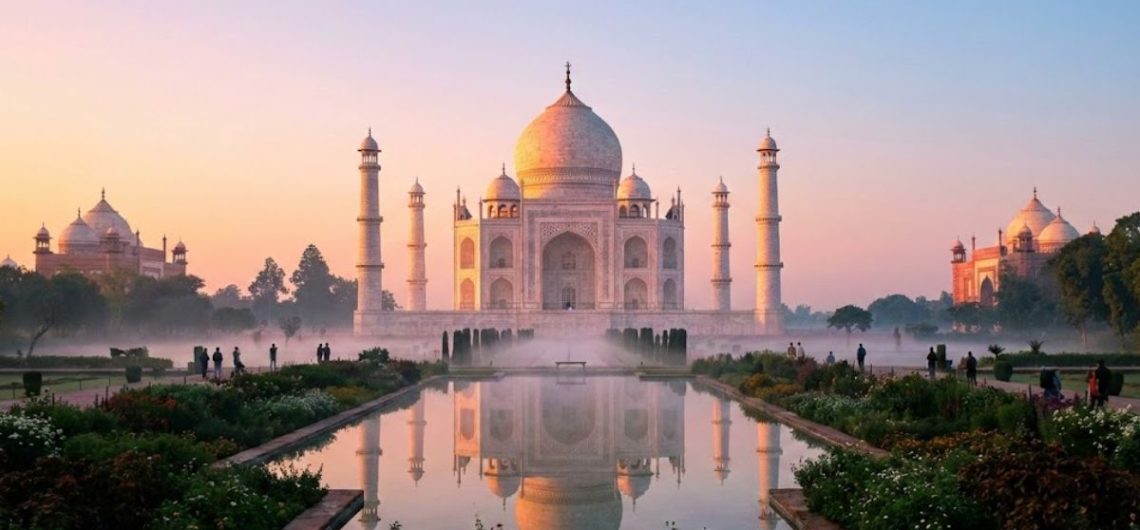
Stepping through the arched gate just as dawn breaks over the Taj Mahal is unforgettable. The ivory-marble mausoleum on the banks of the Yamuna becomes a glowing vision in the soft golden light. Millions of tourists flock to this UNESCO World Heritage “monument of love” each year, but the Taj Mahal Sunrise Tour is a truly magical experience few forget. In fact, experts agree that early morning – around sunrise – is the best time to visit the Taj Mahal.
Cooler air, gentle colors, and almost no crowds combine to create a peaceful, almost spiritual moment. As one travel writer put it, “Sunrise is by far the best time to visit the Taj Mahal… the early morning light turns the dome a soft, golden colour, and there are the least amount of tourists”. In this travel guide, I’ll explain why dawn reigns supreme over a midday or sunset visit, share first-person tips and common pitfalls, and help you plan the perfect Taj Mahal morning experience.
Many travellers who want to see the Taj in its most peaceful form choose a Taj Mahal Sunrise Tour, as it lets you enter early, avoid the crowds, and enjoy the monument in golden morning light.
Why Sunrise is the Best Time to See the Taj Mahal
Visiting the Taj Mahal at sunrise feels like stepping into a painting. In the cool dawn, the white marble shimmers pink and gold as the sun peeks up, and the air carries a gentle mist from the Yamuna. I still remember walking the empty gardens as the monument lit up – it was breathtakingly calm. Travel blogs describe this scene as “so calm and surreal”, a contrast to the afternoon bustle.
With virtually no crowds yet, you can admire the intricate marble inlay work and carvings up close. As one tourist shared, she “took my best photos of the Taj Mahal during sunrise. The light was perfect, and I had the place almost to myself!”. Sunrise also means cooler temperatures – often in the pleasant 15–25 °C range – so you aren’t wilting in the heat.
In short, the soft morning light and serene atmosphere make dawn the most photogenic and peaceful time to be here.
Sunrise vs Daytime: Light, Crowds, and Heat
By mid-morning, the Taj Mahal grounds become a whirlwind. Tour buses and dozens of guides arrive, cameras flash, and lines for the mausoleum grow long. In contrast, the dawn visit is almost private. One traveler noted that at sunrise “not only is the light better, the experience is better – and no dealing with midday tour buses”. With far fewer people, you can frame your shots without dozens of photobombers and actually feel the monument’s grandeur.
The slanted morning sun also casts sculptural shadows that bring out the carvings and marble veins, whereas the harsh overhead sun at noon can flatten everything. Perhaps most dramatically, the midday sun in Agra can be brutally hot.
Travel experts warn that after 10 AM it becomes “uncomfortably hot” and even “afternoon heat can be extreme”. I remember enjoying a hot chai by 8 AM while others were scrambling off buses in the blinding sunlight. Early morning is crisp and cool, making every step through the gardens comfortable and every photo radiant.
Sunrise vs Sunset: Dawn Serenity vs Golden Dusk
Sunset at the Taj Mahal certainly has its fans – the white domes turn rosy as the sky deepens into orange and pink. It can feel romantic and dramatic, with bigger crowds gathering on the Mehtab Bagh side. But the vibe is entirely different from dawn. At sunrise, there’s a hushed spirituality in the air; at sunset, it’s more of a celebration.
As one guide summed up: “early risers will appreciate the Taj Mahal morning light… quiet reflection… cool morning air” – whereas “sunset brings a lively atmosphere… dramatic visuals and a romantic vibe”. In practice, that means a bit more elbow room in the morning.
By the time the sun dips, the crowd is often larger and louder. Personally, I’ve done both – and while the colors of dusk are beautiful, there’s something almost intimate about seeing the Taj at dawn, with the silence broken only by birdsong and the occasional call of “ticket please!”
Taj Mahal Sunrise Tour from Delhi: Getting There
Many visitors from New Delhi make a pilgrimage to see the Taj Mahal, and some companies even market “Taj Mahal Sunrise Tour from Delhi.” In reality, it’s a very early start! The journey from Delhi takes about 3–4 hours by train or car, so you’ll likely need to travel overnight or arrive in Agra the day before.
If you’re coming from Delhi, consider taking a late-night train or hiring a driver so you can sleep en route and wake up near Agra. Better yet, stay overnight in Agra itself.
In fact, travel blogs strongly advise against a same-day rush: one blogger said a day trip from Delhi would mean “rush hour, harsh afternoon lighting and crowded atmosphere,” so she “stayed two nights in Agra” to fully enjoy the Taj. By the time I stepped out of a pre-dawn taxi at Agra’s East Gate, I already felt glad we’d made the effort.
(Pro tip: the East Gate is closest to parking and emptiest at sunrise, whereas the West Gate attracts most domestic crowds.)
While many people prefer an early morning visit, some travellers choose a same day Taj Mahal tour from Delhi when they have limited time but still want to experience the Taj Mahal without staying overnight.
Tips for First-Time Visitors
To make the most of your sunrise tour, here are some practical tips:
- Buy Tickets in Advance. Don’t waste precious morning minutes in a ticket line. Use the official website (ASIS PayU) to purchase tickets a day or two ahead. Note: You can’t buy tickets for Fridays (the Taj is closed every Friday).
- Arrive Extra-Early. The Taj Mahal officially opens 30 minutes before sunrise (around 6 AM). Plan to be at the entrance by 5:30 AM. In practice, getting there by 5:30 often means being at the front of the queue. (On one visit, there were already ~20 people waiting at 5:30; by 6:00, nearly 250 people had lined up.) Early arrival means you walk in first and can dash to the best photo spots.
- Pack Light. Security is tight and bag checks are slow. Entering without a bag (or with only a tiny purse) lets you breeze through the metal detectors. The author of one Taj sunrise guide says, “The bigger your bag, the longer you’ll wait… If you enter without a bag, or with a very small bag, you’ll be waived right through the security line”. In fact, leave non-essentials (tripods, large cameras, snacks, etc.) at your hotel. You can bring one 500 ml water bottle and your phone/camera. They provide a complimentary small water bottle with each ticket. (Tripods and professional camera rigs are not allowed inside.)
- Dress and Behave Respectfully. The Taj Mahal is a mosque and mausoleum; cover shoulders and knees out of respect. You’ll also remove your shoes or wear provided shoe covers before entering the main platform. Keep voices low in the gardens to preserve the peaceful vibe.
- Head to the Main Platform First. Once inside, many guides say the central fountain platform is the classic first shot. It’s front-and-center. If you move quickly, you can secure that space before tour groups arrive. Then explore the side mosque arches and reflecting pools for different angles.
- Mausoleum Timing. If you want to go inside the mausoleum (to see the tombs), do it at the end of your visit. Guards let small groups in briefly; it’s easier to join in later once the bigger crowd photoshoots are done.
- Plan 2–3 Hours. Most first-time visitors spend around 2–3 hours at the Taj. If you enter at 6:00 AM, you could be finished by 8:30–9:00. By 10:00, the sun can be very hot again, so after morning exploring, you might head back to your hotel for breakfast and a rest.
Mistakes to Avoid on a Sunrise Tour
Even experienced travelers can slip up. Common pitfalls include:
- Sleeping In. Missing the sunrise defeats the purpose. If you oversleep and arrive late, you’ll face the long lines and intense heat. I’ve heard horror stories of visitors arriving at 10 AM in full sun and swearing never again.
- Going in Peak Heat or Monsoon. Avoid April–June if you can (temperatures in Agra often hit 45–50 °C) and July–September if heavy monsoon rains are possible. Winter (Oct–Dec) and spring (Feb–Mar) are ideal. Keep in mind that winter dawns can be foggy (December–January fog is common), but some travelers love the Taj shrouded in mist.
- Ignoring Gates and Days Off. The Taj closes every Friday and also closes between late afternoon and sunset (last entry ~30 minutes before sundown). Check the calendar before you book any travel arrangements.
- Packing Prohibited Items. Remember: no food or outside drink, no lighters, and no large electronic devices aside from your camera/phone. If you pack these, security will keep them and make you wait.
- Day-Trip from Delhi Mistake. It might be cheaper to book a same-day tour from Delhi, but it’s often exhausting and rushed. Travelers routinely advise against it: one blogger warned that a day tour means battling crowds and fatigue, whereas staying in Agra made the sunrise visit “truly memorable”. If possible, arrange to sleep in Agra or leave Delhi late at night so you wake up nearby.
- Believing Only Sunset is Beautiful. Some people assume sunset is the only “pretty” time, but trust us – sunrise has its own mesmerizing beauty. Don’t let a little haze or chill scare you off; even a pastel-draped Taj in winter has a charm all its own.
Best Months to Visit the Taj Mahal
The best seasons for an Agra trip are October through March. In these months, the skies tend to be clear and the weather cool. December and January are peak tourist months, so expect crowds (especially during holidays) and possibly foggy mornings.
Many experts recommend the shoulder months of February–March or October–November to balance weather and crowds. I chose March once and found 15–30 °C weather and manageable crowds. If you do come in winter, embrace the fog: it gives the Taj a dreamy, mystical look (and on a clear morning you still get gorgeous sun rays). Just remember, summer (Apr–Jun) can be brutally hot, and heavy monsoon rains (Jul–Sep) can interrupt outdoor plans.
Who Should Choose a Sunrise Tour?
A Taj Mahal sunrise visit is ideal for anyone who cherishes quiet moments and photography. Early birds and honeymooning couples will love the romance of the empty gardens. Architecture buffs and heritage travelers can study the Mughal details without jostling crowds. If you’re sensitive to heat or large crowds, the cooler morning hours are far more comfortable.
Even families: while it’s an early wake-up, children can enjoy the adventure of being the “first” visitors of the day and spotting little wildlife in the gardens. Photographers unanimously prefer dawn – as Agoda’s guide notes, “the golden hour, just before sunrise, is a magical time for photography”. And for anyone coming from Delhi or nearby, I’d say: yes, the early start is challenging, but the reward is unmatched.
Instead of racing through Agra on the way back to Delhi, you’ll have a calm, complete experience. As one Agra travel writer recommends, skip that same-day whirlwind. Book a hotel in Agra so you can stroll up for sunrise well-rested.
Final Verdict: Embrace the Dawn
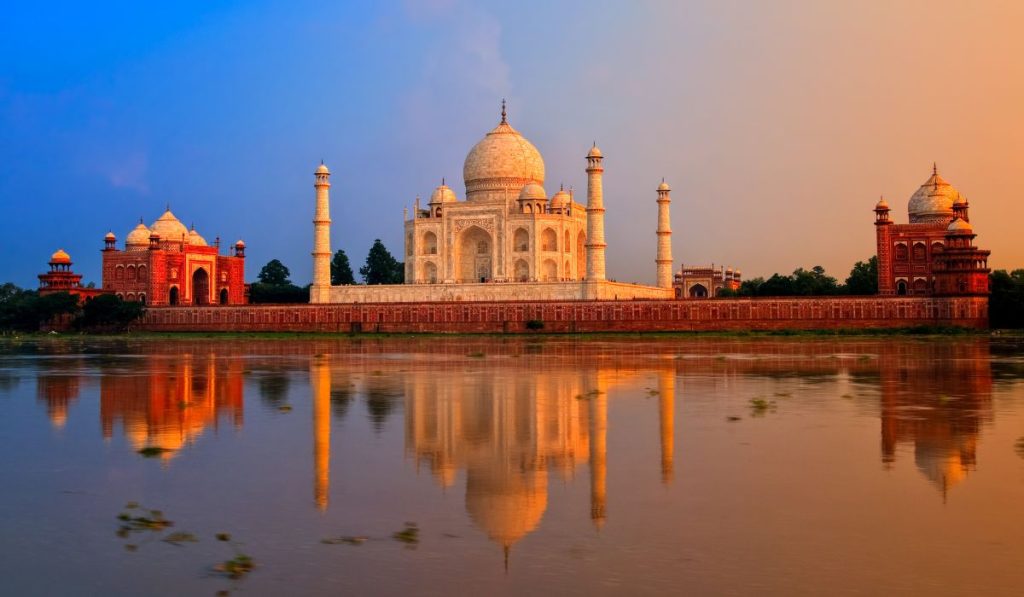
After all, if you want to truly capture the spirit of the Taj Mahal, sunrise is not just an option – it’s the only way to go. The serene morning light, the solitude, and the cool air make the experience feel almost private. Guides and travelers alike say it:
“Yes, sunrise visits offer lower crowd density, softer light, and a more relaxed experience” compared to later in the day. In my many travels, few moments compare to standing in that vast garden as the sun gently illuminates the dome.
You emerge as a better photographer, a calmer traveler, and with a story worth sharing. So set your alarm clock for an early train or taxi, and join the happy few who saw the Taj Mahal at dawn. You’ll leave convinced that the only right time to visit the Taj Mahal is at sunrise.
Sources: Author’s experience and travel guides, including first-person travel blogs and Taj visitor FAQs, which confirm that mornings mean fewer crowds, cooler air, and perfect light for photos. All advice above is drawn from reliable travel sources and expert tips.

Comments