<!-- wp:paragraph {"fontSize":"medium"} -->
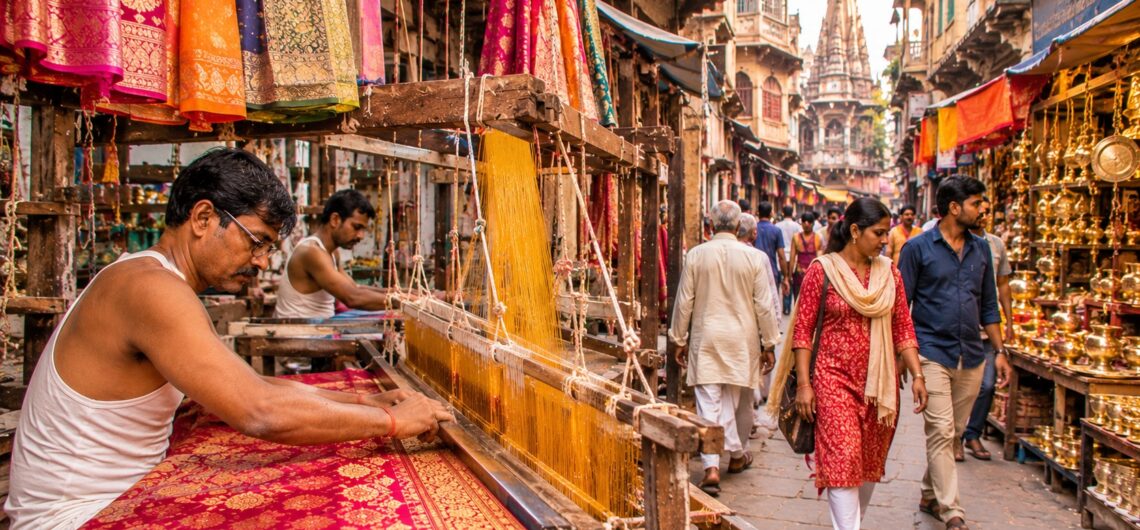
<p class="has-medium-font-size">Most visitors to Varanasi focus on the riverfront: the morning boat ride, the evening Ganga Aarti at Dashashwamedh, and a few major temples. A well-planned <strong>Varanasi Cultural Tour</strong> takes you deeper into the living city—its handloom workshops, medieval galis, spice and brass markets, university campus, and everyday flavours—so you experience the culture that has shaped Kashi for centuries.</p>
<!-- /wp:paragraph -->
<!-- wp:paragraph {"fontSize":"medium"} -->
<p class="has-medium-font-size">Varanasi (Banaras/Kashi) is one of the world’s oldest continuously inhabited cities. Its identity rests not only on spirituality but also on continuous craft traditions, scholarly life, and a distinctive food culture. A cultural tour connects these elements without reducing the city to a checklist of photo stops.</p>
<!-- /wp:paragraph -->
<!-- wp:image {"id":2355,"sizeSlug":"large","linkDestination":"none"} -->
<figure class="wp-block-image size-large"><img src="https://www.tajadventureholidays.com/wp-content/uploads/2026/11/varanasi-old-city-heritage-lanes-1024x768.jpg" alt="Narrow heritage lanes of old Varanasi with traditional architecture and local life" class="wp-image-2355"/></figure>
<!-- /wp:image -->
<!-- wp:heading -->
<h2 class="wp-block-heading">Why a Varanasi Cultural Tour Is Worth Experiencing?</h2>
<!-- /wp:heading -->
<!-- wp:paragraph {"fontSize":"medium"} -->
<p class="has-medium-font-size">A focused cultural itinerary reveals how tradition continues in daily life. You meet master weavers whose families have produced Banarasi silk for generations, walk the narrow lanes where local families shop and worship, taste recipes perfected over decades, and understand the interplay of Hindu, Muslim artisan, and Buddhist heritage. This approach creates richer memories and more meaningful souvenirs than rushing between the most famous spots.</p>
<!-- /wp:paragraph -->
<!-- wp:paragraph {"fontSize":"medium"} -->
<p class="has-medium-font-size">For both Indian and international travellers, the value lies in context and respectful immersion.</p>
<!-- /wp:paragraph -->
<!-- wp:heading -->
<h2 class="wp-block-heading">Banarasi Silk Weaving and Traditional Crafts</h2>
<!-- /wp:heading -->
<!-- wp:image {"id":2356,"sizeSlug":"large","linkDestination":"none"} -->
<figure class="wp-block-image size-large"><img src="https://www.tajadventureholidays.com/wp-content/uploads/2026/11/banarasi-silk-weaving-workshop-varanasi-1024x768.jpg" alt="Local artisans weaving Banarasi silk on traditional handlooms in Varanasi" class="wp-image-2356"/></figure>
<!-- /wp:image -->
<!-- wp:paragraph {"fontSize":"medium"} -->
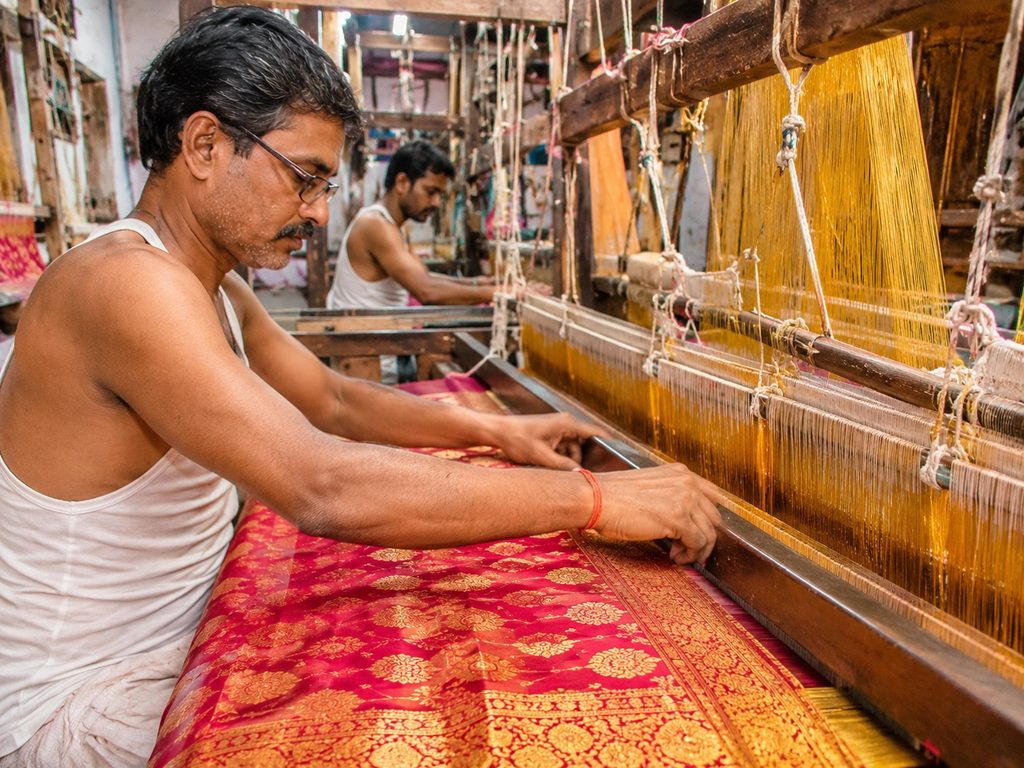
<p class="has-medium-font-size">Banarasi silk is one of India’s most celebrated textiles. In neighbourhoods such as Madanpura, Lallapura, Alaipura and nearby areas, skilled weavers (many from long-established Muslim Ansari families) create intricate brocades, zari work and pure mulberry silk sarees on handlooms. The craft has deep historical roots and carries a Geographical Indication (GI) tag for authentic Banaras Brocades and Sarees.</p>
<!-- /wp:paragraph -->
<!-- wp:paragraph {"fontSize":"medium"} -->
<p class="has-medium-font-size">Visiting a working karkhana (workshop) lets you watch the complex process of pattern design (naksha), loom setup and weaving. Many family workshops welcome respectful visitors. Buying directly from weavers or cooperatives supports the tradition and helps distinguish genuine handloom pieces from power-loom imitations. Other local crafts worth seeking include Khojwa wooden lacquerware toys and brass/copper ritual vessels from Thatheri Bazar.</p>
<!-- /wp:paragraph -->
<!-- wp:heading -->
<h2 class="wp-block-heading">Exploring the Old City Galies and Local Markets</h2>
<!-- /wp:heading -->
<!-- wp:image {"id":2357,"sizeSlug":"large","linkDestination":"none"} -->
<figure class="wp-block-image size-large"><img src="https://www.tajadventureholidays.com/wp-content/uploads/2026/11/varanasi-old-city-market-gali-1024x768.jpg" alt="Peaceful view of Sarnath stupa and grounds near Varanasi" class="wp-image-2357"/></figure>
<!-- /wp:image -->
<!-- wp:paragraph {"fontSize":"medium"} -->
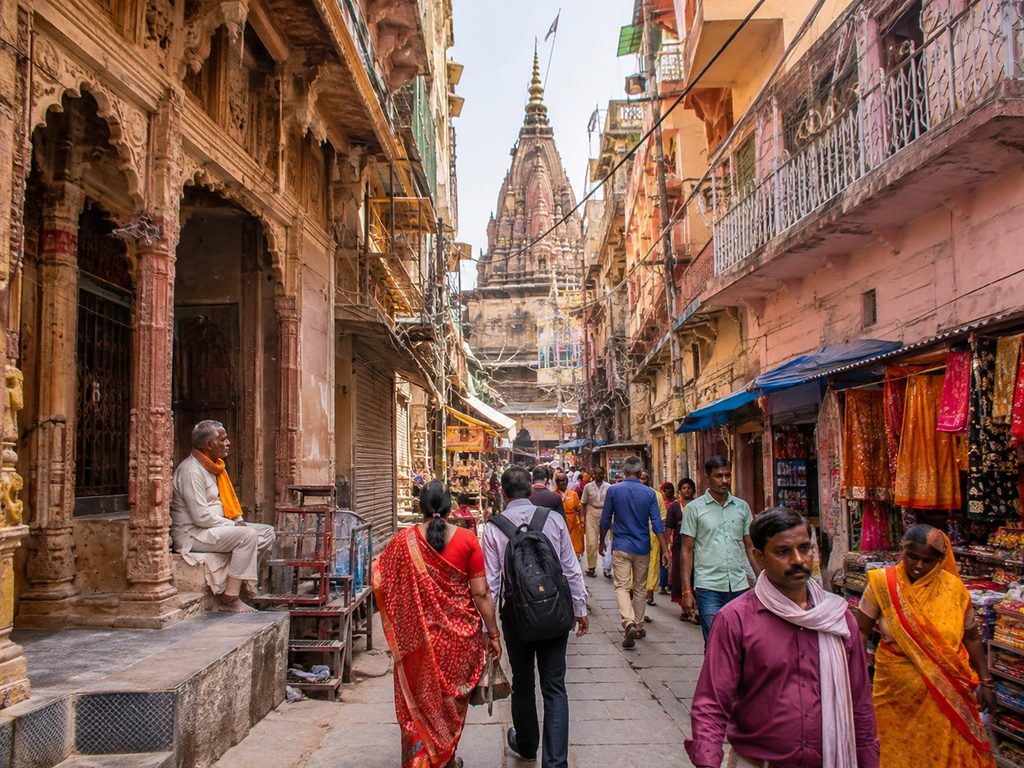
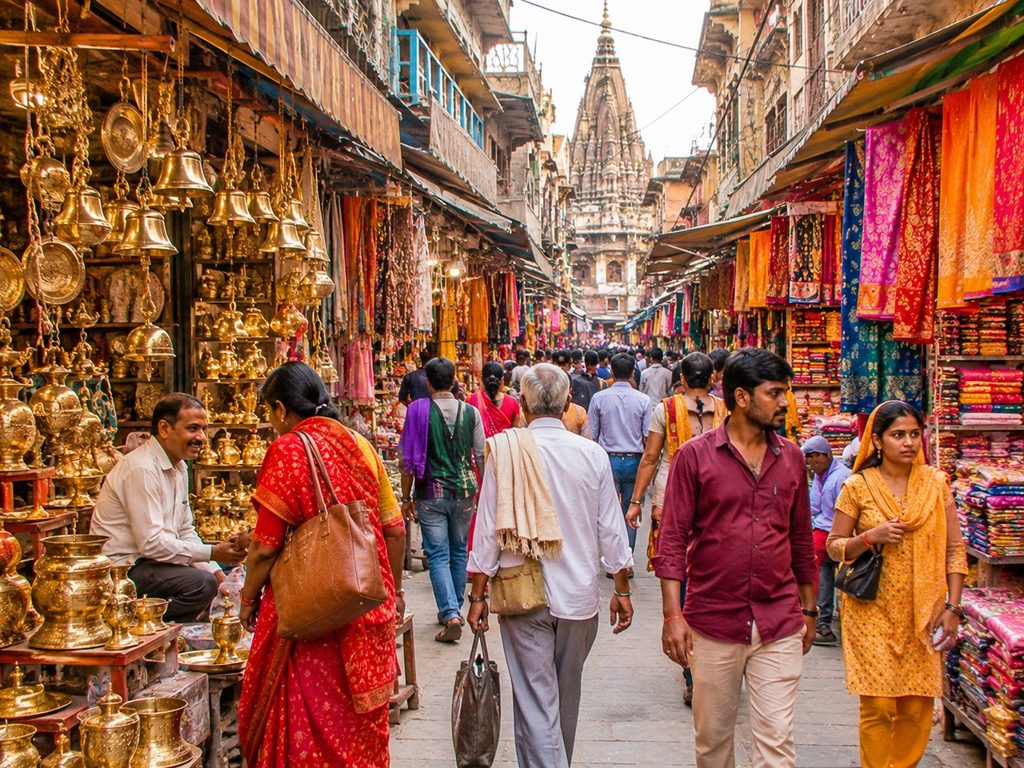
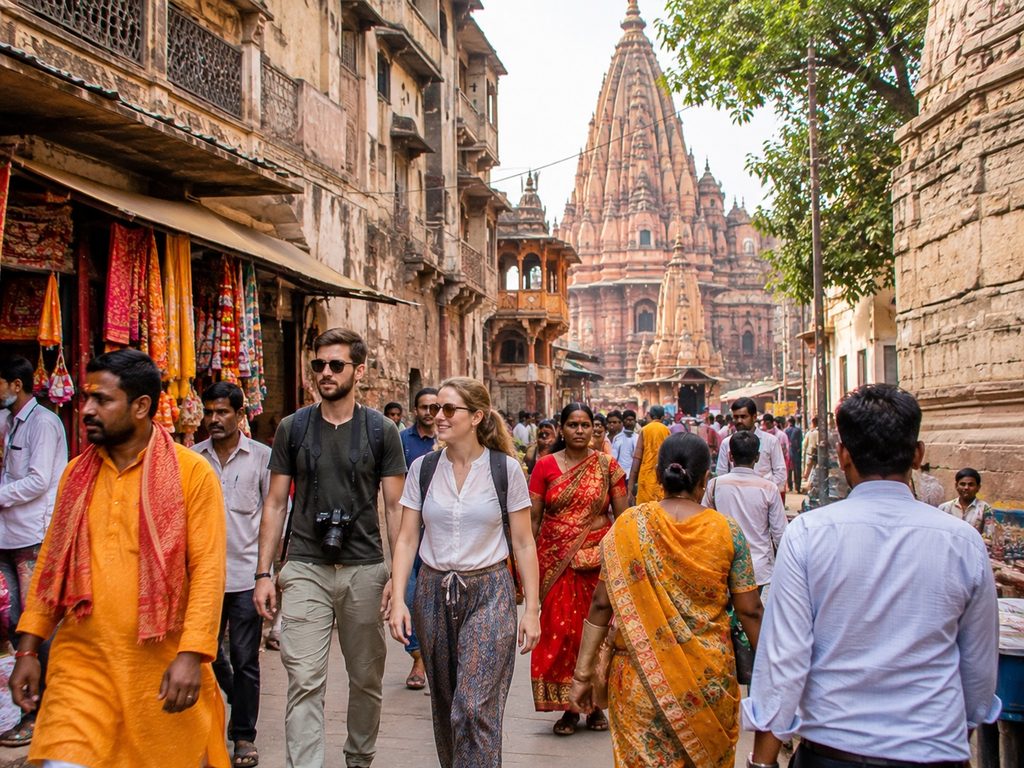
<p class="has-medium-font-size">The dense network of galis (alleys) around Godowlia, Vishwanath Gali, Chowk and Thatheri Bazar forms the historic heart of the city. These lanes contain merchant havelis, small temples, spice sellers, paan shops, brassware workshops and everyday commerce. A guided heritage walk reveals layers of history that are easy to miss independently.</p>
<!-- /wp:paragraph -->
<!-- wp:paragraph {"fontSize":"medium"} -->
<p class="has-medium-font-size">Thatheri Bazar is known for traditional metalwork. Nearby areas offer silk, jewellery and ritual items. Morning or late-afternoon walks are usually more comfortable. A knowledgeable local guide helps with navigation, stories and respectful interaction.</p>
<!-- /wp:paragraph -->
<!-- wp:heading -->
<h2 class="wp-block-heading">Sarnath and Scholarly Heritage</h2>
<!-- /wp:heading -->
<!-- wp:image {"id":2358,"sizeSlug":"large","linkDestination":"none"} -->
<figure class="wp-block-image size-large"><img src="https://www.tajadventureholidays.com/wp-content/uploads/2026/11/sarnath-dhamek-stupa-varanasi-1024x768.jpg" alt="Peaceful view of Sarnath stupa and grounds near Varanasi" class="wp-image-2358"/></figure>
<!-- /wp:image -->
<!-- wp:paragraph {"fontSize":"medium"} -->
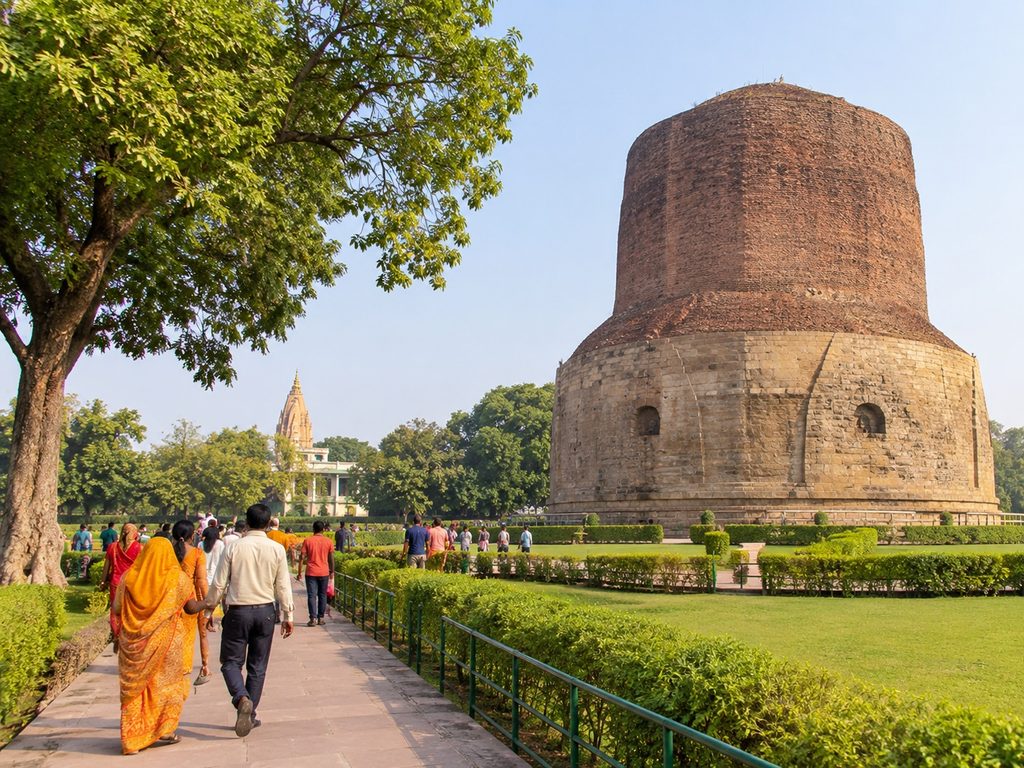
<p class="has-medium-font-size">A short drive from Varanasi, Sarnath is where the Buddha delivered his first sermon. The Dhamek Stupa, excavated monasteries, Archaeological Museum (home to the Ashoka Lion Capital) and peaceful gardens offer a contrasting, contemplative atmosphere. Combining Sarnath with a cultural day in the city creates a balanced picture of the region’s multi-layered spiritual and intellectual history.</p>
<!-- /wp:paragraph -->
<!-- wp:paragraph {"fontSize":"medium"} -->
<p class="has-medium-font-size">Within Varanasi, Banaras Hindu University (BHU) campus, the New Vishwanath Temple, and Bharat Kala Bhavan museum provide insight into modern scholarly and artistic life.</p>
<!-- /wp:paragraph -->
<!-- wp:heading -->
<h2 class="wp-block-heading">Local Food and Everyday Flavours</h2>
<!-- /wp:heading -->
<!-- wp:image {"id":2359,"sizeSlug":"large","linkDestination":"none"} -->
<figure class="wp-block-image size-large"><img src="https://www.tajadventureholidays.com/wp-content/uploads/2026/11/varanasi-street-food-kachori-chaat-1024x768.jpg" alt="Traditional Varanasi street food including kachori, chaat and local sweets" class="wp-image-2359"/></figure>
<!-- /wp:image -->
<!-- wp:paragraph {"fontSize":"medium"} -->
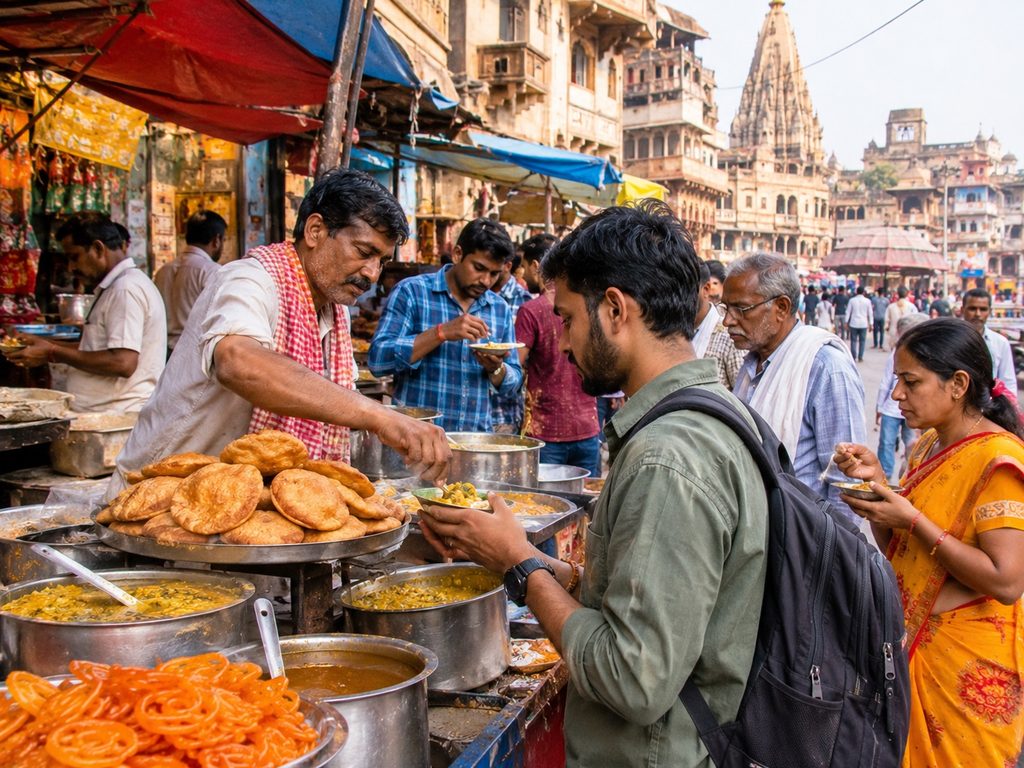
<p class="has-medium-font-size">Varanasi’s street food is an essential cultural experience. Classic morning combinations include kachori-sabzi and jalebi. Signature snacks include tamatar chaat, palak patta chaat, and (in winter) malaiyo. Thandai, rabri-malai lassi in earthen kulhads, and carefully prepared Banarasi paan round out the experience. Food walks through areas such as Kachori Gali or Godowlia introduce these flavours in context and with local guidance on hygiene and favourites.</p>
<!-- /wp:paragraph -->
<!-- wp:heading -->
<h2 class="wp-block-heading">Practical Suggestions for Travellers</h2>
<!-- /wp:heading -->
<!-- wp:list -->
<ul class="wp-block-list"><!-- wp:list-item {"fontSize":"medium"} -->
<li class="has-medium-font-size">Best season is roughly October to March for comfortable walking.</li>
<!-- /wp:list-item -->
<!-- wp:list-item {"fontSize":"medium"} -->
<li class="has-medium-font-size">Combine a cultural half-day (weavers + old-city walk + food) with a morning boat or evening Aarti if desired.</li>
<!-- /wp:list-item -->
<!-- wp:list-item {"fontSize":"medium"} -->
<li class="has-medium-font-size">Wear modest, comfortable clothing and supportive shoes for the galis.</li>
<!-- /wp:list-item -->
<!-- wp:list-item {"fontSize":"medium"} -->
<li class="has-medium-font-size">Many traditional weaving workshops rest on Fridays.</li>
<!-- /wp:list-item -->
<!-- wp:list-item {"fontSize":"medium"} -->
<li class="has-medium-font-size">A local guide or specialised cultural operator greatly improves access to authentic workshops and understanding.</li>
<!-- /wp:list-item -->
<!-- wp:list-item {"fontSize":"medium"} -->
<li class="has-medium-font-size">Respect photography etiquette, especially near cremation ghats and private homes.</li>
<!-- /wp:list-item -->
<!-- wp:list-item {"fontSize":"medium"} -->
<li class="has-medium-font-size">Recent initiatives such as the UP Tourism GPS audio guide for the 84 ghats offer useful independent context for the riverfront.</li>
<!-- /wp:list-item --></ul>
<!-- /wp:list -->
<!-- wp:heading -->
<h2 class="wp-block-heading">How to Plan with Local Expertise</h2>
<!-- /wp:heading -->
<!-- wp:paragraph {"fontSize":"medium"} -->
<p class="has-medium-font-size">Specialised operators and local guides offer private Varanasi Cultural Tours that combine silk-weaving visits, old-city heritage walks, food tastings, and optional Sarnath or BHU stops. These experiences prioritise authentic access and cultural context over rushed sightseeing. When booking, look for operators who work respectfully with artisan communities and provide clear itineraries.</p>
<!-- /wp:paragraph -->
<!-- wp:image {"id":2360,"sizeSlug":"large","linkDestination":"none"} -->
<figure class="wp-block-image size-large"><img src="https://www.tajadventureholidays.com/wp-content/uploads/2026/11/travellers-varanasi-cultural-experience-1024x768.jpg" alt="Visitors exploring cultural sites and lanes in Varanasi" class="wp-image-2360"/></figure>
<!-- /wp:image -->
<!-- wp:heading -->
<h2 class="wp-block-heading">Frequently Asked Questions</h2>
<!-- /wp:heading -->
<!-- wp:accordion -->
<div role="group" class="wp-block-accordion"><!-- wp:accordion-item -->
<div class="wp-block-accordion-item"><!-- wp:accordion-heading -->
<h3 class="wp-block-accordion-heading has-icon has-icon-right"><button type="button" class="wp-block-accordion-heading__toggle"><span class="wp-block-accordion-heading__toggle-title">What does a typical Varanasi Cultural Tour include?</span><span class="wp-block-accordion-heading__toggle-icon" aria-hidden="true">+</span></button></h3>
<!-- /wp:accordion-heading -->
<!-- wp:accordion-panel -->
<div role="region" class="wp-block-accordion-panel"><!-- wp:paragraph -->
<p>Common elements are a visit to a Banarasi silk weaving workshop, a guided walk through old-city galis and markets, local street-food tasting, and often time at Sarnath or key cultural sites. Evening Ganga Aarti can be added.</p>
<!-- /wp:paragraph -->
<!-- wp:accordion -->
<div role="group" class="wp-block-accordion"><!-- wp:accordion-item -->
<div class="wp-block-accordion-item"><!-- wp:accordion-heading -->
<h3 class="wp-block-accordion-heading has-icon has-icon-right"><button type="button" class="wp-block-accordion-heading__toggle"><span class="wp-block-accordion-heading__toggle-title">Is it possible to visit real silk weavers?</span><span class="wp-block-accordion-heading__toggle-icon" aria-hidden="true">+</span></button></h3>
<!-- /wp:accordion-heading -->
<!-- wp:accordion-panel -->
<div role="region" class="wp-block-accordion-panel"><!-- wp:paragraph -->
<p>Yes. Neighbourhoods such as Madanpura and Lallapura have family workshops that welcome visitors. A local guide helps arrange respectful access.</p>
<!-- /wp:paragraph --></div>
<!-- /wp:accordion-panel --></div>
<!-- /wp:accordion-item --></div>
<!-- /wp:accordion --></div>
<!-- /wp:accordion-panel --></div>
<!-- /wp:accordion-item --></div>
<!-- /wp:accordion -->
<!-- wp:accordion -->
<div role="group" class="wp-block-accordion"><!-- wp:accordion-item -->
<div class="wp-block-accordion-item"><!-- wp:accordion-heading -->
<h3 class="wp-block-accordion-heading has-icon has-icon-right"><button type="button" class="wp-block-accordion-heading__toggle"><span class="wp-block-accordion-heading__toggle-title">What local food should I try?</span><span class="wp-block-accordion-heading__toggle-icon" aria-hidden="true">+</span></button></h3>
<!-- /wp:accordion-heading -->
<!-- wp:accordion-panel -->
<div role="region" class="wp-block-accordion-panel"><!-- wp:paragraph -->
<p>Kachori-sabzi with jalebi for breakfast, tamatar chaat or other chaats, winter malaiyo if available, thandai or lassi, and Banarasi paan.</p>
<!-- /wp:paragraph --></div>
<!-- /wp:accordion-panel --></div>
<!-- /wp:accordion-item --></div>
<!-- /wp:accordion -->
<!-- wp:accordion -->
<div role="group" class="wp-block-accordion"><!-- wp:accordion-item -->
<div class="wp-block-accordion-item"><!-- wp:accordion-heading -->
<h3 class="wp-block-accordion-heading has-icon has-icon-right"><button type="button" class="wp-block-accordion-heading__toggle"><span class="wp-block-accordion-heading__toggle-title">How much time is needed for a meaningful cultural experience?</span><span class="wp-block-accordion-heading__toggle-icon" aria-hidden="true">+</span></button></h3>
<!-- /wp:accordion-heading -->
<!-- wp:accordion-panel -->
<div role="region" class="wp-block-accordion-panel"><!-- wp:paragraph -->
<p>A focused half-day covers weaving, lanes and food. A full day or two allows a more relaxed pace plus Sarnath.</p>
<!-- /wp:paragraph --></div>
<!-- /wp:accordion-panel --></div>
<!-- /wp:accordion-item --></div>
<!-- /wp:accordion -->
<!-- wp:accordion -->
<div role="group" class="wp-block-accordion"><!-- wp:accordion-item -->
<div class="wp-block-accordion-item"><!-- wp:accordion-heading -->
<h3 class="wp-block-accordion-heading has-icon has-icon-right"><button type="button" class="wp-block-accordion-heading__toggle"><span class="wp-block-accordion-heading__toggle-title">Are the old-city lanes safe for visitors?</span><span class="wp-block-accordion-heading__toggle-icon" aria-hidden="true">+</span></button></h3>
<!-- /wp:accordion-heading -->
<!-- wp:accordion-panel -->
<div role="region" class="wp-block-accordion-panel"><!-- wp:paragraph -->
<p>Yes during daylight hours with normal urban caution. A guide is recommended for first-time visitors due to the maze-like layout.</p>
<!-- /wp:paragraph --></div>
<!-- /wp:accordion-panel --></div>
<!-- /wp:accordion-item --></div>
<!-- /wp:accordion -->
Most visitors to Varanasi focus on the riverfront: the morning boat ride, the evening Ganga Aarti at Dashashwamedh, and a few major temples. A well-planned Varanasi Cultural Tour takes you deeper into the living city—its handloom workshops, medieval galis, spice and brass markets, university campus, and everyday flavours—so you experience the culture that has shaped Kashi for centuries.
Varanasi (Banaras/Kashi) is one of the world’s oldest continuously inhabited cities. Its identity rests not only on spirituality but also on continuous craft traditions, scholarly life, and a distinctive food culture. A cultural tour connects these elements without reducing the city to a checklist of photo stops.
Why a Varanasi Cultural Tour Is Worth Experiencing?
A focused cultural itinerary reveals how tradition continues in daily life. You meet master weavers whose families have produced Banarasi silk for generations, walk the narrow lanes where local families shop and worship, taste recipes perfected over decades, and understand the interplay of Hindu, Muslim artisan, and Buddhist heritage. This approach creates richer memories and more meaningful souvenirs than rushing between the most famous spots.
For both Indian and international travellers, the value lies in context and respectful immersion.
Banarasi Silk Weaving and Traditional Crafts
Banarasi silk is one of India’s most celebrated textiles. In neighbourhoods such as Madanpura, Lallapura, Alaipura and nearby areas, skilled weavers (many from long-established Muslim Ansari families) create intricate brocades, zari work and pure mulberry silk sarees on handlooms. The craft has deep historical roots and carries a Geographical Indication (GI) tag for authentic Banaras Brocades and Sarees.
Visiting a working karkhana (workshop) lets you watch the complex process of pattern design (naksha), loom setup and weaving. Many family workshops welcome respectful visitors. Buying directly from weavers or cooperatives supports the tradition and helps distinguish genuine handloom pieces from power-loom imitations. Other local crafts worth seeking include Khojwa wooden lacquerware toys and brass/copper ritual vessels from Thatheri Bazar.
Exploring the Old City Galies and Local Markets
The dense network of galis (alleys) around Godowlia, Vishwanath Gali, Chowk and Thatheri Bazar forms the historic heart of the city. These lanes contain merchant havelis, small temples, spice sellers, paan shops, brassware workshops and everyday commerce. A guided heritage walk reveals layers of history that are easy to miss independently.
Thatheri Bazar is known for traditional metalwork. Nearby areas offer silk, jewellery and ritual items. Morning or late-afternoon walks are usually more comfortable. A knowledgeable local guide helps with navigation, stories and respectful interaction.
Sarnath and Scholarly Heritage
A short drive from Varanasi, Sarnath is where the Buddha delivered his first sermon. The Dhamek Stupa, excavated monasteries, Archaeological Museum (home to the Ashoka Lion Capital) and peaceful gardens offer a contrasting, contemplative atmosphere. Combining Sarnath with a cultural day in the city creates a balanced picture of the region’s multi-layered spiritual and intellectual history.
Within Varanasi, Banaras Hindu University (BHU) campus, the New Vishwanath Temple, and Bharat Kala Bhavan museum provide insight into modern scholarly and artistic life.
Local Food and Everyday Flavours
Varanasi’s street food is an essential cultural experience. Classic morning combinations include kachori-sabzi and jalebi. Signature snacks include tamatar chaat, palak patta chaat, and (in winter) malaiyo. Thandai, rabri-malai lassi in earthen kulhads, and carefully prepared Banarasi paan round out the experience. Food walks through areas such as Kachori Gali or Godowlia introduce these flavours in context and with local guidance on hygiene and favourites.
Practical Suggestions for Travellers
Best season is roughly October to March for comfortable walking.
Combine a cultural half-day (weavers + old-city walk + food) with a morning boat or evening Aarti if desired.
Wear modest, comfortable clothing and supportive shoes for the galis.
Many traditional weaving workshops rest on Fridays.
A local guide or specialised cultural operator greatly improves access to authentic workshops and understanding.
Respect photography etiquette, especially near cremation ghats and private homes.
Recent initiatives such as the UP Tourism GPS audio guide for the 84 ghats offer useful independent context for the riverfront.
How to Plan with Local Expertise
Specialised operators and local guides offer private Varanasi Cultural Tours that combine silk-weaving visits, old-city heritage walks, food tastings, and optional Sarnath or BHU stops. These experiences prioritise authentic access and cultural context over rushed sightseeing. When booking, look for operators who work respectfully with artisan communities and provide clear itineraries.
Frequently Asked Questions
Common elements are a visit to a Banarasi silk weaving workshop, a guided walk through old-city galis and markets, local street-food tasting, and often time at Sarnath or key cultural sites. Evening Ganga Aarti can be added.
Yes. Neighbourhoods such as Madanpura and Lallapura have family workshops that welcome visitors. A local guide helps arrange respectful access.
Kachori-sabzi with jalebi for breakfast, tamatar chaat or other chaats, winter malaiyo if available, thandai or lassi, and Banarasi paan.
A focused half-day covers weaving, lanes and food. A full day or two allows a more relaxed pace plus Sarnath.
Yes during daylight hours with normal urban caution. A guide is recommended for first-time visitors due to the maze-like layout.