<!-- wp:paragraph -->
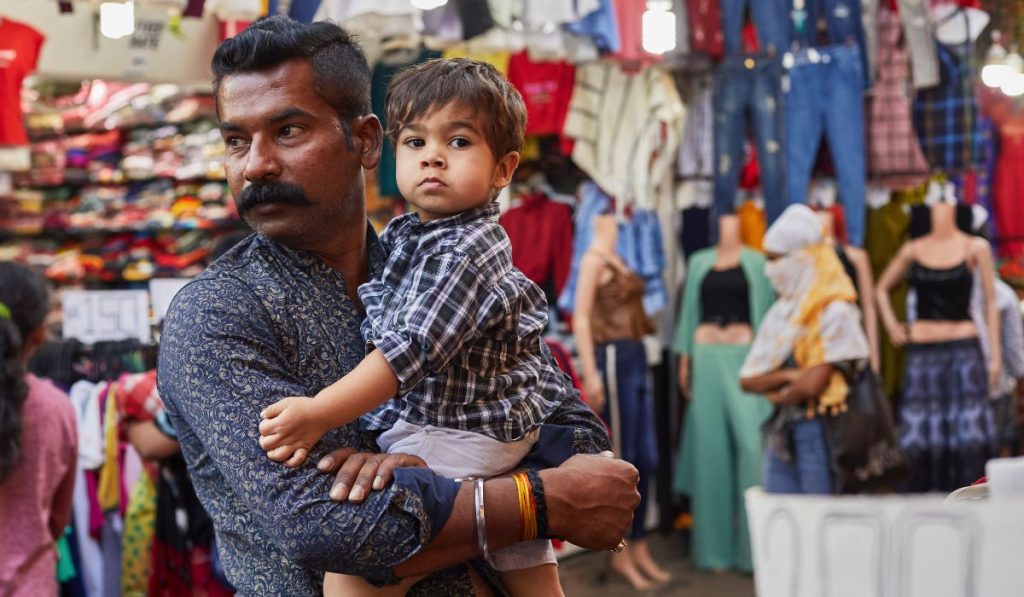
<p>Most tourists arrive at the Taj Mahal unprepared. They're turned away at the gate. Or they miss the best photo spots. Or they waste an hour in security lines they didn't know existed.</p>
<!-- /wp:paragraph -->
<!-- wp:paragraph -->
<p>You don't have to be one of them.</p>
<!-- /wp:paragraph -->
<!-- wp:paragraph -->
<p>This guide covers everything — what to wear, what to carry, what's banned, and the insider tips that only experienced travellers (and expert guides) know. Read this once. Visit stress-free.</p>
<!-- /wp:paragraph -->
<!-- wp:heading -->
<h2 class="wp-block-heading">Taj Mahal Rules (Quick Answer)</h2>
<!-- /wp:heading -->
<!-- wp:paragraph -->
<p><strong>The essential rules in under 60 words:</strong></p>
<!-- /wp:paragraph -->
<!-- wp:list -->
<ul class="wp-block-list"><!-- wp:list-item -->
<li>Wear modest, comfortable clothing that covers shoulders and knees</li>
<!-- /wp:list-item -->
<!-- wp:list-item -->
<li>Remove shoes before entering the main mausoleum (free shoe covers provided)</li>
<!-- /wp:list-item -->
<!-- wp:list-item -->
<li>Photography is allowed in most areas — tripods and drones are <strong>banned</strong></li>
<!-- /wp:list-item -->
<!-- wp:list-item -->
<li>No food, tobacco, alcohol, or selfie sticks inside the complex</li>
<!-- /wp:list-item -->
<!-- wp:list-item -->
<li>Bags go through airport-style security screening</li>
<!-- /wp:list-item -->
<!-- wp:list-item -->
<li>Sunrise is the best time to visit — less crowd, magical light</li>
<!-- /wp:list-item --></ul>
<!-- /wp:list -->
<!-- wp:heading -->
<h2 class="wp-block-heading"> Taj Mahal Dress Code: What to Wear (and What Not To)</h2>
<!-- /wp:heading -->
<!-- wp:paragraph -->
<p>There's no strict religious dress code at the Taj Mahal. But this is a UNESCO World Heritage Site and a sacred mausoleum. Dressing respectfully matters — and practically, it makes your visit more comfortable too.</p>
<!-- /wp:paragraph -->
<!-- wp:heading {"level":3} -->
<h3 class="wp-block-heading">For Women</h3>
<!-- /wp:heading -->
<!-- wp:table -->
<figure class="wp-block-table"><table class="has-fixed-layout"><thead><tr><th>✅ Do Wear</th><th>❌ Avoid</th></tr></thead><tbody><tr><td>Long skirts or trousers</td><td>Shorts or mini skirts</td></tr><tr><td>Tops covering shoulders</td><td>Sleeveless tops or crop tops</td></tr><tr><td>Light cotton fabrics</td><td>Heavy or synthetic fabrics</td></tr><tr><td>Comfortable walking shoes</td><td>Heels or platform shoes</td></tr><tr><td>Scarves or shawls (handy for covering up)</td><td>Revealing beachwear-style clothing</td></tr></tbody></table></figure>
<!-- /wp:table -->
<!-- wp:paragraph -->
<p><strong>Pro tip:</strong> A light cotton dupatta or scarf is your best travel companion. It doubles as sun protection, a modesty cover, and a statement accessory for photos.</p>
<!-- /wp:paragraph -->
<!-- wp:heading {"level":3} -->
<h3 class="wp-block-heading">For Men</h3>
<!-- /wp:heading -->
<!-- wp:table -->
<figure class="wp-block-table"><table class="has-fixed-layout"><thead><tr><th>✅ Do Wear</th><th>❌ Avoid</th></tr></thead><tbody><tr><td>Trousers or chinos</td><td>Shorts (frowned upon)</td></tr><tr><td>Light collared shirts</td><td>Sleeveless vests</td></tr><tr><td>Breathable cotton clothes</td><td>Dark heavy fabrics in summer</td></tr></tbody></table></figure>
<!-- /wp:table -->
<!-- wp:heading {"level":3} -->
<h3 class="wp-block-heading">Seasonal Dress Tips</h3>
<!-- /wp:heading -->
<!-- wp:list -->
<ul class="wp-block-list"><!-- wp:list-item -->
<li><strong>October–March (Winter):</strong> Mornings can be cold. Layer up. A light jacket is useful at sunrise.</li>
<!-- /wp:list-item -->
<!-- wp:list-item -->
<li><strong>April–June (Summer):</strong> Temperatures hit 40°C+. Wear breathable cotton. Carry a water bottle.</li>
<!-- /wp:list-item -->
<!-- wp:list-item -->
<li><strong>July–September (Monsoon):</strong> Light rain is likely. A thin waterproof layer helps. Avoid white clothing — it shows dust and humidity.</li>
<!-- /wp:list-item --></ul>
<!-- /wp:list -->
<!-- wp:image {"id":2101,"sizeSlug":"large","linkDestination":"none"} -->
<figure class="wp-block-image size-large"><img src="https://www.tajadventureholidays.com/wp-content/uploads/2026/04/taj-mahal-footwear-rules-shoe-cover-1-1024x597.jpg" alt="Tourists removing shoes and wearing shoe covers at Taj Mahal marble platform." class="wp-image-2101"/></figure>
<!-- /wp:image -->
<!-- wp:heading -->
<h2 class="wp-block-heading"> Taj Mahal Footwear Rules: Where Shoes Go On and Off</h2>
<!-- /wp:heading -->
<!-- wp:paragraph -->
<p>This is the rule most tourists are surprised by.</p>
<!-- /wp:paragraph -->
<!-- wp:paragraph -->
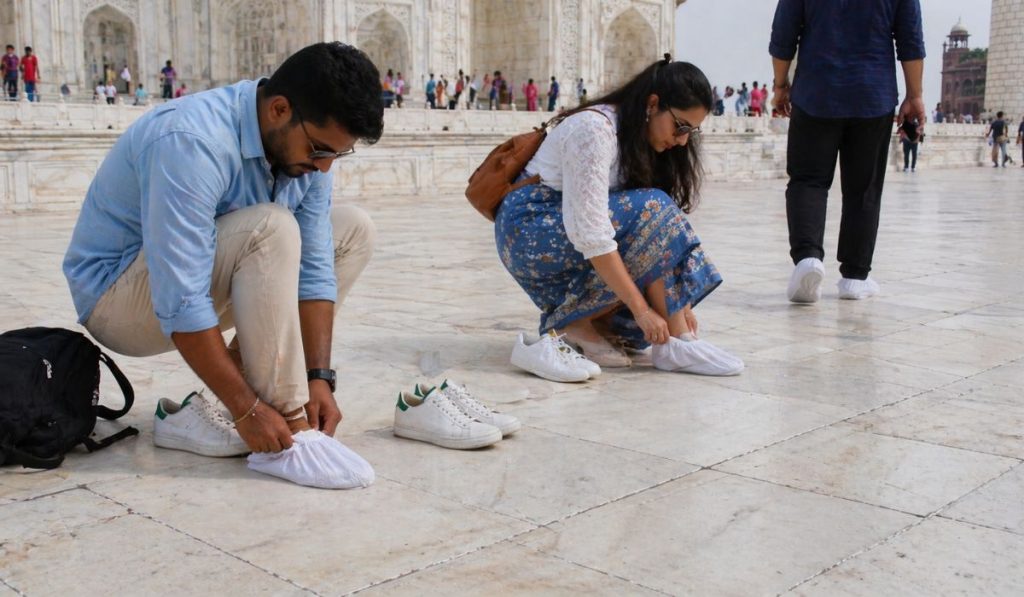
<p><strong>You must remove your shoes</strong> before stepping onto the white marble platform of the main mausoleum — the central structure where the tombs of Shah Jahan and Mumtaz Mahal rest.</p>
<!-- /wp:paragraph -->
<!-- wp:heading {"level":3} -->
<h3 class="wp-block-heading">Where Shoes Are Allowed</h3>
<!-- /wp:heading -->
<!-- wp:list -->
<ul class="wp-block-list"><!-- wp:list-item -->
<li>The main entrance gate (Darwaza-i Rauza)</li>
<!-- /wp:list-item -->
<!-- wp:list-item -->
<li>The red sandstone pathways and gardens</li>
<!-- /wp:list-item -->
<!-- wp:list-item -->
<li>The mosque and mehman khana on either side</li>
<!-- /wp:list-item --></ul>
<!-- /wp:list -->
<!-- wp:heading {"level":3} -->
<h3 class="wp-block-heading">Where Shoes Must Come Off</h3>
<!-- /wp:heading -->
<!-- wp:list -->
<ul class="wp-block-list"><!-- wp:list-item -->
<li>The white marble plinth (platform) surrounding the Taj Mahal</li>
<!-- /wp:list-item -->
<!-- wp:list-item -->
<li>Inside the main mausoleum building</li>
<!-- /wp:list-item --></ul>
<!-- /wp:list -->
<!-- wp:heading {"level":3} -->
<h3 class="wp-block-heading">What About Shoe Covers?</h3>
<!-- /wp:heading -->
<!-- wp:paragraph -->
<p><strong>Free shoe covers are provided at the entrance to the marble platform.</strong> You can wear them over your shoes if you prefer not to remove them. Most visitors find it easier to just remove their shoes and carry them.</p>
<!-- /wp:paragraph -->
<!-- wp:heading {"level":3} -->
<h3 class="wp-block-heading">Practical Footwear Hacks</h3>
<!-- /wp:heading -->
<!-- wp:list -->
<ul class="wp-block-list"><!-- wp:list-item -->
<li>Wear slip-on shoes or sandals — they're much easier to remove</li>
<!-- /wp:list-item -->
<!-- wp:list-item -->
<li>Avoid socks with complicated lacing (you'll be taking shoes off multiple times)</li>
<!-- /wp:list-item -->
<!-- wp:list-item -->
<li>The marble can get <strong>extremely hot in summer</strong> — shoe covers or socks are strongly recommended from April to June</li>
<!-- /wp:list-item -->
<!-- wp:list-item -->
<li>Carry a small bag to hold your shoes comfortably while you walk the platform</li>
<!-- /wp:list-item --></ul>
<!-- /wp:list -->
<!-- wp:heading -->
<h2 class="wp-block-heading"> Taj Mahal Security Rules: What to Expect at the Gates</h2>
<!-- /wp:heading -->
<!-- wp:paragraph -->
<p>Think airport security — but in the middle of Agra.</p>
<!-- /wp:paragraph -->
<!-- wp:paragraph -->
<p>Every visitor goes through a <strong>full bag and body check</strong> before entering. There are <strong>separate queues for men and women</strong>, and female security personnel handle the women's screening area.</p>
<!-- /wp:paragraph -->
<!-- wp:paragraph -->
<p>Most tourists don't know this: <strong>separate entry gates exist for foreign tourists and Indian nationals.</strong> Use the correct gate to save significant time.</p>
<!-- /wp:paragraph -->
<!-- wp:heading {"level":3} -->
<h3 class="wp-block-heading">What's Allowed Inside</h3>
<!-- /wp:heading -->
<!-- wp:table -->
<figure class="wp-block-table"><table class="has-fixed-layout"><thead><tr><th>✅ Allowed</th><th>❌ Banned</th></tr></thead><tbody><tr><td>Camera (no tripod)</td><td>Tripods and monopods</td></tr><tr><td>Mobile phone</td><td>Drones and UAVs</td></tr><tr><td>Water bottle (small, transparent)</td><td>Food of any kind</td></tr><tr><td>Medicines (carry prescription)</td><td>Tobacco, cigarettes, e-cigarettes</td></tr><tr><td>Small bag or purse</td><td>Alcohol</td></tr><tr><td>Notebook and pen</td><td>Selfie sticks</td></tr><tr><td>Baby pram/stroller</td><td>Power banks over 10,000 mAh</td></tr><tr><td>Hearing aids</td><td>Knives or sharp objects</td></tr></tbody></table></figure>
<!-- /wp:table -->
<!-- wp:paragraph -->
<p><strong>Avoid this common mistake:</strong> Visitors often bring packed lunches or snacks. These are confiscated at the gate. Eat before you arrive, or use the designated picnic area outside the complex.</p>
<!-- /wp:paragraph -->
<!-- wp:image {"id":2102,"sizeSlug":"large","linkDestination":"none"} -->
<figure class="wp-block-image size-large"><img src="https://www.tajadventureholidays.com/wp-content/uploads/2026/04/taj-mahal-morning-tourists-view-1-1024x597.jpg" alt="Taj Mahal reflection pool with sunrise view and symmetrical garden pathway." class="wp-image-2102"/></figure>
<!-- /wp:image -->
<!-- wp:heading -->
<h2 class="wp-block-heading"> Taj Mahal Photography Rules: Where to Shoot and What's Off-Limits</h2>
<!-- /wp:heading -->
<!-- wp:paragraph -->
<p>The Taj Mahal is arguably the most photographed monument in the world. And for good reason.</p>
<!-- /wp:paragraph -->
<!-- wp:paragraph -->
<p>But there are rules — and some of them catch visitors off guard.</p>
<!-- /wp:paragraph -->
<!-- wp:heading {"level":3} -->
<h3 class="wp-block-heading">What's Allowed</h3>
<!-- /wp:heading -->
<!-- wp:list -->
<ul class="wp-block-list"><!-- wp:list-item -->
<li>Personal cameras (DSLR, mirrorless, mobile phone)</li>
<!-- /wp:list-item -->
<!-- wp:list-item -->
<li>Photography in the gardens, pathways, and around the mausoleum</li>
<!-- /wp:list-item -->
<!-- wp:list-item -->
<li>Photography of the exterior of the main building</li>
<!-- /wp:list-item --></ul>
<!-- /wp:list -->
<!-- wp:heading {"level":3} -->
<h3 class="wp-block-heading">What's Banned</h3>
<!-- /wp:heading -->
<!-- wp:list -->
<ul class="wp-block-list"><!-- wp:list-item -->
<li><strong>Photography inside the mausoleum</strong> (especially around the cenotaphs)</li>
<!-- /wp:list-item -->
<!-- wp:list-item -->
<li>Tripods and monopods anywhere in the complex</li>
<!-- /wp:list-item -->
<!-- wp:list-item -->
<li>Drones — strictly prohibited</li>
<!-- /wp:list-item -->
<!-- wp:list-item -->
<li>Selfie sticks (banned from entry)</li>
<!-- /wp:list-item -->
<!-- wp:list-item -->
<li>Flash photography near the tombs</li>
<!-- /wp:list-item --></ul>
<!-- /wp:list -->
<!-- wp:heading {"level":3} -->
<h3 class="wp-block-heading">Best Photography Spots</h3>
<!-- /wp:heading -->
<!-- wp:paragraph -->
<p><strong>1. The Central Reflecting Pool</strong> The classic symmetrical shot. Arrive early and you'll have it almost to yourself.</p>
<!-- /wp:paragraph -->
<!-- wp:paragraph -->
<p><strong>2. The Princess Diana Bench</strong> The famous isolated white bench outside the main complex. Get there before 8 AM.</p>
<!-- /wp:paragraph -->
<!-- wp:paragraph -->
<p><strong>3. The South Gate View</strong> An angle most tourists miss — a stunning wide shot of the full complex.</p>
<!-- /wp:paragraph -->
<!-- wp:paragraph -->
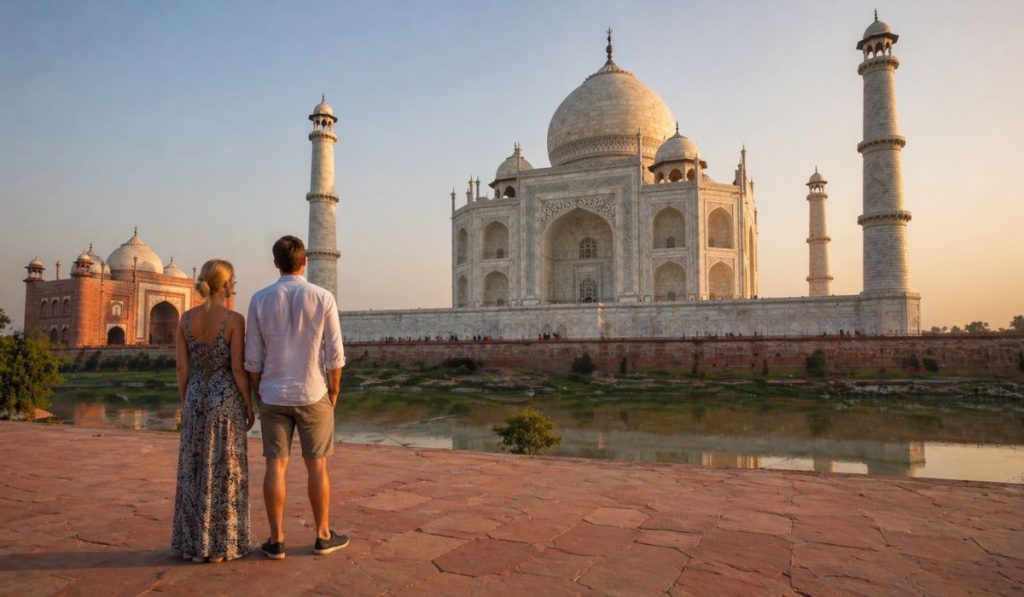
<p><strong>4. Mehtab Bagh (Moonlight Garden)</strong> Located across the Yamuna River, this gives you the <strong>best rear view of the Taj Mahal at sunset</strong>. It's one of Agra's most underrated spots.</p>
<!-- /wp:paragraph -->
<!-- wp:heading {"level":3} -->
<h3 class="wp-block-heading">Best Time for Photos</h3>
<!-- /wp:heading -->
<!-- wp:paragraph -->
<p><strong>Sunrise wins — every time.</strong></p>
<!-- /wp:paragraph -->
<!-- wp:paragraph -->
<p>The golden hour light hits the white marble and creates a warm, dreamlike glow that no afternoon shot can replicate. Crowds are minimal. The air is clear. This is why our<a href="https://www.tajadventureholidays.com/tours/sunrise-taj-mahal-tour-from-delhi-by-car/"> Taj Mahal Sunrise Tour </a>remains our most-booked experience.</p>
<!-- /wp:paragraph -->
<!-- wp:heading -->
<h2 class="wp-block-heading"> General Visitor Rules at the Taj Mahal</h2>
<!-- /wp:heading -->
<!-- wp:paragraph -->
<p>Keep these in mind throughout your visit:</p>
<!-- /wp:paragraph -->
<!-- wp:list -->
<ul class="wp-block-list"><!-- wp:list-item -->
<li><strong>Be respectful</strong> — this is an active memorial site, not just a tourist attraction</li>
<!-- /wp:list-item -->
<!-- wp:list-item -->
<li><strong>No loud music or disruptive behaviour</strong> inside the complex</li>
<!-- /wp:list-item -->
<!-- wp:list-item -->
<li><strong>Do not touch or lean on the walls</strong> of the mausoleum</li>
<!-- /wp:list-item -->
<!-- wp:list-item -->
<li><strong>Littering is strictly prohibited</strong> — bins are placed throughout the complex</li>
<!-- /wp:list-item -->
<!-- wp:list-item -->
<li><strong>Entry is not allowed after sunset</strong></li>
<!-- /wp:list-item -->
<!-- wp:list-item -->
<li><strong>Visitors must exit one hour before closing time</strong></li>
<!-- /wp:list-item -->
<!-- wp:list-item -->
<li>Children under 15 years enter <strong>free of charge</strong></li>
<!-- /wp:list-item -->
<!-- wp:list-item -->
<li>Foreign tourist tickets include access to the main mausoleum — verify this at booking</li>
<!-- /wp:list-item --></ul>
<!-- /wp:list -->
<!-- wp:heading -->
<h2 class="wp-block-heading"> Pro Insider Tips (Read This Before You Go)</h2>
<!-- /wp:heading -->
<!-- wp:paragraph -->
<p>These are the tips most tourists only discover <em>after</em> their visit.</p>
<!-- /wp:paragraph -->
<!-- wp:heading {"level":3} -->
<h3 class="wp-block-heading">1. Arrive Before Dawn</h3>
<!-- /wp:heading -->
<!-- wp:paragraph -->
<p>Gates open at sunrise. The first 90 minutes are the least crowded, most photogenic, and most peaceful. If you're staying in Agra, plan to be at the gate 15 minutes before it opens.</p>
<!-- /wp:paragraph -->
<!-- wp:heading {"level":3} -->
<h3 class="wp-block-heading">2. Book Tickets Online</h3>
<!-- /wp:heading -->
<!-- wp:paragraph -->
<p>Queues at the ticket counter can add 30–60 minutes to your morning. Book on the Archaeological Survey of India website the day before.</p>
<!-- /wp:paragraph -->
<!-- wp:heading {"level":3} -->
<h3 class="wp-block-heading">3. Combine With Agra Fort</h3>
<!-- /wp:heading -->
<!-- wp:paragraph -->
<p><strong>Agra Fort</strong> (a UNESCO World Heritage Site just 2.5 km away) is where Shah Jahan spent his final years — imprisoned, looking across at the Taj Mahal. The combination of both sites in one day is deeply moving and historically rich. Our <a href="https://www.tajadventureholidays.com/tours/from-delhi-tajmahal-and-agra-tour-by-superfast-train/">Same Day Agra Tour </a>covers both in a single comfortable day trip.</p>
<!-- /wp:paragraph -->
<!-- wp:heading {"level":3} -->
<h3 class="wp-block-heading">4. Don't Skip Mehtab Bagh</h3>
<!-- /wp:heading -->
<!-- wp:paragraph -->
<p>Most tourists go straight home after the Taj. But <strong>Mehtab Bagh</strong>, the moonlight garden across the Yamuna, gives you a rear-angle view across the river that's completely different — and virtually crowd-free at sunset.</p>
<!-- /wp:paragraph -->
<!-- wp:heading {"level":3} -->
<h3 class="wp-block-heading">5. Hire a Local Expert Guide</h3>
<!-- /wp:heading -->
<!-- wp:paragraph -->
<p>Most tourists don't know that the interior inscriptions are Quranic verses, or that the four minarets tilt slightly outward by design (to fall away from the tomb if they ever collapse). An expert guide doesn't just tell you what you're looking at — they make it unforgettable.</p>
<!-- /wp:paragraph -->
<!-- wp:heading {"level":3} -->
<h3 class="wp-block-heading">6. Plan Your Route to Agra</h3>
<!-- /wp:heading -->
<!-- wp:paragraph -->
<p>Agra is 200 km from Delhi. The fastest option is the Gatimaan Express train (1h 40 min) or a private car via the Yamuna Expressway. If you're tight on time, a <a href="https://www.tajadventureholidays.com/tours/taj-mahal-and-agra-tour-by-premium-cars-from-delhi/">Same Day Agra Tour from Delhi by car</a> gives you door-to-door comfort with none of the logistics stress.</p>
<!-- /wp:paragraph -->
<!-- wp:heading {"level":3} -->
<h3 class="wp-block-heading">7. Consider the Golden Triangle</h3>
<!-- /wp:heading -->
<!-- wp:paragraph -->
<p>If you have 5–7 days, don't limit yourself to Agra. The <strong>Golden Triangle Tour</strong> — Delhi, Agra, and Jaipur — is the most iconic India itinerary for first-time visitors and covers three UNESCO sites in one seamless journey. Explore our <a href="https://www.tajadventureholidays.com/india-golden-triangle-tour-packages/">Golden Triangle Tour packages.</a></p>
<!-- /wp:paragraph -->
<!-- wp:heading -->
<h2 class="wp-block-heading"> Frequently Asked Questions</h2>
<!-- /wp:heading -->
<!-- wp:heading {"level":3} -->
<h3 class="wp-block-heading"><strong>Q: Is there a strict dress code to enter the Taj Mahal?</strong> </h3>
<!-- /wp:heading -->
<!-- wp:paragraph -->
<p>There is no mandatory dress code, but modest clothing is expected. Cover your shoulders and knees. You will not be denied entry for clothing, but respectful attire is appreciated at this sacred site.</p>
<!-- /wp:paragraph -->
<!-- wp:heading {"level":3} -->
<h3 class="wp-block-heading"><strong>Q: Can I bring my camera into the Taj Mahal?</strong></h3>
<!-- /wp:heading -->
<!-- wp:paragraph -->
<p> Yes. Cameras and mobile phones are permitted throughout the complex. Tripods, drones, and selfie sticks are strictly banned. Photography inside the mausoleum is not allowed.</p>
<!-- /wp:paragraph -->
<!-- wp:heading {"level":3} -->
<h3 class="wp-block-heading"><strong>Q: Do I need to remove my shoes at the Taj Mahal?</strong></h3>
<!-- /wp:heading -->
<!-- wp:paragraph -->
<p> Yes — when stepping onto the white marble platform surrounding the main mausoleum. Free shoe covers are provided if you'd prefer not to remove your footwear.</p>
<!-- /wp:paragraph -->
<!-- wp:heading {"level":3} -->
<h3 class="wp-block-heading"><strong>Q: What items are banned inside the Taj Mahal?</strong></h3>
<!-- /wp:heading -->
<!-- wp:paragraph -->
<p> Food, tobacco, alcohol, tripods, drones, selfie sticks, and large power banks are all banned. All bags go through security screening at the gate.</p>
<!-- /wp:paragraph -->
<!-- wp:heading {"level":3} -->
<h3 class="wp-block-heading"><strong>Q: What is the best time to visit the Taj Mahal?</strong></h3>
<!-- /wp:heading -->
<!-- wp:paragraph -->
<p> Sunrise — without question. The light is soft, the crowds are thin, and the white marble glows. October through March is the most comfortable season to visit.</p>
<!-- /wp:paragraph -->
<!-- wp:heading {"level":3} -->
<h3 class="wp-block-heading"><strong>Q: Can I visit the Taj Mahal on a Friday?</strong></h3>
<!-- /wp:heading -->
<!-- wp:paragraph -->
<p> No. The Taj Mahal is <strong>closed every Friday</strong> to the public. Plan your trip accordingly.</p>
<!-- /wp:paragraph -->
<!-- wp:heading {"level":3} -->
<h3 class="wp-block-heading"><strong>Q: How long do I need at the Taj Mahal</strong></h3>
<!-- /wp:heading -->
<!-- wp:paragraph -->
<p><strong>?</strong> Allow 2.5 to 3 hours to explore the complex comfortably, including the gardens, the main platform, and the interior of the mausoleum. Budget more time if you plan to visit Mehtab Bagh.</p>
<!-- /wp:paragraph -->
<!-- wp:heading -->
<h2 class="wp-block-heading">Ready to Visit the Taj Mahal Without the Stress?</h2>
<!-- /wp:heading -->
<!-- wp:paragraph -->
<p>Knowing the rules is step one. Having an expert by your side is step two.</p>
<!-- /wp:paragraph -->
<!-- wp:paragraph -->
<p>Most tourists spend their first hour confused — wrong gate, long queues, missed photo spots, no context. Our guided tours handle every detail so you arrive informed, relaxed, and ready for the experience of a lifetime.</p>
<!-- /wp:paragraph -->
<!-- wp:paragraph -->
<p><strong>✔ Skip the planning stress</strong> <strong>✔ Avoid rookie mistakes</strong> <strong>✔ Get the best photos</strong> <strong>✔ Understand what you're actually seeing</strong></p>
<!-- /wp:paragraph -->
<!-- wp:paragraph -->
<p>👉 <strong><a href="#">Book Your Taj Mahal Tour Now</a></strong> — Fully guided. Hassle-free. Unforgettable.</p>
<!-- /wp:paragraph -->
Most tourists arrive at the Taj Mahal unprepared. They’re turned away at the gate. Or they miss the best photo spots. Or they waste an hour in security lines they didn’t know existed.
You don’t have to be one of them.
This guide covers everything — what to wear, what to carry, what’s banned, and the insider tips that only experienced travellers (and expert guides) know. Read this once. Visit stress-free.
Taj Mahal Rules (Quick Answer)
The essential rules in under 60 words:
Wear modest, comfortable clothing that covers shoulders and knees
Remove shoes before entering the main mausoleum (free shoe covers provided)
Photography is allowed in most areas — tripods and drones are banned
No food, tobacco, alcohol, or selfie sticks inside the complex
Bags go through airport-style security screening
Sunrise is the best time to visit — less crowd, magical light
Taj Mahal Dress Code: What to Wear (and What Not To)
There’s no strict religious dress code at the Taj Mahal. But this is a UNESCO World Heritage Site and a sacred mausoleum. Dressing respectfully matters — and practically, it makes your visit more comfortable too.
For Women
✅ Do Wear
❌ Avoid
Long skirts or trousers
Shorts or mini skirts
Tops covering shoulders
Sleeveless tops or crop tops
Light cotton fabrics
Heavy or synthetic fabrics
Comfortable walking shoes
Heels or platform shoes
Scarves or shawls (handy for covering up)
Revealing beachwear-style clothing
Pro tip: A light cotton dupatta or scarf is your best travel companion. It doubles as sun protection, a modesty cover, and a statement accessory for photos.
For Men
✅ Do Wear
❌ Avoid
Trousers or chinos
Shorts (frowned upon)
Light collared shirts
Sleeveless vests
Breathable cotton clothes
Dark heavy fabrics in summer
Seasonal Dress Tips
October–March (Winter): Mornings can be cold. Layer up. A light jacket is useful at sunrise.
April–June (Summer): Temperatures hit 40°C+. Wear breathable cotton. Carry a water bottle.
July–September (Monsoon): Light rain is likely. A thin waterproof layer helps. Avoid white clothing — it shows dust and humidity.
Taj Mahal Footwear Rules: Where Shoes Go On and Off
This is the rule most tourists are surprised by.
You must remove your shoes before stepping onto the white marble platform of the main mausoleum — the central structure where the tombs of Shah Jahan and Mumtaz Mahal rest.
Where Shoes Are Allowed
The main entrance gate (Darwaza-i Rauza)
The red sandstone pathways and gardens
The mosque and mehman khana on either side
Where Shoes Must Come Off
The white marble plinth (platform) surrounding the Taj Mahal
Inside the main mausoleum building
What About Shoe Covers?
Free shoe covers are provided at the entrance to the marble platform. You can wear them over your shoes if you prefer not to remove them. Most visitors find it easier to just remove their shoes and carry them.
Practical Footwear Hacks
Wear slip-on shoes or sandals — they’re much easier to remove
Avoid socks with complicated lacing (you’ll be taking shoes off multiple times)
The marble can get extremely hot in summer — shoe covers or socks are strongly recommended from April to June
Carry a small bag to hold your shoes comfortably while you walk the platform
Taj Mahal Security Rules: What to Expect at the Gates
Think airport security — but in the middle of Agra.
Every visitor goes through a full bag and body check before entering. There are separate queues for men and women, and female security personnel handle the women’s screening area.
Most tourists don’t know this: separate entry gates exist for foreign tourists and Indian nationals. Use the correct gate to save significant time.
What’s Allowed Inside
✅ Allowed
❌ Banned
Camera (no tripod)
Tripods and monopods
Mobile phone
Drones and UAVs
Water bottle (small, transparent)
Food of any kind
Medicines (carry prescription)
Tobacco, cigarettes, e-cigarettes
Small bag or purse
Alcohol
Notebook and pen
Selfie sticks
Baby pram/stroller
Power banks over 10,000 mAh
Hearing aids
Knives or sharp objects
Avoid this common mistake: Visitors often bring packed lunches or snacks. These are confiscated at the gate. Eat before you arrive, or use the designated picnic area outside the complex.
Taj Mahal Photography Rules: Where to Shoot and What’s Off-Limits
The Taj Mahal is arguably the most photographed monument in the world. And for good reason.
But there are rules — and some of them catch visitors off guard.
What’s Allowed
Personal cameras (DSLR, mirrorless, mobile phone)
Photography in the gardens, pathways, and around the mausoleum
Photography of the exterior of the main building
What’s Banned
Photography inside the mausoleum (especially around the cenotaphs)
Tripods and monopods anywhere in the complex
Drones — strictly prohibited
Selfie sticks (banned from entry)
Flash photography near the tombs
Best Photography Spots
1. The Central Reflecting Pool The classic symmetrical shot. Arrive early and you’ll have it almost to yourself.
2. The Princess Diana Bench The famous isolated white bench outside the main complex. Get there before 8 AM.
3. The South Gate View An angle most tourists miss — a stunning wide shot of the full complex.
4. Mehtab Bagh (Moonlight Garden) Located across the Yamuna River, this gives you the best rear view of the Taj Mahal at sunset. It’s one of Agra’s most underrated spots.
Best Time for Photos
Sunrise wins — every time.
The golden hour light hits the white marble and creates a warm, dreamlike glow that no afternoon shot can replicate. Crowds are minimal. The air is clear. This is why our Taj Mahal Sunrise Tour remains our most-booked experience.
General Visitor Rules at the Taj Mahal
Keep these in mind throughout your visit:
Be respectful — this is an active memorial site, not just a tourist attraction
No loud music or disruptive behaviour inside the complex
Do not touch or lean on the walls of the mausoleum
Littering is strictly prohibited — bins are placed throughout the complex
Entry is not allowed after sunset
Visitors must exit one hour before closing time
Children under 15 years enter free of charge
Foreign tourist tickets include access to the main mausoleum — verify this at booking
Pro Insider Tips (Read This Before You Go)
These are the tips most tourists only discover after their visit.
1. Arrive Before Dawn
Gates open at sunrise. The first 90 minutes are the least crowded, most photogenic, and most peaceful. If you’re staying in Agra, plan to be at the gate 15 minutes before it opens.
2. Book Tickets Online
Queues at the ticket counter can add 30–60 minutes to your morning. Book on the Archaeological Survey of India website the day before.
3. Combine With Agra Fort
Agra Fort (a UNESCO World Heritage Site just 2.5 km away) is where Shah Jahan spent his final years — imprisoned, looking across at the Taj Mahal. The combination of both sites in one day is deeply moving and historically rich. Our Same Day Agra Tour covers both in a single comfortable day trip.
4. Don’t Skip Mehtab Bagh
Most tourists go straight home after the Taj. But Mehtab Bagh, the moonlight garden across the Yamuna, gives you a rear-angle view across the river that’s completely different — and virtually crowd-free at sunset.
5. Hire a Local Expert Guide
Most tourists don’t know that the interior inscriptions are Quranic verses, or that the four minarets tilt slightly outward by design (to fall away from the tomb if they ever collapse). An expert guide doesn’t just tell you what you’re looking at — they make it unforgettable.
6. Plan Your Route to Agra
Agra is 200 km from Delhi. The fastest option is the Gatimaan Express train (1h 40 min) or a private car via the Yamuna Expressway. If you’re tight on time, a Same Day Agra Tour from Delhi by car gives you door-to-door comfort with none of the logistics stress.
7. Consider the Golden Triangle
If you have 5–7 days, don’t limit yourself to Agra. The Golden Triangle Tour — Delhi, Agra, and Jaipur — is the most iconic India itinerary for first-time visitors and covers three UNESCO sites in one seamless journey. Explore our Golden Triangle Tour packages.
Frequently Asked Questions
Q: Is there a strict dress code to enter the Taj Mahal?
There is no mandatory dress code, but modest clothing is expected. Cover your shoulders and knees. You will not be denied entry for clothing, but respectful attire is appreciated at this sacred site.
Q: Can I bring my camera into the Taj Mahal?
Yes. Cameras and mobile phones are permitted throughout the complex. Tripods, drones, and selfie sticks are strictly banned. Photography inside the mausoleum is not allowed.
Q: Do I need to remove my shoes at the Taj Mahal?
Yes — when stepping onto the white marble platform surrounding the main mausoleum. Free shoe covers are provided if you’d prefer not to remove your footwear.
Q: What items are banned inside the Taj Mahal?
Food, tobacco, alcohol, tripods, drones, selfie sticks, and large power banks are all banned. All bags go through security screening at the gate.
Q: What is the best time to visit the Taj Mahal?
Sunrise — without question. The light is soft, the crowds are thin, and the white marble glows. October through March is the most comfortable season to visit.
Q: Can I visit the Taj Mahal on a Friday?
No. The Taj Mahal is closed every Friday to the public. Plan your trip accordingly.
Q: How long do I need at the Taj Mahal
? Allow 2.5 to 3 hours to explore the complex comfortably, including the gardens, the main platform, and the interior of the mausoleum. Budget more time if you plan to visit Mehtab Bagh.
Ready to Visit the Taj Mahal Without the Stress?
Knowing the rules is step one. Having an expert by your side is step two.
Most tourists spend their first hour confused — wrong gate, long queues, missed photo spots, no context. Our guided tours handle every detail so you arrive informed, relaxed, and ready for the experience of a lifetime.
✔ Skip the planning stress✔ Avoid rookie mistakes✔ Get the best photos✔ Understand what you’re actually seeing
<!-- wp:paragraph -->
<p>The first time I stepped out of Chawri Bazaar metro station and walked toward Chandni Chowk, I was completely unprepared. Nobody ever is. The noise, the colors, the smell of jalebis frying and old spices in the air — it all surrounds you at once. I remember stopping for a moment, just taking it all in, as the city flowed around me like a river.</p>
<!-- /wp:paragraph -->
<!-- wp:paragraph -->
<p>That was my first encounter with <strong>Old Delhi's food and market</strong> culture. Years later, I keep coming back. Every time, I find something new. In this guide, I want to share everything I've learned — the food, the markets, the tricks, and the honest truths — so your visit is smooth, authentic, and memorable.</p>
<!-- /wp:paragraph -->
<!-- wp:image {"id":2091,"sizeSlug":"large","linkDestination":"none"} -->
<figure class="wp-block-image size-large"><img src="https://www.tajadventureholidays.com/wp-content/uploads/2026/04/old-delhi-street-food-cooking-chandni-chowk-1024x597.jpg" alt="Street food cooking in Old Delhi Chandni Chowk with vendors preparing noodles and snacks" class="wp-image-2091"/></figure>
<!-- /wp:image -->
<!-- wp:heading -->
<h2 class="wp-block-heading">Best Street Food in Old Delhi</h2>
<!-- /wp:heading -->
<!-- wp:paragraph -->
<p>Old Delhi doesn't just give you food. It tells stories through food. Every lane has its own specialty, every shop its own history.</p>
<!-- /wp:paragraph -->
<!-- wp:heading {"level":3} -->
<h3 class="wp-block-heading">Chandni Chowk Food Experience</h3>
<!-- /wp:heading -->
<!-- wp:paragraph -->
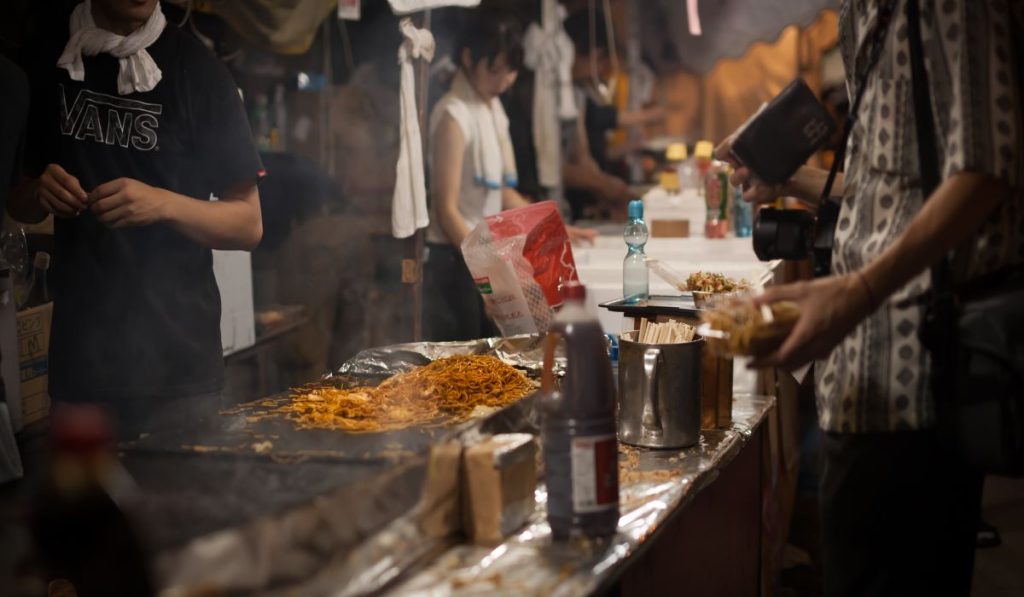
<p><a href="https://en.wikipedia.org/wiki/Chandni_Chowk">Chandni Chowk</a> is the heart of the <strong>Old Delhi street food</strong> scene. When I visited Paranthe Wali Gali — a small lane off the main road — I found shops that have been frying stuffed paranthas for over 150 years. I ordered an aloo parantha with rabri and tamarind chutney. Crispy on the outside, soft inside, and absolutely worth the ₹80 I paid.</p>
<!-- /wp:paragraph -->
<!-- wp:paragraph -->
<p><strong>Natraj Dahi Bhalla</strong> at Chandni Chowk is another must-visit. Their dahi bhalla is cold, creamy, and loaded with chutneys. I've had dahi bhalla at many places in Delhi. Nothing comes close to Natraj. There's always a queue. It moves fast. Never skip it.</p>
<!-- /wp:paragraph -->
<!-- wp:table -->
<figure class="wp-block-table"><table class="has-fixed-layout"><thead><tr><th>Dish</th><th>Where to Find</th><th>Price</th></tr></thead><tbody><tr><td>Aloo Parantha</td><td>Paranthe Wali Gali</td><td>₹60–₹100</td></tr><tr><td>Dahi Bhalla</td><td>Natraj Dahi Bhalla, Chandni Chowk</td><td>₹50–₹80</td></tr><tr><td>Jalebi</td><td>Old Famous Jalebi Wala, near Dariba Kalan</td><td>₹30/100g</td></tr><tr><td>Korma & Nihari</td><td>Karim's, near Jama Masjid</td><td>₹250–₹450</td></tr></tbody></table></figure>
<!-- /wp:table -->
<!-- wp:heading {"level":3} -->
<h3 class="wp-block-heading">Jama Masjid Food Street</h3>
<!-- /wp:heading -->
<!-- wp:paragraph -->
<p>If you want a genuine Mughal food experience, head to the <strong>Jama Masjid food street</strong>. This area comes alive in the evenings and during Ramzan. The air carries the smell of coal smoke and slow-cooked meat.</p>
<!-- /wp:paragraph -->
<!-- wp:paragraph -->
<p><strong>Karim's</strong> is the king here. Established in 1913, this restaurant serves some of the best nihari, mutton korma, and seekh kebabs in all of India. I still remember the first time I had a bowl of nihari at Karim's — rich, deep, and deeply comforting. Pair it with sheermal bread and your evening is complete. Non-vegetarians, this is your paradise.</p>
<!-- /wp:paragraph -->
<!-- wp:quote -->
<blockquote class="wp-block-quote"><!-- wp:paragraph -->
<p><em>"The first time I sat at Karim's and ordered nihari, I didn't expect to feel emotional. But the flavour was so deep and ancient that it felt like eating history."</em></p>
<!-- /wp:paragraph --></blockquote>
<!-- /wp:quote -->
<!-- wp:paragraph -->
<p><strong>Pro Tip:</strong> Visit the Jama Masjid food street after 6 PM. The stalls open up, the atmosphere turns festive, and the food is freshest. Go on an empty stomach.</p>
<!-- /wp:paragraph -->
<!-- wp:image {"id":2092,"sizeSlug":"large","linkDestination":"none"} -->
<figure class="wp-block-image size-large"><img src="https://www.tajadventureholidays.com/wp-content/uploads/2026/04/chandni-chowk-market-shopping-old-delhi-1024x597.jpg" alt="Shopping scene in Chandni Chowk market Old Delhi with clothes and local crowd" class="wp-image-2092"/></figure>
<!-- /wp:image -->
<!-- wp:heading -->
<h2 class="wp-block-heading">Famous Markets in Old Delhi</h2>
<!-- /wp:heading -->
<!-- wp:heading {"level":3} -->
<h3 class="wp-block-heading">Chandni Chowk Shopping Guide</h3>
<!-- /wp:heading -->
<!-- wp:paragraph -->
<p>The <strong>Chandni Chowk shopping guide</strong> could fill an entire book. This market has everything — from bridal lehengas to electronic parts. The real deals are in the wholesale sections.</p>
<!-- /wp:paragraph -->
<!-- wp:paragraph -->
<p>For fabrics, explore <strong>Kinari Bazaar</strong>. For jewellery, head to <strong><a href="https://en.wikipedia.org/wiki/Dariba_Kalan">Dariba Kalan</a></strong>. For electronics, check out <strong>Bhagirath Palace</strong>. Bargaining is common here and expected. Start at half the quoted price. Smile while you negotiate. It works better than being aggressive.</p>
<!-- /wp:paragraph -->
<!-- wp:paragraph -->
<p><strong>Key Markets and Their Specialties:</strong></p>
<!-- /wp:paragraph -->
<!-- wp:list -->
<ul class="wp-block-list"><!-- wp:list-item -->
<li><strong>Kinari Bazaar</strong> — Best for bridal work, lace, and zari</li>
<!-- /wp:list-item -->
<!-- wp:list-item -->
<li><strong>Dariba Kalan</strong> — Silver and gold jewellery at lower prices</li>
<!-- /wp:list-item -->
<!-- wp:list-item -->
<li><strong>Chawri Bazaar</strong> — Stationery and paper products</li>
<!-- /wp:list-item -->
<!-- wp:list-item -->
<li><strong>Bhagirath Palace</strong> — Electronics</li>
<!-- /wp:list-item -->
<!-- wp:list-item -->
<li><strong>Near Khari Baoli</strong> — Dry fruits</li>
<!-- /wp:list-item --></ul>
<!-- /wp:list -->
<!-- wp:heading {"level":3} -->
<h3 class="wp-block-heading">Khari Baoli Spice Market Experience</h3>
<!-- /wp:heading -->
<!-- wp:paragraph -->
<p><strong>Khari Baoli spice market</strong> is Asia's largest wholesale spice market. Step inside and your nose does all the work. The aroma of red chillies, cumin, dried flowers, and herbs is intensely overwhelming — in the best possible way.</p>
<!-- /wp:paragraph -->
<!-- wp:paragraph -->
<p>I picked up whole cardamom, dried rose petals, and a small packet of Kashmiri saffron here — at nearly half the price I'd paid elsewhere. The traders here are serious people. They don't push. Buy in larger quantities and the prices drop further.</p>
<!-- /wp:paragraph -->
<!-- wp:heading -->
<h2 class="wp-block-heading">Hidden Gems in Old Delhi</h2>
<!-- /wp:heading -->
<!-- wp:paragraph -->
<p>Most tourists stick to the main lanes. But Old Delhi rewards those who take slightly different paths. Here are some spots that most visitors miss:</p>
<!-- /wp:paragraph -->
<!-- wp:list -->
<ul class="wp-block-list"><!-- wp:list-item -->
<li><strong>Gurudwara Sis Ganj Sahib</strong> — A place of peace and worship, fewer tourists</li>
<!-- /wp:list-item -->
<!-- wp:list-item -->
<li><strong>Ballimaran Lane</strong> — Mirza Ghalib's old haveli (now a museum), completely quiet</li>
<!-- /wp:list-item -->
<!-- wp:list-item -->
<li><strong>Lal Kuan Bazaar</strong> — Cheap hardware and local tools market</li>
<!-- /wp:list-item -->
<!-- wp:list-item -->
<li><strong>Shyam Sweets, Chandni Chowk</strong> — For karachi halwa and sohan halwa</li>
<!-- /wp:list-item -->
<!-- wp:list-item -->
<li><strong>Chaina Ram Sindhi Confectioners</strong> — Thousands of sweets, honest prices</li>
<!-- /wp:list-item --></ul>
<!-- /wp:list -->
<!-- wp:paragraph -->
<p><strong>Ballimaran Lane</strong> is where the poet Mirza Ghalib once lived. You can visit the haveli as a museum. The place is quiet, a little worn, and deeply moving. Almost no tourists come here.</p>
<!-- /wp:paragraph -->
<!-- wp:paragraph -->
<p>For sweets, skip the famous shops and try Shyam Sweets or Chaina Ram. Their sohan halwa and karachi halwa are extraordinary and considerably cheaper than the touristy places.</p>
<!-- /wp:paragraph -->
<!-- wp:heading -->
<h2 class="wp-block-heading">Practical Travel Tips for Old Delhi</h2>
<!-- /wp:heading -->
<!-- wp:heading {"level":3} -->
<h3 class="wp-block-heading">Best Time to Visit</h3>
<!-- /wp:heading -->
<!-- wp:paragraph -->
<p><strong>October to March</strong> is the best time. The weather is pleasant. Summer (May–July) is very tough — the narrow lanes trap the heat. <strong>Avoid Sundays</strong> — most shops are closed.</p>
<!-- /wp:paragraph -->
<!-- wp:heading {"level":3} -->
<h3 class="wp-block-heading">How to Reach</h3>
<!-- /wp:heading -->
<!-- wp:list -->
<ul class="wp-block-list"><!-- wp:list-item -->
<li><strong>Metro:</strong> Chandni Chowk station (Yellow Line) — easiest option</li>
<!-- /wp:list-item -->
<!-- wp:list-item -->
<li><strong>Auto or cab:</strong> Get dropped at the Fatehpuri Masjid side to avoid peak congestion</li>
<!-- /wp:list-item -->
<!-- wp:list-item -->
<li><strong>Don't bring your own vehicle</strong> — parking is nearly impossible</li>
<!-- /wp:list-item --></ul>
<!-- /wp:list -->
<!-- wp:heading {"level":3} -->
<h3 class="wp-block-heading">Safety and Hygiene Tips</h3>
<!-- /wp:heading -->
<!-- wp:list -->
<ul class="wp-block-list"><!-- wp:list-item -->
<li>Carry hand sanitiser — clean water for handwashing isn't always available</li>
<!-- /wp:list-item -->
<!-- wp:list-item -->
<li>Eat at busy, popular food stalls — the crowd is the best indicator of quality</li>
<!-- /wp:list-item -->
<!-- wp:list-item -->
<li>Keep your phone and wallet safe in crowded areas</li>
<!-- /wp:list-item -->
<!-- wp:list-item -->
<li>Wear comfortable footwear — the lanes are uneven and long</li>
<!-- /wp:list-item -->
<!-- wp:list-item -->
<li>Avoid raw salads or ice-based food from unknown vendors</li>
<!-- /wp:list-item --></ul>
<!-- /wp:list -->
<!-- wp:paragraph -->
<p><strong>Budget Tip:</strong> A full day of eating and exploring in Old Delhi can cost just ₹500–₹800 per person. Street food here is remarkably affordable without any compromise on taste or history.</p>
<!-- /wp:paragraph -->
<!-- wp:heading -->
<h2 class="wp-block-heading">My Personal Experience in Old Delhi</h2>
<!-- /wp:heading -->
<!-- wp:paragraph -->
<p>On my last full-day visit, I started the morning near Fatehpuri Masjid with hot jalebis and a cup of strong chai at around 9 AM. Then I wandered through the spice lanes of Khari Baoli, where the air was so thick I sneezed three times. The shopkeeper laughed and handed me a piece of dried mango candy.</p>
<!-- /wp:paragraph -->
<!-- wp:paragraph -->
<p>By afternoon I was sitting at Karim's, working through a plate of seekh kebabs. In the late afternoon, I explored the silver jewellery lanes of Dariba Kalan and found a pair of earrings for ₹350 that looked like it should cost ten times as much.</p>
<!-- /wp:paragraph -->
<!-- wp:paragraph -->
<p>In the evening I stood in front of Jama Masjid, the sandstone glowing in golden light, eating dahi bhalla from a small stall. It was one of those evenings that stays with you.</p>
<!-- /wp:paragraph -->
<!-- wp:paragraph -->
<p>Old Delhi isn't always easy. There's noise, there's crowds, the heat can be brutal. But it's also one of the most alive places in the world. And that's why I keep coming back.</p>
<!-- /wp:paragraph -->
<!-- wp:heading -->
<h2 class="wp-block-heading">One More Tip: Consider a Guided Tour</h2>
<!-- /wp:heading -->
<!-- wp:paragraph -->
<p>If you want to avoid confusion in Old Delhi and explore with an expert local guide who knows every hidden lane, food spot, and market shortcut, consider a curated tour:</p>
<!-- /wp:paragraph -->
<!-- wp:paragraph -->
<p><strong><a href="https://www.tajadventureholidays.com/tours/full-day-new-and-old-delhi-city-tour/">Full Day New and Old Delhi City Tour – Tajadventureholidays</a></strong></p>
<!-- /wp:paragraph -->
<!-- wp:heading -->
<h2 class="wp-block-heading">Frequently Asked Questions</h2>
<!-- /wp:heading -->
<!-- wp:heading {"level":3} -->
<h3 class="wp-block-heading"><strong>Q1. What food must I try in Old Delhi?</strong></h3>
<!-- /wp:heading -->
<!-- wp:paragraph -->
<p> Start with stuffed paranthas at Paranthe Wali Gali, dahi bhalla at Natraj, and nihari at Karim's. For sweets, try jalebi and sohan halwa. These dishes define the Old Delhi street food experience.</p>
<!-- /wp:paragraph -->
<!-- wp:heading {"level":3} -->
<h3 class="wp-block-heading"><strong>Q2. Is Old Delhi safe for solo and international travellers?</strong> </h3>
<!-- /wp:heading -->
<!-- wp:paragraph -->
<p>Yes, it's generally safe during the day. Stay in crowded areas, keep your belongings secure, and avoid small dark lanes at night. Daytime exploration is comfortable and friendly for solo travellers and tourists.</p>
<!-- /wp:paragraph -->
<!-- wp:heading {"level":3} -->
<h3 class="wp-block-heading"><strong>Q3. What's the best time to visit Chandni Chowk for shopping?</strong></h3>
<!-- /wp:heading -->
<!-- wp:paragraph -->
<p> Weekday mornings between 10 AM and 1 PM have the least crowds. Most shops open by 10:30 AM and close by 8 PM. Avoid Sundays when many shops are closed, and weekend afternoons — the lanes get extremely packed.</p>
<!-- /wp:paragraph -->
<!-- wp:heading {"level":3} -->
<h3 class="wp-block-heading"><strong>Q4. How do I reach Old Delhi from the airport or New Delhi railway station?</strong></h3>
<!-- /wp:heading -->
<!-- wp:paragraph -->
<p> From the airport, take the Airport Metro Express to New Delhi station, then switch to the Yellow Line toward Chandni Chowk — total journey around 45–60 minutes. From New Delhi railway station, Chandni Chowk metro station is just 2 stops away.</p>
<!-- /wp:paragraph -->
<!-- wp:heading {"level":3} -->
<h3 class="wp-block-heading"><strong>Q5. Is vegetarian food available in Old Delhi?</strong></h3>
<!-- /wp:heading -->
<!-- wp:paragraph -->
<p> Absolutely. Old Delhi has excellent vegetarian options — Paranthe Wali Gali, Natraj Dahi Bhalla, and many sweet shops cater almost exclusively to vegetarians. Khari Baoli has pure vegetarian spices and dry fruits. You can eat very well here without any meat at all.</p>
<!-- /wp:paragraph -->
<!-- wp:heading -->
<h2 class="wp-block-heading">Conclusion</h2>
<!-- /wp:heading -->
<!-- wp:paragraph -->
<p>Exploring the lanes of <strong>Old Delhi's food and markets</strong> isn't just a travel activity — it's a complete sensory experience. The food is extraordinary, history is embedded in every stone, and the people are warmer than you'd ever expect.</p>
<!-- /wp:paragraph -->
<!-- wp:paragraph -->
<p>Yes, it can be overwhelming. Yes, you might get a little lost. But that's exactly the magic. Some of my best discoveries happened when I took a wrong turn and ended up in an unexpected lane.</p>
<!-- /wp:paragraph -->
<!-- wp:paragraph -->
<p>Go with an open mind, wear comfortable shoes, and arrive completely hungry. Old Delhi will take care of everything else.</p>
<!-- /wp:paragraph -->
<!-- wp:separator -->
<hr class="wp-block-separator has-alpha-channel-opacity"/>
<!-- /wp:separator -->
<!-- wp:paragraph -->
<p><em>Written by <strong>Tajadventureholidays</strong> — a travel enthusiast who has explored Old Delhi multiple times and shares real experiences to help travellers navigate the city's food, culture, and markets with confidence. Visit <a href="https://www.tajadventureholidays.com">tajadventureholidays.com</a> for curated Delhi tour experiences.</em></p>
<!-- /wp:paragraph -->
The first time I stepped out of Chawri Bazaar metro station and walked toward Chandni Chowk, I was completely unprepared. Nobody ever is. The noise, the colors, the smell of jalebis frying and old spices in the air — it all surrounds you at once. I remember stopping for a moment, just taking it all in, as the city flowed around me like a river.
That was my first encounter with Old Delhi’s food and market culture. Years later, I keep coming back. Every time, I find something new. In this guide, I want to share everything I’ve learned — the food, the markets, the tricks, and the honest truths — so your visit is smooth, authentic, and memorable.
Best Street Food in Old Delhi
Old Delhi doesn’t just give you food. It tells stories through food. Every lane has its own specialty, every shop its own history.
Chandni Chowk Food Experience
Chandni Chowk is the heart of the Old Delhi street food scene. When I visited Paranthe Wali Gali — a small lane off the main road — I found shops that have been frying stuffed paranthas for over 150 years. I ordered an aloo parantha with rabri and tamarind chutney. Crispy on the outside, soft inside, and absolutely worth the ₹80 I paid.
Natraj Dahi Bhalla at Chandni Chowk is another must-visit. Their dahi bhalla is cold, creamy, and loaded with chutneys. I’ve had dahi bhalla at many places in Delhi. Nothing comes close to Natraj. There’s always a queue. It moves fast. Never skip it.
Dish
Where to Find
Price
Aloo Parantha
Paranthe Wali Gali
₹60–₹100
Dahi Bhalla
Natraj Dahi Bhalla, Chandni Chowk
₹50–₹80
Jalebi
Old Famous Jalebi Wala, near Dariba Kalan
₹30/100g
Korma & Nihari
Karim’s, near Jama Masjid
₹250–₹450
Jama Masjid Food Street
If you want a genuine Mughal food experience, head to the Jama Masjid food street. This area comes alive in the evenings and during Ramzan. The air carries the smell of coal smoke and slow-cooked meat.
Karim’s is the king here. Established in 1913, this restaurant serves some of the best nihari, mutton korma, and seekh kebabs in all of India. I still remember the first time I had a bowl of nihari at Karim’s — rich, deep, and deeply comforting. Pair it with sheermal bread and your evening is complete. Non-vegetarians, this is your paradise.
“The first time I sat at Karim’s and ordered nihari, I didn’t expect to feel emotional. But the flavour was so deep and ancient that it felt like eating history.”
Pro Tip: Visit the Jama Masjid food street after 6 PM. The stalls open up, the atmosphere turns festive, and the food is freshest. Go on an empty stomach.
Famous Markets in Old Delhi
Chandni Chowk Shopping Guide
The Chandni Chowk shopping guide could fill an entire book. This market has everything — from bridal lehengas to electronic parts. The real deals are in the wholesale sections.
For fabrics, explore Kinari Bazaar. For jewellery, head to Dariba Kalan. For electronics, check out Bhagirath Palace. Bargaining is common here and expected. Start at half the quoted price. Smile while you negotiate. It works better than being aggressive.
Key Markets and Their Specialties:
Kinari Bazaar — Best for bridal work, lace, and zari
Dariba Kalan — Silver and gold jewellery at lower prices
Chawri Bazaar — Stationery and paper products
Bhagirath Palace — Electronics
Near Khari Baoli — Dry fruits
Khari Baoli Spice Market Experience
Khari Baoli spice market is Asia’s largest wholesale spice market. Step inside and your nose does all the work. The aroma of red chillies, cumin, dried flowers, and herbs is intensely overwhelming — in the best possible way.
I picked up whole cardamom, dried rose petals, and a small packet of Kashmiri saffron here — at nearly half the price I’d paid elsewhere. The traders here are serious people. They don’t push. Buy in larger quantities and the prices drop further.
Hidden Gems in Old Delhi
Most tourists stick to the main lanes. But Old Delhi rewards those who take slightly different paths. Here are some spots that most visitors miss:
Gurudwara Sis Ganj Sahib — A place of peace and worship, fewer tourists
Ballimaran Lane — Mirza Ghalib’s old haveli (now a museum), completely quiet
Lal Kuan Bazaar — Cheap hardware and local tools market
Shyam Sweets, Chandni Chowk — For karachi halwa and sohan halwa
Chaina Ram Sindhi Confectioners — Thousands of sweets, honest prices
Ballimaran Lane is where the poet Mirza Ghalib once lived. You can visit the haveli as a museum. The place is quiet, a little worn, and deeply moving. Almost no tourists come here.
For sweets, skip the famous shops and try Shyam Sweets or Chaina Ram. Their sohan halwa and karachi halwa are extraordinary and considerably cheaper than the touristy places.
Practical Travel Tips for Old Delhi
Best Time to Visit
October to March is the best time. The weather is pleasant. Summer (May–July) is very tough — the narrow lanes trap the heat. Avoid Sundays — most shops are closed.
How to Reach
Metro: Chandni Chowk station (Yellow Line) — easiest option
Auto or cab: Get dropped at the Fatehpuri Masjid side to avoid peak congestion
Don’t bring your own vehicle — parking is nearly impossible
Safety and Hygiene Tips
Carry hand sanitiser — clean water for handwashing isn’t always available
Eat at busy, popular food stalls — the crowd is the best indicator of quality
Keep your phone and wallet safe in crowded areas
Wear comfortable footwear — the lanes are uneven and long
Avoid raw salads or ice-based food from unknown vendors
Budget Tip: A full day of eating and exploring in Old Delhi can cost just ₹500–₹800 per person. Street food here is remarkably affordable without any compromise on taste or history.
My Personal Experience in Old Delhi
On my last full-day visit, I started the morning near Fatehpuri Masjid with hot jalebis and a cup of strong chai at around 9 AM. Then I wandered through the spice lanes of Khari Baoli, where the air was so thick I sneezed three times. The shopkeeper laughed and handed me a piece of dried mango candy.
By afternoon I was sitting at Karim’s, working through a plate of seekh kebabs. In the late afternoon, I explored the silver jewellery lanes of Dariba Kalan and found a pair of earrings for ₹350 that looked like it should cost ten times as much.
In the evening I stood in front of Jama Masjid, the sandstone glowing in golden light, eating dahi bhalla from a small stall. It was one of those evenings that stays with you.
Old Delhi isn’t always easy. There’s noise, there’s crowds, the heat can be brutal. But it’s also one of the most alive places in the world. And that’s why I keep coming back.
One More Tip: Consider a Guided Tour
If you want to avoid confusion in Old Delhi and explore with an expert local guide who knows every hidden lane, food spot, and market shortcut, consider a curated tour:
Start with stuffed paranthas at Paranthe Wali Gali, dahi bhalla at Natraj, and nihari at Karim’s. For sweets, try jalebi and sohan halwa. These dishes define the Old Delhi street food experience.
Q2. Is Old Delhi safe for solo and international travellers?
Yes, it’s generally safe during the day. Stay in crowded areas, keep your belongings secure, and avoid small dark lanes at night. Daytime exploration is comfortable and friendly for solo travellers and tourists.
Q3. What’s the best time to visit Chandni Chowk for shopping?
Weekday mornings between 10 AM and 1 PM have the least crowds. Most shops open by 10:30 AM and close by 8 PM. Avoid Sundays when many shops are closed, and weekend afternoons — the lanes get extremely packed.
Q4. How do I reach Old Delhi from the airport or New Delhi railway station?
From the airport, take the Airport Metro Express to New Delhi station, then switch to the Yellow Line toward Chandni Chowk — total journey around 45–60 minutes. From New Delhi railway station, Chandni Chowk metro station is just 2 stops away.
Q5. Is vegetarian food available in Old Delhi?
Absolutely. Old Delhi has excellent vegetarian options — Paranthe Wali Gali, Natraj Dahi Bhalla, and many sweet shops cater almost exclusively to vegetarians. Khari Baoli has pure vegetarian spices and dry fruits. You can eat very well here without any meat at all.
Conclusion
Exploring the lanes of Old Delhi’s food and markets isn’t just a travel activity — it’s a complete sensory experience. The food is extraordinary, history is embedded in every stone, and the people are warmer than you’d ever expect.
Yes, it can be overwhelming. Yes, you might get a little lost. But that’s exactly the magic. Some of my best discoveries happened when I took a wrong turn and ended up in an unexpected lane.
Go with an open mind, wear comfortable shoes, and arrive completely hungry. Old Delhi will take care of everything else.
Written by Tajadventureholidays — a travel enthusiast who has explored Old Delhi multiple times and shares real experiences to help travellers navigate the city’s food, culture, and markets with confidence. Visit tajadventureholidays.com for curated Delhi tour experiences.